RU
RU  EN
EN  DE
DE  ES
ES  FR
FR  PT
PT 

Инвестиционное литье materials refer to the specific metals or metal alloys used in the lost-wax casting process. The choice of material directly determines the strength, toughness, and performance characteristics of the finished component. Точное литье allows for the production of complex-shaped parts using a wide range of metals, such as carbon steel and superalloys. Understanding the properties of these materials helps in selecting the most suitable material for a specific application. This metal casting method offers exceptional flexibility and is particularly well-suited for producing parts with intricate details, making the selection of the appropriate material crucial.
Основные выводы
- Choose the right metal for your part. The metal affects strength, rust resistance, and cost.
- Carbon steel is cheap and strong. Stainless steel resists rust because it has chromium.
- Think about heat, corrosion, and budget. These factors help you pick the best material.
Key Investment Casting Materials Explained
Carbon Steel vs. Stainless Steel
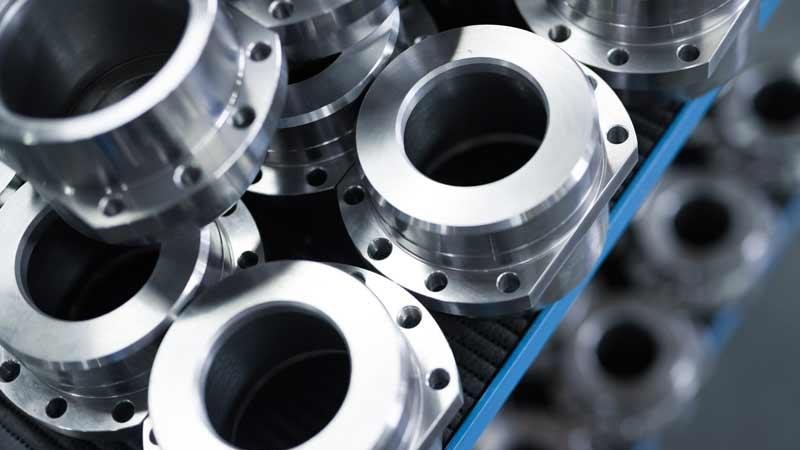
Carbon steel and stainless steel are two common types of metal materials used in investment casting. Carbon steel castings offer a combination of excellent mechanical properties and low cost, making them frequently used for automotive components such as shift forks, gear shift levers, and engine mounting brackets. Common grades include 1020 and 1045; these materials are easy to weld and machine, making them ideal for parts that do not need to withstand rust or harsh operating conditions.
In contrast, stainless steel castings contain at least 10.5% chromium. Chromium forms a thin, self-healing protective layer that prevents surface rusting. Grades such as 304 and 316 offer varying levels of protection. SS316(L) is more expensive than SS304(L) because it contains molybdenum, which helps resist chloride corrosion. This characteristic makes stainless steel an ideal material for manufacturing marine equipment components, pump parts, and chemical processing equipment.
| Марка материала | Cost Implication |
|---|---|
| High-grade stainless steel | Most expensive among steel castings |
| SS316(L) | Priced higher than SS304(L) due to enhanced corrosion resistance and durability |
| SS304(L) | Lower cost compared to SS316(L) |
Carbon steel rusts slowly when it meets moisture and oxygen. Rust forms and keeps growing until the metal fails. Stainless steel fixes its protective layer on its own when scratched. This key difference explains why carbon steel needs extra coatings in tough environments, while stainless steel offers lasting protection by itself.
Aluminum Alloys and Copper Alloys
Aluminum alloy castings offer an excellent strength-to-weight ratio, making them a popular choice in the aerospace and electronics sectors. Common types include A356 and A357 aluminum alloys, both of which exhibit good castability and machinability. In the T6 temper, A356.0 alloy achieves an ultimate tensile strength of 280 MPa with 10% elongation, while A357.0 alloy reaches 325 MPa with 7% elongation, making them suitable for high-strength structural components. These lightweight metals reduce the weight of aircraft parts, thereby improving fuel efficiency while maintaining structural integrity.
Copper alloy and bronze castings offer distinct advantages. Bronze alloys—particularly aluminum bronze and nickel-aluminum bronze—possess excellent resistance to seawater corrosion and are frequently used for pump impellers, propeller components, seawater valves, bushings, and bearing housings. Brass, another copper alloy, is easy to machine and aesthetically pleasing, making it common for architectural hardware; however, it is susceptible to dezincification in acidic environments and stress corrosion cracking in the presence of ammonia.
The investment casting process is suitable for virtually all alloys, including both ferrous and non-ferrous metals. This versatility surpasses that of permanent mold casting and die casting, processes typically limited to low-melting-point non-ferrous metals. When selecting these common metals, engineers must weigh mechanical property requirements, environmental factors, and budget constraints. The material best suited for investment casting depends entirely on the specific application requirements.
How to Select the Right Investment Casting Material
No single material works for every job. The best investment casting material depends on what the part needs to do. Engineers must look at mechanical properties and costs before they choose.
Evaluation of Mechanical and Physical Properties
Tensile strength is often the decisive factor in material selection. Steel possesses high tensile strength, whereas aluminum falls within the low-to-medium range. Carbon steel or stainless steel is the preferred choice for structural components subject to heavy loads. Although aluminum alloys like A-356 can achieve very high strength through heat treatment, steel remains the standard choice for applications demanding ultimate tensile strength.
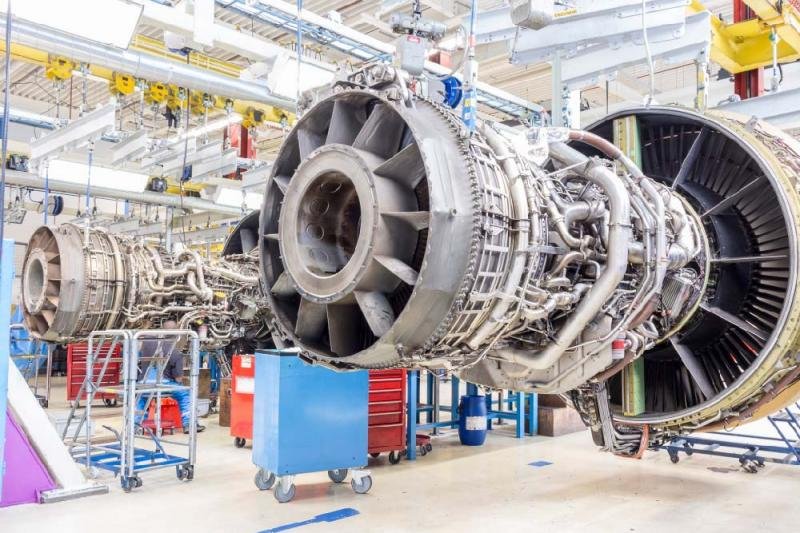
Operating temperature is critical in high-temperature applications. Modern gas turbines often operate at temperatures exceeding 1400°C. Such extreme environments necessitate the use of nickel-based superalloys due to their exceptional high-temperature strength and oxidation resistance. Early turbine designs utilized conventional steel alloys, but material choices had to evolve as temperature requirements rose. Subsequent temperature increases led to the adoption of directional solidification and single-crystal casting technologies. For low-temperature applications, aluminum is an ideal choice for manufacturing lightweight structural components.
Corrosion resistance dictates material selection in harsh environments. In boiling hydrochloric acid solutions, the corrosion rate of 316 stainless steel is more than four orders of magnitude higher than that of B-3 alloy. 316L stainless steel is inadequate for sulfuric acid environments, whereas B-3 alloy exhibits the lowest corrosion rate among nickel alloys. Stainless steel is also unsuitable for hydrofluoric acid environments; only nickel alloys such as Monel 400 and B-3 are widely used in hydrofluoric acid aqueous solutions. Nickel is inherently stable and less reactive with oxygen than iron.
Precision casting processes enable tight dimensional tolerances. However, the mechanical properties of cast aluminum are slightly inferior to those of wrought aluminum. Compared to wrought aluminum, cast aluminum has lower tensile strength and may suffer from porosity issues that affect fatigue strength. In contrast, forged aluminum offers 26% higher tensile strength and a 37% longer fatigue life. Engineers must carefully consider these performance differences when designing components that require high dimensional precision.
Considerations of Cost, Machinability, and Availability
Raw material costs vary significantly among different casting metals. Nickel-based superalloys are more expensive than 300 or 400 series stainless steels, primarily due to the inclusion of rare elements such as molybdenum, chromium, niobium, tungsten, cobalt, titanium, and aluminum. Despite the higher cost, these superalloys offer exceptional high-temperature strength, making the investment worthwhile for mission-critical components. In contrast, stainless steels have simpler alloy compositions and lower costs, yet they are sufficient for standard applications.
Machinability impacts the total project cost. The ease of machining varies by alloy: aluminum alloys are generally easy to machine, whereas certain high-strength steels require more processing steps and specialized tooling. Investment casting utilizes wax patterns, which entail higher tooling costs than permanent molds; however, this investment is justified for complex parts requiring high precision and dimensional accuracy.
Material availability affects lead times. For standard production orders, the timeframe from drawing approval to delivery is typically 4 to 6 weeks; tooling fabrication for new projects takes 4 to 6 weeks; preparation of first-article inspection samples requires 2 to 4 weeks; and the total duration for the investment casting process—including tooling—is approximately 6 to 10 weeks.
A thorough understanding of mechanical properties, environmental factors, and economic constraints is crucial to the success of a casting project; getting these aspects right ensures success, while errors can lead to costly mistakes. Selecting the appropriate material requires a careful evaluation of all these factors.
No single investment casting material suits all applications. The best choice depends on specific demands. Engineers must balance mechanical strength, corrosion resistance, temperature tolerance, and cost. Proper material selection impacts lifecycle cost, including alloy price, machining, finishing, and long-term investment. Understanding metal properties remains the most critical step in the precision casting process. This investment in knowledge ensures the final part meets performance expectations and delivers value.
ЧАСТО ЗАДАВАЕМЫЕ ВОПРОСЫ
What industries benefit from investment casting?
The car, boat, plane, and chemical industries use investment casting. The method makes strong, detailed parts for hard jobs. This process gives dependable parts.
How does material choice affect investment casting cost?
The cost of raw metal varies a lot. Choosing the right alloy saves money over time. Superalloys with nickel cost more than standard steel.
What is the difference between carbon steel and stainless steel?
Carbon steel gives strength at a lower cost. Stainless steel has chromium that fixes its own rust protection. Each type works for different needs.