EN
EN  DE
DE  ES
ES  FR
FR  PT
PT  RU
RU 
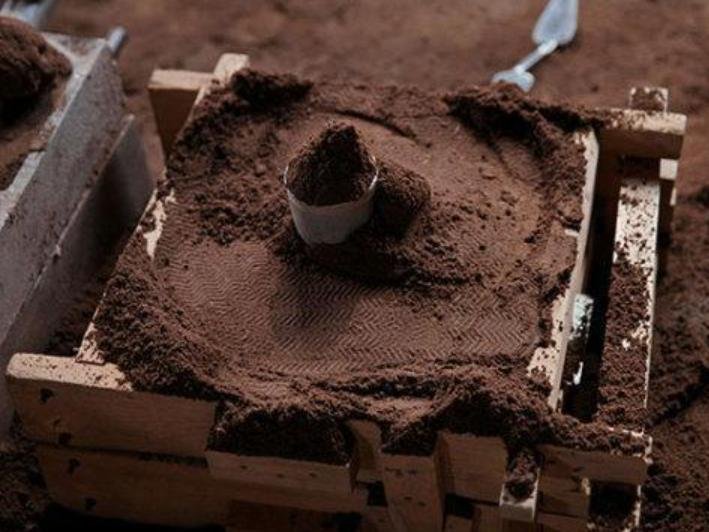
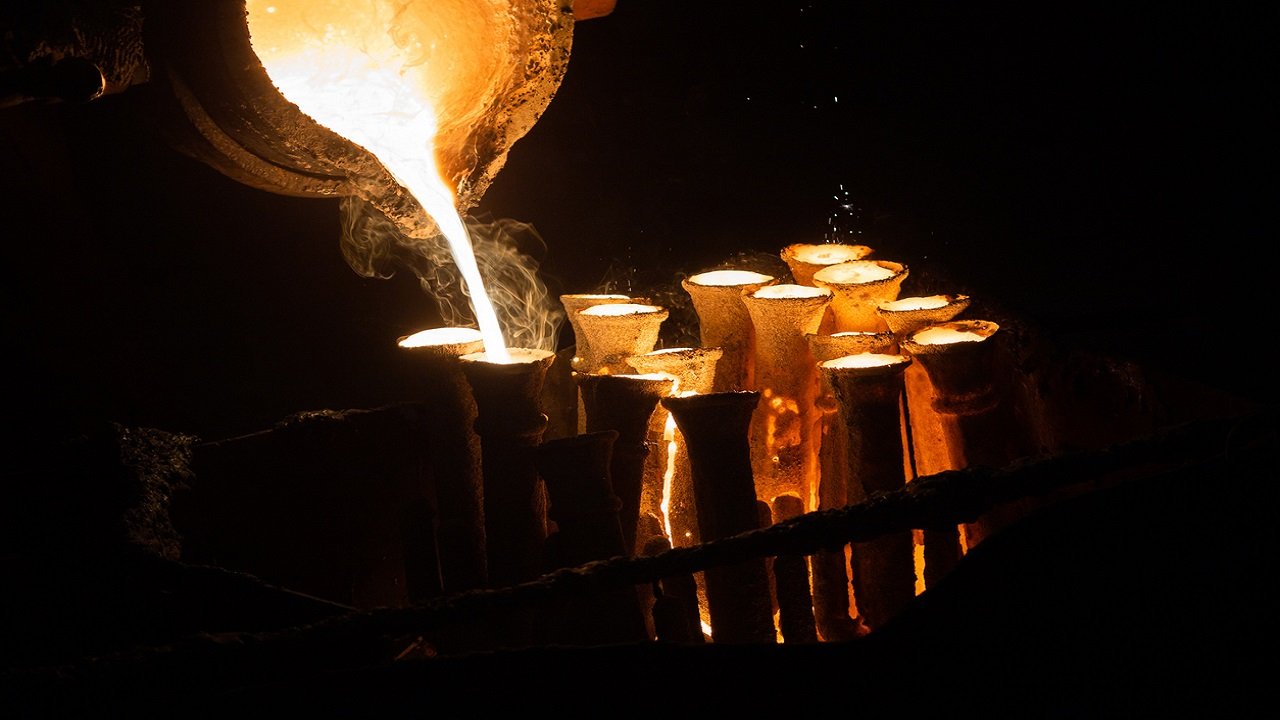
The four mainstream metal casting processes are sand casting, investment casting, die casting, and evaporative casting. Each process is applied to different industrial production scenarios. Sand casting is widely adopted for its great flexibility and low cost, holding the largest market share at 60%. Die casting sees rapid growth in the automotive and electronics industries. Investment casting delivers ultra-high dimensional accuracy and smooth surface finish. Evaporative casting, also known as lost-foam casting, features simple workflows and environmental friendliness.
| Casting Method | Market Share (%) | Growth Characteristics |
|---|---|---|
| Sand Casting | 60 | Dominates the global casting market; low cost and high flexibility, stable development. |
| Die Casting | 22 | Fastest growing process; large-scale application in automotive and electronic component manufacturing. |
| Investment Casting | 10 | Steady growth; favored for high-precision, complex custom parts in aerospace and automotive sectors. |
| Evaporative Casting | 8 | Moderate growth; eco-friendly process, gradually applied to complex structural parts. |
Key Takeaways
- Sand casting is the most mainstream metal casting technology. It features excellent flexibility and low production costs, suitable for manufacturing parts of all sizes. The reliable process also helps manufacturers improve production efficiency.
- Investment casting produces components with smooth surfaces and precise dimensions. It is ideal for complex geometric parts and customized products, and is widely applied in the aerospace and automotive industries.
- Die casting is a high-efficiency mass production process. Molten metal is formed under high pressure, producing lightweight, high-strength parts, which is widely used in automotive and electronic manufacturing.
Four Types of Metal Casting
Metal casting is important in making things. Factories use different casting methods. These methods help make parts for cars and machines. The four types are sand casting, investment casting, die casting, and evaporative casting. Each process uses special techniques and materials. They help make custom parts for many industries.
Sand Casting Process
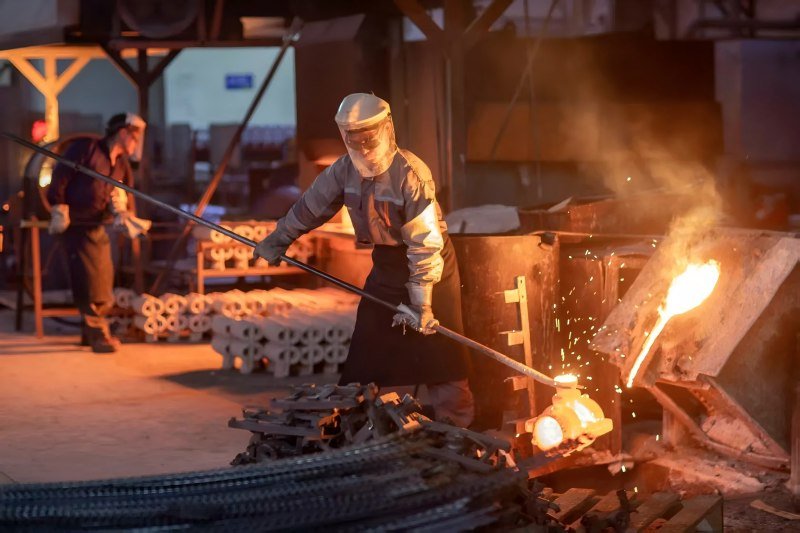
Sand casting is one of the oldest methods. It is also very flexible. Manufacturers use sand casting for simple and complex shapes. The process starts with a pattern made from wood or metal. Workers pack sand around the pattern to make a mold. They take out the pattern and pour hot metal into the mold. When the metal cools, they break the sand mold. This shows the finished part.
Sand casting lets factories use many materials. The table below lists common metals and their properties:
| Material | Properties |
|---|---|
| Aluminum | Lightweight, easy to machine, good for casting, low density, resists rust. |
| Bronze | Resists rust and wear, strong and tough. |
| Brass | Conducts well, strong, resists rust and corrosion. |
| Zinc | Good for casting, resists rust, can make thin and complex shapes. |
| Lead | Resists rust, heavy, used for small and medium parts, has health risks. |
| Copper | Strong, conducts electricity and heat well, resists rust. |
| Iron | Flows well, shrinks little, used for complex shapes, not very strong. |
| Mild Steel | Easy to shape, affordable, but can have defects like sand in parts. |
| Stainless Steel | Resists rust, strong and durable, but expensive and hard to work with. |
| Alloy Steel | Easy to shape, resists wear and shock, used for tough jobs. |
Sand casting stands out for its outstanding flexibility and low production cost. It is applicable to parts of all sizes, and is the preferred choice for customized orders and prototype development.
Investment Casting Process
Investment casting, commonly known as lost-wax casting, delivers ultra-high dimensional precision and intricate surface details. It is the optimal choice for components requiring strict tolerance control and smooth surface finish. The standard production steps are as follows:
- Fabricate and assemble wax patterns
- Fix wax patterns onto the gating system
- Coat wax patterns with refractory slurry to form a ceramic shell
- Heat the shell to melt and drain out internal wax
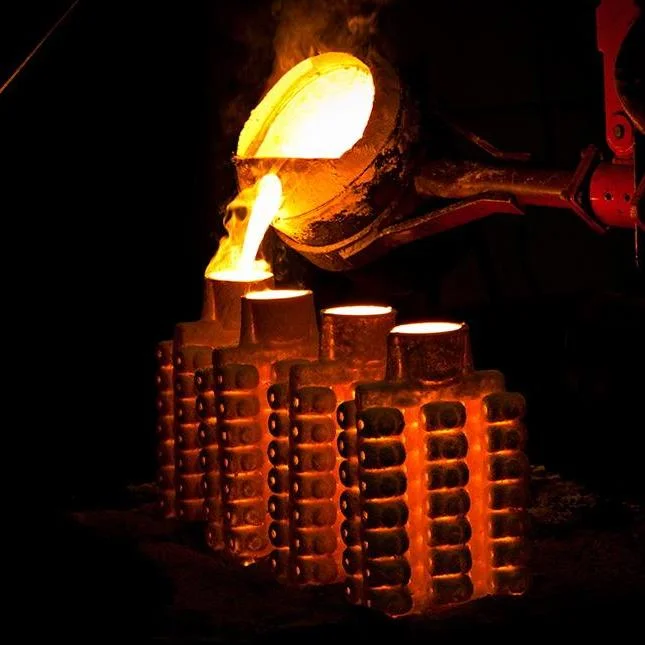
- Melt raw metal and pour molten metal into the preheated shell mold
- Remove the ceramic shell and conduct post-processing cleaning for finished parts
Investment casting is different from other methods. The mold forms around a wax pattern. The wax melts away and leaves a space for metal. This makes parts with complex shapes and smooth surfaces. Factories use investment casting for custom parts in cars, trains, and ships. KEMING is a top manufacturer. They offer investment casting for carbon steel, stainless steel, and iron. Their processes meet global standards and handle small and large orders.
Die Casting Process
Die casting uses permanent molds to make parts. It gives high accuracy and repeatability. Factories use die casting for making lots of car and electronic parts. The process uses a steel mold called a die. Workers inject hot metal into the die under high pressure. The metal cools and hardens fast. Then the part comes out of the mold.
The table below shows the main steps in die casting:
| Step | Name | Key Action | Quality Impact |
|---|---|---|---|
| 1 | Die Preparation | Clean, lubricate, and clamp the mold | Stops sticking and controls heat |
| 2 | Metal Melting | Melt alloy at the right temperature | Helps metal flow and fill the mold |
| 3 | Injection | Push hot metal into the die | Affects surface, holes, and detail |
| 4 | Cooling | Let metal harden in the mold | Controls size and strength |
| 5 | Ejection | Open the die and take out the part | Affects part quality and speed |
| 6 | Trimming & Finishing | Remove extra material and treat the part | Decides how the part looks and works |
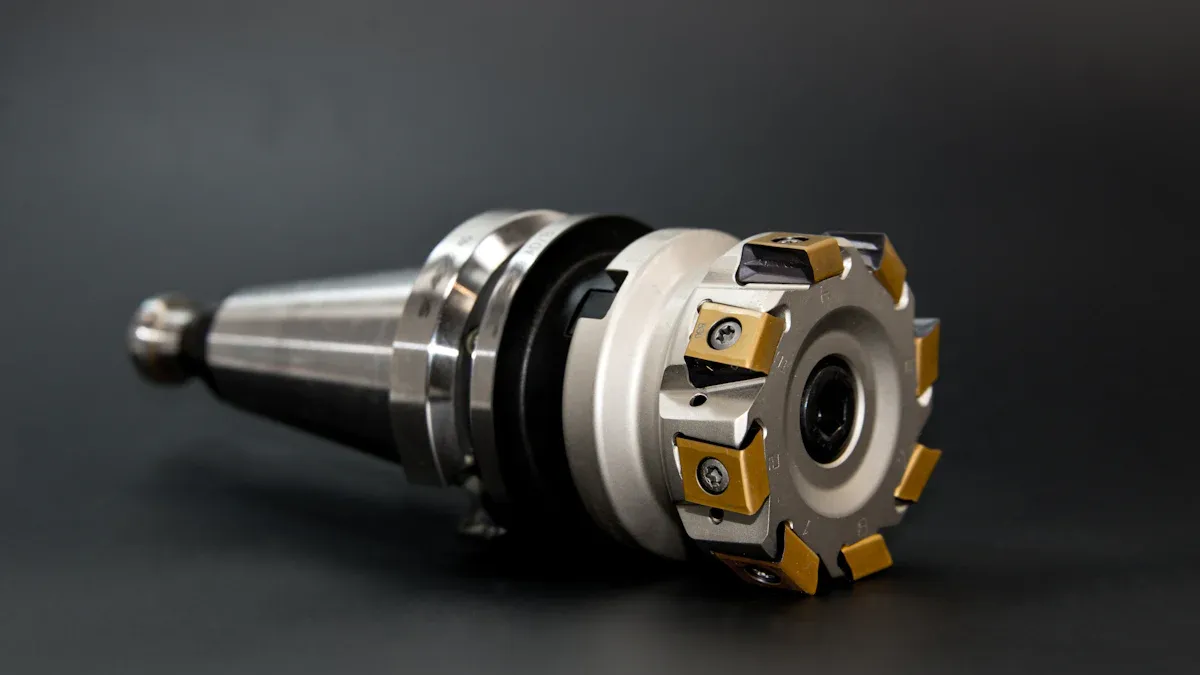
Die casting mainly applies aluminum, magnesium and zinc alloys, which feature light weight, high strength and good corrosion resistance. This process is widely used for mass production of parts with strict tolerance requirements.
Evaporative Casting Process
Evaporative casting is also called lost-foam casting. It uses a foam pattern to make the mold. Manufacturers put the foam pattern in sand and shake it to pack the sand. When hot metal is poured in, the foam disappears. This leaves a space for the metal to fill. This process has fewer steps than sand casting.
Evaporative casting uses polystyrene foam for patterns. This material can make many shapes and sizes. It gives high accuracy and keeps costs low.
Evaporative casting gives better size accuracy and is better for the environment. Factories use it for parts with complex shapes and less need for cutting. Lost-foam casting is efficient and precise among the four types.
Factories choose casting methods based on what they need. The four types—sand casting, investment casting, die casting, and evaporative casting—each have special benefits for custom and mass production. Knowing these processes helps companies pick the best one for their job.
Sand Casting Explained
Features of Sand Casting
Sand casting is one of the oldest ways to cast metal. Factories like it because it is cheap and flexible. The sand can take high heat and keep its shape. This lets workers make parts with lots of details. Sand casting works for small or big jobs. It is good for custom parts and making many at once. Factories can make tiny parts or ones that weigh over 50 tons. They use materials again, so it saves money.
Sand casting is liked because it makes big and tricky shapes. About 60% of all metal castings use this process.
Uses of Sand Casting
Many businesses use sand casting to make things. Car companies use it for engine blocks and oil pans. Heavy machine makers use it for strong parts like gears. Aerospace and marine defense use it for parts that face tough places. Farms, mining, and energy also use sand casting.
| Industry | Application Description |
|---|---|
| Automotive | Engine blocks, crankcases, oil pans, and fittings |
| Heavy Machinery | Large-scale gears, bushings, and flywheel castings |
| Aerospace | High-precision parts for extreme conditions |
| Marine Defense | Components designed for harsh marine environments |
| Mining | Durable parts for heavy equipment |
| Agriculture | Equipment components for farming and processing |
Sand casting is still a top pick for factories that want strong and useful parts.
Investment Casting Overview
Features of Investment Casting
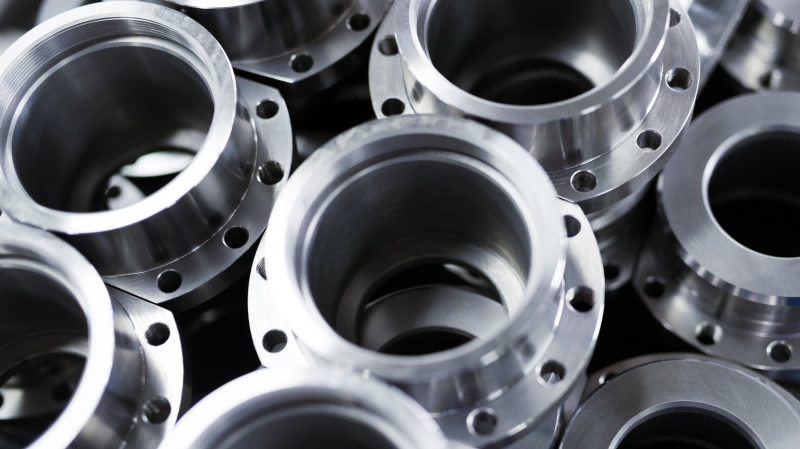
Investment casting excels in producing high-precision components with ultra-complex geometries, capable of realizing designs that cannot be completed by conventional casting methods. As a professional manufacturer complying with ASTM, DIN, JIS international standards, KEMING Machinery is equipped with advanced CNC equipment and two full casting production lines, ensuring stable and reliable product quality.
Investment casting gives parts the right size and a smooth look. The process uses a wax pattern with lots of detail. This helps the part fit well and look nice. It also means less metal is wasted, so factories save money.
| Feature | Description |
|---|---|
| Complex Geometries | Makes shapes that are hard to do with other methods |
| Dimensional Accuracy | Parts are made very exact and the same each time |
| Surface Finish | Parts look smooth and have clear details |
| Low Material Wastage | Less metal is wasted, and extra bits can be used again |
Uses of Investment Casting
Factories pick investment casting for parts that must be strong and exact. KEMING helps many businesses with this process. They work with cars, trains, building, mining, and ships. Factories use investment casting for things like turbine blades and fuel nozzles in planes. Medical companies use it for parts that are safe for people and made just for them.
- Aerospace: Turbine blades, impellers, fuel nozzles
- Automotive: Special parts for race cars or small batches, mixed parts
- Medical Devices: Safe parts for people, made to fit, with smooth surfaces
KEMING knows a lot about metal casting. They help factories make custom parts from drawings or samples. They check every part to make sure it is good and meets all the rules.
Die Casting Insights
Features of Die Casting
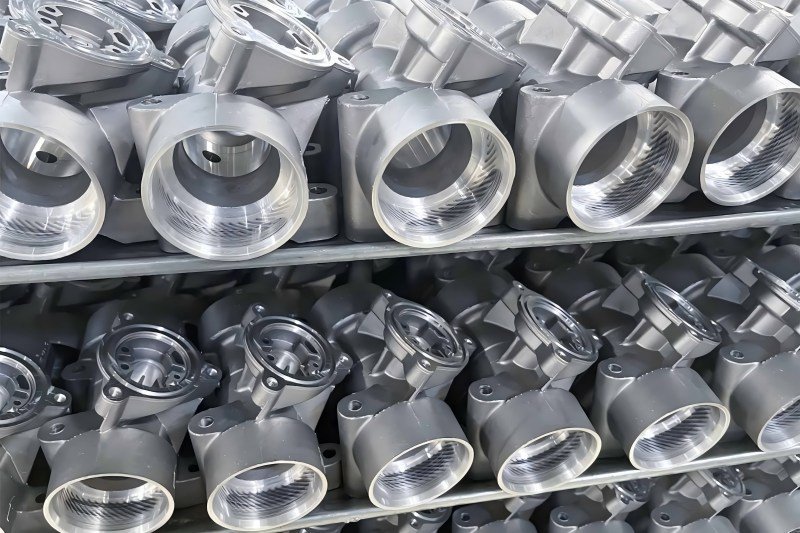
Die casting is a quick way to make metal parts. Factories use high pressure to push melted metal into steel molds called dies. This makes parts that fit well and look smooth. Die casting works best with aluminum, zinc, and magnesium alloys. These metals melt at lower temperatures, so they are good for this process. Factories can make thousands of parts fast with die casting.
Die casting produces dense, high-strength components. High-pressure filling effectively reduces internal defects and improves the service life of finished parts. The rapid solidification under pressure ensures consistent mechanical performance of each part. Factories can make tricky shapes and small details with die casting. This process also uses less material, so it saves money.
Die casting equipment consumes relatively high energy due to high-pressure operation and continuous high-speed production, which leads to higher operating costs and certain environmental impact. Environment-focused manufacturers will fully evaluate energy consumption before selecting this process.
Uses of Die Casting
Die casting is important in many businesses. Factories use it to make parts that are light and strong. The process helps make parts that fit well and look nice. Car makers, electronics, builders, phone companies, and tool makers all use die casting.
| Industry | Common Uses |
|---|---|
| Automotive | Gears, pistons, housings |
| Electronics | Parts with complex details |
- Automotive
- Builder’s Hardware
- Telecommunications
- Power & Hand Tools
Die casting helps factories make special and regular parts. People like die casting because it is fast, exact, and makes strong, light things. Metal casting methods like die casting are still very important today.
Evaporative Casting Details
Features of Evaporative Casting
Evaporative casting is also called lost-foam casting. It uses a foam pattern to make metal parts. Workers put the foam pattern in dry sand. Then they pour hot metal over the foam. The foam disappears, and the metal takes its place. This makes the final part. Factories can make tricky shapes and thin walls easily.
The table below explains why factories like this process:
| Feature | Description |
|---|---|
| Low entry cost | Simple sand patterns cost $500 to $5,000. This is good for prototypes and small batches. |
| Design flexibility | Factories can change patterns fast. This saves time and money compared to other methods. |
| Broad alloy compatibility | The mold works with many alloys. It can handle high temperatures. |
Evaporative casting helps factories spend less on tools. They use 3D printed polymers or cheap foam. This lowers costs. The process skips steps like burning out wax and thick coatings. This makes production quicker and cheaper. Factories can reuse up to 60% of the sand. This helps save money.
Uses of Evaporative Casting
Evaporative casting is used in car and foundry factories. Workers make engine blocks, cylinder heads, brake discs, and gear housings. They also make intake manifolds, pump housings, brackets, and suspension parts. Factories pick this method for gearbox housings, tractor axles, and marine gear cases.
This process works well for tricky shapes and thin parts. Foam patterns can have inside passages, ribs, and vertical walls with no draft angle. Factories use evaporative casting to make impellers, valve bodies, and coupling housings with lots of detail. This makes it a good choice for custom and exact metal casting jobs.
Factories notice important differences in casting methods. The table below shows which materials work and how many parts each method makes:
| Casting Method | Material Compatibility | Production Volume |
|---|---|---|
| Sand Casting | Silica sand mold, aluminum, iron, steel, bronze and other alloys | Low to medium volume |
| Die Casting | Non-ferrous metals: aluminum, zinc, magnesium alloys | High volume |
| Investment Casting | Ferrous & non-ferrous metals: carbon steel, stainless steel, iron, copper alloys | Low to medium volume |
| Evaporative Casting | Most ferrous metals and common non-ferrous alloys | Medium volume |
To pick the right process, factories should think about:
- Which material to use
- How tricky the part is
- How many parts are needed
- How exact and smooth the part must be
Knowing about these casting methods helps factories choose wisely. They can save money and make custom or big batches of parts.
FAQ
What is the difference between disposable mold manufacturing and permanent mold manufacturing?
Disposable mold manufacturing uses molds that are discarded after each use. Permanent mold manufacturing uses molds that can be reused. Factories using permanent molds can produce large quantities of parts faster.
How does high-pressure die casting improve dimensional accuracy?
High-pressure die casting rapidly presses high-temperature metal into a steel mold. This helps to manufacture dimensionally accurate, well-fitting parts. Factories use this process to manufacture parts with complex shapes and high strength.
Why do manufacturers choose gravity die casting to manufacture custom parts?
Gravity die casting allows metal to flow into the mold itself. This process produces custom parts with fewer errors and smoother surfaces. It is suitable for medium-volume part production.