EN
EN  DE
DE  ES
ES  FR
FR  PT
PT  RU
RU 
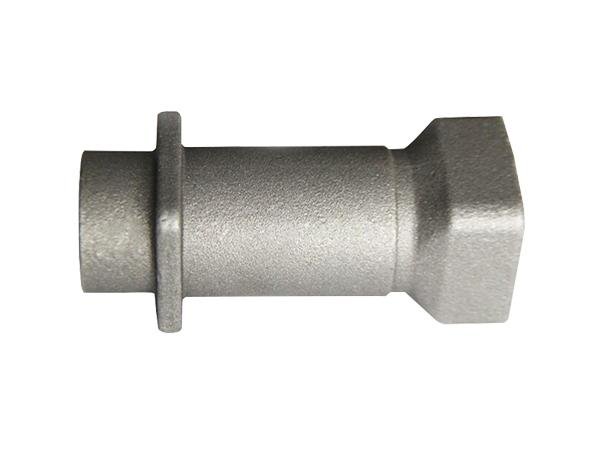
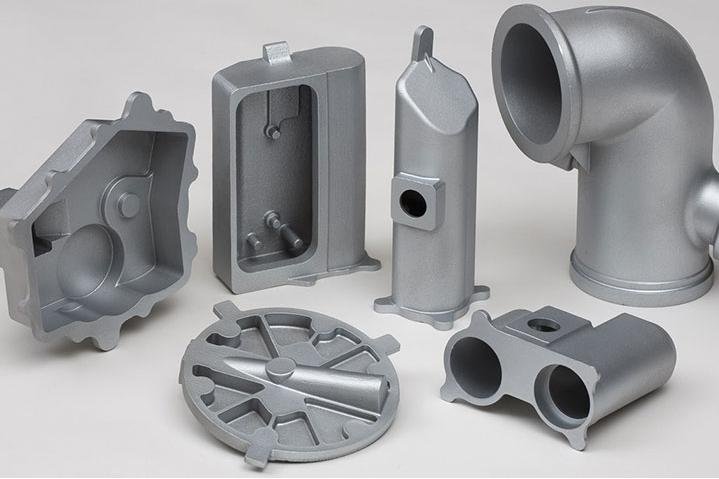
As a mature expendable mold casting technology widely adopted across foundry industries, sand casting produces diversified components covering multiple industrial fields. Automotive manufacturers commonly produce engine blocks and suspension brackets via this process; aerospace foundries fabricate turbine casings and structural castings, while general machinery parts and ornamental castings are also mainstream sand casting outputs. Its flexible production feature and low startup cost keep it widely popular in global foundry production.
| Industry | Product Categories |
|---|---|
| Aerospace | Brackets, housings, turbine casings, structural components |
| Automotive | Engine blocks, cylinder heads, transmission housings, brake components, suspension brackets |
Key Takeaways
- Sand casting sees extensive application within automotive and aerospace manufacturing to fabricate robust, dimensionally detailed components including engine blocks and turbine casings. Thanks to its cost advantages and production flexibility, manufacturers can fulfill both mass bulk orders and small-batch customized production. Compatible with an extensive range of ferrous and non-ferrous casting alloys, the process is widely used for general medical auxiliary hardware besides decorative castings.
Sand Casting in Industry
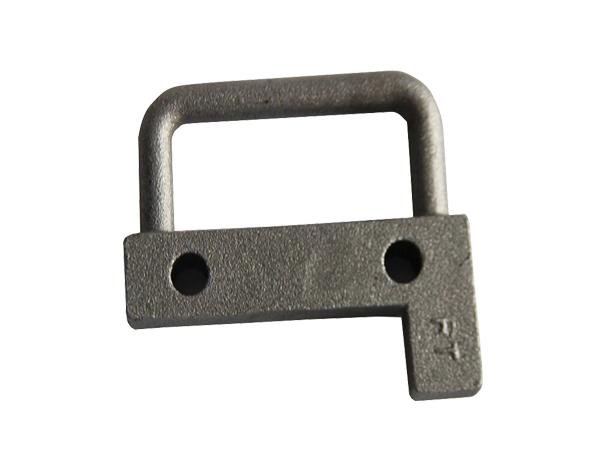
Sand casting remains an indispensable foundational forming process in modern component manufacturing for robust, complex structural castings, covering automotive engine components and general medical supporting hardware. Flexible in design revision and raw material selection, it suits both customized small-batch and large-scale mass production requirements.
Automotive parts
Car makers use sand casting for important parts. Sand casting helps make many parts, both common and special. It can make big and complicated shapes. That is why car companies like sand casting.
| Category | Example Parts |
|---|---|
| Geometrically Complex Parts | Engine cylinder heads, transmission housings |
| Large-Size Parts | Engine blocks, chassis components |
| Low-Volume Parts | Niche auto components, vintage car parts |
Automotive components manufactured via sand casting must withstand high thermal and mechanical stress. The process is optimized by matching specific metallurgy with industry standards:
- Gray Iron & Ductile Iron (e.g., ASTM A536): Preferred for engine blocks, cylinder heads, and brake calipers due to excellent dampening capacity and wear resistance.
- Aluminum Alloys (e.g., A356 or A206): Utilized for transmission cases and suspension brackets to reduce unsprung weight while maintaining high tensile strength.
- Tin Bronze & Custom Alloys: Applied in high-wear bushings and vintage car restoration components.
At KEMING, our production floor combines traditional sand molding with advanced simulation software to predict metal flow, effectively reducing porosity defects to below 1.5% in critical powertrain components.
Aerospace components
In aerospace manufacturing, sand casting is heavily relied upon for producing massive, geometrically complex structural components that would be cost-prohibitive to machine from solid billets. To meet the stringent AMS (Aerospace Material Specifications), foundries utilize specialized zircon or chromite sand to improve surface finish and thermal cooling rates.
Typical sand-cast aerospace components include:
- Turbine and compressor housings for jet engines.
- Environmental control system (ECS) valve bodies.
- Aircraft landing gear brackets and structural bulkheads.
This process allows for walls as thin as 4–5 mm on large-scale components, balancing weight reduction with high structural payload capacities.
Medical implants
While internal medical implants (like joint replacements) require the extreme precision and surface finish of investment casting rather than sand casting, sand casting plays a vital role in heavy-duty healthcare infrastructure.
By utilizing high-density green sand and chemically bonded sand systems, foundries can achieve the structural rigidity required for medical equipment frames. Common applications include:
- Heavy structural bases for MRI and X-ray machines.
- Housings and brackets for robotic surgical arms.
- Hospital bed chassis and heavy-duty transport cart components.
In these applications, production strictly complies with ISO 13485 quality management systems to ensure structural integrity and zero internal casting defects (such as porosity or shrinkage).
Machine tools
Sand casting helps make many machine tool parts. Companies use sand casting to make:
- Engine blocks
- Cylinder heads
- Transmission housings
- Brake components
- Suspension brackets
Sand casting has many benefits for making machine tools:
| Benefit | Description |
|---|---|
| Cost-Effectiveness | It costs less to make parts for small or big orders. |
| Reusable Sand Molds | Sand can be used again. This saves money and cuts waste. |
| Wide Range of Metal Compatibility | Many metals can be used for different needs. |
| Short Lead Times | The process is simple. Parts can be made and sent quickly. |
Sand molds can be changed easily for new designs. This helps companies make new parts fast. KEMING’s sand casting makes both regular and custom machine tool parts. They are a trusted supplier for factories.
Everyday and Decorative Products of Sand Casting
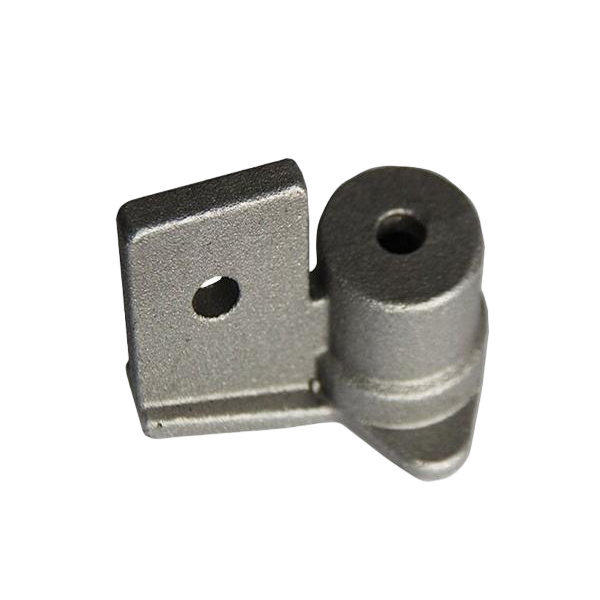
Home goods
Beyond heavy industry, sand casting shapes architectural and municipal landscapes due to its low tooling costs for large or ornate shapes:
- Municipal Fluid Control: High-pressure valve bodies, industrial pump impellers, and water meters cast in stainless steel or brass.
- Architectural Hardware: Heavy-duty outdoor lighting bases, ornamental iron gates, historical fencing, and fireplace grates.
- Commercial Cookware: Heavy-duty cast iron skillets and Dutch ovens known for uniform heat retention.
For projects requiring higher cosmetic surface finishes or thinner walls, engineering teams often evaluate sand casting vs investment casting to determine the optimal balance between initial tooling costs and post-cast machining requirements.
Valves and pumps
Sand casting is used to make valves and pumps for plumbing and factories. Factories like casting because it lets them change designs fast and use many metals. KEMING sells custom valves and pumps from the factory. They meet high quality rules for business buyers.
Decorative items
Casting helps artists and designers make statues, sculptures, garden decorations, and fireplace grates. Sand casting can make shapes with lots of detail. Designers can change molds quickly to make new looks. KEMING makes decorative items for big orders and special requests.
Sand casting works with both ferrous and non-ferrous metals. This makes it great for gates, railings, and sculptures.
- Statues
- Sculptures
- Garden ornaments
- Fireplace grates
- Gates
- Railings
Wheel hubs and brackets
Factories use sand casting to make wheel hubs, brackets, pulleys, and engine mounts. These parts must be strong and work well. The A206-T4 alloy is very strong and lasts a long time. This makes it a good pick for wheel hubs. KEMING gives light and custom wheel hubs and brackets to car and factory clients.
| Property | A206-T4 | A206-T7 |
|---|---|---|
| Tensile Strength, min | 50 ksi (345 MPa) | 45 ksi (310 MPa) |
| Yield Strength at 0.2% Offset, min | 30 ksi (205 MPa) | 26 ksi (180 MPa) |
| Elongation in 2 inches or 4D, min | 10% | 8% |
Advantages of Sand Casting
Complex shapes
Sand casting is good for making shapes with lots of detail. Factories can make parts with thin walls and undercuts. They do not need extra tools for this. Sand cores help make inside shapes and undercuts. Workers put the mold together and pour in hot metal. The metal cools and becomes solid. This way, factories can make many different designs.
- You can make many shapes with sand casting.
- Sand cores help make inside parts and undercuts.
- Thin walls and small details are possible.
Sand casting lets companies make special parts for different jobs. Factories can change molds fast if they need a new design.
Material versatility
Sand casting can use many kinds of materials. Factories use silica sand for most jobs. Olivine sand works well when it gets very hot. Chromite sand stays strong in heat. Zircon sand is used for special needs. CARBO Ceramics can be used for all foundry jobs. New casting uses alumina for smooth and exact parts. These materials help make work safer and faster.
- Aluminum, brass, bronze, and iron are used a lot.
- Sand casting can also use steel, copper, and ductile iron.
- There are almost no limits to the size of parts.
Sand casting is good for big ship and airplane parts. It also works for small orders, so it is good for custom jobs.
Cost efficiency
Sand casting helps save money for big and small orders. The sand molds can be used again, so it costs less. This also means less waste. It does not cost much to set up compared to other ways. Companies can make parts for less money, even for small or big jobs.
| Factor | Description |
|---|---|
| Reusable Sand Molds | Sand can be used again, so it saves money and cuts waste. |
| Low Tooling Costs | Sand casting costs less to start than die casting. |
| Cost-Effectiveness | It costs less to make parts, so it works for many jobs. |
Sand casting helps factories work fast and change when they need to. Businesses can make parts quickly and change plans if needed.
Sand casting makes many things for factories and homes. Companies use it to make engine blocks and turbine casings. It also helps make cookware and plumbing fixtures. Sand casting works with lots of metals and shapes. This makes it easy and saves money. Because it can do so much, people use sand casting for many jobs.
FAQ
What are some typical automotive sand castings?
Automotive companies produce engine blocks, cylinder heads, and suspension brackets. These are all commonly used sand casting parts in automobiles.
What are some common agricultural sand castings?
Agricultural machinery manufacturers use sand casting technology to produce plow blades and tractor housings. They also use this method to produce irrigation accessories. These are common agricultural sand casting parts.
Why do various industries prefer to use sand casting to manufacture custom parts?
Sand casting allows factories to quickly change molds. They can produce parts with special shapes and sizes according to customer needs. Furthermore, its mold setup time is very short.