EN
EN  DE
DE  ES
ES  FR
FR  PT
PT  RU
RU 
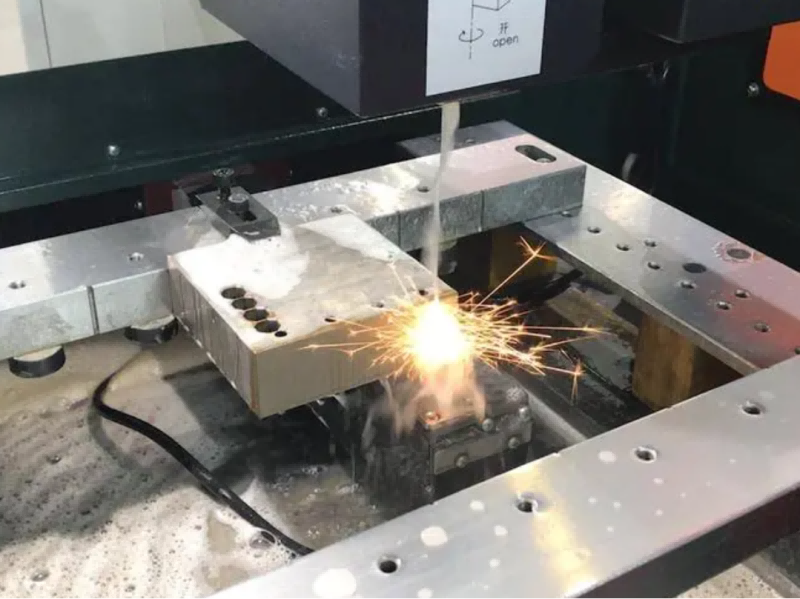
Precision components are small parts with extremely precise dimensions. They are crucial in product manufacturing and engineering. These parts help machines operate efficiently and extend product lifespan. High precision ensures product safety and reliability. Many industries require these components for their primary tasks.
Key Takeaways
- Precision components are small parts with extremely precise dimensions. They are essential for the safety and proper functioning of machines and products.
- Industries such as automotive, aerospace, and healthcare require precision components. These parts help ensure products operate efficiently and meet high-quality standards.
- Manufacturers use specialized methods such as CNC machining to manufacture precision components. These parts are dimensionally very precise, allowing for perfect fit.
- Quality inspection and testing of precision components are essential. This ensures their safety and proper functioning.
- Choosing the right precision component supplier is crucial. You should look for suppliers with high precision, strict quality control, and extensive experience to obtain the best components.
Precision Components Overview
Defining Precision Components
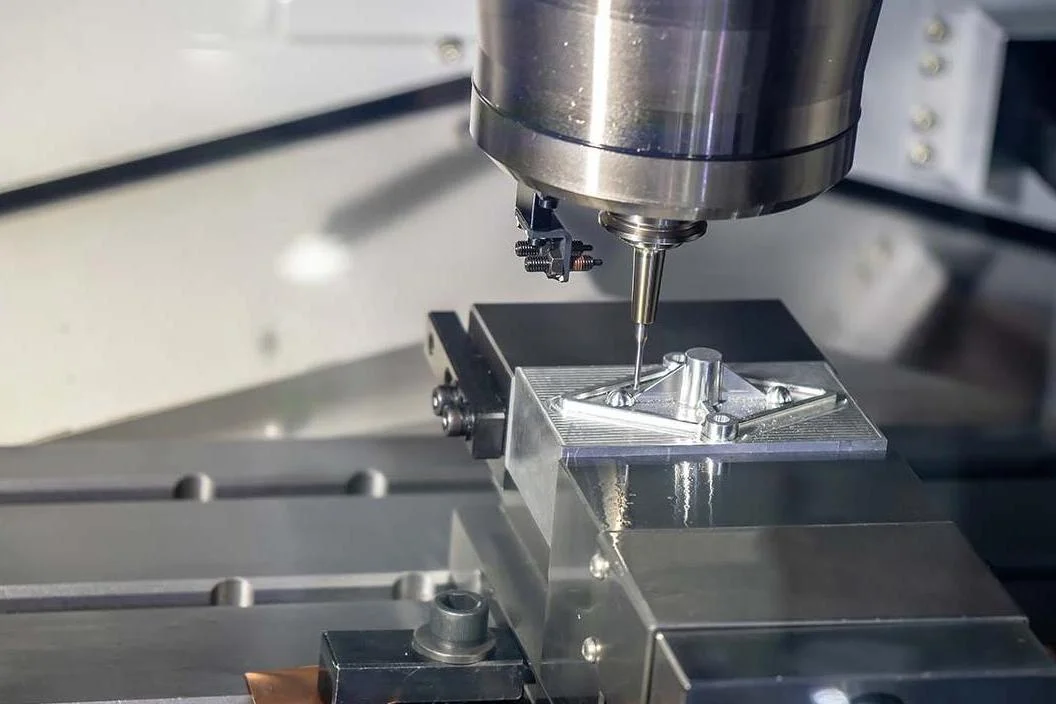
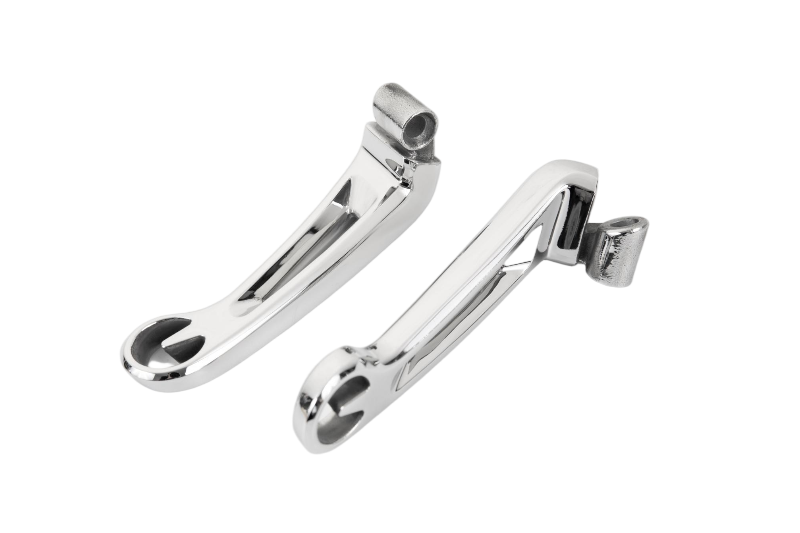
Precision parts are components with extremely precise dimensions. They require precise fit and perform specific functions. Engineers design them according to specific requirements. Factories use advanced equipment, such as CNC machine tools and precision casting, to manufacture these parts. You can find these parts in machines, automobiles, and medical devices.
Precision means that each part is almost identical to the design drawings. This ensures the safety and reliability of the product. Tight tolerances are crucial in fields such as aerospace and healthcare.
The materials used are critical when manufacturing precision parts. Each material has its own advantages and is suitable for different applications. The table below lists some commonly used materials and their uses:
| Material Type | Typical Application | Key Machining Challenge |
|---|---|---|
| Titanium Alloys | Aerospace structures, orthopedic implants | Low thermal conductivity, high strength-to-weight ratio |
| Inconel & Hastelloy | Jet engines, turbines | Extreme hardness, work hardening during cutting |
| High-Nickel Fabrication | Chemical processing, oil & gas seals | High material cost, very difficult to chip |
| Stainless Steels | Surgical instruments, fluidic systems | Maintaining surface finish and dimensional stability |
| Specialty Plastics | Medical and electrical insulation | Managing heat deformation and internal stresses |
Manufacturers select appropriate materials based on the intended use of the parts. This helps ensure the final product is robust, durable, and performs well.
Key Features
Precision parts are distinguished by their extremely small manufacturing tolerances, intricate shapes, and superior quality. These characteristics make them crucial in many applications. Here are some key characteristics:
- Extremely Small Tolerances: Many precision parts have tolerances as small as ±0.01 mm or even smaller. Standard parts typically have larger tolerances, such as ±0.05 mm.
- Complex Designs: Engineers design complex shapes for specific applications.
- Superior Quality: Factories employ advanced processes to ensure the quality of each part.
- Performance Requirements: These parts are critical to safety, reliability, and proper operation.
The table below lists the differences between precision and standard parts:
| Characteristic | Precision Components | Standard Components |
|---|---|---|
| Level of Accuracy | Engineered to meet tight tolerances | May have looser tolerances |
| Performance Necessity | Essential for performance, safety, and reliability | Suitable for general applications |
| Manufacturing Process | Produced using advanced technologies like CNC machining | May not require stringent processes |
Precision components ensure products function correctly every time. This translates to fewer breakdowns and higher quality. Many industries require these components to meet stringent safety and performance requirements.
The Importance of Precision Components
Impact on Manufacturing
Precision components are crucial in today’s factories. They help create perfectly fitting products. When components fit well, machines operate more efficiently and have a longer lifespan. KEMING uses specialized machines to manufacture these components. Their workers adhere to strict specifications for every part.
Factories for factories using precision components include:
- Precision cutting tools prevent over-cutting, reducing waste.
- More precise controls help workers reduce errors.
- Quality inspections allow for early detection of problems, reducing scrap.
- Every material is used carefully, saving money and resources.
KEMING supplies these components to numerous industries, including automotive, marine, construction, and mining. Their components help create robust and durable cars, safe ships, and high-performance machines. The company adheres to international standards to ensure the safety and high quality of all components. The following table lists some key standards:
| Standard | Description |
|---|---|
| DFARS | Guidelines for using specialty metals in U.S. defense contracts |
| ISO 9013 | Focuses on thermal cutting for consistent part fit and assembly |
| ASTM | Standards for test specimens in aerospace manufacturing |
Quality and Performance
Precision components enable many products to perform better and last longer. In the electronics industry, these components help equipment operate properly and ensure safety. High-precision components mean less error and better performance. Even tiny errors can lead to serious problems, so precision is crucial.
ChemChina uses a variety of testing methods to inspect its components, such as hardness testing and X-ray inspection. These tests ensure that each component is robust and durable, free from any potential problems. The company adheres to relevant standards in the United States, Germany, Japan, and other countries and regions. This rigorous approach allows ChemChina to provide customers with high-performance components, ensuring continuous machine operation.
Note: Precision components help companies reduce waste, extend product lifespan, and thus lower costs.
Applications of Precision Components
Automotive and Marine
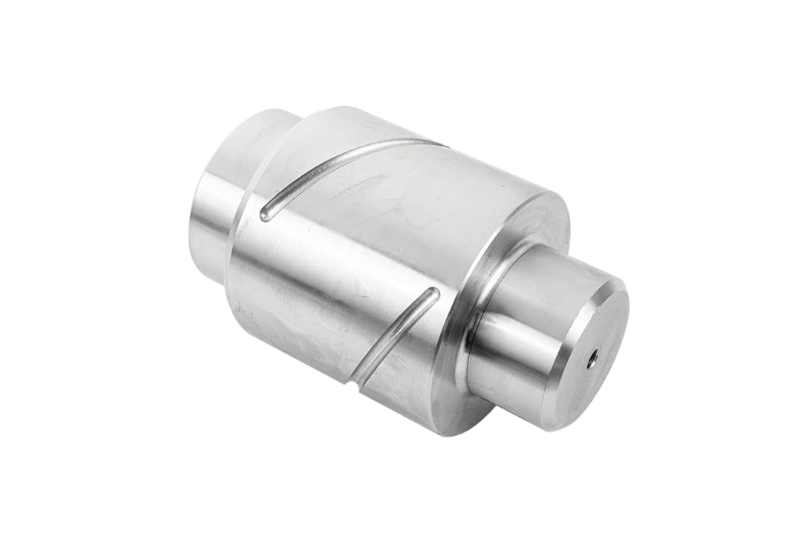
The automotive and marine industries require precision components to ensure safety and optimal performance. KEMING provides components such as propeller shafts, engine parts, and valve assemblies. These components contribute to the smooth operation and safety of automobiles and ships. The table below illustrates the applications of these components in the marine industry:
| Component Type | Applications in Marine Sector |
|---|---|
| Propeller shafts | Used for propulsion in boats and ships |
| Hull fittings | Essential for structural integrity and safety |
| Engine parts | Critical for engine performance and reliability |
| Valve assemblies | Control fluid flow in various systems |
| Navigational equipment | Important for safe navigation and operation |
| Fuel tanks, filters, and hoses | Vital for fuel management and engine efficiency |
| Spare parts (spark plugs, gaskets) | Necessary for maintenance and repairs |
| Engine lifts and hoists | Facilitate engine installation and removal |
Automakers use high-strength stamped and heat-treated parts to extend the lifespan of their vehicles and improve their performance. These parts fit tightly together, reducing manufacturing errors and speeding up assembly. Kemin employs precision casting and CNC machining technologies to ensure the accuracy of every part.
Medical and Electronics
Medical devices and electronic products require extremely precise and safe parts. Kemin manufactures surgical instruments, testing equipment parts, and implants. These parts must be safe, reliable, and perform exceptionally well. The following table lists the application areas for these parts:
| Component Type | Application in Medical Devices and Electronics |
|---|---|
| Surgical Instruments | Used for precision in surgeries, ensuring safety and effectiveness. |
| Diagnostic Equipment Parts | Essential for accurate testing and patient diagnostics. |
| Implants | Require biocompatibility and precision for patient safety. |
| Semiconductors | Critical for the functionality of electronic devices. |
| Connectors | Ensure reliable connections in electronic systems. |
| Switches | Enable control and operation of electronic devices. |
Construction and Mining
The construction and mining industries require robust and durable parts. Komin uses a variety of processes to manufacture these parts. Lost-wax casting produces parts with extremely precise dimensions. Shell mold casting maintains the shape of the parts. Resin-bonded sand casting enhances the strength of the parts. Water glass casting produces stable and tough parts.
| Casting Process | Effect on Dimensional Accuracy |
|---|---|
| Lost Wax | Produces highly precise components with tight tolerances. |
| Shell Mold | Maintains dimensional accuracy with low expansion materials. |
| Sand Casting | Improved accuracy with synthetic resin binders. |
| Water Glass | Forms a rigid structure for better stability. |
These methods help KEMING manufacture more durable components that function well in harsh environments. Precision components for the construction and mining industries enable the operation of large machinery and ensure worker safety.
Benefits
Reliability
Reliable components ensure machines operate efficiently every day. KEMING rigorously inspects each component to ensure its quality. Their team uses specialized tools such as coordinate measuring machines (CMMs) and surface testers. These tools detect defects early, thus guaranteeing product strength and safety. The table below shows how inspection helps improve component reliability:
| Evidence | Explanation |
|---|---|
| Testing and inspection check if parts meet the rules. | This helps find problems early, which is important for making reliable precision components. |
| Finding problems early stops expensive fixes later. | This makes work faster and more reliable because issues are fixed before they get worse. |
| Good parts mean less waste and lower costs. | This helps make parts more reliable because there are fewer mistakes. |
| Making good parts all the time builds trust. | Reliability is important for happy customers, and careful testing helps keep quality the same. |
Safety
Safe machinery ensures the safety of workers and users. KEMING strictly adheres to all regulations and employs specialized testing methods to ensure the safety of its components. Many operations require specific safety certifications. The table below lists some important certifications:
| Certification | Description |
|---|---|
| AS9100 | Main quality system for planes, space, and defense companies |
| NADCAP | Checks special work for aerospace and defense companies |
| ITAR | Rules for selling defense parts to other countries |
| FAA | Rules for making safe airplane parts |
| MIL-SPEC | Rules for making parts for the military |
Efficiency
Efficient factories save time and costs. KEMING utilizes intelligent machines and skilled workers to produce parts quickly with minimal waste. Its tools, such as optical comparators and non-destructive testing, ensure the precision of every part.
KEMING’s custom parts perfectly fit every job, improving machine performance and extending its lifespan. This helps businesses grow.
Partnering with KEMING means you’ll receive high-quality parts, expert assistance, and comprehensive support for every project.
Precision components help industries create better-performing products. They make products safer, more reliable, and more efficient. Companies in the automotive, marine, and electronics industries rely on high-quality parts to grow their businesses.
The automotive industry is the largest user of precision parts. This is due to electric vehicles, new technologies, and stringent regulations. These changes necessitate more precise and reliable components.
Choosing the right supplier is crucial. Here are some key factors to consider:
| Key Factor | Description |
|---|---|
| Precision and Accuracy | Makes exact parts with tight tolerances |
| Quality Control | Uses strict standards and testing |
| Experience | Has a strong history in making precision parts |
| Technology | Uses advanced machines and methods |
| Customization | Makes parts for special needs |
| Cost-Effectiveness | Gives good quality at a fair price |
FAQ
What are the uses of precision components?
Precision components ensure the proper functioning of machines and equipment. They are widely used in the automotive, marine, medical device, and electronics industries. These components ensure product safety and extend their lifespan.
How does KEMING ensure quality in precision components?
KEMING uses advanced equipment and rigorous testing processes. Their team conducts comprehensive testing on the dimensions, strength, and safety of each component. They adhere to international standards to ensure that every component meets customer requirements.
Why are precision components needed across industries?
Precision components are used across various industries to ensure the proper functioning of machines. These components help prevent malfunctions, improve safety, and extend product lifespan. Many jobs require their use daily.
What materials can be used for precision components?
Manufacturers use metals such as steel, iron, and titanium. Some components are made from special plastics. The specific material depends on the application and the component’s installation location.
Can KEMING make custom precision components?
Yes, KEMING can customize components based on drawings or samples. Their team collaborates with customers to design and manufacture components according to their specific needs.