EN
EN  DE
DE  ES
ES  FR
FR  PT
PT  RU
RU 
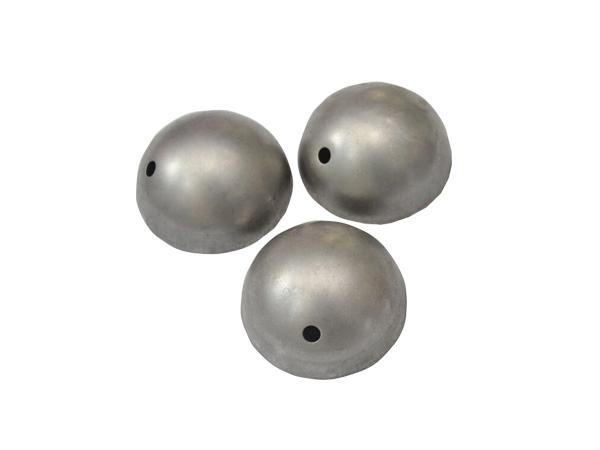
Lost wax casting, also widely known as investment casting, is an essential manufacturing process adopted across numerous industries to produce high-precision components. It is commonly utilized by artists to craft fine jewelry and detailed sculptures, as well as by engineers for manufacturing complex mechanical parts. With the continuous growth of the global lost wax casting market, it clearly demonstrates the extensive applicability and versatile value of investment casting in diverse fields and industries.
Key Takeaways
- Lost-wax casting is widely used in many fields, including jewelry, medical, and manufacturing. Its popularity stems from its extremely high precision, enabling the casting of various complex shapes. Modern tools, such as 3D printing and computer modeling, have greatly facilitated the lost-wax casting process. These tools allow for rapid design modifications, thereby improving accuracy. The lost-wax casting market is continuously expanding. The process produces products with smooth surfaces and extremely precise dimensions, making it ideal for creating objects with numerous intricate details.
Modern Applications of Lost Wax Casting
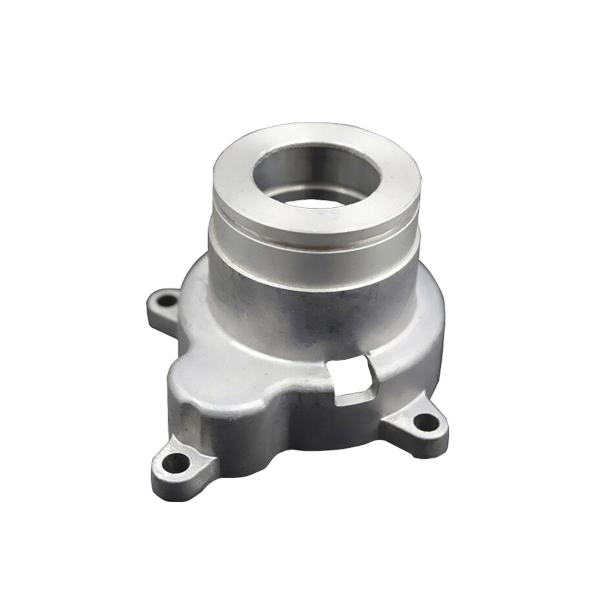
Jewelry & Art
Long-standing traditions include the use of lost-wax casting for jewelry and art. This method allows for the creation of intricately detailed metal objects from wax models. Today, many artists use bronze for sculptures and jewelry. The process begins with a wax model. Artists can sculpt by hand or use 3D printing. New technologies like digital modeling help them design shapes that were previously impossible.
Dental & Medical Devices
Dentists and doctors use lost-wax casting to create suitable tools and implants. This process uses stainless steel to manufacture surgical instruments and implants. Stainless steel is safe for the human body and durable. This method allows for the production of parts with extremely high precision, sometimes down to ±0.2 mm. This means less waste and fewer subsequent processing steps.
Medical device manufacturers use lost-wax casting to manufacture a variety of materials, such as metals and ceramics. Stainless steel parts do not rust, which is crucial for internal components. The process also reduces waste, thus protecting the environment.
Industrial Parts & Manufacturing
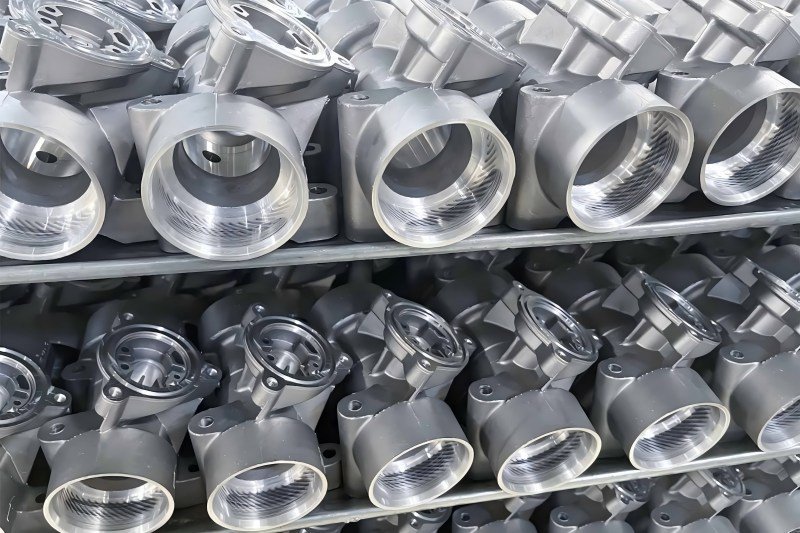
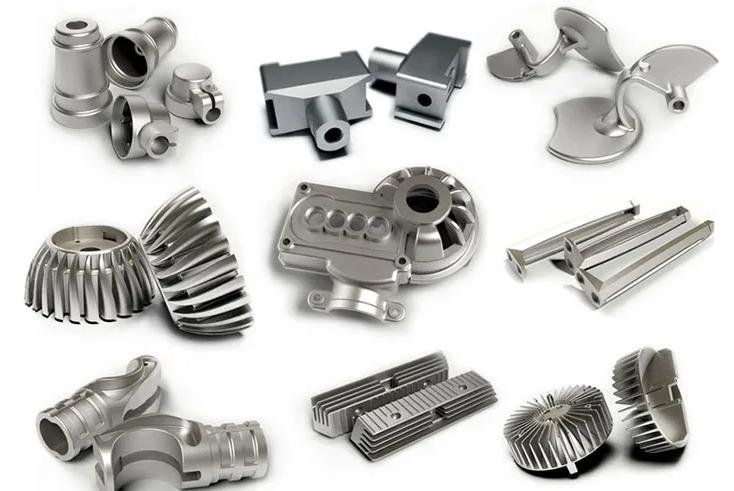
Factories use lost-wax casting to manufacture a wide variety of mechanical parts. This method can be used to manufacture pump bodies, valve parts, and other components that require precise fit. Bronze is ideal for manufacturing parts that require durability and resistance to rust. This process enables the high-precision manufacture of engine parts, brackets, exhaust components, and gears.
KEMING provides precision casting services for orders of all sizes. Their team can manufacture individual custom parts or mass-produce identical parts. This helps companies in numerous sectors, such as energy and mining, obtain the products they need.
The lost-wax casting process helps companies create complex-shaped parts with smooth surfaces. It saves material and reduces mold costs, making it a smart choice for mass-producing parts.
Automotive, Marine, and Railroad Castings
Automotive, marine, and rail companies use lost-wax casting to manufacture robust and safe components. KEMING utilizes this method to produce propellers, impellers, valves, and marine components. Marine components often use bronze because it does not rust in water.
| Industry | Example Parts | Benefits |
|---|---|---|
| Automotive | Engine blocks, gears | High accuracy, durability |
| Marine | Propellers, valves | Corrosion resistance, strength |
| Railroad | Couplings, housings | Robustness, safety |
Lost wax casting makes parts with smooth surfaces and exact sizes. It can make shapes with thin walls, which is important for cars and ships today. The process works with many strong alloys, like bronze, to fit each industry’s needs.
KEMING’s investment casting helps clients meet tough rules for safety and quality. They can handle both small and big jobs, so they can help with any project size.
Advancements in Lost Wax Casting
Digital Modeling and 3D Printing
New technology has changed how people make wax models. Designers use computers to create detailed shapes. They can print these shapes with 3D printers. This makes it easy to change designs fast. Projects move quicker because patterns are ready in days.
| Benefit | Description |
|---|---|
| Rapid Design Changes | 3D printing lets you update designs quickly and cheaply. |
| Reduced Lead Times | Patterns are finished in just a few days. |
| Complex Geometries | Hard shapes and undercuts are now possible to make. |
Many types of 3D printers can be used for lost-wax casting. SLA and DLP printers utilize light-curing resin to create smooth and highly detailed wax models. LCD printers build the model layer by layer. These tools enable the design of parts that were previously impossible to achieve.
Materials and Equipment Improvements
Higher-quality materials make casting more robust and secure. The use of metals such as stainless steel and bronze is increasingly widespread. These metals are strong and resistant to rust. New ceramic shells protect the wax model during the casting process, helping to reduce errors and produce higher-quality parts.
| Material Type | Benefits |
|---|---|
| High-performance metals | Stronger, resist rust, and handle heat better |
| Advanced ceramic shells | Fewer mistakes and more stable castings |
The factory utilizes robotics and computer-aided casting. Robots coat wax models with ceramic to ensure each shell is identical. Computer simulations of metal flow and cooling help workers identify problems before casting. Vacuum pouring and temperature monitoring ensure clean metal and prevent air bubbles.
KEMING employs CNC machine tools and intelligent quality inspection systems. Machines and sensors detect defects. Detailed inspections allow for early problem detection, ensuring part strength.
Lost-Wax Furnace Casting Technology
The lost-wax furnace casting process makes casting more precise. Workers place wax models into the furnace. High temperatures melt the wax models, forming a perfect mold. This method allows for precise temperature control. Metal fills every minute detail. The lost-wax furnace casting process prevents shrinkage and produces smooth parts.
KEMING uses this method to meet stringent requirements for strength and appearance. This reduces part scrap and lowers maintenance costs.
| Improvement Type | Description |
|---|---|
| Reduced Rejection Rate | Fewer bad parts, from over 10% to under 4%. |
| Enhanced Castability | Big gating systems keep metal clean and let out gas. |
| Economic Efficiency | Less work and faster jobs save money. |
Why Lost Wax Casting Remains Popular
Precision and Refinement
Lost-wax casting produces extremely precise parts. It allows for the creation of shapes that are difficult to achieve using other methods. This process can create thin walls and intricate details. Artists and engineers use bronze to create sculptures and mechanical parts. The finished products have smooth surfaces and fit together seamlessly. Most parts require almost no further finishing after casting.
| Feature | Lost-Wax Casting |
|---|---|
| Excellent Surface Finish | Ra 3.2–6.3 μm |
| High Dimensional Accuracy | ±0.005 in/in |
| Suitable for Complex Geometries | Yes (thin walls, undercuts, fine details) |
| Wide Material Compatibility | Stainless steel, aluminum, titanium, superalloys |
| Cost-effective for Medium to High Volumes | Yes |
Versatility in Materials
Lost wax casting works with many metals and alloys. Bronze is often used for jewelry, art, and boat parts. Steel and iron are good for machines and trains. Aluminum and copper help make detailed designs. Many industries use this process, like car makers and doctors.
| Material Type | Examples | Applications |
|---|---|---|
| Alloys | Steel, Bronze | Industrial components, medical implants |
| Pure Metals | Iron, Aluminum, Copper | Jewelry, intricate designs |
| Other Alloys | Various based on needs | Custom applications across industries |
Consistent Quality
Lost wax casting follows strict world rules for quality. Factories use special tools to check the metal. Workers follow ASTM, DIN, and JIS rules for each part. KEMING uses CNC machines and two casting lines to keep quality high. Their team checks every bronze part for defects and strength.
| Standard Type | Standards |
|---|---|
| ASTM | ASTM B505, ASTM B584, ASTM B30, ASTM B858, ASTM E8, ASTM E18, ASTM B117 |
| European | DIN 1705, BS 1400, EN 1982 |
| Japanese | JIS H5120, JIS H2202, JIS H3250 |
Lost Wax Casting vs. Other Methods
Sand Casting Comparison
Lost wax casting and sand casting both shape metal parts. They work best for different jobs. Lost wax casting uses a wax model to make a mold. Sand casting packs sand around a pattern. Factories pick lost wax casting for small, detailed parts. Sand casting is good for bigger, simple shapes. The table below shows how they compare:
| Feature | Lost Wax Casting | Sand Casting |
|---|---|---|
| Accuracy | Great for detail and precision | Less precise |
| Surface Finish | Smooth surfaces | Rougher surfaces |
| Cost | Higher tooling costs | Cheaper for big parts |
| Production Speed | Slower for complex parts | Faster for simple parts |
Bronze parts made using the lost-wax casting method are smooth and sharply defined. Sand casting cannot achieve this level of surface finish and precision. Many jewelers and artists use lost-wax casting to create bronze jewelry and sculptures.
Alternatives to Investment Casting
Other casting methods include shell casting and water glass casting. Shell casting uses a thin shell as a mold. It reveals details better than sand casting, but not as well as lost-wax casting. Water glass casting uses a liquid binder to hold the mold in place. This method is less expensive but cannot produce fine details. Factories typically use these methods to make simple bronze parts. For complex shapes, they use lost-wax casting.
All of these methods can be used to cast bronze. Lost-wax casting is best suited for creating small features. Shell casting and water glass casting are suitable for creating bronze items with less detail.
When is Lost-Wax Casting Preferred?
Lost-wax casting is the preferred method for many projects. It is chosen when:
- Big industrial bronze parts
- Medical implants that must fit well
- Fine bronze jewelry with delicate designs
- Complex engine parts like exhaust systems and valves
- Aerospace, medical, automotive, and jewelry jobs
Lost wax casting gives precision and makes complex shapes. Bronze castings from this process have smooth surfaces and exact sizes. Many industries use lost wax casting when quality and detail are important.
Lost-wax casting remains extremely important today. Many companies use it to manufacture parts requiring high precision and to create shapes that are difficult to form. The market for lost-wax casting continues to expand, with new concepts and patents emerging every year. Today, digital tools are also being used more extensively in this process. Experts believe that smart factories will adopt lost-wax casting more widely, and that green casting will contribute to environmental protection. Commin is a prime example of combining traditional craftsmanship with modern technology. This fully demonstrates how lost-wax casting can use ancient techniques and modern equipment to solve today’s challenges.
FAQ
What is Lost-Wa Casting?
Losed-wax casting begins with a wax model. Workers encase the wax model in a ceramic shell, then heat it to melt the wax, leaving a cavity inside the ceramic shell. Molten metal is poured into this cavity. This process can create metal parts with rich detail.
Which industries currently use lost-wax casting?
Losed-wax casting is widely used in various fields. Automakers use it to manufacture engine parts; shipbuilding companies use it to create robust metal components; train companies need it to manufacture safety components; jewelry manufacturers use it to create intricate designs; doctors use it to manufacture medical devices. Companies like Commin produce these parts for a variety of applications.
Why do manufacturers choose lost-wax casting?
Manufacturers prefer lost-wax casting because of its high precision. It can create shapes that are difficult to machine. The process is suitable for a variety of metals. It can create smooth surfaces and helps save material.
How does Commin ensure the quality of its investment casting?
Commin uses specialized CNC machine tools to manufacture parts. Their workers inspect each part for strength and defects. They adhere to international standards such as ASTM, DIN, and JIS to maintain high quality.