EN
EN  DE
DE  ES
ES  FR
FR 
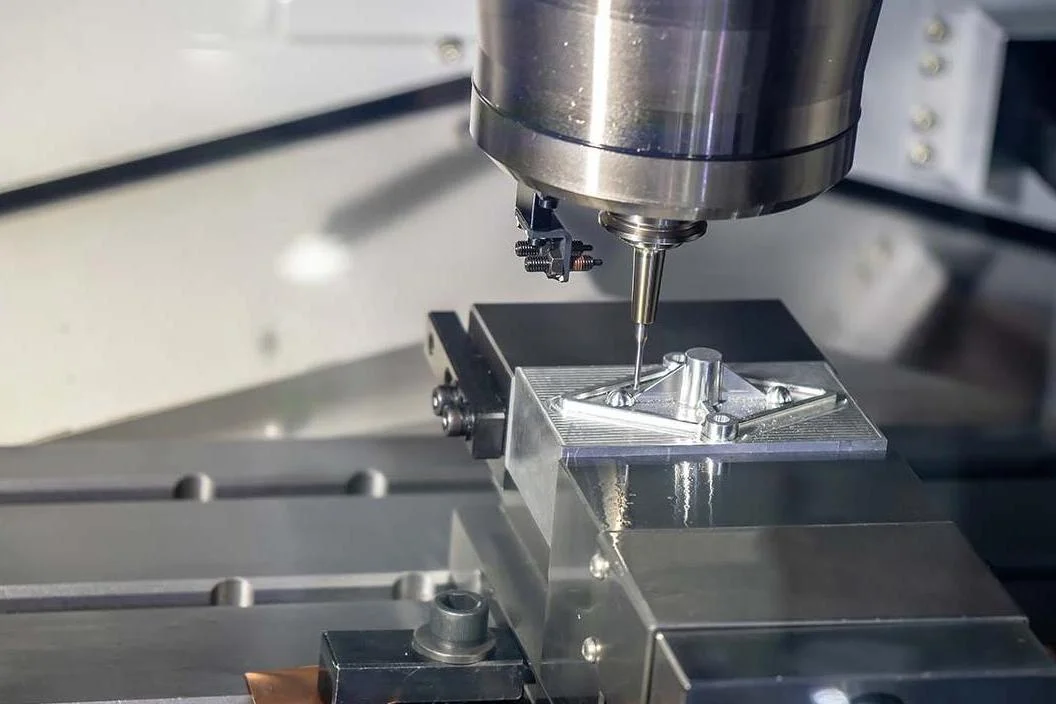
CNC aluminum machining is widely used across industries because aluminum offers excellent machinability, a high strength-to-weight ratio, and strong corrosion resistance. These advantages make CNC machined aluminum parts a reliable and cost-effective solution for applications that require precision, durability, and lightweight performance.
Key Takeaways
- Aluminum enables high-speed machining while maintaining strength and precision. This makes it great for many industries.
- Picking the right aluminum grade is very important. Different grades have special benefits like resisting rust and being easy to machine.
- Using the right tools and methods helps the machining process. It gives smoother surfaces and makes tools last longer.
- Good lubrication and cooling stop parts from getting too hot. This also makes the finished parts better.
- CNC aluminum parts are used in aerospace, cars, and electronics. They give dependable and efficient solutions.
Why Choose CNC Aluminum?
Aluminum Properties
Aluminum is a great pick for CNC machining because it has special physical and chemical features. It is not heavy because it has low density. These properties make aluminum ideal for lightweight and high-performance components. The table below lists some key features of aluminum:
| Property | Description |
|---|---|
| Density | About 2.7 g/cm³, almost one-third as heavy as iron |
| Thermal Conductivity | 200-220 watts/(m-km), helps heat move away fast |
| Corrosion Resistance | Makes a hard oxide layer in air, which protects it well |
| Machinability | Can be shaped by casting, extrusion, and other ways |
Aluminum does not rust easily because it makes a shield on its surface. Aluminum naturally forms a protective oxide layer, giving it strong corrosion resistance. The oxide layer can self-repair when damaged. So, the metal stays strong for a long time. Most aluminum alloys used in CNC aluminum jobs do not get damaged by normal corrosion. Anodizing can make the shield even tougher, which is helpful in hard places.
Aluminum is also tough, so it can take hits without breaking. These things make aluminum a smart pick for many jobs.
Advantages for Machining
CNC aluminum has many good points when being machined. Aluminum offers excellent machinability, allowing high-speed cutting, smooth chip removal, and reduced tool wear compared to harder metals like steel. Aluminum can be cut much faster than steel or titanium. This saves money and time.
There are many types of aluminum, like sheets, plates, and extrusions, that work well with CNC machines. These types let people design and make many different things. KEMING knows a lot about CNC machining and investment casting for aluminum parts. Their modern machines and skilled workers make sure the parts are high quality for both small and big orders.
Tip: Picking CNC aluminum helps makers build parts that are light, strong, and exact for many uses.
CNC Aluminum: Key Considerations
Best Grades
Picking the right aluminum grade is very important. Each grade has its own features. These features change how strong it is and how well it fights rust. They also change how easy it is to cut. The table below lists common aluminum series and what they are used for:
| Series | Main Alloying Element | Principal Characteristics | Typical Applications |
|---|---|---|---|
| 1000 | 99% Aluminum | Excellent electrical conductivity, strong corrosion resistance, excellent workability, low strength | Electrical conductors, chemical equipment, reflectors |
| 2000 | Copper | High strength, excellent fatigue resistance, limited corrosion resistance | Aerospace components, sporting goods, military equipment |
| 3000 | Manganese | Good workability, moderate strength, good corrosion resistance | Beverage cans, roofing, cooking utensils |
| 4000 | Silicon | Low melting point, good flow characteristics | Welding filler materials, casting parts |
| 5000 | Magnesium | Excellent corrosion resistance, moderate-to-high strength, good weldability | Shipbuilding, fuel tanks, marine structures |
| 6000 | Magnesium & Silicon | Medium strength, good corrosion resistance, good formability, weldability | Structural and aerospace components, automotive parts |
| 7000 | Zinc | Very high strength, less corrosion resistance | Aerospace components, military vehicles, weaponry |
| 8000 | Various | Varied properties, specialized uses | Aluminum foil, pharmaceutical packaging, battery foils |
Some grades are used more often for CNC aluminum. For example, 6061 is simple to cut and fits many jobs. 7075 is very strong and is used for tough tasks. 5052 is hard and does not rust easily, so it is good for boats. How hard or soft the grade is changes how the machine cuts it. Softer grades can stick to tools. Harder grades make tools wear out faster. Machinists need to choose the best grade for each job.
Tooling
The tools for CNC aluminum must fit the metal’s features. Sharp tools help make smooth cuts and nice surfaces. The table below shows common tool types and what they do:
| Tool Type | Key Features |
|---|---|
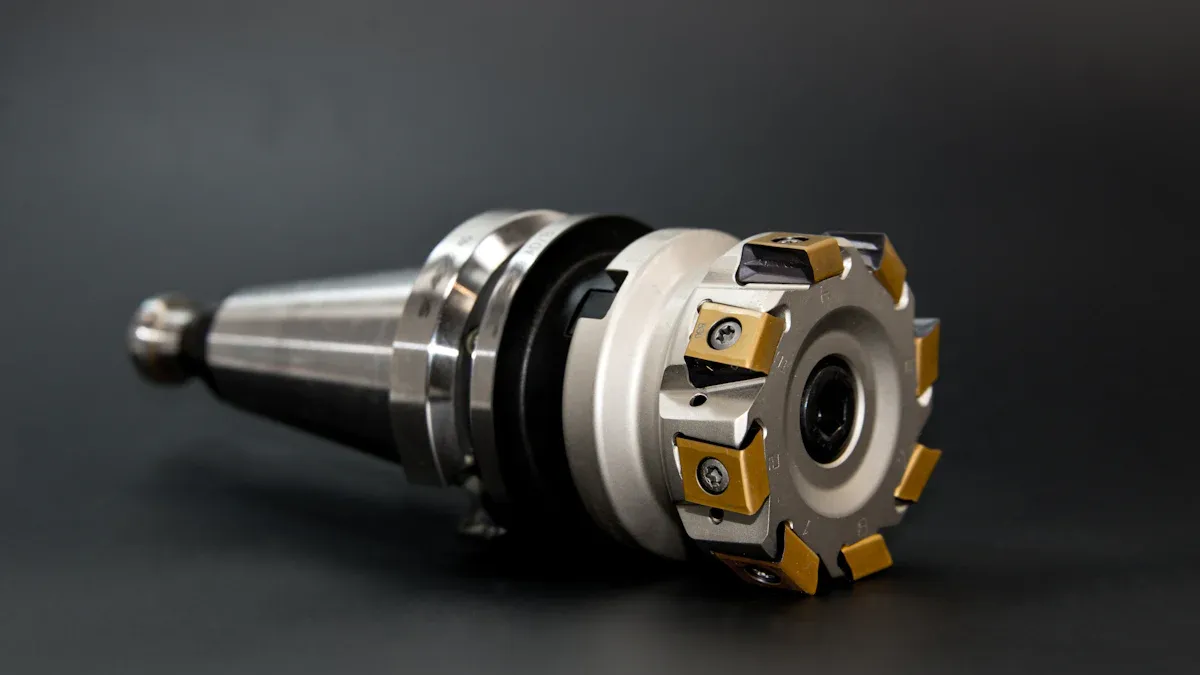
| End Mills | High-flute (3–4 flutes) for surface finish; variable-pitch to reduce vibration |
| Ball Nose End Mills | Ideal for 3D contouring and smooth finishes on complex shapes |
| Face Mills | Positive rake angles and polished flutes to minimize chip adhesion |
| Drills and Twist Drills | Sharp point angles (118–135°); carbide bits for high-speed |
| Router Bits | Efficient for softer alloys and thin plates with minimal burr formation |
Tool material is important. Carbide and PCD tools last longer and cut faster. Good tools make the surface look better and keep sizes exact. Strong tools make less waste and save money. Machinists use special cutting paths, like trochoidal milling, to lower force and work faster.
Tip: The right tool makes CNC aluminum faster and better.
Lubrication/Cooling
Lubrication and cooling keep tools safe and make the finish better. Coolants take away heat and move chips out of the way. The table below lists common ways to cool and lubricate:
| Method | Description |
|---|---|
| Coolants | Reduce heat, protect tools, clear chips |
| Straight Oils | Prevent sticking, ensure precision |
| Water-soluble Emulsion | Versatile and economical |
| Semi-synthetic Fluids | Improved lubrication |
| Full Synthetic Fluids | Excellent cooling and lubrication properties |
Water-soluble fluids are used a lot because they work well and cost less. Semi-synthetic and full synthetic fluids cool and lubricate even better. Straight oils are good for lubrication but do not cool as much. Good cooling stops tools from wearing out and keeps the surface nice. Coolants also help move chips away, which makes the part better.
- The right coolant and lubrication control heat while cutting.
- Coolants help keep things steady and stop metal from growing.
- Good cooling moves chips away and makes surfaces smoother.
Speeds/Feeds
Machinists must pick the right speeds and feeds for CNC aluminum. Softer metals, like 1100, can be cut faster. Harder metals, like 7075, need slower speeds to keep tools safe. The tool type and shape also change how fast you can go. Tools with fewer flutes can go faster but may not make the best finish. Machinists watch and change speeds to get the best results.
- 6061 aluminum can be cut at higher speeds.
- 7075 aluminum needs slower speeds and feeds.
- Softer metals are good for detailed work.
Wrong speeds and feeds can cause problems. Cutting too fast makes too much heat and wears out tools. Wrong feed rates make the surface rough and take more time. Low feed rates make tools shake and slow down the work.
| Issue | Effect on Quality | Effect on Efficiency |
|---|---|---|
| High cutting speeds | Excessive heat leads to tool wear | Shortens tool endurance |
| Incorrect feed rates | Poor surface finishes | Increases machining time |
| Low feed rates | Causes tool vibration (chatter) | Decreases machining speed |
Machines
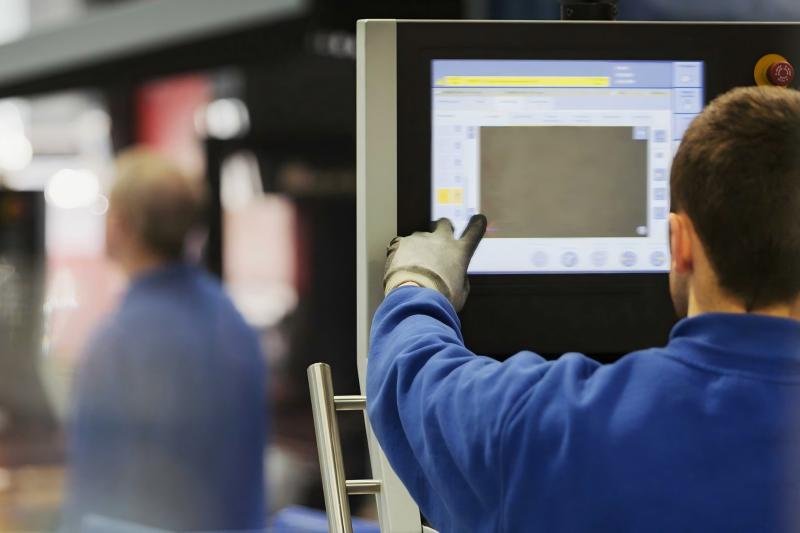
The kind of CNC machine changes how CNC aluminum turns out. Machines must be strong and spin fast to make clean edges and stop shaking. The table below lists common CNC methods and what they are good for:
| CNC Method | Advantages | Applications |
|---|---|---|
| CNC EDM | Precision in hard-to-reach areas, high tolerance, complex shapes | Molds, dies, aerospace, medical devices |
| CNC Laser Cutting | High precision, fast speed, smooth edges | Construction, automotive, electronics |
| CNC Water Jet Cutting | Cold cutting, no deformation, wide thickness range | Aerospace, automotive |
| CNC Milling | Complex geometries, multi-axis cutting | Various aluminum components |
| CNC Turning | Efficient for round parts, fast cycles, excellent finish | Shafts, bushings, housings |
CNC milling is used for making hard shapes. CNC turning is best for round things like shafts and bushings. Machines must be strong to make good edges and stop shaking. The spindle speed must be right to stop overheating and help chips move away. Clean edges mean the machine is working well and chips are moving right. Heat must be managed because too much speed can make the surface look bad.
Note: The right machine and setup help CNC aluminum projects work well and fast.
Challenges and Solutions for CNC Aluminum Materials
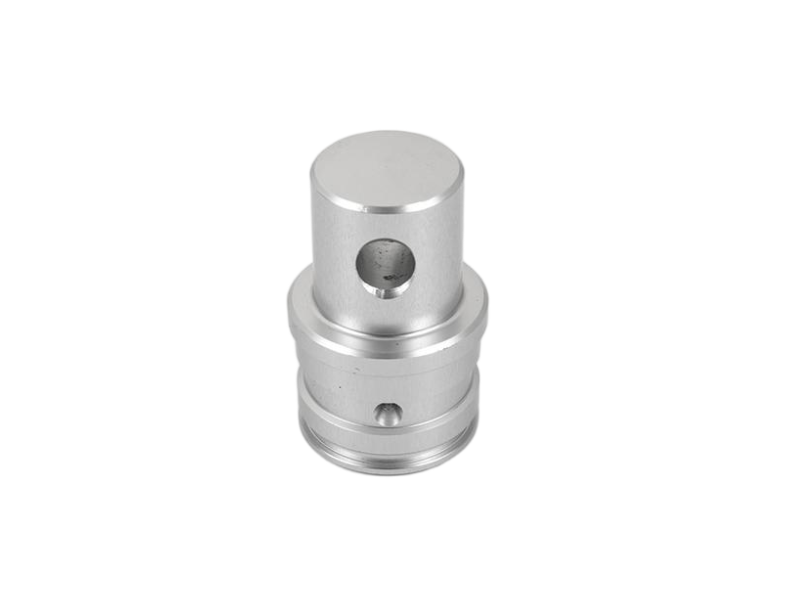
Chip Welding Prevention
Machinists sometimes have trouble with chip welding when cutting aluminum. Chips can stick to the tool and make the surface rough. This can also hurt the tool. There are ways to stop this from happening:
- Sharp end mills made for aluminum help chips not stick.
- Changing how deep you cut and how fast you feed lowers heat.
- Using oil along the cutter path keeps chips from welding.
- Cutting with vibration or shaking breaks up long chips.
The shape of the tool is important. Polished flutes and high helix angles help chips move away and lower friction. Diamond-Like Carbon coatings make the tool slippery and stop material from sticking. These ideas help chips leave the tool and keep cutting smooth.
Tool Wear Management
Tools can wear out fast when cutting aluminum. Aluminum is easy to cut, but this can make tools dull quickly. Chips can build up on the tool and make the work look bad. When the tool gets dull, it can bend more.
| Technique | Description |
|---|---|
| Optimizing Cutting Parameters | Balancing speed, feed rate, and depth of cut manages tool wear and boosts productivity. |
| Selecting Appropriate Cutting Tools | High-quality tools with proper geometry and coatings extend tool life. |
| Implementing Coolant Strategies | Effective coolants and lubrication prevent overheating and ensure smooth machining. |
| Advanced Toolpath Strategies | Trochoidal milling reduces cutting forces and improves material removal rates. |
| Regular Tool Wear Monitoring | Tracking tool wear maintains precision and avoids inaccuracies. |
These methods help machinists keep tools sharp and get good results.
Achieving Surface Finish
A smooth surface is important for many aluminum parts. Many things can change how the surface looks:
| Factor | Description |
|---|---|
| Workpiece Material | Hardness and machinability affect the finish. |
| Coolant and Lubrication | Reduces temperature and tool wear, improving surface quality. |
| Fixturing and Workholding | Secure holding prevents movement and vibrations that can degrade the finish. |
| Post-Machining Processes | Grinding and polishing remove imperfections and enhance surface quality. |
Polishing and buffing make the surface shiny. Grinding and sanding smooth out rough spots. Anodizing makes the part last longer. Diamond tools cut very well and make smooth parts. High RPM and the right feed rates help make perfect finishes. Coolants and lubricants keep the surface nice while cutting. Good tool paths make the finish even.
CNC Aluminum Applications
Common Parts and Industries
Many industries use CNC aluminum parts. These parts are light and strong. They do not rust easily. This makes products safer and work better. Here are some main industries and parts:
- Aerospace: Aircraft fittings, wing ribs, frames, avionics housings
- Automotive: Engine parts, transmission cases, chassis, wheels
- Electronics: Laptop housings, smartphone cases, heat sinks
- Medical Devices: Handles for surgical tools, equipment parts
- Defense: Parts for military vehicles, weapons systems
- Marine: Ship parts, marine vessel components
- Food Processing: Mixer blades, machine frames
- Prototyping: Rapid prototypes for new designs
Aluminum is used for parts that must be strong and light. Aircraft frames and car engine brackets often use aluminum alloys. Electronics makers pick aluminum for device housings. Aluminum helps manage heat and protects sensitive parts.
KEMING makes custom and large batches of CNC aluminum parts. Their advanced machines and skilled team help many industries. They make reliable and precise components.
Quality and Precision
Quality and precision are very important for CNC aluminum parts. This matters most in fields like aerospace and automotive castings. Different CNC processes help make tight fits and smooth surfaces. The table below shows how each process helps:
| Process | Benefit | Application Area |
|---|---|---|
| CNC Grinding | Smooth surface finish, tight tolerances | Aerospace, Automotive |
| CNC Reaming | Accurate and smooth holes | Precision applications |
| CNC Turning | Strict dimensional accuracy | Automotive |
| CNC Drilling | Consistent hole size and placement | Mass production |
Note: Aluminum’s resistance to corrosion and light weight help parts last longer and work better in many industries.
CNC machining for aluminum is a trusted and fast way to make parts. It also helps save money. The table below shows the main good points:
| Advantage | Description |
|---|---|
| Lightweight | High strength-to-weight ratio, ideal for aerospace and automotive applications. |
| Corrosion Resistance | Natural resistance to corrosion, suitable for harsh environments. |
| High Machinability | Easier to machine than many metals, allowing for high-speed cutting and reduced tool wear. |
| Good Thermal Conductivity | Efficient heat dissipation, useful in electronic cooling components. |
| Surface Finish | Suitable for various finishes, enhancing both aesthetics and functionality. |
| Cost-Effective | Widely available and affordable, lowering manufacturing costs, especially in mass production. |
CNC aluminum machining is quick and makes parts very exact. It often works better than other ways of making things. KEMING offers CNC and investment casting services you can trust. They help with custom jobs and big orders.
FAQ
What is CNC aluminum machining?
CNC aluminum machining uses computers to control machines. These machines shape aluminum into parts. The process makes parts that are exact and can be made again and again. Many industries use CNC aluminum because the parts are strong and light.
Which industries use CNC aluminum parts?
Aerospace, automotive, electronics, and marine industries use CNC aluminum parts. These parts are strong and do not weigh much. They also resist corrosion. Manufacturers pick aluminum for many different jobs.
How does CNC aluminum improve product quality?
CNC aluminum machining makes parts with tight fits and smooth surfaces. This process helps lower mistakes and makes parts more reliable. Products last longer and work better.
Can CNC aluminum parts be customized?
Manufacturers can change CNC aluminum parts for special designs. They can adjust the shape, size, and finish to fit what is needed. Custom parts help solve unique problems.
What surface finishes are possible with CNC aluminum?
Machinists can add finishes like anodizing, polishing, or powder coating to CNC aluminum parts. These finishes make the parts look better and protect them from damage.