EN
EN  DE
DE  ES
ES  FR
FR 
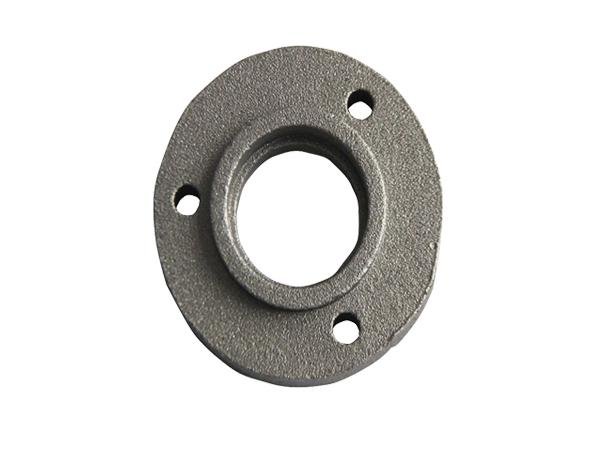
The sand casting process produces iron parts by pouring molten metal into sand molds. This method is cost-effective, allows materials to be reused, and supports the creation of complex shapes using a wide range of alloys. It is also relatively fast and does not require expensive tooling. Shell mold sand casting is widely used in automotive, aerospace, and industrial manufacturing because it provides improved dimensional accuracy and surface finish compared with conventional green sand casting.
Key Takeaways
- Sand casting is a cost-efficient metal forming process that allows mold materials to be recycled and supports both low-volume and high-volume production of iron components.
- Shell mold sand casting provides improved surface roughness (typically Ra 3.2–6.3 μm) and tighter dimensional tolerances compared with traditional green sand casting. This method works well for hard shapes.
- Safety is very important when melting and pouring iron. Workers must follow rules to stop accidents. These rules help keep everyone safe.
Sand casting process overview
What is Sand Casting?
Sand casting is a metal casting process in which molten iron is poured into a sand mold cavity formed around a pattern. This process has been used for over 1,000 years and remains one of the most widely applied casting methods in heavy industry. To make the mold, workers mix sand with a binder and other materials. The mold matches the shape of the part they want to make. Hot iron is poured into the mold. After cooling, the finished piece is taken out. Sand casting can make both small and large parts. This makes it useful for many industries.
Key Steps in the Process
Sand casting uses several steps to turn materials into iron parts. Each step helps make sure the part is strong and correct.
- Sand Preparation: Workers mix sand with a binder and other things. This makes the sand strong enough to keep its shape.
- Pattern Making: They make a pattern that matches the part. The pattern includes a shrinkage allowance (typically 0.8%–1.3% for gray cast iron) to compensate for metal contraction during solidification.
- Molding: The pattern is pressed into sand to make a cavity. The mold has two halves that fit together.
- Melting: Iron is heated until it turns into liquid.
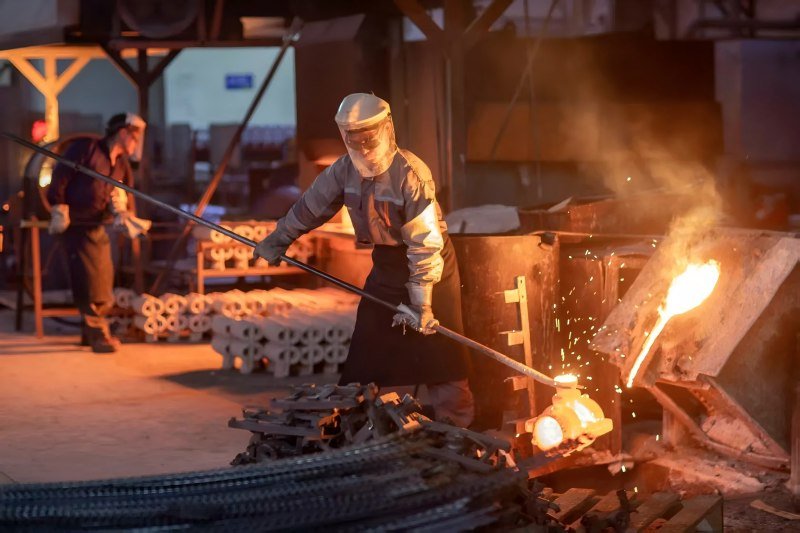
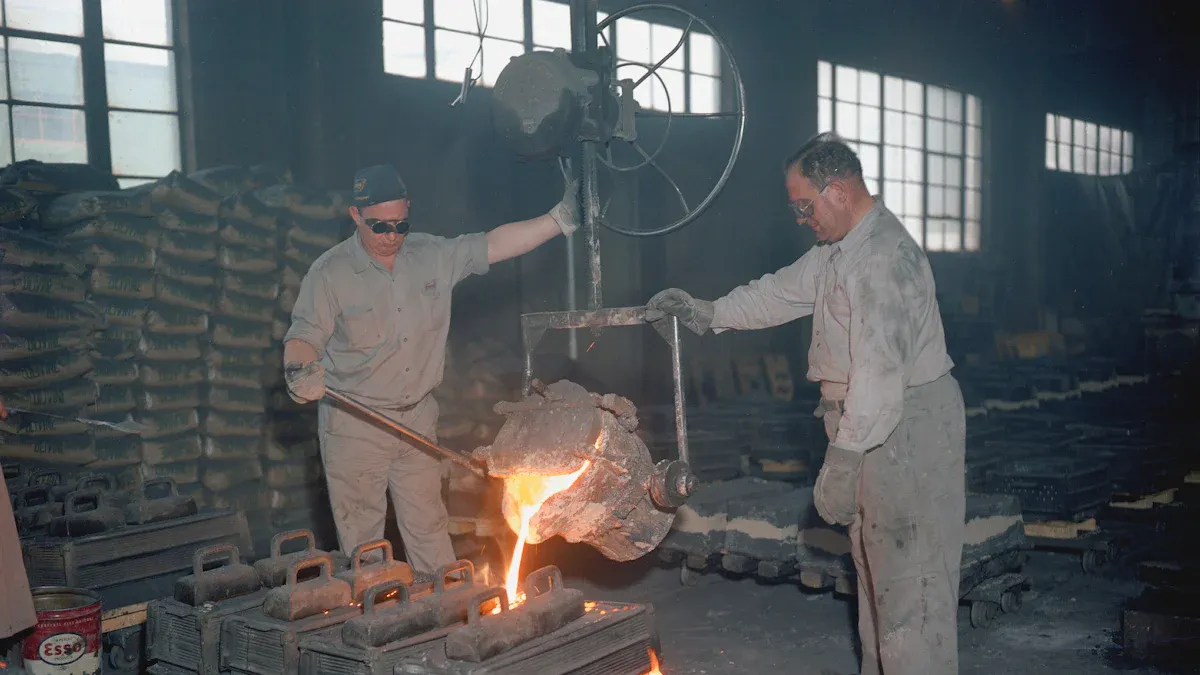
- Molten Metal Pouring: Hot iron is poured into the mold. Workers pour slowly to stop bubbles or cracks.
- Sand Removal: When the iron cools and hardens, the sand mold is broken away.
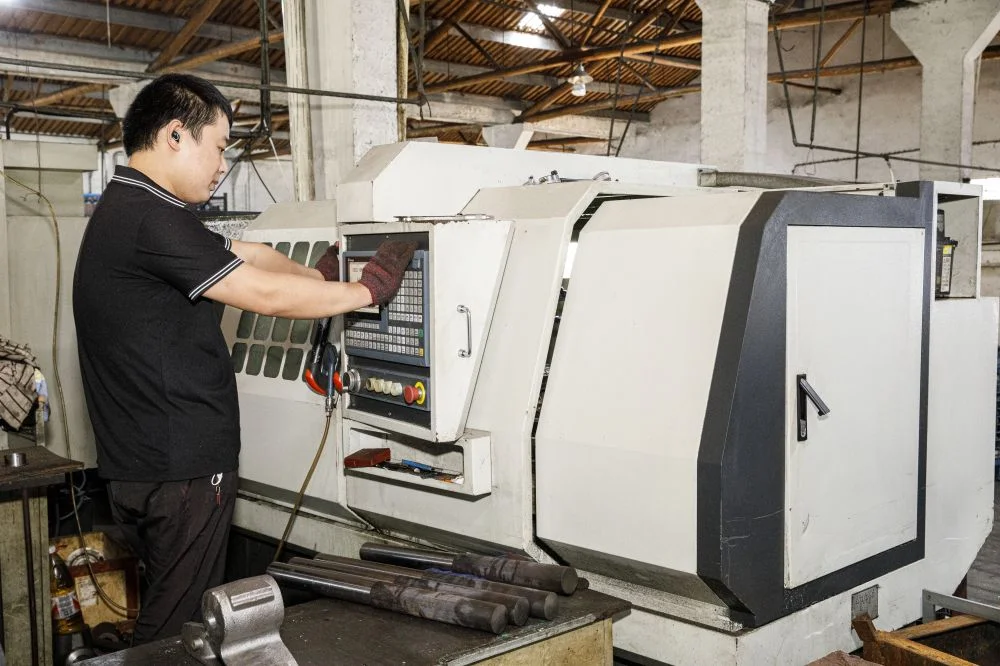
- Grinding: Workers smooth rough edges and remove extra material.
- Inspection: The finished part is checked for quality and accuracy.
Tip: Sand casting can make many shapes and sizes. This helps manufacturers create custom parts for different needs.
Comparing Traditional and Shell Mold Sand Casting
There are two main types of sand casting. These are traditional sand casting and shell mold sand casting. Each type has special features for different jobs.
Traditional sand casting uses regular sand. It works well for simple shapes. Shell mold sand casting uses sand mixed with resin. This makes a smoother surface and allows for more detailed parts. Shell molds need less draft, so the sides can be straighter. This method can save money because it needs less extra work.
Keming Machinery’s Expertise in Shell Mold Sand Casting
Keming Machinery is a leader in shell mold sand casting. The company uses advanced resin-coated sand molds. These molds help make parts with high precision and smooth surfaces. Keming Machinery makes castings for many industries. These include automotive casting, aerospace casting, medical casting, and energy casting.
| Sector | Keming’s Expertise | Industry Standards |
|---|---|---|
| Automotive | High precision and durability for complex shapes. | Needs parts to handle tough conditions and corrosion. |
| Aerospace | Products are strong and resist corrosion. They meet strict standards. | Needs high-quality materials and precision for safety. |
| Medical | Makes high-quality surgical tools and hospital equipment parts. | Must follow strict health and safety rules. |
| Energy | Makes parts for power generation with complex shapes and good finishes. | Needs high performance and reliability in tough conditions. |
Keming Machinery’s shell mold sand casting process helps companies get reliable and accurate parts. These parts are used in important machines and equipment. Their skill and technology make them a trusted choice for high-quality iron castings.
Sand casting mold design and fabrication
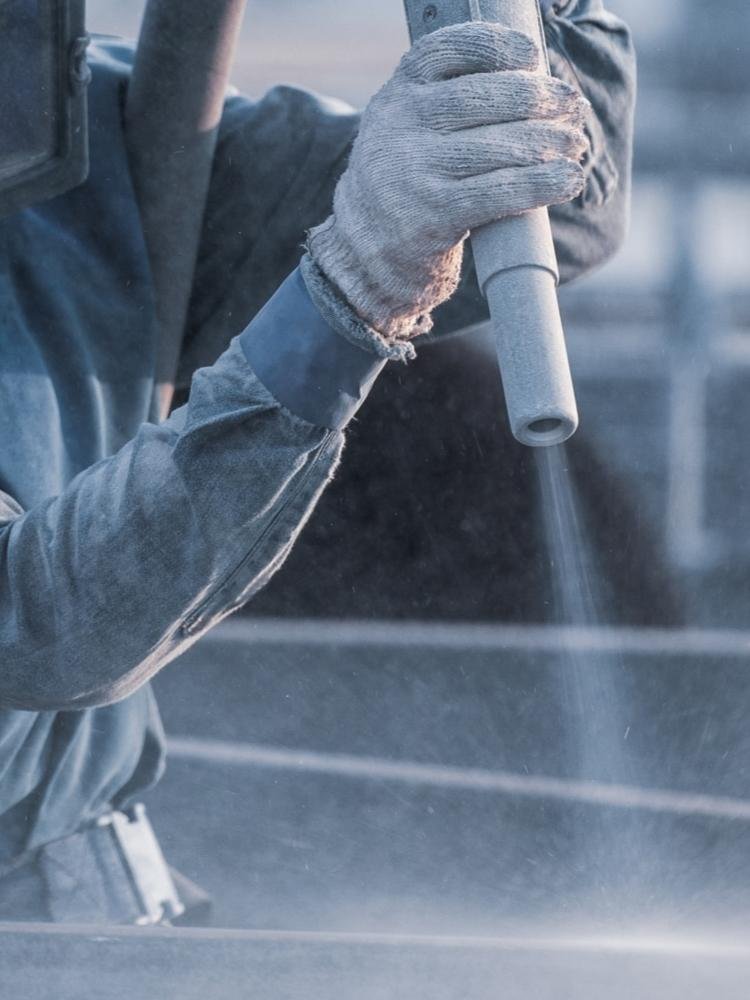
Creating the Pattern
Patternmaking is a key step in the casting process. The pattern shapes the mould and decides how the final iron casting will look. High-quality patterns help workers make accurate moulds. This accuracy is important for getting the right size and a smooth surface on the casting. If the pattern has mistakes, the casting may have defects or not fit the needed shape. Inaccurate pattern design can lead to dimensional deviation, mismatch defects, and increased machining allowance in the final casting. These problems can cause waste and make it hard to meet exact needs. Good patterns also help workers make the casting process faster and more consistent.
Patterns for sand casting can be made from different materials. The most common ones are wood and metal. Some patterns use plastics, resin, or even wax. Each material has its own strengths. Wood is easy to shape and costs less. Metal lasts longer and keeps its shape well. Other materials like rubber, ceramic, and fiberglass are also used for special jobs. The choice of material depends on the size, shape, and number of castings needed.
Tip: A well-made pattern can improve the quality of every casting and reduce waste in the mould shop.
Resin-Coated Sand Shells
Shell mould sand casting uses a special kind of sand. In shell molding, silica sand is coated with thermosetting phenolic resin, which cures under heat to form a rigid shell structure. This resin-coated sand forms a hard shell when heated. The shell becomes the mould for the iron casting. Using resin-coated sand gives many benefits in the casting process.
Here is a table showing the main advantages of resin-coated sand in shell mould sand casting:
| Advantage | Description |
|---|---|
| Dimensional Accuracy | The mould gives close tolerance, so the casting fits well. |
| Surface Finish | The casting has a smooth surface, which means less cleaning. |
| Production Efficiency | The mould cures fast, so workers can make more castings quickly. |
| Good Flowability | The sand fills the mould well, making clear shapes in the casting. |
| Collapsibility | The mould breaks away easily, so the casting is easy to clean. |
Resin-coated sand helps workers make complex moulds and cores. The mould has good strength and flowability, so the casting comes out with the right shape. The thermosetting reaction allows rapid curing (typically within 30–60 seconds), significantly improving production cycle time. The shell mould also makes it easier to clean the casting after it cools.
Preparation for sand casting
Mixing and Packing Sand
The preparation of the sand mould is a key part of the casting process. Workers start by placing the pattern inside a flask. They use a special mixture of sand and resin to create the shell mould. This resin-bonded sand gives the mould its strength and shape. The process for mixing and packing sand includes several steps:
- Workers prepare the pattern for the mould.
- They pack the resin-coated sand tightly around the pattern.
- If the casting needs a hollow space, they place a sand core inside the mould cavity.
- The packed sand forms a strong shell that will hold the molten iron during casting.
- The mould is allowed to harden before moving to the next step.
This process helps the mould keep its shape and size. The resin in the sand makes the shell mould strong and smooth. Workers can create detailed shapes for the casting with this method.
Note: A well-packed sand mould reduces the risk of defects in the final casting.
Forming the Shell Mold
The shell mould process uses a thin layer of sand and resin. Workers heat the pattern, then apply the resin-coated sand. The heat causes the resin to cure, forming a hard shell around the pattern. This shell becomes the mould for the casting. The process gives several advantages over traditional sand casting.
- The process allows for better dimensional accuracy and tighter tolerances.
- Workers can make more complex designs with the shell mould.
- The shell mould cures quickly, making the casting process more efficient.
The table below shows how the shell mould process compares to traditional sand casting:
| Feature | Shell Molding | Traditional Sand Casting |
|---|---|---|
| Surface Finish | Smoother and less rough | Relatively rough |
| Dimensional Accuracy | Better with tighter tolerances | Higher likelihood of inaccuracies |
| Design Complexity | Allows for intricate designs | Limited design capabilities |
Shell moulds help workers produce high-quality castings with less extra work. The process saves time and gives better results for industries that need precise parts.
Smelting and pouring of sand casting molds
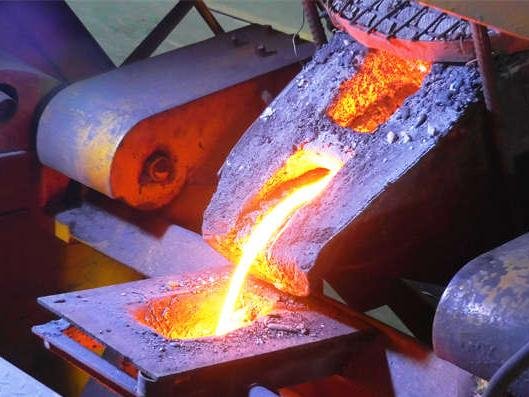
Melting Iron Safely
Safety is very important when melting iron. Workers must always follow safety rules. They use special tools to handle the hot metal. These steps keep everyone safe in the casting area.
Some important safety steps are:
- Workers use dry tools that can handle heat. Wet tools can be dangerous and cause problems.
- Training teaches workers about heat risks and how to avoid burns.
- Work areas are kept clear during pouring to stop accidents.
- Local exhaust ventilation systems are required to control silica dust and combustion gases generated during mold preparation and pouring.
- Machines and tools are checked often to make sure they are safe.
- Fire extinguishers are close by, and workers practice fire drills.
- Workers get safety training and practice emergency drills often.
Iron melts at very high temperatures. The temperature depends on the type of metal. The table below shows melting points for different iron and steel types:
| Alloy Type | Approximate Melting Range (°C) |
|---|---|
| Pure Iron | 1,538 |
| Gray Cast Iron | 1,150–1,200 |
| White Cast Iron | 1,150–1,200 |
| Ductile Iron | 1,150–1,250 |
| Wrought Iron | 1,480–1,520 |
| Low-Carbon Steel | 1,425–1,530 |
| High-Carbon Steel | 1,390–1,480 |
| Stainless Steel | 1,400–1,500 |
| Iron-Nickel Alloy | 1,450–1,500 |
| Galvanized Iron | ~1,500 |
Molten iron is typically superheated to 1,350–1,450°C before pouring to ensure proper fluidity and complete mold filling. This helps the metal flow well into the mold.
Pouring Molten Iron
Pouring hot metal into the mold is a careful job. Workers pour the metal slowly and steadily. This helps stop problems in the finished casting.
To make strong and smooth castings, workers use these methods:
| Technique | Description |
|---|---|
| Gating System Optimization | The gating system controls how metal flows into the mold. It stops splashing and rough movement. |
| High-Quality Mold Materials | Good sand and binders protect the mold from hot metal. |
| Mold Sand Maintenance | Fresh sand keeps the mold strong and helps the metal fill every space. |
| Pouring Parameter Control | Workers change the flow and temperature for the best results. |
| Refractory Coatings | Special coatings protect the mold from the hot metal. |
Proper gating and riser design ensures directional solidification and reduces shrinkage porosity in critical sections. This helps the metal cool and harden evenly. Sometimes, they change the metal mix for better results.
Pouring mistakes can cause problems in the casting. Here are some common problems and how to fix them:
| Defect Type | Causes | Prevention Methods |
|---|---|---|
| Cold Shots | Splattering or low temperature | Pour slowly, use good gating system |
| Cold Shut/Lap | Metal from two gates does not join | Use better gating, raise pouring temperature |
| Misruns | Metal cools before filling the mold | Check mold design, keep metal hot |
| Slag Inclusion | Slag in the metal | Remove slag before pouring |
Tip: Careful pouring and good mold design help workers make strong, high-quality castings. Every step with the metal changes how the casting turns out.
Cooling, demolding, and finishing of sand casting molds
Cooling and Mold Removal
After pouring, the iron must cool inside the mold. Shell molds are single-use, which allows for high detail and precision. This lets workers make detailed shapes and precise castings.
Workers use different ways to remove the cooled casting:
- Mechanical shelling shakes the shell off with vibration.
- High-pressure water jets break the shell and core apart.
- Shot blasting or sand blasting cleans off leftover sand and shell.
- In small shops, workers use tongs to lift the casting out.
- Big factories use machines to shake sand off the casting.
These steps protect the casting and keep its shape.
Cleaning and Finishing
Next, workers clean and finish the casting. They cut off extra metal parts like gates and risers. Then they clean the surface to remove sand and rough spots. Shot blasting takes off scale and residue. Grinding and filing smooth sharp edges and rough areas. Vibratory finishing polishes the casting and removes loose bits.
Post-casting operations such as shot blasting, grinding, and heat treatment ensure the casting meets dimensional, mechanical, and surface quality requirements defined by industry standards (e.g., ASTM or ISO specifications). These steps remove defects and make the surface better. They also make the part harder and stronger. Each step helps the casting meet industry standards.
Tip: Careful cleaning and finishing help the casting last longer and work better.
A finished casting goes from raw to ready-to-use. This process matters most for industries like automotive and aerospace, where quality is very important.
Sand casting iron uses several steps. First, workers make a pattern. Then, they prepare the mold. Next, they pour hot metal into the mold. After that, the metal cools. Finally, workers finish the casting. Shell mold sand casting improves precision, reduces machining, and supports complex geometries efficiently.
| Benefit | Description |
|---|---|
| High Precision | Thin molds help parts fit exactly. |
| Excellent Surface Finish | Smooth surfaces mean less work after casting. |
| Cost Efficiency | Quick mold making saves money. |
| Complex Geometries | Detailed shapes are easy to make. |
When properly designed and controlled, shell mold sand casting provides high structural integrity, repeatable dimensional accuracy, and reduced post-processing requirements for iron components.
FAQ
What is shell mold sand casting?
Shell mold sand casting uses sand with resin to make a hard shell. Workers heat the pattern and cover it with this special sand. The shell forms the mold for the iron part.
Why do industries choose shell mold sand casting?
Industries like this method because it is fast and accurate. It helps make tricky shapes in less time. Keming Machinery gives good help to car, plane, and medical companies.
How does Keming Machinery ensure casting quality?
Keming Machinery uses strong resin-coated sand and checks every step. Their team looks for mistakes in each casting. They always follow rules for strength and exact size.
Can shell mold sand casting make small and large parts?
Shell mold sand casting can make both big and small parts. Workers change the mold size and sand mix as needed. This helps many companies get the parts they want.