EN
EN  DE
DE  ES
ES  FR
FR 
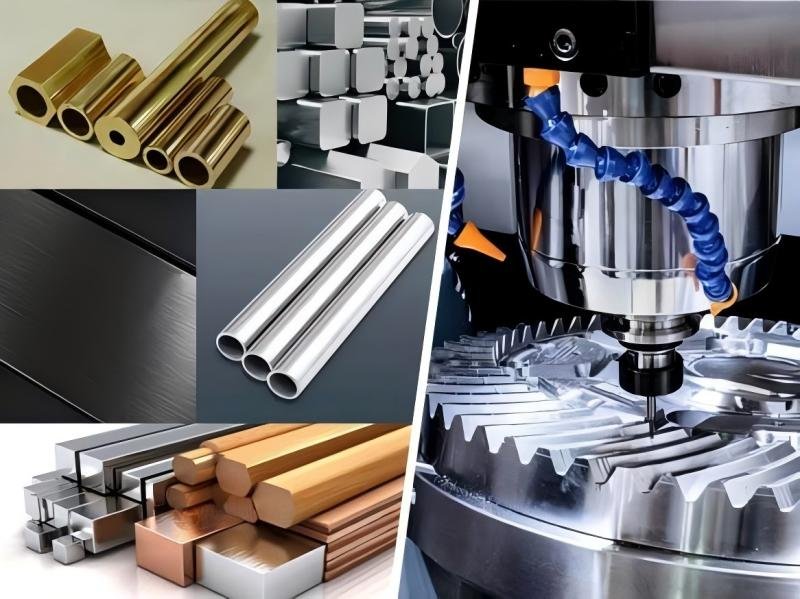
Vertical and horizontal CNC milling machines differ. The main difference lies in the spindle direction. This affects how each machine clamps and cuts material. This is crucial because manufacturers want to save time and costs. In 2023, vertical CNC milling machines held a 54.61% global market share. Coming offers advanced CNC machining and precision casting services. These services help industries such as automotive, marine, and agricultural machinery parts achieve ideal machining results.
| Feature | Vertical Milling Machines | Horizontal Milling Machines |
|---|---|---|
| Cost | Usually cost less | Cost more at first |
| Material Removal Rate | Slower, takes off less material at a time | Faster, takes off more material at once |
| Ideal Use | Good for small shops and making a few items | Good for making many items and big parts |
Key Takeaways
- Vertical CNC milling machines have a vertical spindle. This makes them ideal for machining small parts. They are also well-suited for machining intricate parts and prototypes.
- Horizontal CNC milling machines have their spindles located on the side, which helps them remove material faster and is better suited for machining larger, harder parts.
- You can choose between vertical or horizontal CNC milling machines depending on your project needs. Consider the size of the parts, the complexity of the machining, and the required quantity.
- Vertical milling machines are generally less expensive and easier to operate. Horizontal milling machines are faster and better suited for mass production of parts.
- Both types of CNC milling machines can machine a variety of materials. Horizontal milling machines are best suited for machining harder metals, while vertical milling machines are better suited for machining softer materials.
Core Principles of CNC Milling
Vertical CNC Milling Overview
Vertical CNC milling machines use a spindle that moves up and down, cutting from above. The operator can easily observe the work area, allowing for better monitoring of the machining process. These machines are typically used for machining small parts and complex shapes. Many machining workshops use vertical CNC milling machines for jobs requiring fine machining.
Vertical CNC milling lets operators see clearly and set up fast. They can switch tools quickly. This makes it great for prototypes and custom parts.
- Vertical CNC milling uses spinning cutters to take away material.
- It makes complex shapes and features.
- The machine moves in many directions, so it is flexible.
Horizontal CNC Milling Overview
The spindle of a horizontal CNC milling machine points to the side. The cutting tool approaches the workpiece from the side. This allows the machine to machine larger and heavier parts. Horizontal CNC milling can remove more material faster. Many factories use this type of machine to produce large quantities of parts and machine hard materials.
Horizontal CNC milling employs advanced cutting methods. The machine can use multiple tools simultaneously. This increases machining speed and reduces waiting time. Operators choose horizontal CNC milling for jobs requiring speed and intensity.
Horizontal CNC milling is suitable for parts requiring deep cutting or high-intensity machining. The machine can machine multiple faces of a part without moving the part itself.
Both vertical and horizontal CNC milling machines use rotary cutting tools and can move in multiple directions. These characteristics help manufacturers create complex parts for numerous industries.
Design Differences Between Vertical and Horizontal CNC Mills
Spindle Orientation
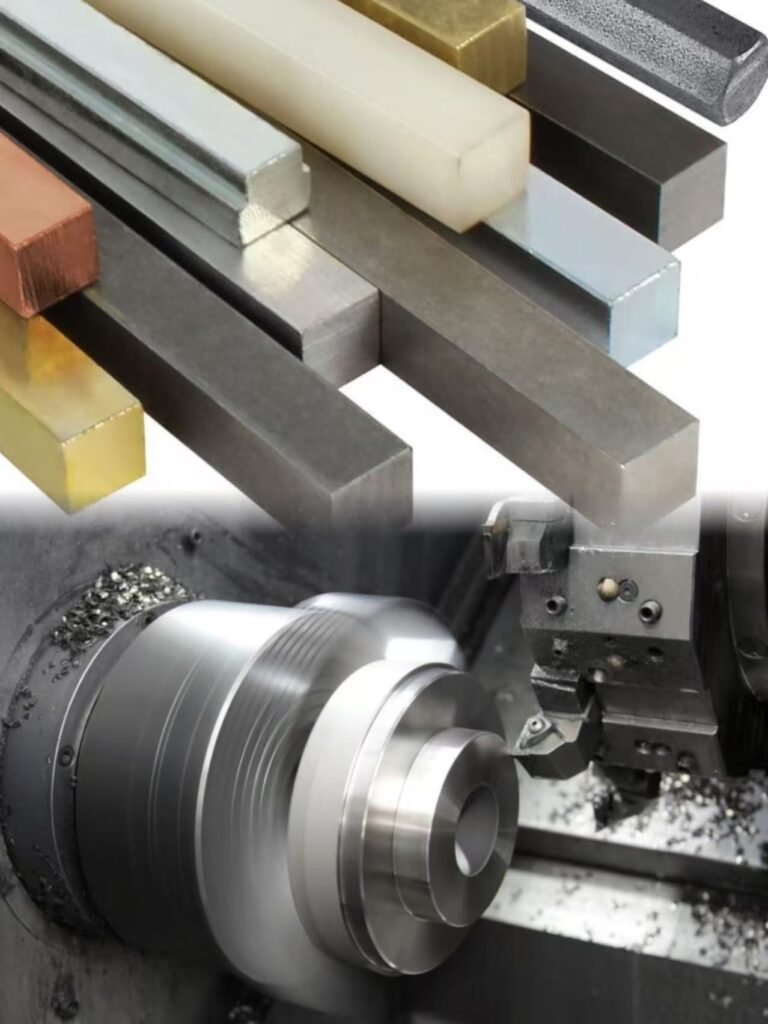
The spindle orientation is the main difference between vertical and horizontal CNC milling machines. In a vertical CNC milling machine, the spindle is positioned above the workpiece, which helps the operator better observe the cutting area. The vertical spindle allows the operator to perform very precise cutting, thus improving machining accuracy. Operators can process minute details in special jobs. Newer vertical CNC milling machines employ intelligent systems that control the spindle speed and depth of cut, giving the machine both precision and flexibility.
- A vertical spindle allows operators to perform more detailed and precise cutting.
- Operators can perform fine design work.
- The CNC system helps control the spindle speed and depth of cut.
In a horizontal CNC milling machine, the spindle is located next to the worktable. This layout is advantageous for machining large parts and handling complex jobs. The spindle orientation of a horizontal milling machine helps remove material faster and clear chips better.
Tool Types & Cutting Capabilities
The two types of milling machines use different tools and cutting techniques. Vertical CNC machine tools use tools such as end mills and face mills. These tools are best suited for simple machining and small cutting volumes. Workers find vertical machine tools easier to operate and less expensive for machining small parts.
Horizontal CNC milling machines use a wider variety of tools, such as cutter spindles and multiple cutting tools. These machines can perform more complex machining and remove large amounts of material. Horizontal milling machines offer faster cutting speeds and higher quality. They can perform multiple cuts simultaneously and remove chips without stopping the machine. Factories use horizontal milling machines to manufacture high-quality parts that meet stringent standards.
- Horizontal machine tools are faster and better suited for machining complex workpieces.
- Vertical machine tools are easier to operate, lower in cost, and better suited for machining simpler workpieces.
- Horizontal milling machines offer faster cutting speeds and higher machining quality.
- They can perform multiple cuts simultaneously and remove chips without stopping the machine.
- They are capable of producing high-quality parts that meet stringent standards.
Workpiece Handling
In CNC milling, how the operator sets up and moves the part is crucial. Vertical CNC milling machines offer the operator a better field of vision when setting up parts and are better suited for simple tasks such as drilling. These machines are best suited for machining small or medium-sized parts and parts with simple shapes. Operators can set up quickly, but chip removal can be more difficult.
Horizontal CNC milling machines are suitable for machining large and complex-shaped parts. These machines are more powerful and versatile. Operators use end mills and tool holders when machining many parts. Horizontal milling machines have excellent chip removal capabilities, thus keeping the work area clean. Although setup times are longer, these machines can machine more complex parts.
| Feature | Vertical CNC Mill | Horizontal CNC Mill |
|---|---|---|
| Versatility | Not as versatile, uses fewer tools | More versatile, can use end mills and arbors |
| Rigidity | Not as strong | Usually stronger |
| Ease of Use | Easier for simple jobs like drilling | Harder for drilling and boring |
| Visibility | Easier to see when setting up | Harder to see, can be tricky |
| Cost | Usually costs more | Often costs less |
| Type of CNC Mill | Workpiece Size | Suitability for Complexity | Setup Time | Chip Removal Efficiency |
|---|---|---|---|---|
| Vertical Machining Center (VMC) | Small to Medium | Not as complex | Faster | Has trouble |
| Horizontal Machining Center (HMC) | Bigger | More complex | Slower | Works well |
Workers choose vertical or horizontal CNC milling machines based on part size and machining methods. The difficulty of the work and their working methods vary. Each machine is suitable for different jobs in the factory.
Pros and Cons of Vertical and Horizontal CNC Milling
Vertical CNC Machines Advantages
These machines are less expensive for small to medium-sized machining tasks. Operators find them easy to set up and use. The vertical spindle and open worktable allow workers quick access to parts. The CNC system helps ensure the accuracy and consistency of each part. Vertical CNC machine tools can perform a variety of machining tasks, from drilling to milling. They are ideal for designing new parts and mass-producing parts. This makes them ideal for factories that need to constantly change their production content.
Tip: Vertical cnc machines help shops save money and time when making custom parts or prototypes.
Vertical CNC Machines Disadvantages
There are limitations on the size and height of parts. This means that some parts cannot be installed. Poor chip evacuation can damage surface finish and cutting tools. These machines remove less material compared to horizontal machine tools. It is difficult to complete the machining of complex parts in a single setup. Chips can get stuck in holes and grooves, wearing down cutting tools and generating heat. Poor coolant flow can also cause cutting tools to overheat or even break.
Horizontal CNC Machines Advantages
| Benefit | Description |
|---|---|
| Enhanced Productivity and Speed | Chips fall away fast, so parts get made quicker. |
| Improved Tool Life and Efficiency | Good chip clearing helps tools last longer and saves money. |
| Versatility in Material Handling | Can work with many materials, so fewer special machines are needed. |
| Complex Machining Operations | Can cut many sides of a part in one setup. |
Note: Horizontal machining center lets the machine keep working with little help, so factories can make more parts fast.
| Machine Type | Maintenance Ease | Annual Cost Range |
|---|---|---|
| Vertical CNC | Easier to fix | $5,000 – $8,000 |
| Horizontal CNC | Harder to fix | $8,000 – $12,000 |
Horizontal CNC Machines Disadvantages
These machines have a higher initial investment cost, so small machining workshops may not purchase them. Furthermore, it can be difficult to find workers who know how to operate and maintain these machines. They occupy a larger workshop space. Some machining workshops still use outdated machines, so not all workshops use horizontal CNC machine tools.
Horizontal cnc machines are fast and can do many jobs, but they need more money and skilled workers.
Applications & Materials for Vertical vs. Horizontal CNC Milling
Precision Work & Detailed Cuts
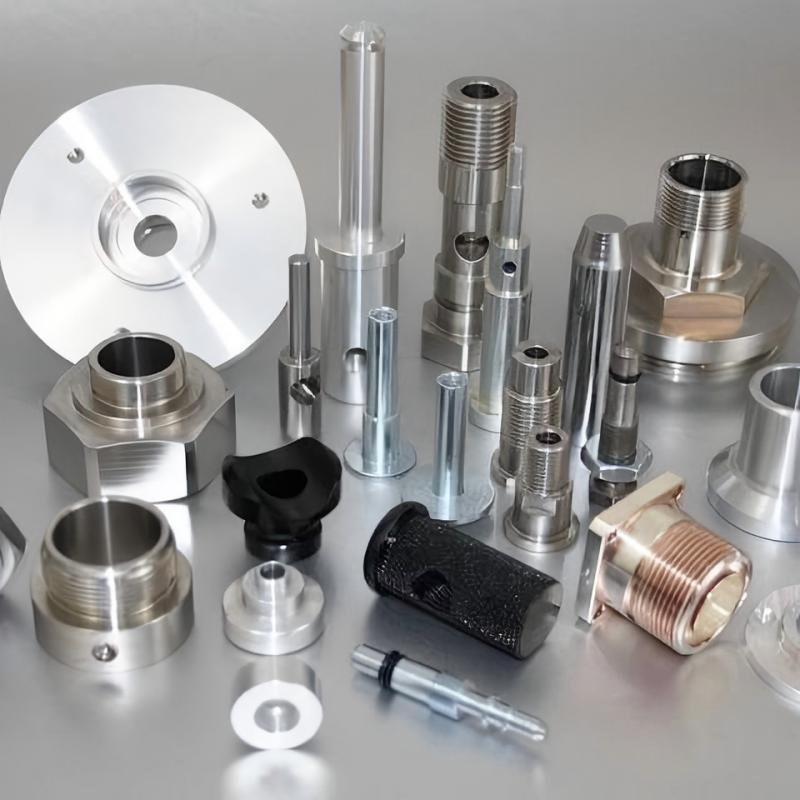
Vertical CNC milling machines are ideal for machining parts with fine details. Many industries use these machines for precision machining. Workers use vertical milling machines to create small and complex parts. These machines help them quickly prototype and create custom designs. Operators have a clear view of the cutting area, allowing for inspection of each part.
| Industry | Applications |
|---|---|
| Automotive | Engine blocks, transmission parts, special fixtures, brackets, gears |
| Aerospace | Light parts, instrument panels, important steering equipment |
| Electronics | Motherboards, hardware, engraved numbers, tiny features |
| Medical | Medical tools, exact parts, quick production with special designs |
Vertical CNC milling can make parts from very small to very big sizes. Workers use these machines for molds, dies, jigs, and fixtures in factories. Defense teams also use vertical mills for weapon system parts.
Heavy-Duty Material Removal
Horizontal CNC milling machines are ideal for handling high-difficulty machining and removing large amounts of material. These machines use side-mounted spindles and large cutting tools. Operators can remove more material in less time. Factories choose horizontal milling machines to produce large quantities of parts and machine hard materials. The design allows for rapid chip removal, keeping the tool cool and extending its lifespan.
Horizontal milling is ideal for machining multiple parts at once. It can cut simultaneously, making it best suited for high-volume production. Workers use horizontal milling machines when speed and strength are required. These machines offer better surface finishes and help extend tool life.
Horizontal CNC milling machines are best suited for factories that need to produce large quantities of parts quickly and handle hard materials.
Suitable Materials
Vertical CNC milling machines are ideal for machining aluminum and cast iron. These materials are easy to shape and cut. Operators typically use vertical milling machines for parts requiring fine machining.
Horizontal CNC milling machines can machine hard materials such as nickel alloys and titanium. Workers must keep runout low to avoid waste and maintain high profits. High-nickel alloys and high-manganese alloys are more difficult to machine due to their high hardness. Operators choose horizontal milling machines for these materials when machining parts requiring high strength and long service life.
- Aluminum
- Cast Iron
- Nickel Alloy
- Titanium
- High Manganese Alloy
Choosing the right CNC milling machine depends on the material and machining requirements. The factory will match the appropriate machine to the part to achieve the best machining results.
Choosing the Right CNC Milling Machine
Project Requirements
Choosing the best CNC milling machine begins with understanding the project requirements. The size and shape of the part are crucial. Vertical milling machines are suitable for small parts and fine cutting. Horizontal milling machines are more suitable for large or heavy parts. If a part has many faces, horizontal milling is usually required. Horizontal milling machines have a faster material removal rate.
| Factor | Description |
|---|---|
| Size and shape of workpiece | Helps pick vertical or horizontal milling. |
| Number of planes to machine | Changes the choice if the part is complex. |
| Material removal rates | Makes the job faster or slower. |
| Precision and surface finish | Needed for good quality. |
| Production volume | Helps choose for big or small jobs. |
| Cost constraints | Decides which machine fits the budget. |
Tip: The shape and precision of a part will affect the accuracy of machining. Long, thin, or deep parts may require specialized machines to prevent tool bending.
Cost & Space Considerations
When choosing a machine, both budget and space are important. Vertical CNC machine tools take up less space and are suitable for small workshops. Horizontal machine tools require more space and are suitable for large factories. Price is also important. Vertical machine tools are generally cheaper. Horizontal machine tools are more expensive but have faster processing speeds.
| Machine Type | Footprint Requirement |
|---|---|
| Vertical CNC | Smaller, more compact |
| Horizontal CNC | Larger, needs more space |
- Vertical machines are good for shops with less money and space.
- Horizontal machines are best for factories with more money and room.
Industry Examples
Many industries choose the appropriate CNC milling machine based on their specific needs. Jewelry manufacturers use vertical CNC machine tools to machine intricate designs. Aerospace companies choose horizontal machine tools to machine high-strength, structurally complex parts. Auto repair shops use both types of CNC machine tools to manufacture new and custom parts. Medical device manufacturers use CNC machine tools to create precision tools and implants. Schools and hobbyists use CNC engraving machines for learning and small projects.
| Industry/Company | Application Description | Outcomes |
|---|---|---|
| Custom Jewelry and Art Pieces | CNC engraving makes fancy patterns and custom designs. | Faster work and more complex designs. |
| Aerospace Component Manufacturing | Makes light and strong parts with tight measurements. | Better performance and lighter turbine blades. |
| Automotive Prototyping and Customization | Makes new and custom parts for cars. | Quicker work and special solutions. |
| Medical Device Production | Makes exact tools, implants, and prosthetics. | Better patient care and safer products. |
| Educational and Hobbyist Projects | CNC engravers help with learning and small jobs. | More creativity and skill for students and hobbyists. |
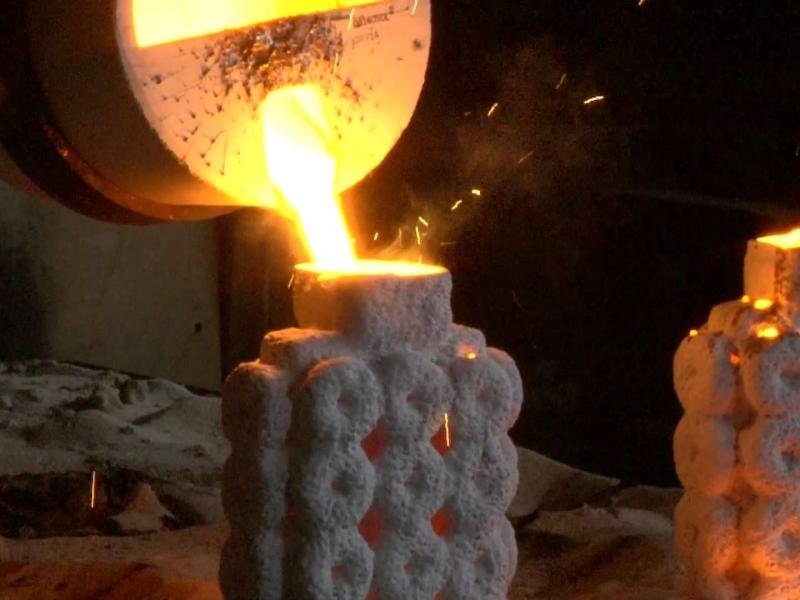
With over 20 years of experience, Commin supports various industries. Its advanced CNC machining and precision casting services help customers achieve accurate and consistent machining results. Commin utilizes modern workshops and investment casting processes to manufacture complex metal parts with precise dimensions and smooth surfaces.
Vertical and horizontal CNC milling machines are not the same. They differ in spindle direction, tool shape, and price. Manufacturers need to consider the following factors:
- Design complexity
- Materials used
- Number of parts required
- Budget and space
Commin’s CNC machining services provide accurate and consistent machining results. They use specialized inspection tools and rigorous quality control processes to ensure high product quality. The following table lists the common tolerances for its machining processes:
| Machining Process | Standard Tolerance |
|---|---|
| CNC Milling (3-axis) | ±0.005 inches (±0.127 mm) |
| CNC Milling (5-axis) | ±0.005 inches (±0.127 mm) |
KEMING helps industries pick the best machine for each job. This makes sure the results are correct and trustworthy.
FAQ
What are the main differences between vertical and horizontal CNC milling machines?
The biggest difference lies in the spindle mounting method. The spindle of a vertical milling machine moves up and down, while the spindle of a horizontal milling machine moves left and right. This changes the way the two machines cut and hold materials.
Which CNC milling machine is more suitable for beginners?
Vertical CNC milling machines are most suitable for beginners. They are simple to set up and use, and the operator can clearly see the machining process. Many factories use them for practice and small-batch production.
Can the two machines machine the same materials?
Yes, both machines can machine metals such as aluminum, steel, and iron. Horizontal milling machines are better suited for machining harder metals, while vertical milling machines are better suited for machining softer metals and manufacturing delicate parts.
Why do factories choose horizontal CNC milling machines when machining large parts?
Factories choose horizontal CNC milling machines for machining large parts because these machines have faster cutting speeds, can handle large parts, and easily remove chips. This helps factories quickly produce large quantities of parts.
Does Komin offer both vertical and horizontal CNC machining services?
Yes, Komin provides advanced CNC machining services. Their team uses both vertical and horizontal machine tools. They help clients select the best machining solution for each machining project.