EN
EN  DE
DE  ES
ES  FR
FR 
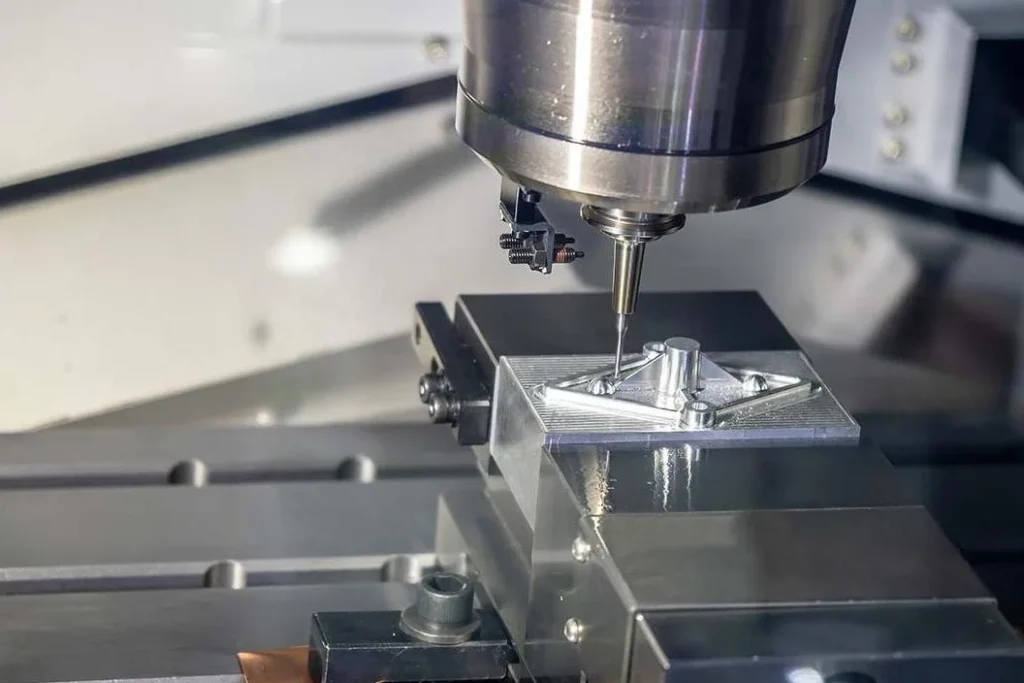
Precision milling is a core process in advanced CNC Machining Services, producing parts with exact sizes and smooth surfaces. This process is very important in modern manufacturing. It helps make parts that must meet strict rules. CNC technology has changed precision milling a lot. Machines can now work fast and very accurately. Operators can reach tight tolerances and make fewer mistakes. CNC systems help keep high precision and better surface finishes. They also help with nonstop production. KEMING uses advanced CNC milling machines for complex shapes and quick prototypes. Their custom CNC milling makes sure every part meets top standards for precision and manufacturing.
Key Takeaways
- Precision milling produces parts with tight tolerances and superior surface finishes, making it essential in modern manufacturing.
- CNC technology improves accuracy and efficiency, reducing human error and increasing repeatability.
- Material selection directly affects machining precision and product performance, especially in high-tolerance applications.
- Quality control systems such as real-time inspection and automated measurement ensure consistent standards.
- Advanced multi-axis CNC machines enable complex geometries and faster production cycles.
CNC precision milling process
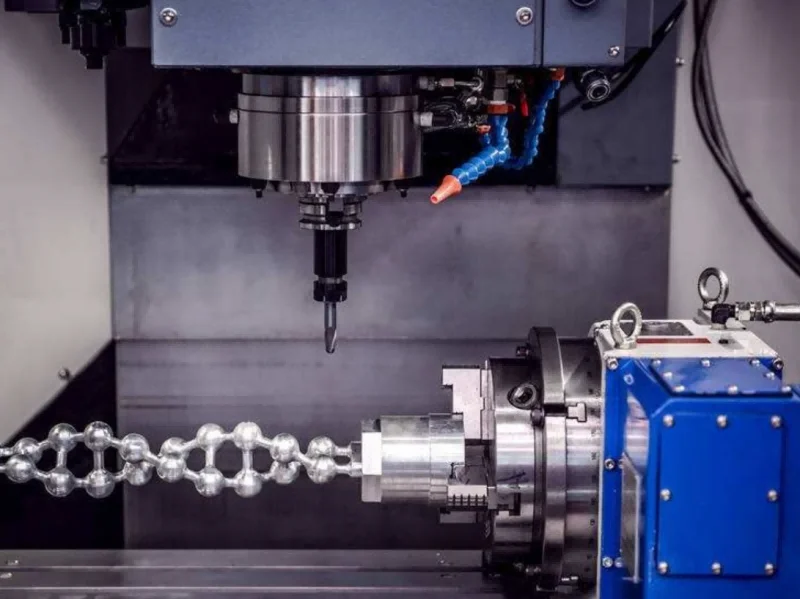
What is precision milling?
Precision milling removes material using computer-controlled tools to achieve complex geometries and tight tolerances. CNC machines follow set instructions to shape materials. Operators use CNC systems to get very close measurements and high accuracy.
CNC precision machining has different milling operations. Face milling makes flat surfaces and is used in cars and planes. Plain milling makes even surfaces and is good for tool and die making. Side milling cuts slots and grooves and controls the width well. Each type helps work faster and makes surfaces better.
CNC precision machining gives steady results for tough jobs. Operators trust it to make parts with close measurements and smooth finishes.
Step-by-step CNC milling workflow
CNC precision machining follows steps to keep things accurate and fast. The process starts with a digital design and ends with checking the part. Each step helps keep the work exact.
- Designers use CAD software to make a digital model. This model shows the part’s shape and size.
- Engineers use CAM software to turn the design into CNC machine instructions.
- Operators set up the CNC machine and pick the right cutter for the material.
- The CNC machine follows the program and cuts away extra material.
- Operators watch the cutting and use coolant to protect the part and tool.
- When finished, inspectors check the part for size and surface quality.
CNC precision machining uses these steps to make parts fast and with high accuracy.
Key factors for high precision
Many things affect how exact CNC machining is. Multi-axis CNC machines help get very close measurements. These machines move tools in four or more ways, so they can make hard shapes and angles. They do not need many setups, which keeps everything lined up and exact. The cutting tool stays near the part, so there are fewer shakes and better surfaces.
Picking the right material also matters for precision. Operators choose the best material for each job to meet the rules for making things. Setting up the machine and picking the right tool helps keep close measurements and work fast.
Multi-axis CNC machines make work faster and more exact. They help operators make parts with hard shapes and great finishes.
The table below shows the usual tolerances in CNC precision machining:
| Tolerance Type | Range |
|---|---|
| Critical Features | ±0.01–0.02 mm |
| Select Features | Down to ±0.0025 mm |
| General CNC Jobs | ±0.05 mm |
| Advanced Precision | ~3.2–1.6 μm |
The process helps make work fast and custom for every project.
Machines for cnc precision milling machining
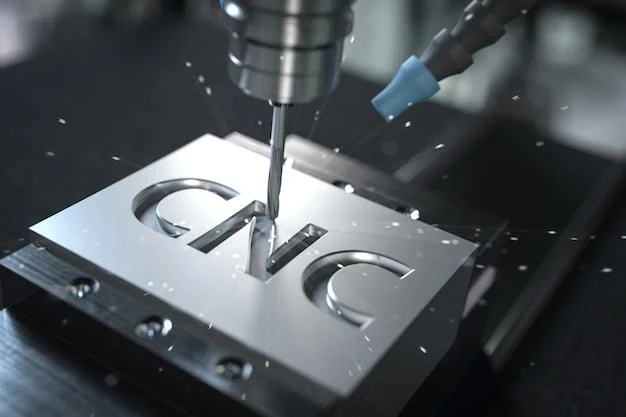
3-axis, 4-axis, and 5-axis CNC machines
CNC machines are important for making very exact parts. KEMING uses advanced cnc machines for hard shapes and close measurements. There are three main types: 3-axis, 4-axis, and 5-axis. Each one is good for different kinds of jobs.
A 3-axis cnc machine moves the tool in three ways: X, Y, and Z. This type is best for simple parts. A 4-axis cnc machine can also spin, so it makes more detailed parts. The 5-axis cnc machine moves the tool in five ways. It can reach almost any angle. This helps make deep cuts and tricky shapes. The 5-axis cnc machine is the most exact and flexible.
5-axis cnc machines cut from many sides without moving the part. This saves time and keeps the work very exact.
Here is a table that shows how 3-axis and 5-axis cnc machines are different:
| Factor | 3-Axis | 5-Axis |
|---|---|---|
| Cutting tool movement | X, Y, Z axes | X, Y, Z, plus A and B rotational axes |
| Efficiency | Good | Excellent, quick |
| Tool changes | Multiple setups needed | Minimal, works from different angles |
| Capabilities | Simple shapes | Deep cuts, complex shapes |
| Accuracy | Good | Excellent |
| Applications | Simple parts | Complex components, many industries |
Specialized equipment for high precision
Precision cnc machines use special tools to get the best results. KEMING uses many kinds of equipment to make sure every part is perfect.
- CNC precision lathes spin parts to make them very exact.
- Milling machines cut and shape materials for good results.
- Renishaw probes check parts during cutting to find mistakes.
- End mills take away extra material fast and neatly.
- Face mills make flat surfaces before more cutting.
- Reamers make holes bigger while keeping them very close to size.
- Coordinate measuring machines (CMMs) check hard shapes without touching the part.
KEMING also uses thermal compensation systems to keep cnc machines working right. High-resolution encoders watch the tool’s spot very closely. These systems help keep close measurements and make sure every part matches the plan.
Their focus on being exact and using new technology helps industries that need special and reliable parts.
Materials for high precision cnc milling machining
Picking the right material is very important for precision. The best material helps keep close measurements and good quality. KEMING uses many metals and plastics for different jobs. Their team picks materials that fit the project’s strength, look, and price. This careful picking helps with high precision cnc machining and ultra-precision machining.
Metals (aluminum, stainless steel, brass)
Metals are used a lot in precision work. Each metal has special things it is good at. Aluminum is light and easy to cut. Stainless steel is strong and does not rust. Brass is simple to cut and looks nice. KEMING uses these metals for aerospace, medical, and electronics parts.
| Metal | Properties |
|---|---|
| Aluminum | Lightweight, durable, excellent machinability, corrosion resistance; used in aerospace and electronics. |
| Stainless Steel | Strength, corrosion resistance, ease of machining; used in medical instruments, automotive parts. |
| Brass | Excellent machinability, corrosion resistance, aesthetic appeal; used in locks, bearings, plumbing fixtures. |
Picking the right metal helps tools last longer and keeps work exact. Some metals, like titanium, are hard to cut and need special tools.
Plastics and composites
Plastics and composites are also good for making exact parts. These materials are light and can do tough jobs. KEMING uses plastics like PEEK, acetal, and polycarbonate for parts with special shapes or that need to fight chemicals. Composites are strong and are used when metals are too heavy.
| Material | Key Properties | Applications |
|---|---|---|
| PEEK | Exceptional mechanical and chemical resistance, high temperature resilience | Aerospace, medical, automotive |
| Acetal | Easy to machine, impact resistance, keeps shape well | High-stress industrial applications |
| Polycarbonate | Toughness, optical clarity, high impact resistance, UV resistance | Industries needing transparency |
| HDPE | Strength, chemical resistance, electrical insulation | Fluid systems, electrical insulators |
Finishing services make plastic parts look better and stronger. KEMING offers things like cryogenic deburring, annealing, and surface finishing. These steps take away sharp edges and make surfaces smooth. This is important for precision.
- Tolerances for each material change how exact the part is.
- Some plastics need special finishing to keep their shape and size.
- The right finish helps parts last longer and look better.
The material you pick changes every step of the job.
High precision cnc milling machining applications
Aerospace castings
Cnc precision milling is very important in making airplane parts. Engineers use cnc machines to make parts that must work in tough places. This process makes sure every part is safe and works well. Cnc technology lets workers use strong metals and make hard shapes. This high level of accuracy helps stop mistakes and makes checking easier.
- The process works with strong metals and tricky shapes.
- Cnc machines help keep parts the same and easy to control.
Airplane parts need very close measurements.
Medical devices castings
Making medical devices needs cnc precision milling for safety and good results. Cnc machines make parts with close measurements and hard shapes. This process makes sure every device is high quality and works right.
- New cnc machines help make detailed shapes.
- The process follows the strict rules for medical devices.
Makers must follow FDA rules and ISO standards like ISO 13485. These rules make sure things like bone implants are safe and work well. Title 21 of the CFR has rules for quality and special device codes, which are needed to follow the law.
Automotive castings
Precision milling is also used in the manufacturing of automotive castings and parts. The process gives exact sizes for engine blocks, pistons, and gears. Cnc machines can make hard shapes and smooth surfaces, which helps parts last longer.
- Cnc milling works with metals like aluminum, cast iron, steel, and zinc.
Car makers use cnc machines to shape metals into hard designs. This helps make parts that old ways cannot do.
Electronics castings
Cnc precision milling helps make small and detailed electronic parts. Makers use cnc machines to build cases, connectors, and heat sinks. Cnc technology lets workers make new designs fast and change them quickly. Being exact in electronics helps devices work better and last longer.
Benefits of precision milling
Accuracy and repeatability
CNC machines help make parts with exact sizes every time. The process needs a steady place with the right temperature and no shaking. This helps keep the work accurate and the same each time. Operators check and fix machines often to stop mistakes from wear. Good machine parts, like ball screws, help stop shaking and errors. Skilled workers set up the cnc machines and watch them closely. New cnc machines can find mistakes and fix them fast.
- A steady workspace helps keep work exact and the same.
- Checking and fixing machines often keeps them working well.
- Good parts in machines help make work more exact.
- Skilled workers watch cnc machines for the best results.
- CNC machines can fix mistakes right away.
Factories use the same steps and test parts to keep work exact. They check cnc machines often to make sure they stay within close limits.
| Measure | Value |
|---|---|
| Accuracy | +/-0.05 mm |
| Repeatability | +/-0.01 mm |
Versatility and customization
CNC precision milling lets companies make many kinds of parts. The process can make small cuts, holes, and special shapes. Designers use cnc machines to shape materials for each job. The process works with metals like aluminum, steel, titanium, and brass, and also plastics.
Precision milling helps turn ideas into real things with exact shapes and sizes. This is needed for parts that must fit together or work well.
| Material Type | Description |
|---|---|
| Aluminum | Lightweight and corrosion-resistant |
| Steel | Strong and durable |
| Titanium | High strength-to-weight ratio |
| Brass | Easy to machine and resists corrosion |
| Plastics | Versatile and lightweight |
CNC precision milling can make just one part or many at once. This helps companies get what they need fast and for a good price.
Quality assurance and finishing
Quality checks in cnc milling make sure every part meets strict rules. Factories use real-time checks, in-line checks, and machines that measure by themselves. These steps help stop waste and make work faster. Laser scanning checks parts while cutting to find problems early.
| Quality Assurance Technique | Impact on Final Product |
|---|---|
| Statistical Process Control (SPC) | Ensures parts meet specifications |
| In-line Inspection | Keeps quality high and consistent |
| Laser Scanning | Monitors in real time, reduces defects |
| Automated Measurement Systems | Cuts waste and boosts efficiency |
Finishing steps make cnc parts look better and stronger. Grinding, sanding, and blasting make surfaces smooth. Pickling and passivation clean and stop rust. Electroplating, polishing, anodizing, and powder coating add shine and protect parts. These steps help give high-quality parts for every job.
Precision milling helps make modern products by making parts very exact and high quality. Companies like KEMING use CNC technology to make custom parts fast and check quality carefully. Precision gives many good things:
- Precision helps use less material and work faster.
- Precision lets companies make more parts safely.
- Precision lets you pick different materials and get smooth surfaces.
When picking precision milling, think about what material you need, how much the machine can do, how fast it works, and if the company is trustworthy. Precision helps every project do its best.
FAQ
What is the main benefit of CNC precision milling?
The main benefit is the ability to produce complex parts with tight tolerances and consistent repeatability. Machines use digital plans, so every part is the same as the design. This process helps make strong and dependable parts for many jobs.
Which industries use precision milling the most?
Many industries use precision milling. Aerospace, automotive, medical, and electronics companies need exact parts. These groups trust CNC milling for safety, good quality, and quick work.
Can CNC milling work with both metals and plastics?
Yes. CNC milling machines cut metals like aluminum, steel, and brass. They also shape plastics such as PEEK and polycarbonate. This makes it easy to finish many kinds of projects.
How does KEMING ensure quality in CNC milling?
KEMING uses advanced machines and strict checks. Inspectors measure each part for size and surface finish. The team uses tools like CMMs and laser scanners to keep every part within close limits.