EN
EN  DE
DE  ES
ES  FR
FR 
Precision machining uses specialized machines to process raw materials into precise parts. Manufacturing transforms raw materials into versatile finished products. Many industries rely on precision machining because it helps create robust, durable, and high-quality products.
- The global precision machining market was valued at $123.54 billion in 2025. It is projected to grow to $228.75 billion by 2033, representing an annual growth rate of 8.1%.
- Precision machining helps realize complex designs and improve product performance. Companies like KEMING provide these services to help various industries.
Key Takeaways
- Precision machining uses raw materials to create precise parts, resulting in robust, durable, and high-quality products.
- CNC machine tools can perform machining tasks independently, faster, with higher precision, and while reducing material usage.
- Choosing the right materials is crucial; it helps create robust parts that meet industry standards.
- Today, factories use new technologies such as artificial intelligence and computer-aided design, tools that help factories complete tasks faster and more accurately.
- Using precision machining can help businesses save time and costs. It can also improve product performance and extend its lifespan.
Core Principles of Precision Machining and Manufacturing
What Is Precision Machining?
Precision machining transforms raw materials into parts that meet precise requirements. It creates parts with small tolerances and smooth surfaces by removing excess material. This process enables the machining of complex shapes with extremely high precision. Many industries use precision machining to manufacture parts that require precise fit under demanding conditions.
Advanced machinery and skilled workers are key to maintaining high quality. Companies continuously improve their technologies and methods to produce products faster and better. Modern manufacturing demands high precision to meet stringent requirements and manufacture superior products.
Note: Investment casting is a similar process that also manufactures high-precision parts. KEMING offers investment casting services. This process uses wax patterns to cast smooth, high-precision metal parts, reducing waste and additional machining steps.
Difference Between Machining and Manufacturing
Machining and manufacturing are both important, but they are not the same. Manufacturing encompasses the entire process from design to final assembly, including planning, manufacturing, and assembling the product. Machining is only one step in manufacturing. It shapes parts by removing unwanted portions of the material, creating parts with extremely small tolerances.
| Aspect | Manufacturing | Machining |
|---|---|---|
| Scope | Covers the whole process, from design to assembly. | Shapes parts by removing material. |
| Tools and techniques | Uses many processes like robots and assembly lines. | Uses precision tools like CNC machines and lathes. |
| Career focus | Workers can do operations, logistics, or quality control. | Machinists work with equipment and make parts. |
| Education and training | Programs teach operations and engineering basics. | Programs teach skills like reading blueprints and using CNC machines. |
Precision machining is an important component of modern manufacturing. It helps companies achieve precision and quality standards.
Key Machines and Technologies
Precision machining utilizes many advanced machines and technologies. These tools enable the manufacture of parts that meet stringent tolerances and high standards. Some important machines include:
- CNC lathes: These machines shape workpieces by rotating them and using cutting tools. They are used to manufacture components such as screws, shafts, and bolts.
- CNC milling machines: These machines use rotating cutting tools to remove material, machining square or rectangular shapes.
- CNC laser cutting machines: These machines use laser beams to cut and engrave materials, ideal for intricate designs.
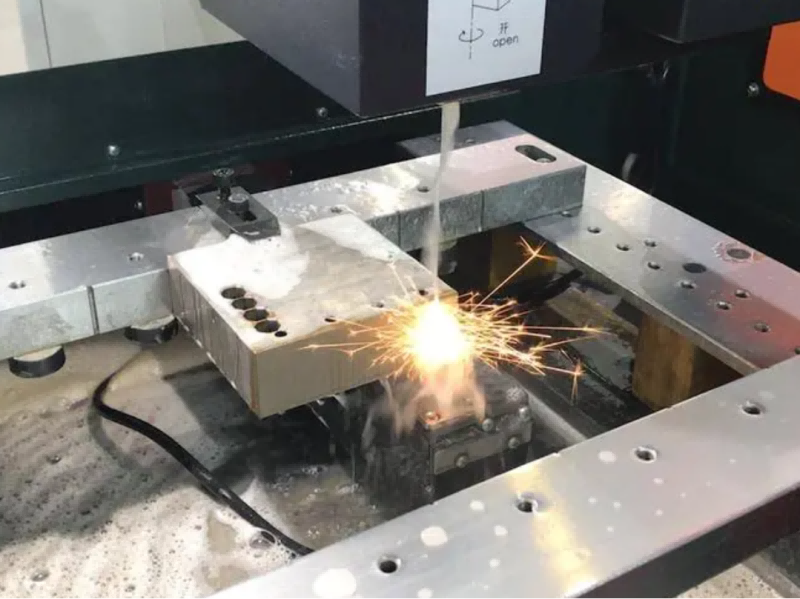
- Electrical discharge machining (EDM): These machines use electrical discharges to cut hard metals and create small holes or grooves.
- CNC plasma cutting machines: These machines use plasma cutting torches to cut conductive metals.
Modern manufacturing utilizes new technologies to improve precision and efficiency:
- Artificial intelligence (AI) and machine learning (ML) help optimize processes and increase automation.
- Micromachining technology enables companies to manufacture very small, intricate parts.
- Advances in metrology, such as coordinate measuring machines (CMMs), can inspect the precision of finished parts.
- High-speed machining enables the production of more parts faster while maintaining precision.
- Additive manufacturing technology using fiber-reinforced composite materials can produce parts that are high-strength and lightweight.
- CNC precision machining automates the process and can manufacture complex parts with consistent quality.
Common Materials Used
Precision machining can use a variety of materials. The choice of material depends on the application of the part and the required performance. Some commonly used materials include:
- Aluminum: Lightweight, high strength, and easy to machine. It is rust-resistant and commonly used in aerospace and electronics.
- Steel: High strength and versatile. Different types of steel have different corrosion resistance and wear resistance.
- Titanium: Lightweight, high strength, and rust-resistant. Commonly used in aerospace and medical devices.
- Copper: Good electrical conductivity and rust resistance. Commonly used in electronic components.
- Plastics: Lightweight and chemically resistant. Suitable for the fine design of consumer goods and medical devices.
| Material | Properties | Applications |
|---|---|---|
| Aluminum 6061 | Strong, resists rust, tough, weldable | General manufacturing |
| Aluminum 7075 | Resists fatigue | Aircraft parts |
| Aluminum 2024 | Handles heat, shock, and fatigue | Military and aerospace |
| Aluminum 5052 | Resists chemicals and rust, not heat treatable | Marine uses |
| Aluminum 6063 | Can be heat treated, weldable, durable | Complex parts |
| Titanium | Strong for its weight, resists rust | Aerospace, medical uses |
| Copper | Conducts electricity well, resists rust | Electronic parts |
| Steel | Strong and versatile, many types for different needs | General and industrial uses |
| Plastics | Light, resists chemicals, can be shaped into detailed designs | Consumer products, medical devices |
Precision Metal Cutting: Using these materials in machining helps companies achieve manufacturing precision and tight tolerance requirements. KEMING employs advanced methods such as investment casting and CNC machining to produce high-precision parts for numerous industries. Their focus on quality and modern manufacturing ensures that every part meets stringent requirements, resulting in superior product quality.
Precision Machining and Manufacturing Process Steps
From Design to Production
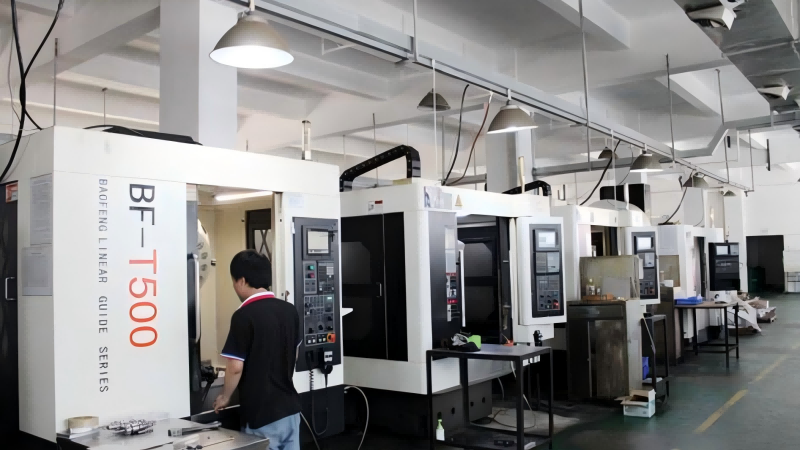
Manufacturing high-quality parts begins with a clear plan. Engineers create 3D models using CAD software. These models show all the required dimensions and shapes. CAD enables the team to collaborate and make rapid modifications. This step is crucial as it initiates the entire process.
Once the design is complete, CAM software is used. CAM translates the design into machine instructions. These instructions tell the machine how to cut and shape the material. Next, the team selects the appropriate material. They choose metal or plastic based on strength and durability.
The table below shows the main steps of this process:
| Step | Description |
|---|---|
| CAD Design | Engineers make a 3D model with exact details. |
| CAM Programming | The design becomes instructions for machines. |
| Material Selection | The team picks the best material for the job. |
| Machining | Machines cut and shape the material to tight tolerances. |
| Finishing | Workers polish or coat the part for better performance. |
| Inspection | Inspectors check that the part meets all tight tolerances and standards. |
Each step helps make sure the final product is good. Modern manufacturing uses these steps to make parts with tight tolerances and high quality.
CNC and Other Machining Methods
CNC (Computer Numerical Control) refers to computer numerical control. CNC machine tools use software to control the cutting tools, enabling precise cutting. This method is crucial in modern manufacturing. CNC machining can create complex shapes and repeat the same machining process multiple times with minimal error. It is suitable for both small-batch and high-volume production.
Manual machining uses hand tools, requires skilled workers, and is more time-consuming. Manual machining is best suited for machining simple shapes or special workpieces. Electrical Discharge Machining (EDM) uses electrical discharge to cut hard metals. EDM is ideal for machining small holes or intricate features.
The following table compares CNC machining and manual machining:
| Factors | CNC Machining | Manual Machining |
|---|---|---|
| Automation | Fully automated | Operated by hand |
| Precision & Tolerance | Very high, tight tolerances | Moderate, less tight tolerances |
| Speed | Fast, good for large batches | Slower, depends on worker skill |
| Complexity | Handles complex shapes | Best for simple shapes |
| Labor Requirement | Low after setup | High, needs skilled workers |
| Cost per Part | Lower for big runs | Higher due to more labor |
CNC technology has transformed manufacturing. It makes machining processes faster and more precise. CNC machine tools help companies meet stringent tolerance requirements and produce high-quality parts. This technology reduces labor costs and waste. Modern manufacturing relies on CNC and other advanced methods to meet market demands and quality requirements.
Precision Machining and Manufacturing Applications
Industries Using Precision Machining
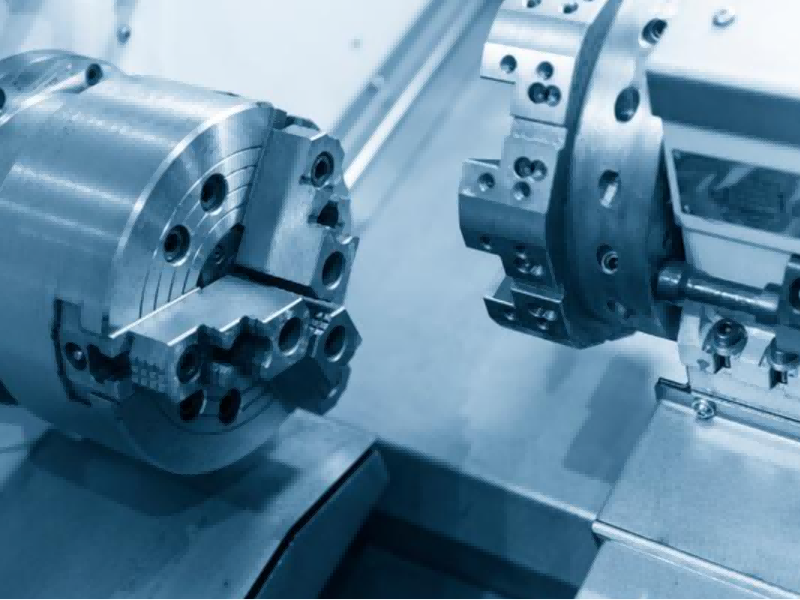
Many industries require precision machining to manufacture accurate parts. These parts must fit perfectly and function flawlessly. Companies like KEMING serve numerous sectors, including automotive, marine, railroad, and agriculture. These sectors require safe, robust, and durable parts. The automotive industry makes extensive use of CNC machine tools.
| Industry | Applications |
|---|---|
| Aerospace | Makes parts like manifolds and spacers. These must meet tough standards. |
| Heavy Vehicle | Makes parts for bulldozers, cranes, loaders, tractors, and trucks. These need special machining. |
| Automotive | Makes bushings, steering parts, and transmission valves for cars and trucks. |
| Appliance | Makes exact parts for blenders, dishwashers, and washing machines. |
| Marine | Makes couplings and engine parts. These use materials that do not rust. |
| Medical | Makes parts for medical tools and ventilators. These must be accurate and reliable. |
| Recreational | Makes parts for packaging, power tools, and recreational vehicles. These are made in large numbers. |
Modern manufacturing uses new steps to help these industries. KEMING uses investment casting and CNC machining to make exact parts for each field.
Example Products and Parts
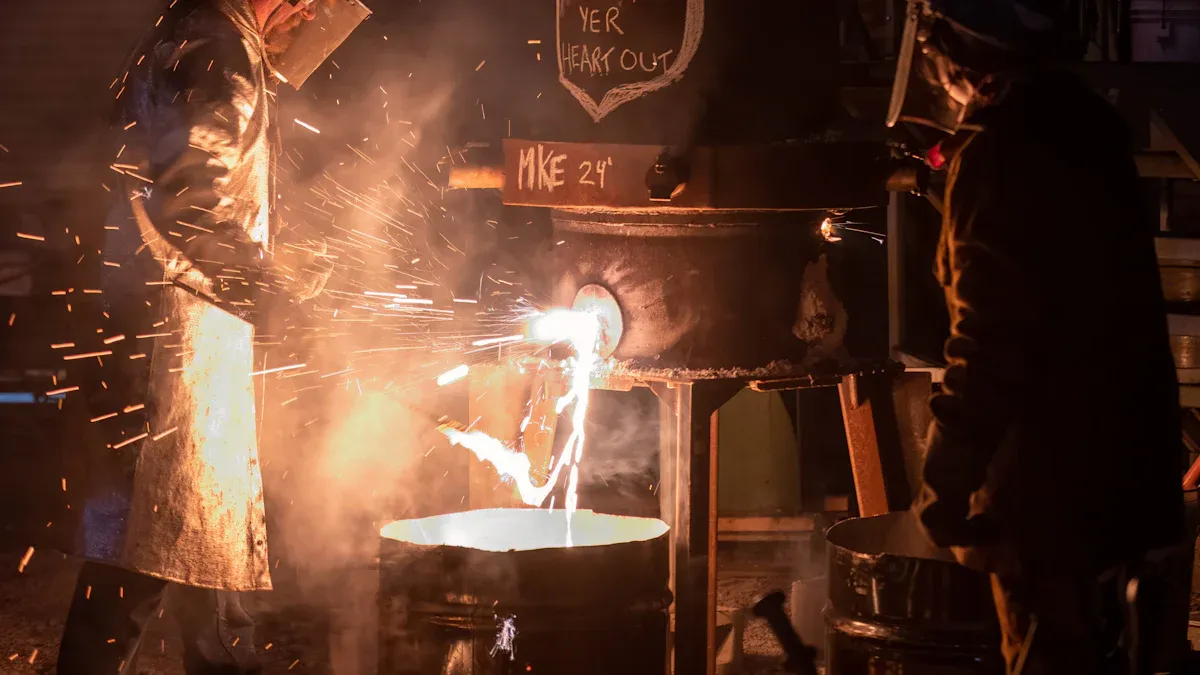
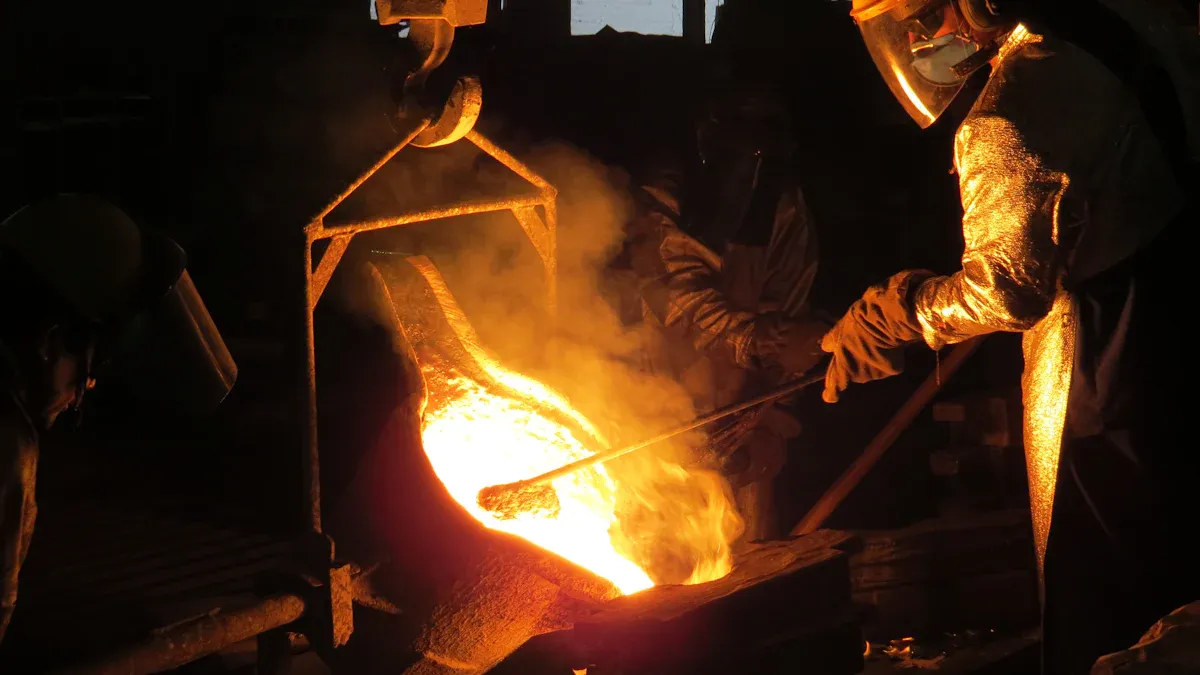
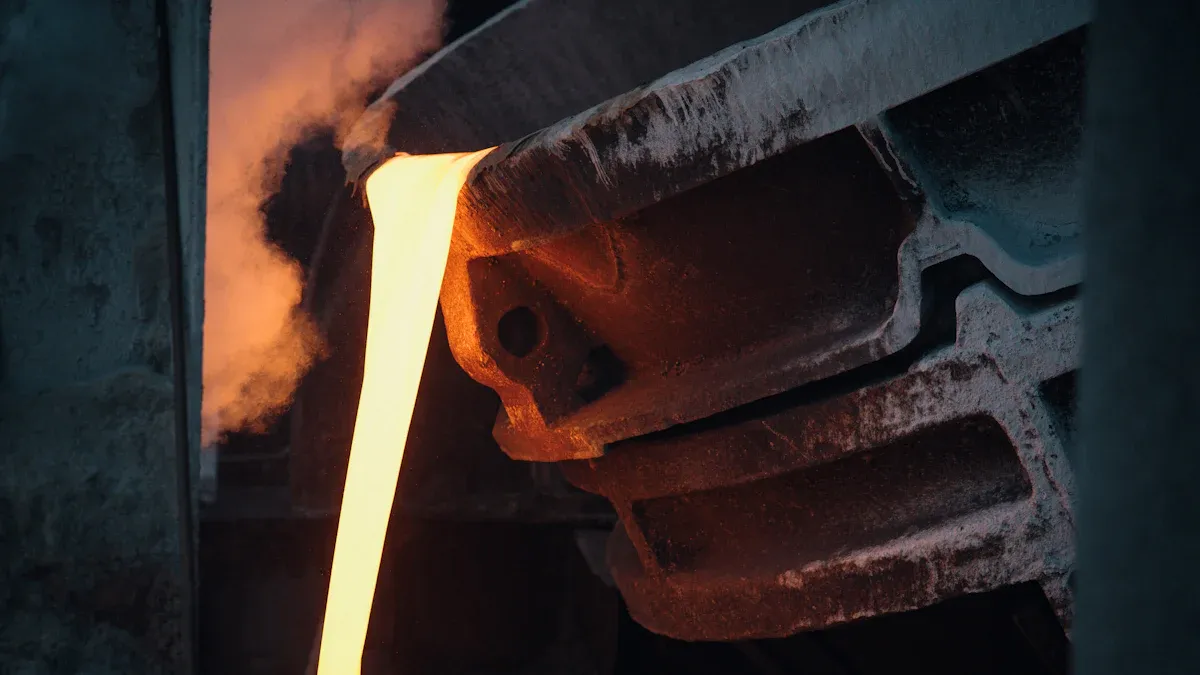
Precision manufacturing produces a wide variety of components for different fields. These components must be precise and pass rigorous quality inspections. KEMING achieves high precision using investment casting. This process allows for control over temperature, shell thickness, and pouring speed, resulting in components with complex shapes. Quality inspection and finishing steps ensure that each component meets standards.
Some common precision-machined products include:
- Engine components, such as pistons, cylinder heads, and crankshafts
- Transmission components and radiators
- Battery components and lighting system parts
- Valves, sensors, and electrical connectors
- Surgical instruments, such as hip implants and bone plates
- Aerospace components, such as turbine blades and fuel injectors
Materials used include stainless steel, aluminum, titanium, and brass. These materials are robust and durable. Modern manufacturing relies on these materials and stringent quality control to produce higher-quality products. KEMING inspects every part to ensure it meets stringent specifications and industry standards.
Tip: Precision casting helps manufacture complex-shaped, smooth-surfaced precision parts. This process contributes to the development of modern manufacturing by improving product quality and reducing waste.
Benefits and Challenges of Precision Machining and Manufacturing
Advantages of Precision Manufacturing
Precision manufacturing offers numerous benefits to businesses today. It helps companies produce dimensionally precise, high-precision parts, thereby improving product performance and extending lifespan. Here are some of the key advantages:
- Companies can save costs, reducing expenses by approximately 20% to 30%. They are able to reduce errors and material waste.
- Production speed is faster, sometimes by 30% to 50%. This means new products can be delivered to customers faster.
- All parts maintain consistent quality and meet the same standards.
- Manufacturing special parts is easier. Strict tolerances that are difficult to achieve using traditional methods can be achieved.
- Automation helps avoid human error, thus ensuring worker safety.
Precision machining also improves product quality and reduces waste. CNC machine tools allow workers to closely monitor the production process and stop machines promptly when problems occur, ensuring product quality and reducing waste. Intelligent software helps to use materials more efficiently and reduce waste. Precision-manufactured medical devices and machines have longer lifespans and better performance. This not only saves resources but also benefits the environment.
Tip: Precision manufacturing helps companies produce higher-quality products and reduce waste, which is beneficial to the environment.
Common Challenges and Considerations
The manufacturing industry also faces several challenges. Companies must address these issues to maintain high quality and improve production efficiency. Here are some common problems:
- Some materials are difficult to machine. Each material behaves differently during processing.
- Tools age and wear. Worn tools lead to reduced part precision.
- Machines require careful inspection and regular maintenance. This ensures proper machine operation.
- Heat generated during machining can alter part dimensions. Excessive temperatures can cause errors.
- Complex-shaped parts are more difficult to machine. They require specialized skills and meticulous planning.
- Choosing the right material is crucial. Incorrect material selection can affect part performance.
- Tolerances must be extremely precise. Even small errors can lead to serious problems.
- Clear communication within the team is essential. Good communication helps avoid errors.
- Financial constraints can make it difficult for companies to meet all demands.
Manufacturers use different ways to solve these problems:
| Strategy | Description |
|---|---|
| Predictive Maintenance | Sensors check machines and warn about problems early. |
| Continuous Quality Control | Checks during production keep parts the same and cut waste. |
| Advanced Software Utilization | CAD and CAM systems help stop mistakes and make parts more accurate. |
| Workforce Training | Training helps workers learn new technology and standards. |
Modern manufacturing utilizes these solutions to meet market demands and produce high-quality parts. Companies focused on precision can meet stringent regulatory requirements and produce reliable parts for numerous industries.
Precision machining helps improve manufacturing efficiency. It ensures accuracy and guarantees the production of identical parts every time. Many industries use precision manufacturing to produce robust and durable products. These products are reliable and long-lasting.
- It helps companies create new ideas and stay ahead of the curve.
- It enables teams to quickly change designs and create detailed models.
- It keeps pace with new technologies and market demands.
| Why Pick KEMING? | What KEMING Gives |
|---|---|
| Modern machines | Very accurate and quick results |
| Special solutions | Careful quality checks and customer care |
Precision lets companies reach high goals and earn trust from customers.
FAQ
What is the main goal of precision machining?
Precision machining aims to create perfectly fitting parts. These parts must function correctly every time. It helps companies produce robust and reliable products. This process helps meet stringent specifications and improves product quality.
How does CNC machining benefit manufacturing?
CNC machining utilizes computer-controlled machine operation. This helps improve the accuracy of parts and machining speed. Workers can use these machines to machine complex shapes. They can repeat the same work multiple times with minimal error.
Which industries use investment casting?
Many industries use investment casting. Companies in industries such as automotive, shipbuilding, rail, and agriculture require robust and delicate parts. KEMING provides investment casting services to these industries.
Which materials are best suited for precision machining?
Steel, aluminum, titanium, and plastics are all suitable for precision machining. Each material has its unique properties. The best choice depends on the intended use of the part and the required strength.
Why do companies choose KEMING to produce precision parts?
KEMING uses advanced machinery and equipment and maintains strict quality control. They provide customized services for each client. Their team provides assistance from the beginning to the end of the project, ensuring that every step meets world standards.