EN
EN  DE
DE  ES
ES  FR
FR  PT
PT  RU
RU 
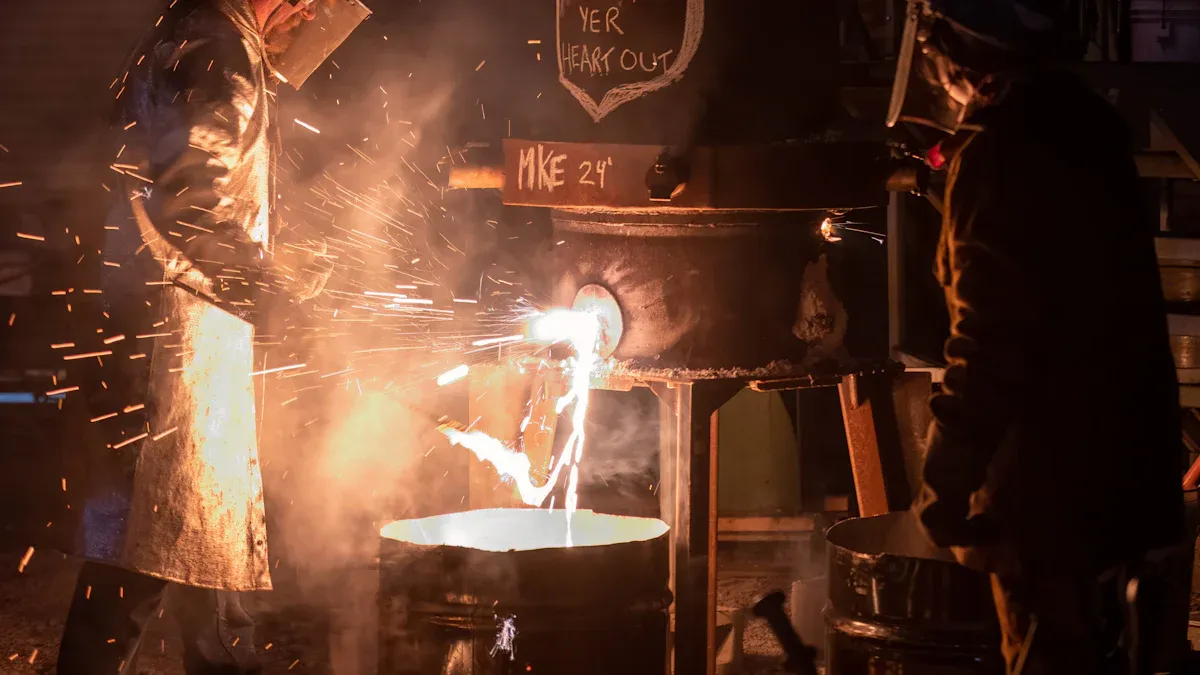
Lost foam cast uses expanded polystyrene foam to make detailed patterns. Workers put these patterns in sand molds. They pour hot metal into the molds to make parts. This process makes complex shapes. It also saves money and helps the environment.
Advantage | Lost Foam Casting | Traditional Sand Casting |
|---|---|---|
Complexity | Easily makes complex shapes | Needs sand cores for details |
Surface Finish | Smooth finish, less extra work | More extra work needed |
Sustainability | 98% of sand can be used again, cleaner | More waste, uses chemicals |
Lost foam casting makes very little waste. It also uses less energy. KEMING gives investment casting services. They help with agricultural castings and railway castings. Many lost foam castings suppliers say beginners should try this method. It is simple and works well.
Key Takeaways
Lost foam casting uses expanded polystyrene foam. It helps make detailed patterns. This makes it easier to create complex shapes.
This method is good for the environment. It makes very little waste. You can reuse 98% of the sand.
You need some important tools. Hot wire cutters shape the foam. Furnaces melt the metal. Vibrating tables help pack sand tightly.
Safety is very important. Workers should wear protective gear. They must follow strict rules when handling molten metal.
You can learn from mistakes. Practicing good techniques helps make better castings.
Lost foam cast materials and tools

Essential materials for lost foam cast
Expanded polystyrene foam (EPS) is the main material. EPS keeps its shape well. Workers can make exact shapes with it. It is easy to cut and shape. Even hard designs are possible. The foam does not weigh much. It does not cost a lot. Many projects use it. When casting, EPS turns into gas. It does not leave much behind. Sand is also important. Sand holds the foam pattern. It makes the mold. Foundries use many kinds of sand. Silica sand is used a lot. Molten metal is needed too. Common metals are cast iron and aluminum alloys. Steels, nickel alloys, stainless steels, and copper alloys are used. Each metal works for different things. Some are for cars. Some are for planes. Others are for machines, food, or electrical parts.
Tip: Pick good foam and sand for the best results.
Tools needed for lost foam casting
Workers need many tools for lost foam cast. A hot wire cutter or knife shapes the foam. Brushes or sprayers put coating on the foam. Vibrating tables pack sand tight around the pattern. Crucibles and furnaces melt the metal. Tongs and safety gear help move hot things. Sieves and shovels help move and level sand. Safety gear like gloves, goggles, and aprons keep workers safe.
Tool | Purpose |
|---|---|
Hot wire cutter | Shapes foam patterns |
Furnace | Melts metal |
Vibrating table | Packs sand around pattern |
Tongs and gloves | Handles hot materials |
Brushes/sprayers | Applies coating |
Sourcing foam patterns and supplies
Many suppliers sell foam patterns and casting supplies. Some give tips on shaping polystyrene foam. Some explain the steps. Others make hard metal parts with foam molds. Good suppliers help keep quality high. For big jobs or custom work, companies like KEMING help. They offer casting services for cars, planes, and big machines.
Lost Foam Casting Parts: Gives tips for shaping foam for casting.
Custom Lost Foam Casting Supplier: Makes hard metal parts with foam molds.
Note: KEMING gives expert casting services for custom and precise needs.
Step-by-step lost foam cast process

Creating the foam pattern
First, workers make the foam pattern. They use CAD software to design it. Then, they cut and shape expanded polystyrene foam. Sometimes, they join several foam pieces together. Each piece must fit tightly. The finished pattern should look like the final metal part. Being careful now helps avoid mistakes later.
Steps to create a foam pattern:
Draw the part with CAD software.
Cut the foam using a hot wire cutter or knife.
Put the foam pieces together if needed.
Check if the pattern is smooth and the right size.
Tip: Good foam patterns make better castings. KEMING uses advanced tools for high precision.
Coating and drying the pattern
After making the foam pattern, workers cover it with a special coating. This coating protects the foam during casting. It stops gas bubbles and keeps metal from leaking. Binders like syrup, starch, or water glass help the coating stick. Additives like surfactants and thixotropic agents make the coating better. Workers use brushes or sprayers to put the coating on evenly.
The coated pattern must dry before use. Air drying systems help remove water and harden the coating. Drying makes the mold strong.
Coating stops rough surfaces and shrink holes.
Drying makes sure the coating is hard and ready for sand.
Note: A dry coating helps the lost foam cast process work well.
Packing sand and placing the pattern
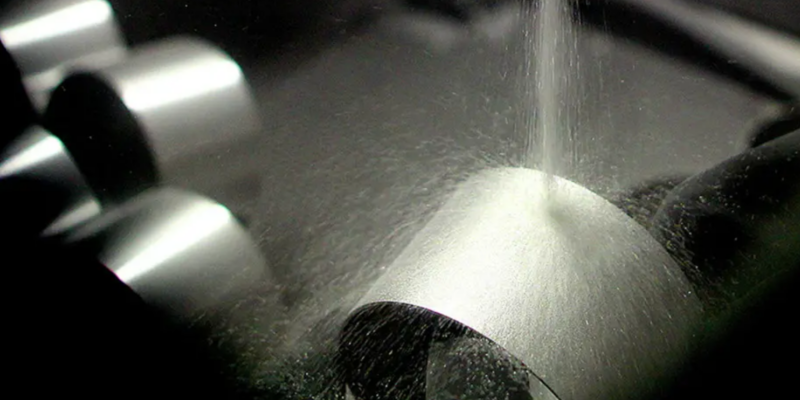
Workers put the coated foam pattern in a flask. They pour dry, loose sand around the pattern. The sand holds the foam and keeps its shape. Vibrating tables help pack the sand tightly. This step makes sure sand fills all spaces and supports the pattern.
The sand is loose and a foam pattern is used to make the casting shape. The foam pattern is put into the sand at the Fill & Compact station. The sand fills all spaces and supports the foam pattern. The sand goes into the flask with the casting cluster and is packed tight to support all shapes.
A packed mold helps the metal flow and fill every detail.
Pouring molten metal
Next, workers melt the metal in a furnace. They use tongs to pour the hot metal into the sand mold. The metal turns the foam into gas and fills the empty space. Each metal type needs a different pouring temperature.
Metal Type | Optimal Pouring Temperature |
|---|---|
Aluminum Alloys | 660-750°C |
Cast Iron | 1200-1450°C |
Steel | 1500-1600°C |
Pouring at the right temperature helps the foam turn to gas. It also stops problems in the final part.
Tip: KEMING uses strict temperature rules for good results.
Cooling and removing the casting
After pouring, the metal cools and gets hard in the sand mold. Workers wait until the casting is solid. They take away the sand and remove the metal part. This is called shakeout. Workers handle the new casting carefully to avoid damage.
Let the casting cool before taking it out.
Use gentle tools to stop scratches or cracks.
Cleaning and finishing the cast part
The last step is cleaning and finishing the part. Workers remove leftover sand and smooth the surface. They use Scotch Brite pads, steel wool, or ultrasonic cleaners. Tumbling and electro-stripping help make the surface smoother. For fragile parts, fine sanding files and micro mesh cloth work well.
Some workers fill small holes with wax. Brushes and magnetic pin tumblers make the surface smooth. KEMING checks each part for defects and measures the size and shape.
Clean with pads or ultrasonic cleaners.
Smooth with sanding files or tumblers.
Check for defects and measure for accuracy.
Aspect | Industry Standards | KEMING’s Practices |
|---|---|---|
Dimensional Accuracy | High accuracy is important. | Uses advanced tools for better precision. |
Production Consistency | Making parts the same is important. | Follows strict testing rules. |
Testing Protocols | Strong testing is standard. | Uses advanced ways to test for better results. |
Material Variety | Can cast many different alloys. | Works with many materials for special uses. |
Cost Efficiency | Good for low to medium amounts. | Focuses on saving money in production. |
KEMING uses strong quality checks and advanced inspection to make sure every lost foam cast part is high quality.
Safety tips for lost foam cast projects
Personal protective equipment
Workers must wear strong safety gear for lost foam cast. Aluminized clothes block heat and metal splashes. Gloves and mittens protect hands from burns. Sleeves keep lower arms safe. Face shields stop flying bits from hitting faces. Safety glasses give extra eye safety. Long shirts and jackets cover skin. Leggings and aprons protect legs and clothes. Earplugs or earmuffs lower loud sounds. Respirators clean harmful fumes from air. Safety shoes keep feet safe from heavy things. High-temperature sleeves and special clothes add more safety.
Aluminized clothes
Heat-resistant gloves and mittens
Protective sleeves
Face shields and safety glasses
Long shirts and jackets
Aluminized leggings and aprons
Earplugs or earmuffs
Respirators
Safety shoes
Heat-resistant clothes
Tip: Workers should check their safety gear before every project.
Handling molten metal safely
Molten metal is very dangerous. Workers use tongs to move hot flasks. They wear gloves and special clothes for safety. Face shields protect from splashes. Workers stand away from the pouring spot. They do not hurry when working. Everyone follows safety rules to stop accidents.
Workspace ventilation and fire safety
Casting rooms need good airflow. HEPA filters catch tiny dust and clean the air. Airflow systems change speed for different jobs. Easy cleaning keeps air systems working well. Workers check wires and gas tools for safety. Gas is stored the right way. Flashback arrestors stop fire from going backward. Eye safety and gloves are needed near hot flasks. Fire extinguishers are kept close by.
Feature | Description |
|---|---|
HEPA Filters | Catch tiny dust for cleaner air |
Easy Maintenance | Quick cleaning keeps things working well |
Variable Airflow | Changes speed for different jobs |
Note: Workers should check air and fire safety tools often.
Safe disposal of casting waste
Lost foam cast makes waste, but safe methods help nature. Foam patterns turn to gas, so no pattern waste is left. Foundries recycle foam and use sand again with special machines. Sand with no chemicals is safe to throw away. This process makes less waste and helps the earth.
Method | Description |
|---|---|
Recycling foam patterns | Foam can be used again, so less waste |
Sand reclamation technologies | Machines clean and reuse sand, so less new sand is needed |
Vaporization of foam patterns | Foam turns to gas, so no pattern waste is left |
Tip: Workers should follow local rules for throwing away and recycling waste.
Troubleshooting lost foam cast issues
Preventing incomplete or porous castings
Sometimes castings do not fill all the way. They may have tiny holes called pores. This happens when gases get stuck inside the mold. Workers can stop these problems by doing a few things:
Make the metal hotter to burn away foam and stop pores.
Use thin coatings that let gases escape fast.
Make the vacuum stronger to pull out trapped gases.
Add small holes or flakes so gases can get out.
These steps help the metal fill the mold. They make the casting strong and complete.
Fixing pattern and mold problems
Foam patterns must be made right. Molds need good design for best results. Workers use computer programs to find mistakes before casting. They scan foam patterns with 3D tools to check for errors. If they see problems, they fix them before making the mold. Good mold design helps control gas from foam burning. This lowers mistakes and saves money.
Check foam patterns to match the design.
Scan patterns with 3D tools to find mistakes.
Change mold design to control how gas moves.
Avoiding surface defects and inclusions
Bad surfaces and inclusions can hurt casting quality. The table below shows common problems and ways to fix them:
Defect Type | Cause | Countermeasures |
|---|---|---|
Surface Defects (Cracks, Sand Sticking) | Mold does not release well, heat stress, bad coating, rough shakeout | Use better mold release, control cooling, use good coating, shake out gently |
Sand Inclusion or Mold Erosion | Loose sand, weak coating, metal moves too fast | Pack sand tight, use strong coatings, pour metal carefully |
Slag inclusions look like spots on the casting. Pouring metal slowly and making the mold right helps stop these problems.
Solutions for casting cracks
Cracks can happen if workers do not follow steps carefully. They should keep boxing steps the same to protect the coating. Setting the right pressure, temperature, and time helps the mold stay safe. Keeping vacuum at safe levels stops sand from hurting the coating. Workers use slag blockers and skimmers to keep out dirt. Cleaning molten steel during melting makes castings better.
Tip: Careful planning and paying attention helps stop cracks and other problems in lost foam cast projects.
Tips for better lost foam cast results
Improving surface finish and detail
The way a part looks and feels is important. Workers use special coatings to make parts smooth. These coatings help cut down on extra polishing. The foam pattern’s shape and strength also matter. If the foam is clean and shaped right, the part will look better. Gases from the foam leave through the coating and sand. This helps stop holes and keeps the casting strong.
Technique | Benefit |
|---|---|
Refractory Coatings | Makes surfaces smooth and cuts down on extra work |
High-Quality Surface Finishes | Makes the part harder, smoother, and better looking |
Tip: Workers should look for cracks or rough spots on foam before casting.
Optimizing sand packing technique
How workers pack sand changes how good the casting is. They clean sand after each use to get rid of dirt. A boiling cooling bed shakes and blows air to clean sand. Additives like zircon and graphite help sand work better. Sand with even grains flows and packs well. Packing sand just right keeps the mold the right shape. Loose sand can make rough parts. Sand packed too tight can stop foam from growing.
Cleaning sand gets rid of dirt.
Boiling cooling beds shake and blow air to clean sand.
Additives like zircon and graphite help sand work better.
Even grain size helps sand flow and pack.
How tight sand is packed changes the part’s look and shape.
Controlling metal temperature
The heat of the metal changes how the casting turns out. Workers must keep the metal at the right heat. If it is too cool, metal may not fill the mold. This can cause cold shuts. If it is too hot, foam burns up too fast. This can make holes and other problems. Watching the heat closely helps make strong and correct parts.
Note: KEMING uses special tools to watch and control metal heat for the best results.
Learning from mistakes
People new to lost foam cast often make mistakes. Many do not know that skilled workers are needed. Some think lost foam casting is just like sand casting, but it is not. Training at the job site helps workers learn the right way. Picking a good teacher or helper is important. Workers should look back at each job and learn from what went wrong.
Skilled workers make better castings.
Lost foam casting needs its own steps, not just sand casting ways.
On-site training teaches real skills.
Good teachers help workers avoid mistakes.
For hard jobs or special needs, KEMING gives expert help and casting services.
Lost foam cast projects need good planning and safety steps. Here are some important things to remember:
Workers learn better with training at the job site.
Putting on coating the same way each time helps stop problems.
Dry the coating well so parts do not get damaged.
Check the coating for cracks and fix any broken spots.
Air that moves well and no extra water keeps castings strong.
Companies like KEMING help make hard parts with good designs. They also make sure parts are very accurate. You can try casting projects yourself. Practicing will help you get better at casting.
FAQ
What metals work best for lost foam casting?
Aluminum alloys and cast iron work well. Stainless steel and copper alloys also give good results. Each metal suits different uses. Workers pick the metal based on the part’s needs.
How do workers shape foam patterns?
Workers use hot wire cutters, knives, or sandpaper. They follow a design or drawing. Some use machines for complex shapes. Clean cuts and smooth surfaces help make better castings.
Can beginners try lost foam casting at home?
Yes, beginners can start with simple tools and safety gear. Small projects use aluminum. Workers should follow safety steps and learn from guides. Practice helps improve results.
Why does the foam pattern disappear during casting?
Molten metal vaporizes the foam pattern. The foam turns into gas and leaves the mold. This process creates the empty space for the metal to fill.