EN
EN  DE
DE  ES
ES  FR
FR  PT
PT  RU
RU 
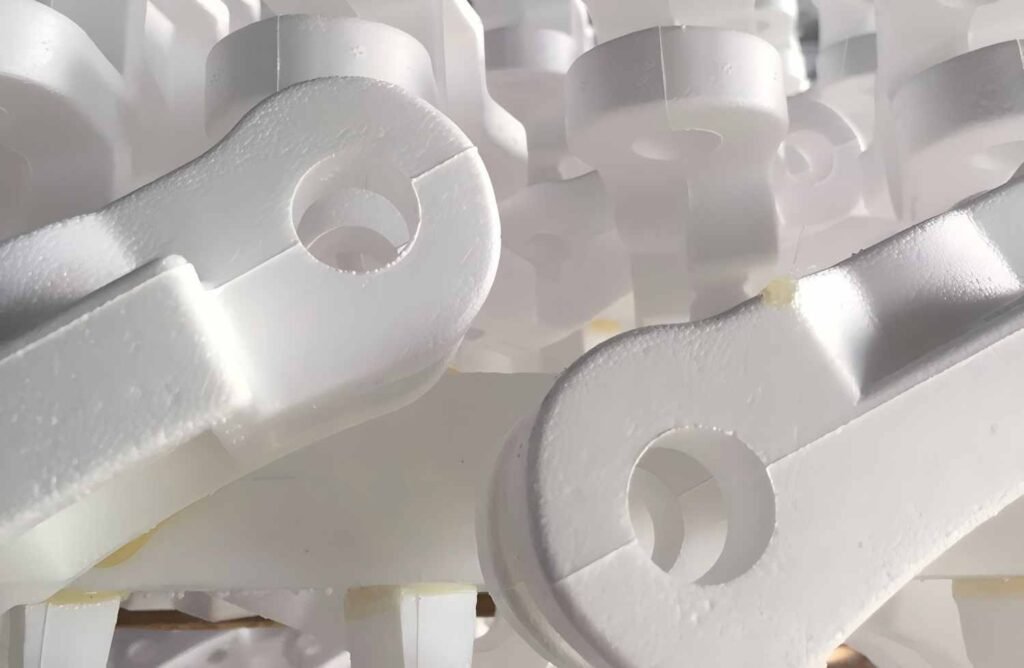
Another common name for lost foam casting is “full mold casting.” This process has many different names. You may see different terms used in related books or industry lectures. Understanding these alternative names for lost foam casting helps professionals and students communicate clearly and avoids errors when discussing casting methods.
Key Takeaways
- Lost foam casting is sometimes also called full mold casting. It uses a foam model that disappears when hot metal is poured in. Evaporation molding is another name for lost foam casting. This name describes the process of the foam model gradually disappearing during casting. Expanded polystyrene casting refers to the use of polystyrene foam in lost foam casting. This helps in creating intricate and complex shapes. Disposable model casting means that the foam model can only be used once. This makes manufacturing different metal parts less costly. Understanding these names helps professionals in the casting industry communicate clearly and avoid errors.
Another Name for Lost Foam Casting
Full Mold Casting
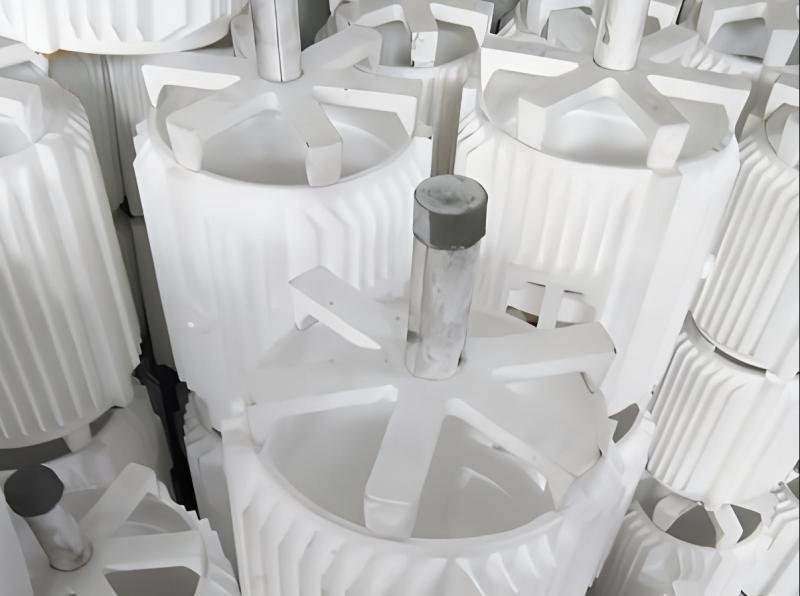
Many people refer to lost foam casting as “full mold casting.” In this method, workers first create a mold that matches the shape of the foam model. When hot molten metal is poured into the mold, the foam vaporizes and disappears. The molten metal occupies the space previously occupied by the foam, ultimately forming the part. Full mold casting can produce parts with high strength, minimal errors, and fine details. People like this method because it ensures precise part shapes and smooth surfaces.
- Full mold casting uses a foam pattern that metal replaces.
- The foam pattern disappears when workers pour in the metal.
- This process makes parts that fit well and look clean.
Evaporation casting
Evaporation casting is another name for lost foam casting. Many experts and books use this name. The process uses a foam model that disappears when hot metal comes into contact with it. Some also call it lost foam casting or full-mold casting. Lost foam casting originated from a 1956 patent that described a method of placing a foam model into wet sand. Evaporation casting is a novel method for manufacturing complex parts.
- Evaporative pattern casting uses foam patterns that vanish during casting.
- This process is good for making detailed shapes.
- Many companies use evaporative pattern casting for special metal parts.
Expanded polystyrene casting
Expanded polystyrene casting refers to the use of expanded polystyrene foam in lost foam casting. Workers use foam models made of expanded polystyrene to create molds. This method does not require binders or parting lines as in traditional sand casting. It can be used to manufacture hard metal parts that are difficult or expensive to machine using other methods.
Lost foam casting, also called evaporative pattern casting, is a modern way to cast metal. A foam pattern made of expanded polystyrene forms the mold. The foam disappears when hot metal is poured in. The metal melts the foam, fills the space, and copies the shape with great accuracy.
Expanded polystyrene casting lets people make creative and tricky parts. The process is fast and saves money for many companies.
Single-use mold casting
Single-use mold casting is another name for lost foam casting. This process uses molds that are consumed during the casting process and are not reused. The unique feature of single-use mold casting is that it allows for the design of a wide variety of shapes and is applicable to almost any metal. Workers can create parts with complex internal structures and rich external details. This process is inexpensive and suitable for parts of various sizes.
| Characteristic | Description |
|---|---|
| Design Flexibility | Lets people make parts with tricky insides and detailed outsides. |
| Material Processing Capability | Can work with almost all metals, even tough ones like stainless steel and high-temperature alloys. |
| Cost Efficiency | Uses molds that are thrown away, so it costs less than permanent mold casting. |
| Size Range | Can make parts that are very small or very big. |
| Rapid Iteration Speed | Makes it easy and cheap to change molds and make new parts fast. |
| Lower Equipment Investment | Needs less money at first because materials and tools are simple and cheap. |
One-time mold casting can help businesses save costs and time. This process facilitates design changes and allows for rapid part manufacturing.
Aliases Summary
There are many different names for lost foam casting. Full mold casting, evaporative mold casting, expanded polystyrene casting, and one-time mold casting all refer to the same process. Each name represents a different part of the process or material. Understanding these names helps practitioners and students communicate clearly and avoids errors when discussing casting methods. Expanded polystyrene process and evaporative casting are important terms in this field.
Why are there different names?
Many people find that lost foam casting has many names. This is because different regions and different work areas use different terminology. Practitioners in one country might say “lost foam casting,” while others use “lost foam casting.” Some books and teachers call it evaporative mold casting, while others call it the expanded polystyrene process. Each name represents a specific part of lost foam casting.
Those working in casting want clarity, so they choose names that match their work. Some focus on the material and call it expanded polystyrene casting. Others focus more on the mold, using a single-use mold for casting. The name “lost-foam casting” comes from the fact that the foam mold is removed during the metal pouring process. Lost-foam casting refers to the same process. Some authors add a hyphen before the name for readability.
Different industries also have their preferred terminology. The table below shows how aerospace and automotive companies use lost-foam casting:
| Industry Sector | Key Terminology and Focus Areas |
|---|---|
| Aerospace | Complex Geometry and Lightweight Requirements High Precision Manufacturing Material Variety Cost-Efficiency in Low to Medium Volume Production |
| Automotive | Mass Production and Consistency Reduced Machining and Finishing Design Flexibility Weight Reduction for Fuel Efficiency |
Aerospace companies use lost-foam casting for light and strong parts. They want parts made with high precision and many materials. Automotive companies use lost foam casting to make lots of parts. They want parts that need less work and help cars use less fuel.
There are a few reasons why lost foam casting has many names:
- The method is also called evaporative casting, which is like evaporative pattern casting.
- Another name is expanded polystyrene process, which talks about the foam used.
Lost-foam casting and lost foam casting are the same thing. People use the name that fits their job or what they want to show. Knowing these names helps workers, students, and engineers talk clearly about lost foam casting. It also helps them not make mistakes when reading or talking about this method.
Avoiding Confusion with Lost Foam Casting
Differences Between Synonyms
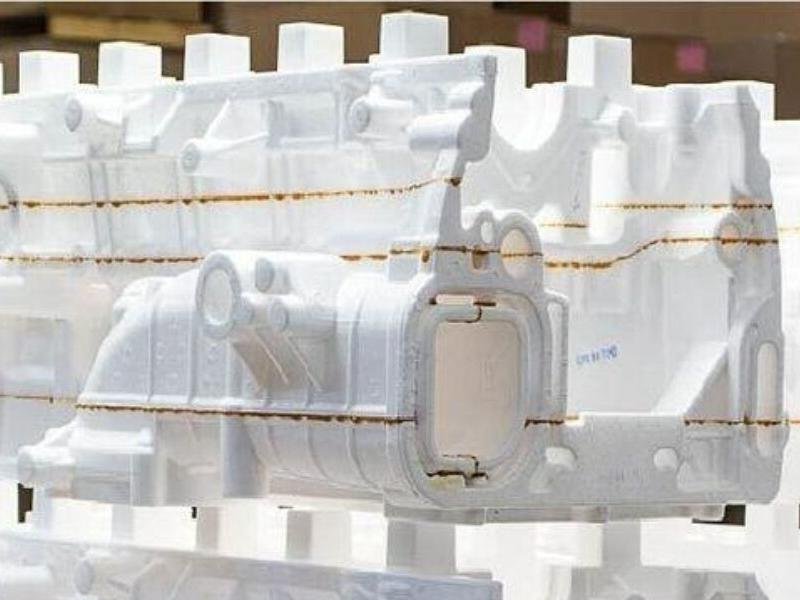
People use many names for lost foam casting. This can make things confusing if you do not know the details. Each name shows a special part of the process. For example, lost-foam casting and full mold casting both use foam patterns. But the way they set up the mold can be different. Evaporative pattern casting talks about how the pattern disappears when metal is poured in. Expanded polystyrene casting tells you what material is used for the pattern.
The table below shows how these names are different:
| Casting Type | Pattern Material | Key Characteristics |
|---|---|---|
| Evaporative Pattern | Polystyrene Foam | Uses a pattern that evaporates when molten metal is poured. |
| Lost-Foam Casting | Foam Pattern | Foam pattern vaporizes to fill the mold cavity; uses unbonded sand. |
| Full-Mold Casting | Foam Pattern + Sand | Foam pattern surrounded by sand; vaporizes to fill the mold cavity, hardening on the sand. |
Lost-foam casting is special because it uses unbonded sand and a foam pattern. Full mold casting also uses a foam pattern but the sand gets hard around it. Evaporative pattern casting means the foam goes away. Expanded polystyrene casting just says what the pattern is made from.
Tip: When you talk about lost foam casting, ask which name the person is using. This helps you not get mixed up and keeps things clear.
Comparison with Other Casting Methods
Lost foam casting is not the same as other casting methods. It uses a foam pattern that disappears when hot metal is poured in. Investment casting uses wax patterns instead of foam. Sand casting uses molds made from metal or sand. Each method has its own steps and materials.
The table below shows how lost foam casting is different from investment casting and sand casting:
| Aspect | Lost Foam Casting | Investment Casting | Sand Casting |
|---|---|---|---|
| Pattern Material | Expandable Polystyrene (EPS) foam | Wax patterns | Metal or sand molds |
| Tolerances | Generally lower tolerances | Achieves finer tolerances | Moderate tolerances |
| Surface Finish | Less refined surface finish | Superior surface finish | Varies |
| Cost-Effectiveness | More cost-effective for larger parts | Typically more expensive | Cost-effective for simple parts |
| Production Volume | Better for lower volume production | Suitable for high volume production | Flexible |
| Turnaround Time | Faster due to easier pattern production | Slower due to more complex pattern creation | Moderate |
| Pattern Process Steps | Pattern preparation, coating, embedding | Wax pattern creation, shell building | Traditional sand mold preparation |
| Sand Type | Dry, free-flowing sand without binders | Not used | Sand mixed with chemical binders |
Lost foam casting has several advantages. It eliminates the need for parting lines or sand cores. This process is more environmentally friendly and suitable for both aluminum and ferrous alloys. However, lost foam casting requires precise control of pouring speed and temperature. The size and shape of the part depend on the density of the foam and the cohesion of the foam particles.
Lost foam casting can help companies produce parts quickly and reduce waste. Investment casting can produce more refined parts, but it takes longer. Sand casting is suitable for large parts with simple shapes.
Note: Lost-foam casting is great for parts that need design changes and quick updates. Always check what you need before picking a casting method.
Lost foam casting has a few other names. Some of the most used names are:
| Alternative Name |
|---|
| Full mold casting |
| Evaporative-pattern casting |
| Expanded polystyrene casting |
| Expendable pattern casting |
People who know these names can talk more easily about casting. They can also use new tools like 3D printing better. Picking the right name helps teams not make mistakes and do better work. When people use clear words in casting, everyone gets better results.
FAQ
What are the main differences between lost foam casting and investment casting?
Lost foam casting uses a foam model that evaporates when the metal is poured in. Investment casting uses a wax model that melts. Both methods can produce intricate parts, but investment casting typically yields a smoother surface. Many industries use both processes simultaneously depending on their specific needs.
Why are there different names for lost foam casting?
Names such as lost foam casting, full-mold casting, and evaporative casting are used. Each name emphasizes a specific step in the process. Lost foam casting focuses on the foam model. These different names help professionals discuss the method clearly.
Can lost foam casting create complex shapes?
Yes, lost foam casting can create very complex shapes. The foam model allows for intricate designs. Lost foam casting is ideal for parts with complex internal structures. Many companies choose lost foam casting to manufacture parts requiring special shapes.
What is the difference between lost foam casting and sand casting?
Lost foam casting uses a foam model that disappears. Sand casting uses a sand mold that remains solid. Lost foam casting produces finer details and smoother surfaces. Sand casting is best suited for simple shapes. Lost foam casting is suitable for parts with intricate features.
Are lost foam casting and investment casting used in the same industries?
Many industries use both lost foam casting and investment casting. Automotive, aerospace, and marine companies require parts with high strength and rich detail. Both lost foam casting and investment casting can help manufacture these parts. Each process is suitable for different project requirements.