EN
EN  DE
DE  ES
ES  FR
FR  PT
PT  RU
RU 
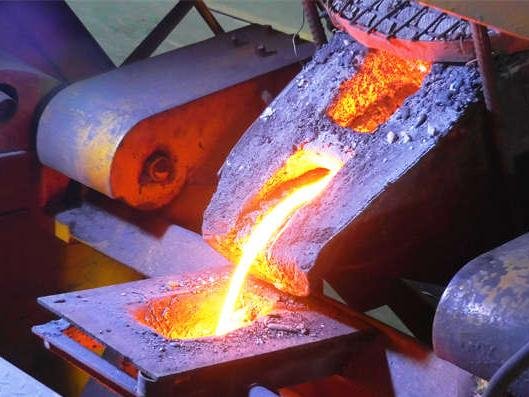
Sand casting is primarily divided into green sand, sodium silicate sand and resin sand. Different raw materials and crafting processes create molds with distinct traits. Green sand features low cost and high efficiency but forms soft molds; sodium silicate sand hardens quickly with carbon dioxide for precise molding; resin sand produces rigid, smooth molds that reduce defects, yet it costs more. The usage ratio of these three sand casting types is shown in the table below.
| Sand Casting Method | Market Share (%) | Growth Rate (%) |
|---|---|---|
| Green Sand | 48.2 | N/A |
| Resin Sand | 32.6 | 6.8 |
| Sodium Silicate | 11.8 | N/A |
Key Takeaways
- Green sand casting: Fast and low-cost, suitable for large parts, but the surface is relatively rough.
- Sodium silicate sand casting: Creates a robust mold with fine details, suitable for medium-sized parts.
- Resin sand casting: Extremely smooth surface, high precision, ideal for rigid and complex castings.
- The choice of casting method depends on product size, detail standards, and production quantity.
Green Sand Casting
What is Green Sand?
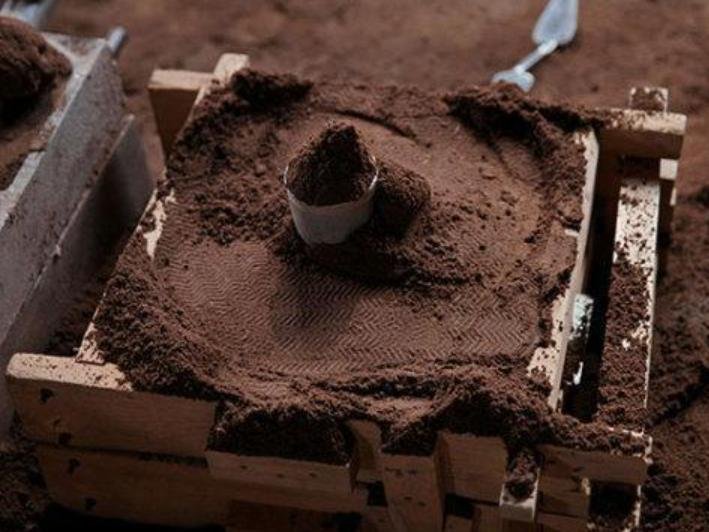
Wet sand is one of the most widely used materials in sand casting, favored by manufacturers due to its ease of use and low cost. “Wet” refers to its moist state, not its color. Wet sand maintains the stability of the mold shape throughout the casting process, enabling rapid mold making and meeting the needs of mass production.
Wet sand consists of four core components: quartz sand, bentonite, water, and functional additives, each playing a unique role. Its composition and function are shown in the table below.
| Component | Typical Proportion | Function |
|---|---|---|
| Silica sand | 85–90 wt % | Gives the mold its shape and strength |
| Bentonite clay | 5–10 wt % | Makes the sand stick together and easy to shape |
| Water | 2–4 wt % | Helps the clay work and keeps the sand soft |
| Additives (sea-coal) | 1–3 wt % | Makes the surface smoother and helps with carbon |
Characteristics of Wet Molding Sand
The properties of wet molding sand depend on its material characteristics. The mixture of sand, clay, and water gives the mold good strength and flexibility, maintaining structural integrity during the pouring of molten metal. Its moist texture also facilitates molding and shaping.
The table below lists the main properties of wet molding sand.
| Characteristic | Description |
|---|---|
| Composition | Made of sand, clay, water, and sometimes other things. |
| Strength | Lets the mold hold its shape when metal is poured. |
| Permeability | Lets gases escape, which helps make better castings. |
| Moisture Sensitivity | Too much or too little water can cause problems. |
| Dimensional Accuracy | The mold can change size, so the cast may not be exact. |
| Surface Finish | The surface is rougher, so more cleaning is needed later. |
| Complexity Limitations | Not good for very detailed or thin parts. |
Applications of Wet Sand Casting
Wet sand casting has wide applications in industry, commonly used in the production of engine blocks, pump housings, and machine tool bases. It is suitable for mass production and is compatible with iron, steel, and various other metals. While not suitable for miniature or ultra-thin parts, it offers stable and reliable performance for conventional castings.
For companies seeking cost-effectiveness and rapid production cycles, it remains an ideal choice.
Sodium Silicate Sand Casting
What is Sodium Silicate Sand?
Sodium silicate sand, also known as water glass sand, is a specialized foundry sand material composed of silica sand and a sodium silicate solution, with sodium silicate comprising 8% to 12% of the total weight.
The wet sand mixture is compacted or blown onto a mold or core box. Carbon dioxide is then injected to initiate a chemical reaction, causing the sand mold to harden rapidly within one minute.
The core manufacturing process for sodium silicate sand molds is shown in the table below.
| Step | Description |
|---|---|
| Mixing | Blend silica sand with sodium silicate solution (8–12 wt %) |
| Mold Assembly | Pack or shoot the wet sand around the pattern or core box |
| CO₂ Curing | Pass a stream of CO₂ gas through the mold |
| Set Time | Silicate gel forms in 10–30 seconds, creating a rigid mold |
| Cycle Time | Cores can be poured within 1–2 minutes after CO₂ exposure |
Characteristics of sodium silicate sand
Unlike wet sand and resin sand, sodium silicate sand solidifies rapidly upon contact with carbon dioxide, forming a high-strength mold capable of casting complex hollow structures. This casting method uses low-carbon raw materials, offering excellent environmental performance.
It is an affordable intermediate option, providing higher precision than wet sand casting but at a lower cost than resin sand casting. The table below lists its key features.
| Characteristics | Details |
|---|---|
| Composition | Silica sand mixed with sodium silicate, hardens with CO₂ gas |
| Advantages | Good for detailed cores, medium cost, better size accuracy |
| Limitations | Hard to clean, does not break down well, can’t be reused much |
| Typical Applications | Cores for hollow castings, small to medium non-ferrous castings |
Applications of sodium silicate sand
This casting technology is widely used in various industrial sectors. The automotive industry uses sodium silicate sand to produce hardened sand cores for pump impellers, valve bodies, and heat exchange channels. Aerospace manufacturers utilize it to manufacture medium-strength steel castings such as manifolds and gearbox housings.
Suitable workpieces typically weigh between 10 and 200 kg with moderate dimensional accuracy requirements. The table below summarizes common application industries and finished parts.
| Industry | Component Type |
|---|---|
| Automotive | Gas-hardened cores for pump impellers, valve bodies, heat-exchange passages |
| Aerospace | Medium-size steel castings like manifolds and gearbox housings |
Resin Sand Casting
What is Resin Sand?
Resin sand, also known as resin-coated sand or furan sand, is a specialized casting material made from a mixture of high-quality quartz sand and synthetic resin binders. The main resin types include furan resin, phenolic resin, and polyurethane resin.
The mixture cures upon heating or reaction with a curing agent, forming a rigid mold. This process is ideal for manufacturing large, complex castings requiring high precision and surface finish.
Characteristics of Resin Sand Casting
The resin content and type directly determine the mold strength. Increasing the resin content improves structural stability, but excessive resin or curing agent can lead to deformation and cracking. Excess resin can also generate gas during pouring, easily forming pinholes in the finished product.
The main characteristics of resin sand casting are as follows:
| Feature | Description |
|---|---|
| Mold Strength | Very strong and keeps its shape well |
| Surface Finish | Smooth surfaces with fewer mistakes |
| Precision | Good for detailed and complex castings |
| Flexibility | Works for both small and large parts |
Applications of Resin Sand Casting
Resin sand casting is widely used in precision manufacturing. Typical applications include high-precision castings, automotive and aerospace parts, large and complex components, prototypes, and products with extremely high requirements for surface finish and dimensional tolerances.
Manufacturers prefer this technology to produce high-quality, flexible, and reliable complex castings.
Comparing Sand Casting Types
Key Differences
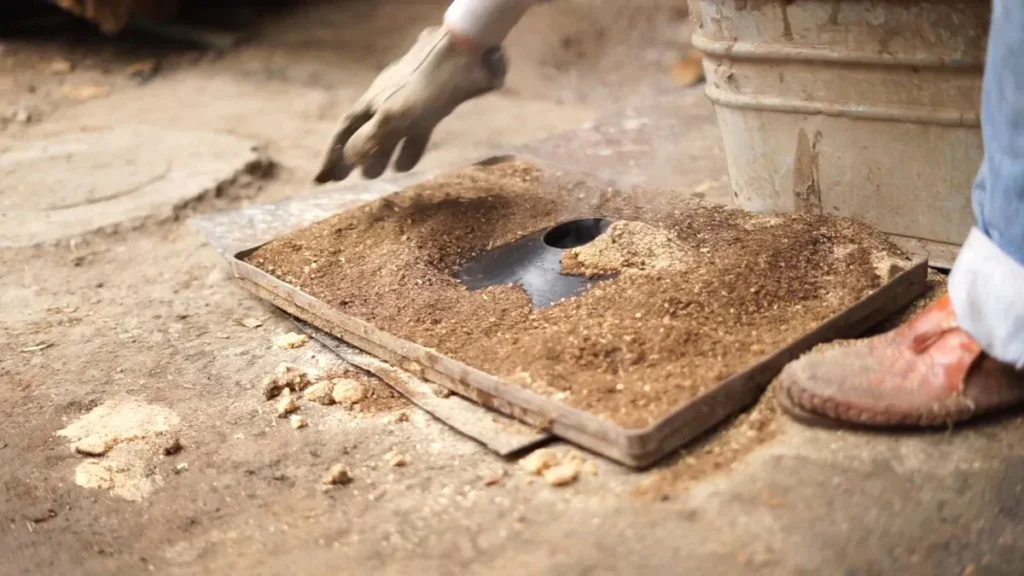
Manufacturers typically evaluate the three sand casting methods based on material composition, mold strength, surface finish, and machining difficulty. Their differences are shown in the table below.
| Casting Type | Materials Used | Mold Strength | Surface Finish | Process Complexity |
|---|---|---|---|---|
| Green Sand | Silica sand, clay binder | Moderate | Rough | Low |
| Sodium Silicate | Sodium silicate binder, sand | High | Good (Ra 3-5 µm) | Moderate (fast curing) |
| Resin Sand | Resin binder, sand | High | Smooth | High (longer curing) |
Wet sand uses basic raw materials and is suitable for larger, regularly shaped castings. Sodium silicate sand produces robust molds with finer details and smoother surfaces. Resin sand achieves top-tier surface quality and dimensional accuracy but requires longer machining times and more specialized operating skills.
Cost and environmental performance are also core evaluation criteria. Wet sand has the lowest cost and is recyclable. Sodium silicate sand has a moderate cost and can improve production efficiency. Resin sand has the highest cost and requires strict operational control but can produce high-quality castings for complex applications.
Choosing the Right Casting Method
The choice of casting method depends on the actual project requirements, including part size, structural complexity, production volume, and the type of metal being cast. Wet sand is suitable for simple, large parts. Sodium silicate sand meets medium levels of detail and surface finish requirements. Resin sand is the best choice for complex shapes and high-precision products.
The mold material and heat resistance of the molding sand also need to be considered. Ferrous metal casting requires high-temperature resistant sand, while non-ferrous metal production requires sand to suppress gas generation. Small-batch production typically uses wet molding sand to control costs, while large-volume orders use sodium silicate sand or resin sand to maintain consistent quality.
Manufacturers and distributors recognize the significant differences between wet sand, sodium silicate sand, and resin sand. Wet sand enables rapid production at low cost. Sodium silicate sand can be used to create molds with high strength and intricate details, while resin sand can produce castings with extremely smooth surfaces and very high dimensional accuracy. The optimal casting method depends on several key factors:
| Consideration | Description |
|---|---|
| Metal Type | Each metal works best with a certain casting method. |
| Surface Finish | Some projects need a smoother or rougher finish. |
| Casting Size | Big or small parts need different mold strengths. |
| Dimensional Accuracy | Some jobs need more exact sizes. |
| Production Volume | Making many or few parts changes the best process. |
FAQ
What are the main advantages of wet sand casting?
Wet sand casting allows factories to produce parts quickly and at low cost. It is ideal for producing large parts and high-volume production. Factories favor it because the molds are easy to make and the production cycle is short.
How do suppliers choose between sodium silicate sand and resin sand?
Suppliers consider the manufacturing difficulty of the part, the required surface smoothness, and precision. Sodium silicate sand is suitable for parts with medium detail and is inexpensive. Resin sand is best suited for parts requiring very smooth surfaces and precise shapes.
Can factories reuse sand in these casting methods?
Factories can reuse wet sand multiple times. Sodium silicate sand is difficult to reuse. Resin sand becomes hard due to the presence of binders and therefore cannot be reused.
Which industries most commonly use resin sand casting?
Automotive, aircraft, and large machinery manufacturers use resin sand casting extensively. They require parts with high strength, rich detail, and that meet stringent standards. Suppliers choose resin sand for testing parts and parts requiring fine machining.
How does Commin ensure the quality of its casting services?
Comming utilizes advanced CNC machine tools and implements rigorous quality control. The factory strictly adheres to international standards in product manufacturing. With skilled workers and sophisticated tools, Comming is able to produce robust, durable, and defect-free parts for every customer.