EN
EN  DE
DE  ES
ES  FR
FR 
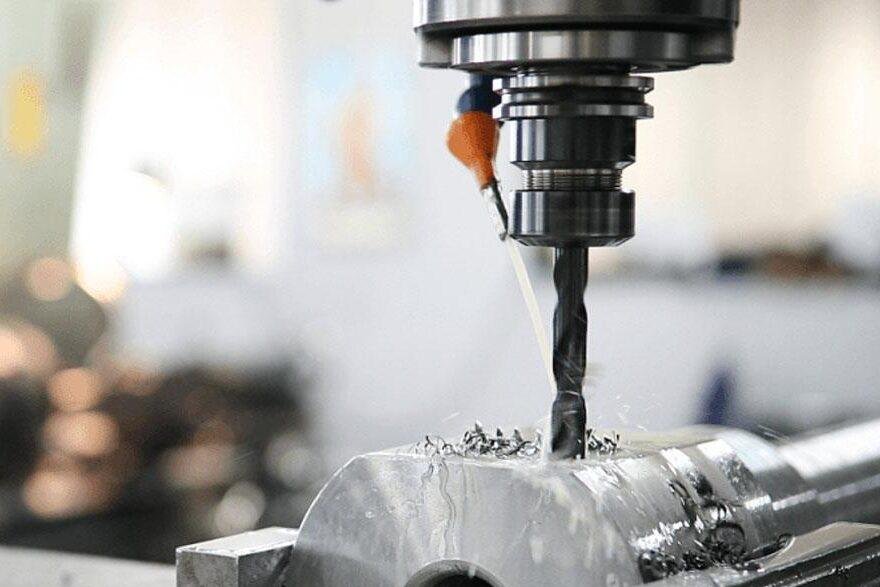
A CNC machine tool requires seven main components to operate efficiently: the machine tool control unit, drive system, machine tool components, workpiece clamping system, machine bed, feedback system, and cooling system. Each component is crucial for ensuring the machine tool’s accuracy and reliability. The table below explains how each main component helps the machine tool perform its work:
| CNC Machine Part | Role in Performance and Reliability |
|---|---|
| Machine Control Unit | Reads the programming language and tells other parts what to do. This helps the machine work exactly as needed. |
| Drive System | Executes instructions from the machine tool control unit. It affects the machine tool’s accuracy and speed, and consequently, dimensional accuracy. |
| Machine Tool | Contact with the workpiece and cut the material. Their quality determines the surface smoothness and the machine tool’s operating efficiency. |
| Workholding System | Holds the workpiece in place. If the workpiece moves, the machine tool may malfunction, and the machining quality will deteriorate. |
| Machine Bed | Gives the machine strength and support. It must be strong so it does not bend, which keeps the machine accurate. |
| Feedback System | Used to detect actual position and speed. This helps the machine maintain precision during operation. |
| Coolant System | Used to control temperature and remove chips. It maintains stable temperatures, thereby extending tool life and improving machine operating efficiency. |
Key Takeaways
- A CNC machine tool consists of seven main components: the machine control unit, drive system, machine assembly, workpiece clamping system, machine bed, feedback system, and cooling system. Each component is crucial for ensuring the machine operates efficiently and accurately.
- The machine control unit is like the brain of the CNC machine tool. It reads instructions and directs other components to perform operations. This helps the machine move precisely according to design requirements.
- The workpiece clamping system is used to hold the workpiece in place. Good clamping force prevents workpiece movement. This is essential for achieving clean cuts and ensuring personnel safety.
- The feedback system is used to check the machine’s operating status during operation. It uses sensors to collect information. This helps to quickly correct errors and ensures the machine operates with high precision.
- The cooling system controls temperature and removes chips during the cutting process. Cooling helps extend tool life and improve product quality. This system is crucial for CNC machine tools.
The CNC Machine 7 Major Parts Overview
The efficient operation of a CNC machine tool relies on seven main components. These components include:
- Machine Control Unit (MCU)
- Drive System
- Machine Assembly
- Workpiece Clamping System
- Machine Bed
- Feedback System
- Cooling System
Each component has its own function. They work together to help the CNC machine tool accurately cut and shape workpieces. The machine control unit is like the brain, responsible for sending instructions to other components. The drive system drives the movement of the machine tool components. The machine assembly clamps and uses the cutting tool. The workpiece clamping system keeps the workpiece stable. The machine bed supports all components. The feedback system detects the movement of the components. The cooling system controls temperature and removes chips. When these components work together, the CNC machine tool is able to machine complex shapes while maintaining accuracy.
Note: These components must work together. This helps the CNC machine tool operate smoothly and produce high-quality products every time.
Machine Control Unit (MCU)
The machine tool control unit is the main control component of a CNC machine tool. It reads instructions and sends signals to the drive system and other components. The MCU operates quickly, ensuring that each action is executed at the correct time and in the correct sequence. This component helps the machine tool strictly adhere to its design,This is crucial for precision-manufactured products.The MCU also monitors the machine tool’s operation and stops it if a problem is detected.
Drive System
The drive system converts signals from the machine tool control unit into motion. It comprises a motor, ball screw, and actuators. The motor drives the cutting tool along a path. The ball screw or rack and pinion converts the motor’s rotational motion into linear motion, precisely guiding the tool to the desired position. The drive system helps CNC machine tools operate smoothly and maintain accuracy, which is crucial for manufacturing well-assembled parts.
| Component | Function |
|---|---|
| Motors | Move the cutting tool along the path. |
| Ball Screws/Rack and Pinion | Change the motor’s turning into straight movement. Guide the tool along the path. |
Feedback sensors in the drive system detect the actuator’s position and send the data back to the microcontroller (MCU). This helps correct errors and ensures proper machine tool operation.
Machine Tool Assembly
Machine tool components include the spindle, cutting tool, and tool holder. The spindle rotates the cutting tool at high speed. The tool holder holds the cutting tool in place. This component enables CNC machine tools to precisely cut material from the workpiece. The quality of the machine tool components directly affects the smoothness and precision of the final product.
| Component | Description | Impact on Output Quality |
|---|---|---|
| Spindle and Cutting Tools | Spin cutting tools and control how much material is removed. | Good speeds and tools help make smooth parts. |
| Tool Holders | Hold the cutting tools tightly. | Stop tool movement and help make precise cuts. |
Machine tool components work in conjunction with the drive system and MCU. When these components work together, CNC machine tools can perform complex machining operations and produce high-quality parts.
CNC Machine Workholding System
Securing the Workpiece
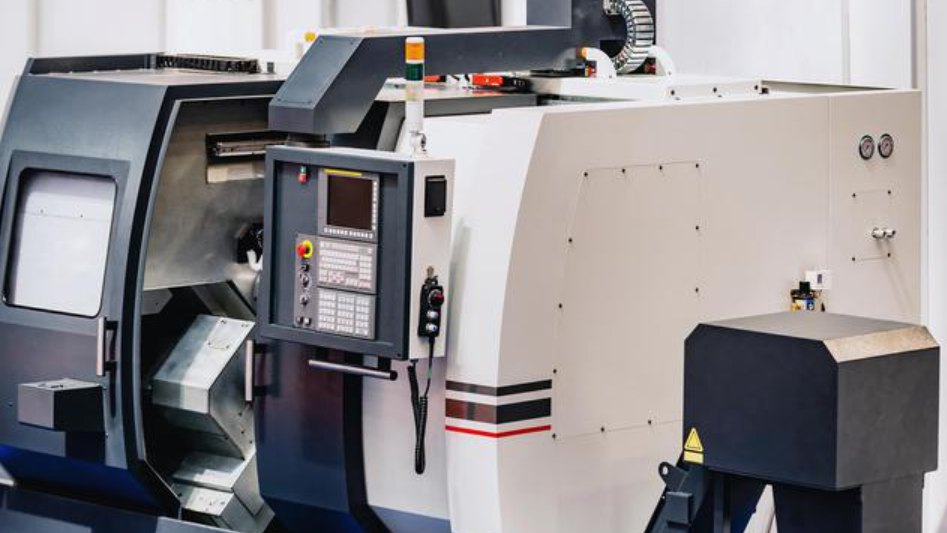
CNC machine tools require a workpiece clamping system to maintain workpiece stability. This system uses various methods to fix the workpiece, preventing it from moving or wobbling. When the workpiece is stationary, the machine tool can cut efficiently. If the workpiece slips, errors can occur, the tool may be damaged, or even safety hazards may arise.
The main functions of a CNC tooling fixture system include:
- Fixing the workpiece to prevent movement.
- Using fixtures to keep the workpiece stable and prevent wobbling.
- Precisely cut the workpiece by aligning it precisely.
- Change fixtures according to different machining needs to increase flexibility.
- Reduce manual adjustments and increase machining speed.
- Work in conjunction with CNC machine tools to ensure correct workpiece positioning.
- Use high-strength materials to withstand cutting forces.
A variety of tooling and fixture systems are available for different shapes and materials. For example:
- Soft jaw clamps, suitable for irregularly shaped parts.
- Stepped clamps, used to hold large sheet metal.
- Jig plates, facilitating repeated machining.
- Magnetic tooling fixtures, best suited for magnetic metals.
- Vacuum chuck tooling fixtures, suitable for flat or thin parts.
- Tape and glue, used to hold fragile parts.
Precision and Stability
Precision and stability are crucial in CNC machining. The tooling and fixture system must always hold the workpiece in the correct position. Strong clamps and good alignment help achieve this. Specialized chucks and collets can enhance workpiece rigidity. Appropriate clamping force ensures the workpiece’s safe and secure hold. For longer workpieces, a tailstock or center rest can provide additional support.
A good tooling and fixture system facilitates the repetitive execution of the same machining operations. Self-centering vises and quick-change pallets allow for rapid workpiece changes while maintaining accuracy. When the workpiece is held stable, CNC machine tools can produce parts that meet stringent standards every time. This makes the tooling and fixture system a key factor in the quality and speed of CNC machining.
Tip: Before starting machining, always ensure the workpiece is securely fixed. Good setup can prevent accidents and contribute to better machining results.
CNC Machine Machine Bed and Structure
Support and Rigidity
The machine tool bed is the base of a CNC machine tool, supporting all major components and maintaining its stability. Manufacturers typically use high-strength materials such as cast iron to construct the bed, which helps reduce vibration and thus ensures machining accuracy. The bed’s shape design ensures the machine tool’s stability, even when machining hard materials.
A rigid bed improves the machine tool’s accuracy. If the bed doesn’t bend or vibrate, the cutting tool can move smoothly, helping the machine tool to machine complex shapes and fine details. For example, machine tools with rigid beds, like the GJ1417 CNC milling machine, can reduce vibration by 25%, significantly improving machining accuracy.
Different bed materials offer different advantages:
| Material Type | Advantages | Compressive Strength |
|---|---|---|
| Epoxy Resin Composite | Very exact, stops shaking, stays stable in heat | Up to 160 N/mm² |
| Polymer-based Casting | Saves money, easy to shape, pretty exact | N/A |
| Composite Mineral Casting | Mixes minerals and steel for tough and useful beds | N/A |
Many new bed types use composite materials. Compared to cast iron beds, these beds offer better vibration resistance. They also have good heat resistance and minimal dimensional changes. This helps maintain machine tool precision and extends tool life.
Tip: Rigid lathes maintain their shape under high pressure. This helps maintain precision and produce smooth parts.
Alignment
Maintaining the calibration of the machine tool bed is crucial. Without calibration, errors can occur. Tools may not move correctly, and the spindle may deviate. These problems all affect the quality of the final part.
Many factors can lead to alignment problems:
- Manufacturing errors can cause axis misalignment.
- Insufficient table strength can cause bending during cutting.
- High temperatures can cause the table to warp, leading to axis misalignment.
Workers use tools to check alignment. They use dial indicators and gauges to check straightness. Laser systems can help measure alignment. Regular inspection and maintenance of the machine helps detect problems early.
To maintain alignment, workers should:
- Check the frame and table for bending or twisting.
- Maintain guideways, bearings, and screws.
- Place the machine on a firm, stable surface.
Regular inspection and maintenance of the machine helps produce accurate parts every time.
CNC Machine Feedback System
Monitoring Performance
Feedback systems help monitor the operation of CNC machine tools. They use sensors and software to collect information during machine operation. This information allows the machine to make immediate adjustments, ensuring machining accuracy and speed. Operators can use feedback systems to detect problems early. They can resolve problems before they damage the final part.
- Feedback systems enable automatic updates to CNC programs.
- Sensors monitor tool wear, tool length, and workpiece dimensions.
- Statistical Process Control (SPC) helps monitor and correct machining processes.
- Probes, lasers, and non-contact sensors provide data to CNC systems.
Some sensors in CNC feedback systems include rotary transformers, optical or capacitive encoders, and Hall effect devices. Rotary transformers offer high accuracy, but Hall effect devices are less expensive. Incremental encoders measure position changes. Absolute encoders display precise position.
These sensors help maintain consistency and high accuracy in machining. Feedback systems assist with tool changes, workpiece coordinate system offsets, and tool coordinate system offsets. This helps the machine adjust accordingly when changes occur during machining.
Position Control
Position control is a crucial function of feedback systems. It ensures that the cutting tool and workpiece remain in the correct position. The system uses sensors to rapidly transmit data to the control unit. The control unit immediately uses this data to make adjustments.
| Aspect | Description |
|---|---|
| Sensors | Provide data to the control unit rapidly. |
| Real-time adjustments | The machine adjusts immediately to maintain accuracy. |
| Feedback cycle | Correct errors and maintain process stability. |
| Operational efficiency | Makes work faster by using quick data and changes. |
| Precision | Keeps the work exact with fast changes. |
Closed-loop feedback systems offer the following significant advantages over open-loop systems:
| Benefit | Closed-Loop Systems | Open-Loop Systems |
|---|---|---|
| Accuracy | Gives very exact motion with quick fixes | Not as exact, no feedback |
| Adaptability | Can change when things are different | Always works the same |
| Stability | Stays steady even if something changes | Can make more mistakes |
| Efficiency | Works well and wastes less | Not as good |
Servo motors with encoders or resolvers make closed-loop systems extremely precise. High-speed machines and robotic arms require closed-loop feedback to operate efficiently. Feedback systems help CNC machine tools adhere strictly to rules, producing high-quality parts every time.
CNC Machine Coolant System
Heat Management
Cooling systems help control the temperature of CNC machine tools. When a cutting tool comes into contact with the workpiece, the tool heats up. Excessive heat can cause rapid tool wear and even damage to the workpiece. Cooling systems use special coolants to remove this heat. High-pressure cooling systems spray coolant directly onto the tool and workpiece, resulting in rapid cooling and stable temperature.
Operators use the cooling system to prevent overheating. The system also flushes away chips and dirt. Chips can clog tools and generate more heat. By keeping the machining area clean, the cooling system protects both the tool and the workpiece.
- Removing heat to prevent damage to the tool and workpiece.
- Flushing away chips and dirt from the cutting area.
- High-pressure cooling systems provide faster cooling and prevent tool wear.
Different machining operations require different coolants. The following table lists some common coolants and their applications:
| Coolant Type | Composition | Pros | Cons | Ideal Applications |
|---|---|---|---|---|
| Synthetic | Water-based with synthetic additives | Cools very well, keeps things clean | Not as slippery, can make foam | Good for fast milling and grinding, works well with aluminum |
| Semi-Synthetic | Mix of chemicals and mineral oil | Works for many jobs, leaves less mess | Costs more, needs care | Good for mixed materials, needs some lubrication |
| Straight Oil | All oil (mineral, synthetic, or vegetable) | Very slippery, makes smooth surfaces | Does not cool as well, can be unsafe | Good for deep drilling, tapping, and tough jobs |
| Special Additives | Has extra chemicals for tough jobs | Stops metal parts from sticking | Can be bad for health and the environment | Good for hard machining and forming |
Tool Lubrication
Cooling systems function through lubrication. This is called lubrication. Lubrication prevents excessive friction between the tool and the workpiece. Less friction means longer cutting tools remain sharp, resulting in better-looking finished parts. Operators choose coolants with good lubrication properties for high-intensity tasks such as deep hole drilling.
- Lubrication reduces friction and tool wear.
- Reducing friction maintains tool strength and sharpness.
- It helps remove chips, preventing damage to tools or workpieces.
A good cooling system contributes to the efficient operation of CNC machine tools. It keeps tools in good condition and produces higher-quality parts. Operators regularly check the coolant and change it when necessary. This ensures the system is always operating at its best.
Tip: Always check the cooling system for leaks or low coolant levels. Maintaining a proper cooling system prevents tool damage and ensures machine safety.
Understanding the seven main components of a CNC machine tool helps in understanding how they work together. Each component is crucial for the machine’s efficient operation and reliability. By understanding these components, you can:
- Understand how each component affects machine operation.
- Improve product quality.
- Choose the best CNC machine tools or services.
This knowledge will help you make informed choices and successfully complete your projects.
FAQ
What is the role of the Machine Control Unit (MCU) in a CNC machine tool?
The MCU reads instructions and sends signals to other components. This helps the machine tool operate according to its design, ensuring the precision of each action.
Why is the workpiece clamping system so important?
The workpiece clamping system stably holds the workpiece, preventing it from moving during cutting. This helps the machine tool machine parts safely and accurately.
How does the cooling system help CNC machining?
The cooling system removes heat and chips, protects the cutting tool from damage, and keeps the part surface smooth.
What is the role of the feedback system?
The feedback system uses sensors to detect position and speed, helping the machine tool quickly correct errors and ensuring the accuracy of the machining process.
Can the machine bed of a CNC machine tool be made of different materials?
Yes, the machine bed of a CNC machine tool is typically made of cast iron, epoxy resin, or composite materials. A robust bed effectively suppresses vibration, ensuring the machining accuracy of the machine tool.