EN
EN  DE
DE  ES
ES  FR
FR 
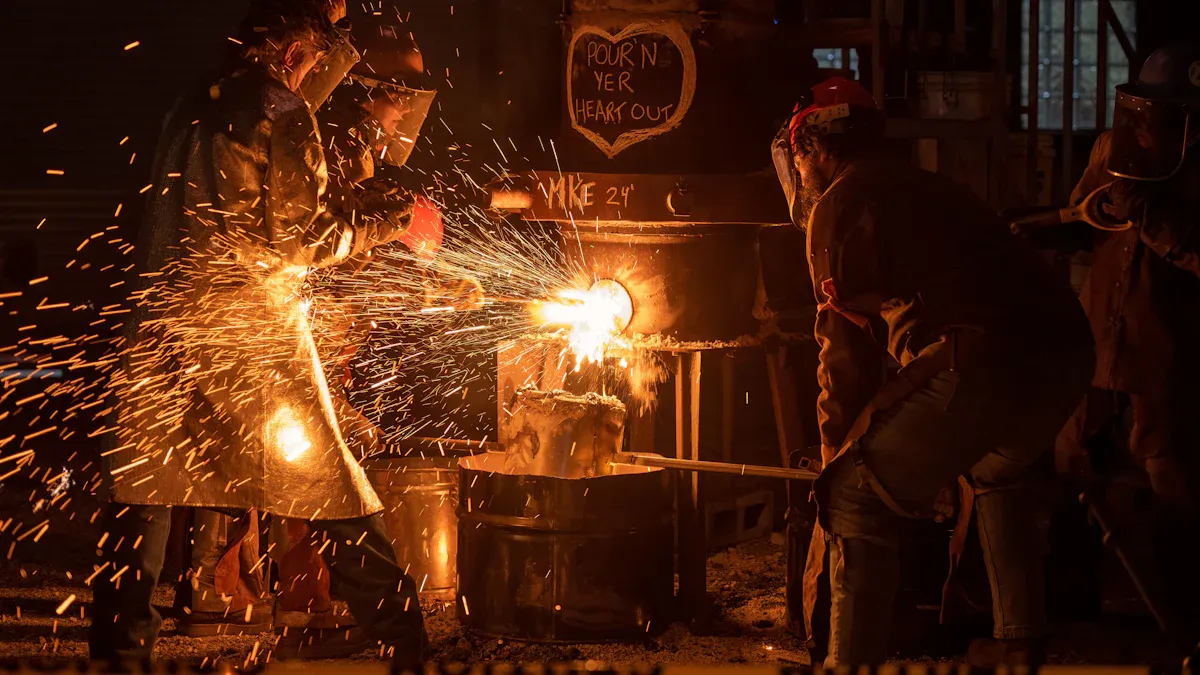
The investment casting process often takes four to eight weeks to finish. Each step, like making wax patterns and putting them together, takes time. Building the shell, removing the wax, pouring the metal, finishing, and checking the parts also add time. KEMING which has more than 20 years of experience offer custom investment casting services. KEMING is a marine industry castings manufacturer and offer fastest custom steel casting solutions in marine industry, car and every kinds of industry. KEMING’s modern factory and strong quality checks help customers get good results on time.
Key Takeaways
The investment casting process usually takes four to eight weeks. The time depends on how big and complex the parts are. Smaller parts can be finished in two to five days. Bigger parts may need up to seven days for each cycle. KEMING uses advanced technology and skilled workers to work faster. This helps keep the quality high and deliver on time. Customers should give project details early to help KEMING plan well. This helps them meet deadlines. Using 3D printing and automation can lower mistakes. It also makes the investment casting process work better.
Investment Casting Process Timeline
Typical Duration Overview
The investment casting process includes several steps. Each step takes a different amount of time. Most projects finish in four to eight weeks. Some parts need less time, while others need more. KEMING uses advanced machines and skilled workers to speed up each stage. Their team follows strict quality checks to make sure every part meets high standards.
The table below shows how long each stage usually takes:
Stage | Duration |
|---|---|
Tooling design | 4-6 weeks |
Sample castings | 2-4 weeks |
Production | 6-8 weeks |
Tooling design starts the investment casting process. This stage creates the molds and patterns. It often takes four to six weeks. Sample castings come next. Workers use these samples to test the design and make sure it works. This step takes two to four weeks. Production is the final stage. Here, the team makes the full batch of parts. Production usually takes six to eight weeks.
KEMING’s investment casting services help customers get their parts faster. Their modern factory and two casting lines allow them to handle many orders at once. They use advanced CNC machines to make precise molds. This technology helps reduce delays and keeps the investment casting process on track.
Timeframes for Small vs. Large Parts
The size of the part affects how long the investment casting process takes. Small parts need less time. Large or complex parts need more steps and careful work.
Small castings: Workers can finish small investment casting projects in two to five days for each cycle. These parts cool quickly and need less material.
Large castings: Bigger parts take longer. Each cycle may last up to seven days. Large parts need more time to build the shell and cool the metal.
KEMING can handle both small and large investment casting projects. Their team uses special techniques for complex shapes. They work with many metals, such as stainless steel, aluminum, and carbon steel. Customers can trust KEMING to deliver fast and reliable results, no matter the size of the part.
Tip: Customers who need quick delivery should share their project details early. This helps KEMING plan the investment casting process and meet deadlines.
The investment casting process gives companies a way to make strong and detailed metal parts. KEMING’s experience and advanced tools help them finish projects on time. Their team works hard to keep every step efficient and accurate.
Investment Casting Process Steps
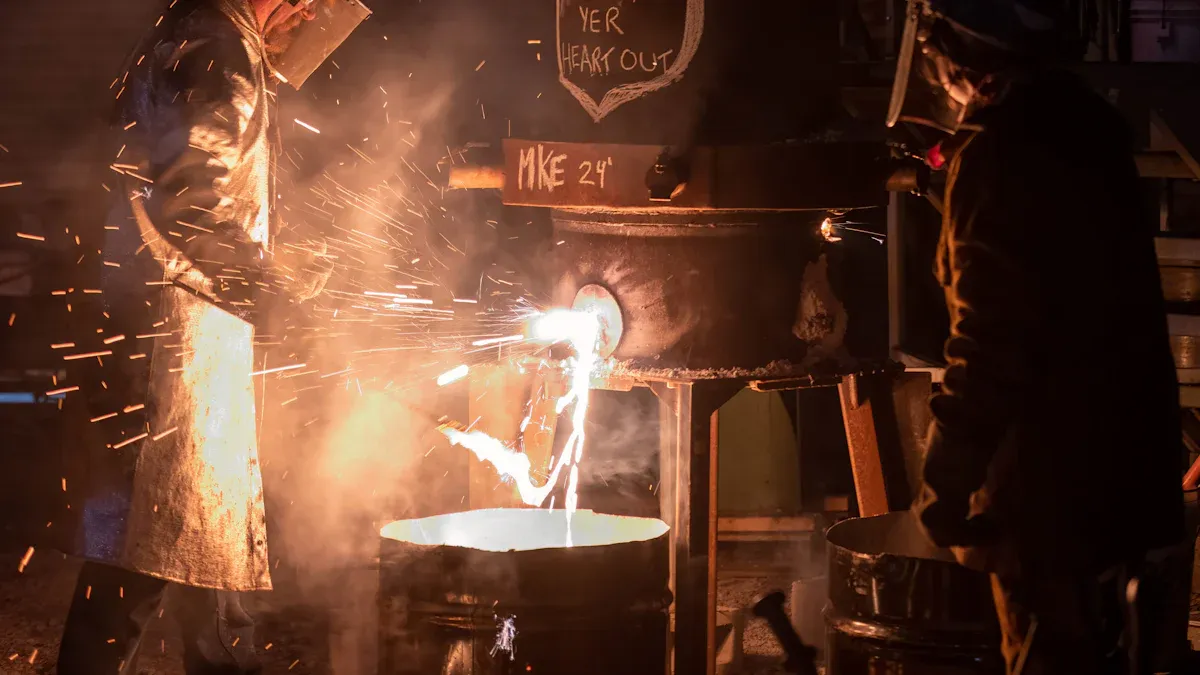
Investment casting has many steps to make metal parts. This guide explains each stage and how long it takes. KEMING uses strict rules and new machines for good results.
Tooling and Pattern Creation
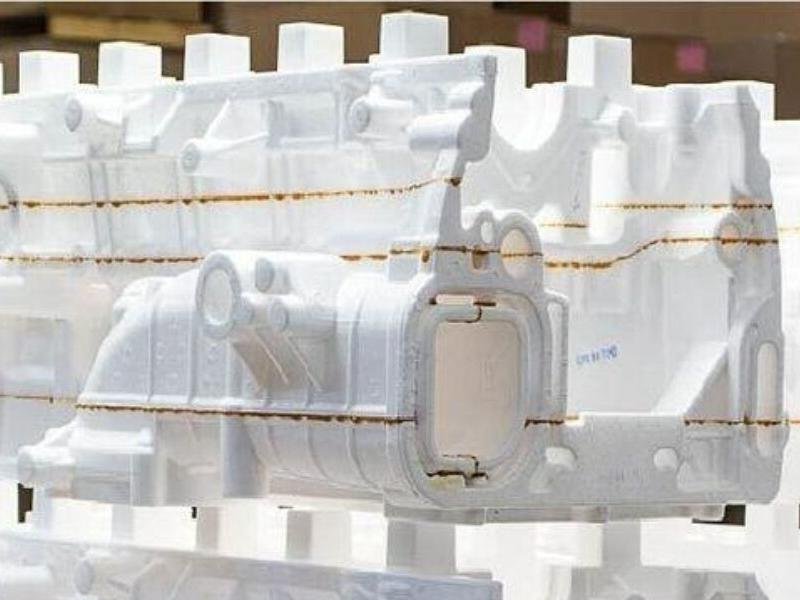
Tooling and pattern creation is the first step. Workers make molds for wax patterns. Simple shapes are faster to make. Hard designs need more time and work. Big parts need bigger molds, so they take longer.
KEMING uses CNC machines and 3D printing to help. These tools make molds quickly and accurately. Making and testing tooling can take weeks or months. This step has modeling, prototyping, testing, and fixing before making many parts.
Factor | Impact on Tooling and Pattern Creation Time |
|---|---|
Design Complexity | More intricate designs increase time |
Part Size | Larger parts require longer machining |
3D Printing Solutions | Speeds up pattern production |
Tooling Development | Several weeks to months |
KEMING’s team checks every mold carefully. Their experience helps stop mistakes and saves time.
Shell Building and Dewaxing
After wax patterns are ready, workers build a ceramic shell. The shell must be strong and not have cracks. Each layer needs to dry well. Workers keep the room at 22-25°C. Humidity stays at 50-60%. Air moves at 3-5 m/s for 4-6 hours. These controls help stop cracks and make a solid shell.
When the shell dries, dewaxing starts. Workers use steam and pressure to remove wax. The table below shows important dewaxing numbers:
Parameter | Value | Tolerance | Purpose |
|---|---|---|---|
Autoclave Temperature | 180°C | ±5°C | Melt wax safely |
Steam Pressure Upper | 0.8 MPa | ±0.1 MPa | Expel wax |
Steam Pressure Lower | 0.76 MPa | ±0.1 MPa | Maintain pressure |
Pressurization Time | 1000 sec | ±20 sec | Gradual increase |
Dewaxing Time | 20 sec | ±5 sec | Complete wax removal |
Wax Discharge Time | 100-500 sec | Variable | Drain wax |
Water Drain Time | 50 sec | ±2 sec | Remove condensate |
KEMING’s team watches every step closely. They make sure shells are strong and production is smooth.
Metal Casting and Cooling
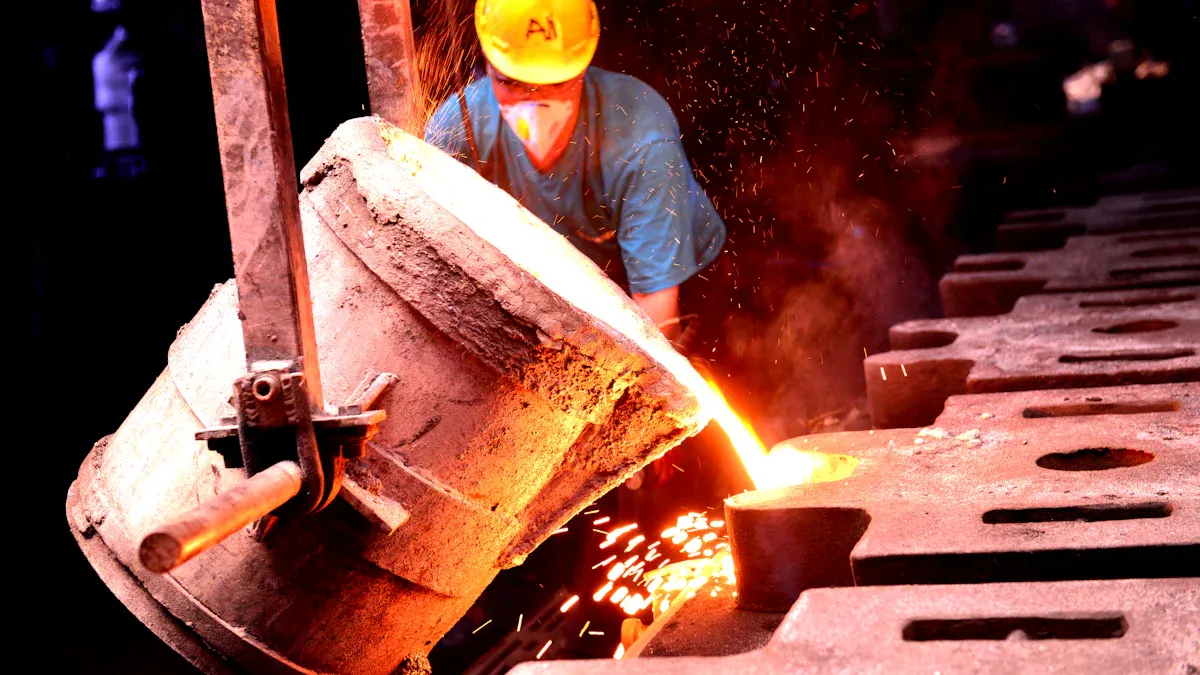
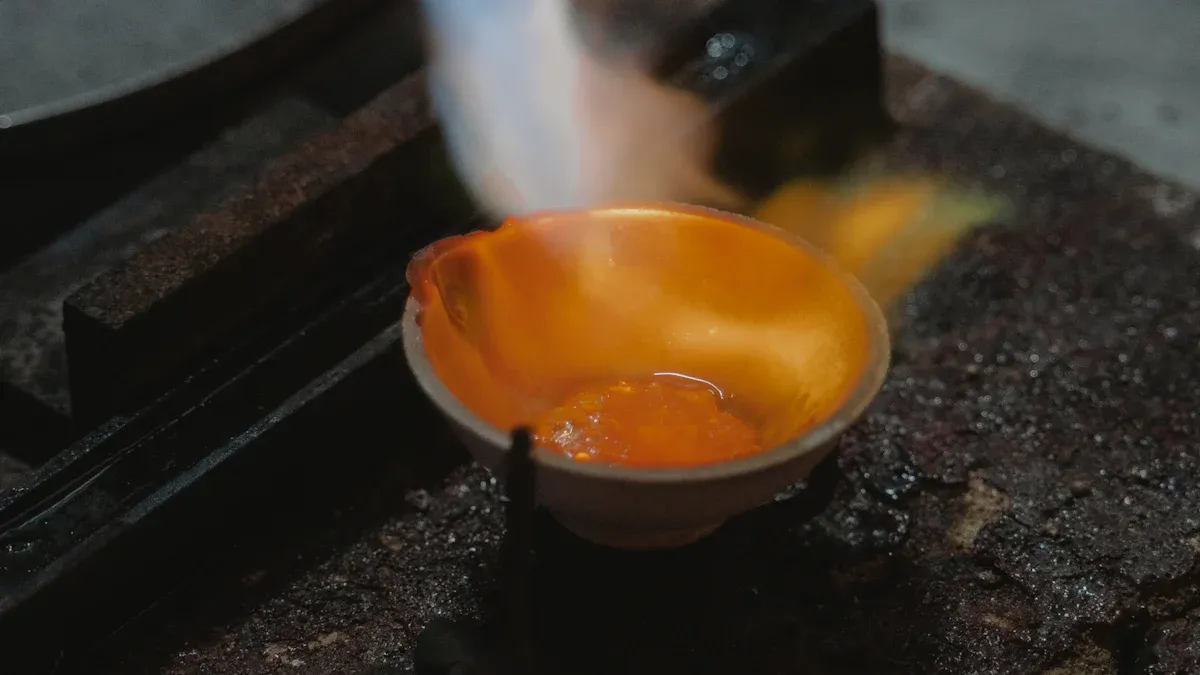
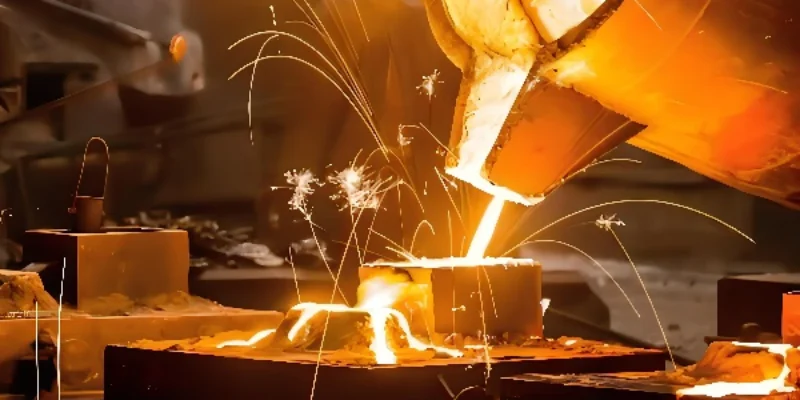
Next, workers pour hot metal into the shell. They pick the right metal for each part. Cooling takes 10 to 60 minutes, depending on the metal.
Aluminum cools fast because it moves heat well.
Stainless steel cools slower because it holds heat.
Metals with high heat capacity take longer to cool.
KEMING’s factory controls temperatures very carefully. Their team knows how metals act when cooling. Nickel white gold needs special timing. If it stays hot too long, it gets too hard. KEMING’s skills help avoid problems and keep results steady.
Finishing and Quality Control
After cooling, workers take off the shell and finish the part. They clean, grind, and polish the surface. KEMING’s team uses special tools to check every part.
Quality Control Measure | Impact on Timeline |
|---|---|
Advanced Inspection Techniques | Detects defects early, reducing rework and delays |
Precision Measuring Equipment | Ensures dimensional accuracy |
Material Testing | Verifies material quality |
Process Control | Maintains consistency |
Skilled Workforce | Fewer defects, faster production |
KEMING checks every part to meet high standards. Their skilled workers look for mistakes and make sure parts are right. These steps help give customers strong and smooth castings.
Note: Every step in investment casting is important. KEMING’s skills and careful checks make sure parts are what customers want.
Investment casting is a good way to make complex metal parts. This guide shows how KEMING uses technology and skill for fast, high-quality results.
Factors Affecting Investment Casting Timeline
Part Complexity and Size
How hard and big a part is changes how long casting takes. If a part has lots of small details, workers need more steps. They must make sure the molds are just right. Hard designs need extra planning and more time for checking. Investment casting is good for parts with special shapes. Other methods cannot make these shapes. Bigger parts need larger molds and more stuff to make them. This can slow down how fast workers finish. Small parts usually go through the process quicker.
Investment casting gives very exact and good results.
Hard shapes need more steps to make molds.
Planning helps stop errors.
Big parts take more time to cast and cool.
KEMING can work with all sizes and shapes. Their team uses smart tools for easy and hard jobs.
Order Quantity and Material Choice
How many parts you want and what they are made of also change the time needed. If you order a lot, workers must make a mold for each part. This makes the job take longer and can cause mistakes. If something goes wrong, workers may have to start again. Car parts often take 8 to 10 weeks. Airplane parts can take up to 12 weeks because they need to be perfect.
Aspect | Investment Casting | Die Casting |
|---|---|---|
Mold Requirement | New mold for each part | Reusable steel molds |
Production Speed | Slower because of mold making | Faster cycles |
Typical Lead Time | 8 to 12 weeks | Less time than investment casting |
What the part is made of also matters. Investment casting works with many metals. Each metal has its own needs. Some metals need extra steps like heating or cutting. Picking the right metal and process saves time and makes better parts.
Material Type | Impact on Timeline | Required Processing Steps |
|---|---|---|
Alloys | Big impact | Heat, cutting, coatings |
KEMING has many metals and alloys to choose from. Their team knows how to pick the best one for each job.
Customization and Design Changes
Changing the design or making custom parts can make casting faster or slower. If customers want changes, workers may need to fix molds or patterns. KEMING uses 3D printing and computer tests to check designs before making them. These tricks help stop mistakes and keep things moving.
Tip: Digital twin technology helps teams find problems and fix designs before casting starts.
Strategy | Description |
|---|---|
3D Printing | Makes hard shapes and saves time |
Automation and AI | Makes work more exact and quick |
Digital Twin Technology | Tests casting and stops mistakes |
KEMING can handle changes and custom jobs fast. Their smart machines and skilled team help avoid delays and give great results.
Estimate Your Investment Casting Project
Questions to Ask Your Provider
If you want to start an investment casting project, you should ask your provider some important questions first. These questions help you know what to expect and stop problems before they happen.
How long does each step of the investment casting process take?
Will the size or shape of my part make it take longer?
What materials should I use, and will they change the schedule?
Can you tell me how my project is going as it moves along?
What do you do to make sure the parts are good and there are no delays?
KEMING likes to talk openly with customers. Their team gives updates fast and answers questions right away. This helps customers know what is happening and plan better.
Tips for Faster Turnaround
Experts have some ideas to help finish investment casting projects faster.
Put orders that are alike together so you do not have to change tools a lot.
Let other companies make lots of simple cores so you can focus on hard parts.
Make the tools for machining before you pour the metal.
Send early samples to customers so they can say yes quickly.
Check customer orders fast to make approval times shorter.
Make sure all teams are working at the same time to save time.
KEMING uses new machines like 3D printers for wax patterns and robots for dipping. Their team makes strong shells with many ceramic layers and tests metals in special furnaces. These steps help KEMING finish investment casting parts quickly and keep them high quality.
Tip: If you work with a company like KEMING, you can use the newest ways to make parts and avoid waiting.
Avoiding Common Delays
Sometimes investment casting takes longer, but good planning can stop this.
Make sure patterns are made right with good machines.
Keep shell drying and firing at the right temperature for good results.
Cool parts slowly and carefully to stop mistakes.
Make strong core supports so they do not move when pouring metal.
Pick materials that handle heat well so the shell does not crack.
KEMING’s team watches every step closely. They use smart planning to find and fix problems early. If customers share details and approve designs fast, the investment casting process stays on time.
Note: If you talk early and plan well with KEMING, you will get good time estimates and your project will go smoothly.
The investment casting process can take a few days or even weeks. Every project has important steps like tooling, shell building, casting, and finishing. The table below shows a normal timeline:
Process Type | Timeline | Cost |
|---|---|---|
Investment Casting | 72 hours | $4,000 |
How long it takes depends on mold design, wax model strength, and how the process is controlled. Skilled companies like KEMING help customers save money, get better quality, and finish faster.
If you want help and quick results, KEMING gives advice and fast service for all casting jobs.
FAQ
How does investment casting differ from other casting methods?
Investment casting uses wax patterns and ceramic shells to create detailed metal parts. Other methods may use sand or permanent molds. This process allows for complex shapes and smooth surfaces.
What is the lost wax process?
The lost wax process creates a wax model of the part. Workers cover the model with ceramic. They melt out the wax, leaving a shell. Metal fills the shell to form the final part.
How accurate are the finished parts?
Finished parts from this process show high accuracy. Tolerances often reach ±0.1 mm. This makes the method ideal for industries that need precise components.
Can investment casting handle custom designs?
This process works well for custom designs. Engineers can adjust patterns and molds to fit special shapes or features. Many industries use it for unique parts.