EN
EN  DE
DE  ES
ES  FR
FR 
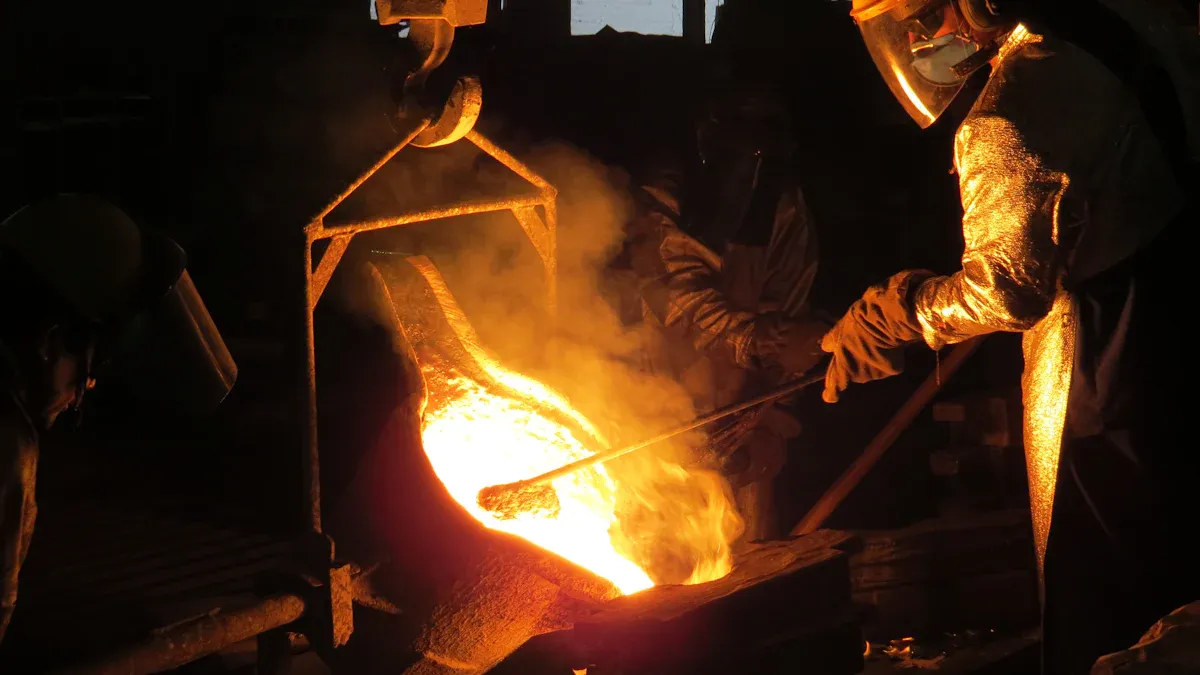
Lost wax cast and lost foam castings suppliers offer two distinct methods for producing metal parts. Lost wax casting uses wax patterns to create lost wax metal casting parts with exceptional accuracy, making it ideal for intricate designs and thin walls. This process is especially valuable for applications requiring precise dimensions, such as railway castings. On the other hand, lost foam casting utilizes foam patterns, which are better suited for manufacturing large sections and hollow shapes. The choice between these casting methods affects the material selection, surface finish, and production speed. For instance, lost wax cast parts are preferred in industries where exact sizing and fine detail are critical, like railway castings. The table below highlights the main differences in geometry, materials, and outcomes, helping you understand why it’s important to know each process when selecting the best casting method.
Criteria | Lost Foam Casting | Lost Wax Casting |
|---|---|---|
Part Geometry and Complexity | Good for big, hollow parts and undercuts. | Best for very thin walls and detailed shapes. |
Material and Mechanical Requirements | Works with aluminum alloys and ductile iron. | Works best with stainless steels and superalloys. |
Dimensional and Surface Finish | Tolerances of ±0.5 – 1.0 mm, surface finishes Ra 6.3–12.5 µm. | Tighter tolerances of ±0.1 – 0.3 mm, Ra 0.8–3.2 µm finishes. |
Production Volume and Tooling Budget | Saves money for medium to high amounts. | Worth it for small amounts needing high accuracy. |
Lead Time and Iteration Speed | Fast pattern changes for quick testing. | Steady results but takes more time. |
Key Takeaways
Lost wax casting works well for small parts with details. It uses wax patterns to make smooth and exact shapes.
Lost foam casting is good for big, hollow parts. It uses foam patterns that disappear during casting. This makes it cheaper for making many parts.
Pick lost wax casting if you need very accurate and detailed parts. It is used in places like aerospace and medical fields.
Pick lost foam casting if you want faster making and less waste. It is used in car and factory work.
Think about the part’s shape, material, and how many you need. This helps you choose the best casting method.
Lost wax casting process explained
Steps in the lost wax casting method
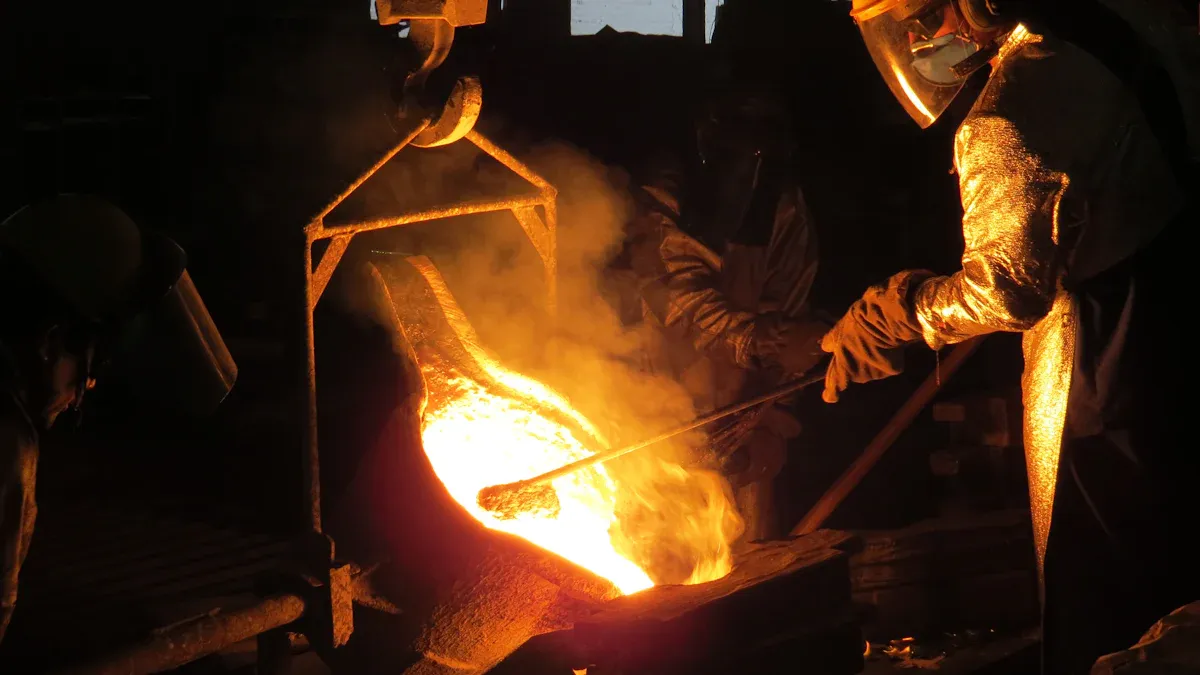
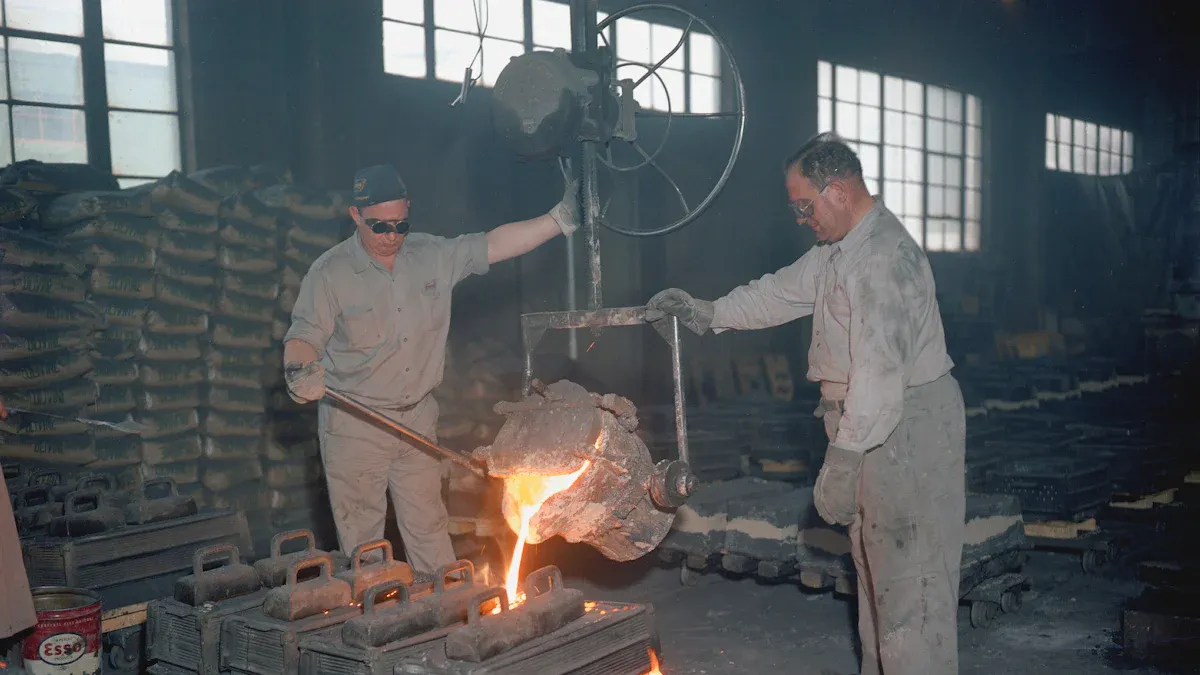
Lost wax casting uses many steps to make metal parts. First, workers make a wax pattern. They pour soft wax into a mold. The wax takes the shape of the part. Many wax patterns join together on a main stick. This looks like a tree. The tree lets workers cast many parts at once. Next, they dip the wax tree in wet ceramic. The ceramic covers the wax and gets hard. Then, they heat the ceramic shell. The wax melts and runs out. This leaves a space shaped like the part. Workers bake the shell to dry it and make it strong. Hot metal is poured into the empty space. The metal fills the mold. After the metal cools, workers break the ceramic shell. The finished metal parts come out. Workers cut each part off the main stick. They clean the parts with sand or shot blasting. Sometimes, they add extra coatings to protect the parts.
Materials and equipment for lost wax cast parts
Lost wax casting uses special materials to make strong parts. Casting wax shapes the part and gives a smooth surface. Metal alloys like nickel-based, stainless steel, and carbon steel are common. Each alloy has its own strengths. Nickel-based alloys resist heat and rust. Stainless steel is strong and does not rust. Carbon steel is tough and costs less. These metals are used for different jobs. The table below shows what each metal does best:
Material Type | Properties | Applications |
|---|---|---|
Nickel-Based Alloys | Handles heat and rust well | Used for turbine blades and valves |
Stainless Steel | Strong and smooth, resists rust | Used for medical tools and marine parts |
Carbon Steel | Tough and cheap, wears well | Used for gears and mining machines |
Applications of lost wax casting in industry
Many industries use lost wax casting for accurate parts. Car makers use it for engine parts. Airplane companies need light and strong parts with tricky shapes. Oil and gas companies use it for parts that handle high pressure. Factories and energy plants use castings for machines and turbines. The table below lists where lost wax casting is used:
Industry | Typical Applications |
|---|---|
Automotive | Engine parts and brackets |
Aerospace | Light and complex parts |
Oil & Gas | Valves and fittings for high pressure |
Industrial Machinery | Pumps and gears |
Energy Production | Turbine blades and heat exchangers |
Pros and cons of lost wax casting
Lost wax casting lets designers make very detailed shapes. It needs fewer tools, so small batches are easy. Making many parts is fast and the results stay the same. Many metals can be used, so parts can be strong or rust-proof. The process wastes less material and needs less finishing work. The surface is smooth and can be changed for special needs. But, lost wax casting can cause tiny holes in the metal. Some parts may not be very hard. Cutting the molds can be tricky and slow. New technology helps make the process better and faster. KEMING uses lost wax casting to make high-quality metal parts for tough jobs.
Lost foam casting process overview
How lost foam casting works
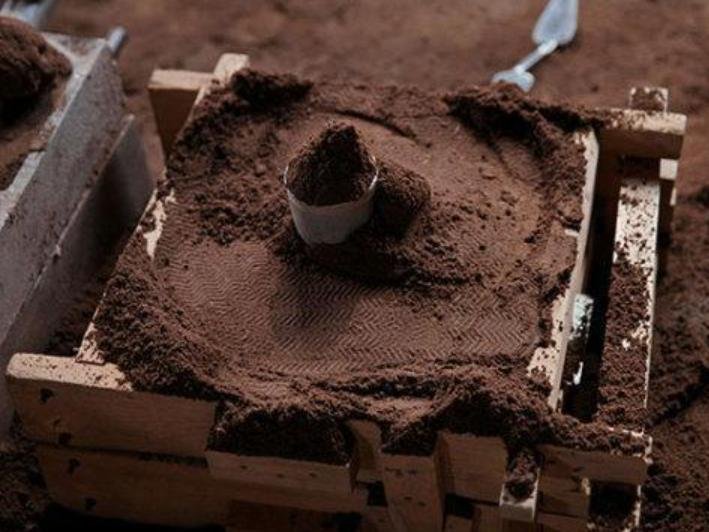
Lost foam casting makes metal parts in steps. Workers first make a foam pattern. They heat small beads so they get bigger. The beads are shaped into the part. If the part is tricky, workers glue pieces together. The foam patterns go on a gating system. This forms a cluster. Workers cover the cluster with a special coating. The coating keeps the pattern steady when casting. After coating, the cluster goes in dry sand. The sand does not have binder. Hot metal is poured into the mold. The foam pattern disappears and the metal fills the space. When the metal cools, workers take away the sand. The finished casting is now ready. This way, parts can be very accurate and have lots of detail.
Materials used in lost foam casting
Many materials help lost foam casting work well. The table below lists common materials and what they do:
Material Type | Properties | Use Cases |
|---|---|---|
Polystyrene | Light, cheap, smooth finish, burns away cleanly | Most foam patterns |
Polymethyl Methacrylate | Stronger, more exact, costs more | Hard, detailed castings |
Refractory Slurry | Makes surface smoother and mold stronger | Coating for foam patterns |
Ceramic Shell | Handles heat well, shows tiny details | Used for hot alloys |
Silica Sand | Lets air pass, stays stable in heat | Regular sand for molds |
Zircon Sand | Moves heat fast, does not expand much | Used for hot alloys |
Bentonite Clay | Makes sand stick together better | Binder in sand molds |
Silica Sol | Helps coating stick, stands up to heat | Binder in coatings |
Industrial uses of lost foam casting
Lost foam casting is used in many jobs. The table below shows how it compares to lost wax casting:
Casting Type | Primary Applications |
|---|---|
Lost Foam Casting | Cars (engine blocks, brake discs), Machines (gear housings), Planes (structural parts) |
Lost Wax Casting | Planes (turbine blades), Medical (implants), Art and Jewelry (fancy pieces) |
KEMING’s factory does both lost foam and lost wax casting. They help car, machine, and plane companies.
Advantages and disadvantages of lost foam casting
Lost foam casting has many good points:
Very smooth surface
Works for hard shapes
Cuts down on waste
Parts are exact and detailed
Less need for extra work
No draft angles or parting lines
Saves money and helps the environment
Easy and flexible process
But there are some problems:
Costs a lot to start
Pouring metal needs careful control
Patterns can break or bend easily
KEMING’s team helps customers get strong and accurate castings every time.
Lost Wax vs Lost Foam: Method Comparison
Pattern materials and mold creation differences
Pattern materials and mold creation show what makes each casting method special. Lost wax casting uses wax patterns. Lost foam casting uses expanded polystyrene foam. The table below shows how pattern and mold creation are different:
Aspect | Lost Foam Casting | Lost Wax Casting |
|---|---|---|
Pattern Material | Expanded polystyrene foam | Wax (paraffin-microcrystalline blend) |
Pattern Creation Time | 1–4 hours | 20–30 seconds |
Mold Creation Method | Foam pattern embedded in unbonded sand | Refractory shell built around wax patterns |
Dewaxing Process | Not applicable (foam vaporizes) | Autoclave or steam autoclave to remove wax |
Pouring Temperature | Aluminum at ~620 °C or ductile iron at ~1,400 °C | Stainless steel (1,450 °C) to Inconel 718 (1,530 °C) |
Cooling Time | 30–90 seconds | 30–120 minutes |
Lost wax cast parts have smooth surfaces from the wax. This helps make detailed molds. Foam patterns in lost foam casting can make bigger and more complex shapes. Each method uses a different way to make molds. This changes how the finished casting looks.
Process complexity and production efficiency
Process complexity and production efficiency are not the same for both casting methods. Lost foam casting uses foam patterns that disappear when metal is poured. This means less machining and less scrap. Parts come out close to their final shape. Foam patterns help make parts more accurate and speed up production. Workers spend less time fixing parts. This saves money and energy.
Lost foam casting cuts down on machining and scrap.
The process saves money and makes parts faster.
Lost wax casting has more steps. Workers must remove the wax and build a ceramic shell. This takes longer and can cause problems like tiny holes and shrinking. More material is wasted because wax and investment material are lost.
Lost wax casting can have problems like tiny holes and shrinking.
The process takes longer because of wax removal and cooling.
More material is wasted.
Comparing both methods shows lost foam casting works better for big batches. Lost wax casting is best for parts with lots of detail.
Surface finish and dimensional accuracy
Surface finish and dimensional accuracy are important in casting. Lost wax casting makes parts with very high accuracy and smooth surfaces. Lost foam casting also makes accurate parts. But it often needs more work after casting to get the same smoothness.
Mold Type | Dimensional Accuracy | Surface Finish (Ra) |
|---|---|---|
Lost Foam Casting | High (±0.25 mm) | 3.2–6.3 µm |
Lost Wax Casting | Very high (±0.1 mm) | 1.6–3.2 µm |
Another table shows tolerances and extra work needed:
Casting Method | Tolerances | Post-Processing Requirements |
|---|---|---|
Lost Wax Casting | ±0.1 mm to ±0.5 mm | Needs little extra work; parts are almost ready |
Lost Foam Casting | ±0.3 mm to ±1.0 mm | Needs grinding, machining, and heat treatment |
Lost wax cast parts often need little finishing. Lost foam casting parts may need more steps to make them smoother and more accurate. Both methods have good and bad points for different industries.
Cost and economic considerations
Cost and economic considerations are important when picking a casting method. Lost wax casting costs more for tools and takes longer to finish. It works well for small batches and parts that need to be very accurate. Lost foam casting costs less for tools and is faster. It is better for bigger batches and complex shapes.
Labor and material costs are different too. Making foam patterns costs less for each kilogram. Sand and coating add to the cost. Energy and labor are also important. For aluminum parts, lost foam casting costs ₹300–₹500/kg. Iron parts cost ₹80–₹200/kg. Steel parts cost ₹350–₹600/kg.
A summary of strengths and limits helps companies choose the best method. Lost wax casting gives high accuracy and fine detail. Lost foam casting saves money and works well for bigger batches.
Tip: Companies should look at the main features of each casting method before choosing. Accuracy, surface finish, and cost all matter when making a choice.
Choosing between lost wax and lost foam casting
When to use lost wax casting
Lost wax cast parts are great for projects needing high precision. Many industries pick this process for parts with tricky shapes and tight sizes. The table below shows why lost wax casting is special:
Advantage | Explanation |
|---|---|
High Precision | Shows tiny details and fine shapes. |
Dimensional Accuracy | Keeps measurements steady for important jobs. |
Design Flexibility | Puts many features in one part, so less assembly. |
Smooth Surface Finish | Makes parts look good and need little extra work. |
Engineers use lost wax casting for planes, medical tools, and energy machines. These jobs need accuracy and steady sizes for safety and good performance.
When lost foam casting is the better choice
Lost foam casting works well for many kinds of metals. Makers like this method for simple and tricky parts, especially when extra work is needed after casting. Some main features are:
Works with ferrous and non-ferrous metals.
Makes big, hollow, or detailed shapes.
Lets designs change easily during making.
Car and machine companies pick lost foam casting for engine blocks, covers, and strong parts.
Factors influencing casting method selection
Picking the right process depends on a few things. The table below shows how part shape, material, and how many parts you need can change the choice:
Factor | Influence on Casting Method |
|---|---|
Part Geometry | Tricky shapes are better for investment casting; simple ones fit sand or foam casting. |
Material Type | Aluminum is good for die or foam casting; steel fits investment casting best. |
Production Volume | Small amounts use investment casting; big amounts work better with die or foam casting. |
Comparing both methods helps engineers match what each does best to the project. Think about these steps:
Check how tricky the part is to pick the best process.
Look at how many parts you need for saving money.
Pick materials that fit the casting method.
KEMING’s investment casting services for your needs
KEMING gives investment casting services that meet world standards. Their factory makes over 2,000 tons of castings every year. KEMING uses strong quality checks and advanced CNC machines to make parts with tight sizes and smooth surfaces.
KEMING helps customers pick the right process for their casting needs. Their skill gives steady results and top-quality castings for tough jobs.
Quick reference: lost wax vs lost foam casting
Key differences summarized in bullet points
Lost wax casting uses wax patterns. Lost foam casting uses foam patterns. Wax patterns make parts very smooth and detailed. Foam patterns are good for big or hollow parts. Lost wax casting costs more because it has extra steps. Lost foam casting is usually cheaper. Wax patterns are strong and easy to move. Foam patterns can break or bend more easily. Both ways do not need draft angles or parting lines. Lost wax casting is best for small batches and jobs needing high accuracy. Lost foam casting works well for bigger batches and quick changes.
Comparison table of main features
Feature | Lost Wax Casting | Lost Foam Casting |
|---|---|---|
Pattern Material | Wax | Expanded Polystyrene (EPS) |
Mold Material | Ceramic shell | Unbonded sand and refractory coating |
Dimensional Accuracy | High | Good |
Surface Finish | Excellent, smooth finish | Good, may need extra finishing |
Complexity of Shapes | Very high, best for intricate details | High, good for complex geometries |
Material Waste | Moderate (wax is melted and drained) | Minimal (foam pattern vaporizes) |
Cost | Higher due to more steps and materials | Lower due to simpler process |
Production Volume | Low to medium volumes | Medium to large volumes |
Typical Applications | Aerospace, jewelry, medical devices | Automotive, industrial machinery |
Tips for selecting the best casting process
Tip: Use lost wax casting if you need tight sizes and fine details. Pick lost foam casting for big, hollow, or tricky shapes that need to be made fast and for less money.
Look at the part’s size and shape before you choose. Think about how many parts you want to make. Make sure the material fits the casting method. Ask experts for help if you are not sure.
Lost wax casting and lost foam casting help different industries in special ways. The table below shows how they are not the same:
Aspect | Lost Foam Casting | Lost Wax Casting |
|---|---|---|
Dimensional Accuracy | High | Very high |
Applications | Automotive, machinery | Aerospace, medical, art |
Process Complexity | Moderate | High |
Surface Finish | Good | Excellent |
Picking the best casting process changes cost and accuracy. It also affects how fast parts are made. Makers should think about how hard the part is to make. They should also look at how many parts they need. Talking to experts like KEMING can help companies work better. It can also help them try new ideas and keep parts safe. KEMING has CE, ISO9001, and ISO13485 certificates. These show they care about safety and making good products.
FAQ
What is the main difference between lost wax and lost foam casting?
Lost wax casting uses wax patterns for small, detailed parts. Lost foam casting uses foam patterns for bigger shapes. Each process works best for different jobs in factories.
Which metals work best with investment casting methods?
Stainless steel, carbon steel, and nickel-based alloys are good for investment casting. These metals are strong and last a long time. They help make parts that need to be exact.
How do casting processes affect surface finish?
Lost wax casting makes parts with smooth surfaces and tight sizes. Lost foam casting might need more work to get the same smoothness.
Where are precision casting methods most useful?
Precision casting helps make parts for planes, medical tools, and energy machines. These methods let workers make tricky shapes and keep sizes accurate.
Can both methods produce parts for automotive casting applications?
Both lost wax and lost foam casting can make car parts. Lost foam casting is used for engine blocks. Lost wax casting makes smaller, detailed pieces.