EN
EN  DE
DE  ES
ES  FR
FR  PT
PT  RU
RU 
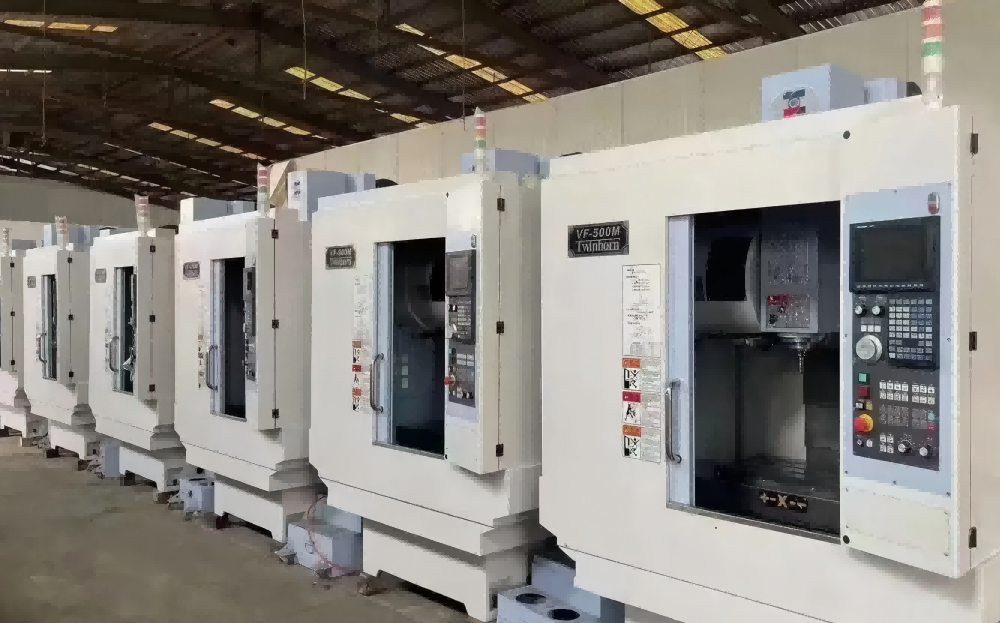
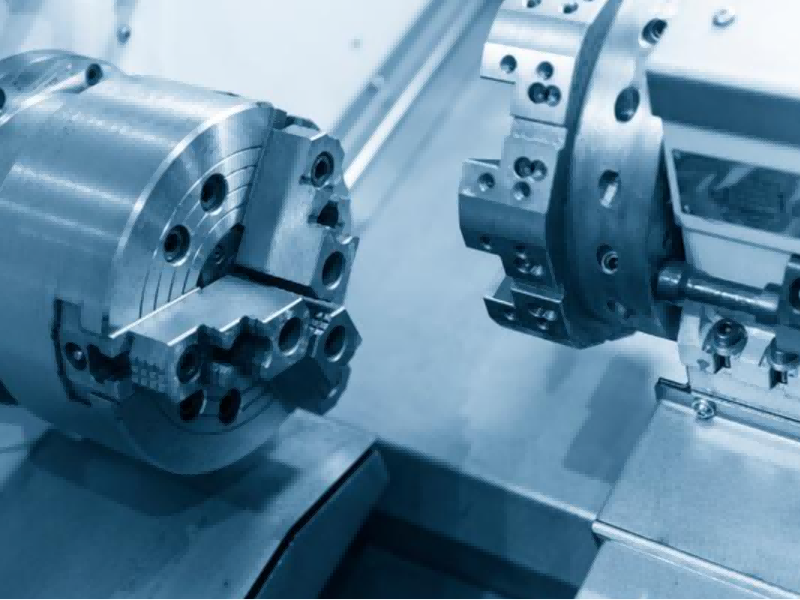
CNC turning is a machining process that uses cutting tools to remove material from a rotating workpiece. This helps produce parts with very precise shapes. During CNC turning, the machine tool rotates the workpiece, and the tool cuts layer by layer. This allows manufacturers to achieve the desired dimensions and shapes. CNC turning is renowned for its extremely high precision. It is crucial for industries such as automotive and aerospace that require high-quality parts. This process enables the rapid production of parts and ensures consistency in every part machined. Keming provides CNC turning and precision casting services and offers superior solutions for custom parts.
Key Takeaways
- CNC turning is a delicate machining process. It shapes material by cutting layer by layer from a rotating workpiece. This allows for the production of high-quality parts for automobiles and aircraft.
- The CNC turning process involves multiple steps. These steps include selecting suitable materials, creating CAD designs, machining, and quality inspection. Each step helps ensure the correctness and consistency of the parts.
- CNC lathes, such as horizontal and vertical lathes, are very important. They help improve efficiency, allowing workers to perform multiple tasks simultaneously, thus saving production time. Each step of CNC turning involves quality checks. These checks prevent errors and ensure parts meet stringent specifications. This results in better part performance and a longer service life.
- CNC turning can be used with a variety of materials, such as metals and plastics. This makes it suitable for many different operations in a factory.
CNC Turning Process
How CNC Turning Works
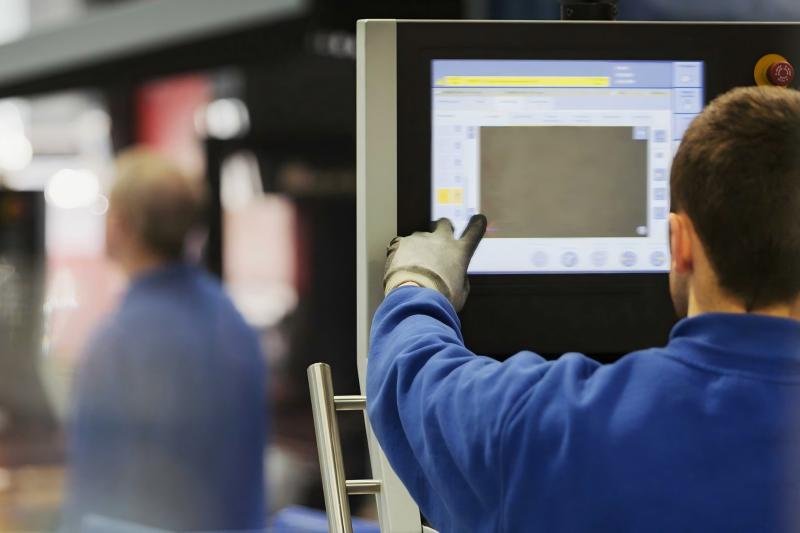
Turning is a method of manufacturing parts by removing material. In CNC turning, the machine tool cuts material from a circular workpiece. The workpiece rotates at high speed. The cutting tool moves across the workpiece surface, removing material layer by layer. This processes the part to the desired size and shape. CNC turning uses a computer to control the machine tool’s movement. The computer follows a pre-set program, telling the machine tool what to do.
CNC turning can use a variety of materials. Metals such as carbon steel, stainless steel, and aluminum are widely used. Plastics and wood can also be used in this process. Each material requires special cutting tools and machine tool settings. The machine tool adjusts its speed and cutting force according to different materials. This prevents material damage and ensures the accuracy of the parts.
Because CNC turning removes material, it produces chips and debris. These must be collected and recycled or discarded. CNC turning generates more waste than additive manufacturing. The table below shows the amount of material used and wasted:
| Manufacturing Method | Material Waste | Material Efficiency |
|---|---|---|
| Subtractive | More waste because extra material is cut off. | Makes chips, shavings, and extra material that must be recycled or thrown away. |
| Additive | Very little waste because only needed material is used. | Only puts down the material that stays in the finished part. |
KEMING utilizes modern CNC lathes for turning operations. Their machines strictly adhere to quality standards, ensuring every part meets international standards. The factory uses tools such as coordinate measuring machines, calipers, and micrometers to inspect the dimensions and shape of each part. Keming’s workers inspect parts during and after machining, using both machine and hand tools to find errors. The quality team conducts final inspection using plates and gauge blocks.
Workflow Steps
The CNC turning process comprises multiple steps, each contributing to the production of correct and high-quality parts. These steps begin with material selection and end with the final completion and delivery of the finished part.
- Material Selection and Preparation: The team selects suitable materials for the parts. Metals such as carbon steel, stainless steel, iron, and aluminum are widely used.
- CAD Design: Engineers use computers to create digital drawings of the parts.
- CAM Programming: Software translates the drawings into instructions for the CNC machine tool.
- Machine Setup: Workers place the raw material onto the CNC lathe.
- Machining: The machine tool rotates the workpiece, and the cutting tool shapes it. Common machining processes include turning, facing, threading, and boring.
- Quality Control: Inspectors check parts during and after machining. They use tools such as calipers, micrometers, and coordinate measuring machines.
- Post-processing: If necessary, workers clean, polish, or finish the parts.
- Assembly or Integration: If necessary, finished parts are assembled with other parts.
- Packaging and Delivery: The team packages the parts and ships them to the customer.
CNC turning can machine different materials. Metals such as aluminum, carbon steel, and stainless steel require special speeds and tools. Plastics and wood require softer tools and lower speeds. Machining steps vary depending on the material.
Kemin’s factory has two casting production lines and modern CNC lathes. Its experienced team rigorously controls every step. They inspect parts at each stage to ensure their quality. Kemin’s comprehensive quality management system includes hardness testing, material inspection, and X-ray inspection. This ensures that every part meets customer requirements.
Tip: CNC turning can produce parts with extremely high precision and consistent results every time. Performing quality checks at each step helps avoid errors and ensures stable results.
CNC Turning Equipment
CNC Turning Centers
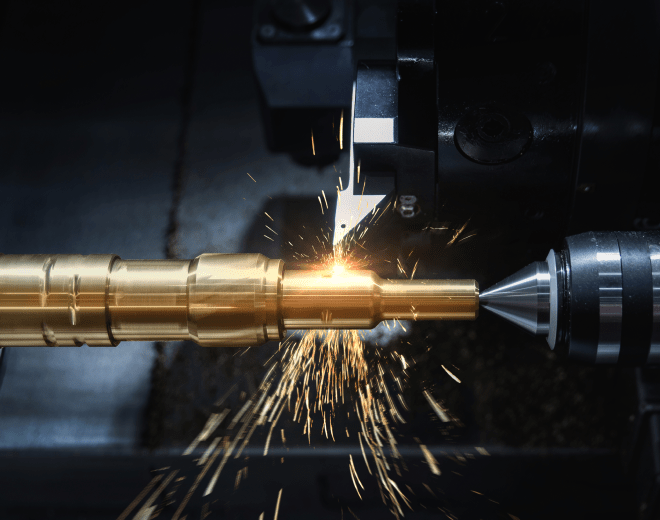
CNC turning centers are essential in today’s factories. These machines utilize computer-aided machining of metals and other materials. Factories select different CNC turning centers based on their specific machining needs. Some common types include:
- Horizontal CNC Lathes
- Vertical CNC Lathes
- Horizontal Turning Centers
- Vertical Turning Centers
Each type of CNC turning center has its own advantages. Horizontal CNC lathes are best suited for machining long parts. Vertical CNC lathes are suitable for machining large, heavy parts. Turning centers can perform multiple machining operations simultaneously, such as turning, milling, and drilling. This helps save time and improve part accuracy. Comming has equipped its workshops with new CNC turning centers. They have two casting production lines and a highly skilled team. This helps them produce high-quality parts for various types of businesses.
Main Components
CNC turning centers consist of many important components. Each component ensures efficient machine operation and precise cutting. The following table lists the main components and their functions:
| Component | Function |
|---|---|
| Headstock | Spins the workpiece fast with the spindle and motor. |
| Turret | Holds many cnc turning tools and switches them when needed. |
| Carriage | Moves on the cnc lathe bed to put tools in the right spot. |
| Tailstock | Holds up long workpieces and stops shaking during deep cuts. |
| CNC Control | Reads the program and moves the cnc lathe as needed. |
| CAD/CAM | Changes 3D designs into steps for the cnc turning machine. |
Keming’s CNC turning centers use these parts to manufacture high-precision components. Their team of over 50 skilled workers operates and maintains these machines.
Cutting Tools
CNC turning tools shape workpieces by cutting material. Tool selection depends on the machining task and material. Some common CNC turning tools include inserts, boring bars, and threading tools. These tools must be sharp and robust to cut metals such as carbon steel, stainless steel, and aluminum. Keming’s technicians select the optimal CNC turning tool for each machining task. They strive to avoid errors and increase machining speed.
Types of CNC Turning Machining
Common Machining Types
CNC turning machining transforms raw materials into finished parts. Each type of CNC turning machining has its unique function. The table below lists some common CNC turning machining processes and their functions:
| Operation | Features | Applications |
|---|---|---|
| Threading | Makes inside or outside threads; can be metric or imperial. | Needed in cars and buildings for fasteners; used in pipes for strong connections. |
| Tapping | Makes inside threads; gets the right thread size. | Used in machines and electronics for strong connections; important for making parts that line up. |
| Turning | Takes away material to make round shapes; very exact. | Good for making shafts and bushings; needed for main parts in engines and turbines. |
| Facing | Cuts across the end for a flat surface; makes sure the part is the right length. | Used to get parts like flanges and gears ready; makes smooth surfaces for putting together. |
| Boring | Makes holes bigger; gets the inside size just right. | Used in cars and planes for engine parts; important for making places for bearings. |
CNC turning, such as facing, threading, and boring, helps machinists manufacture parts with precise shapes and dimensions. These CNC turning processes ensure that each part assembles correctly and functions properly.
Parts Produced
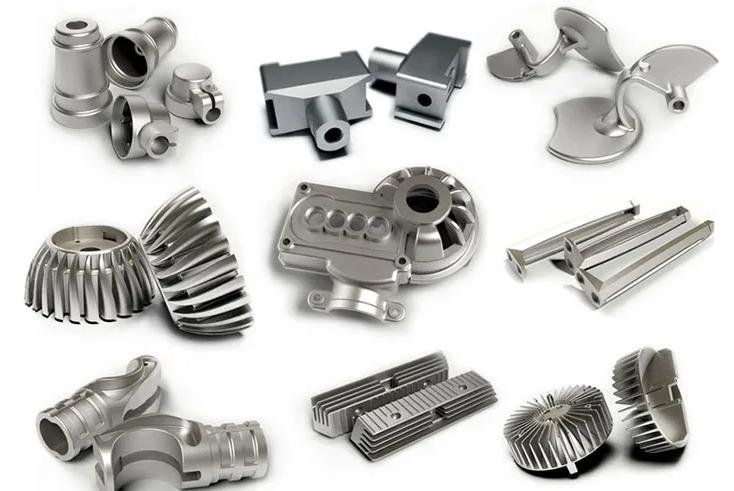
CNC turning can produce a wide variety of parts. Factories use CNC turning to manufacture shafts, bushings, fasteners, and flanges. These parts are used in equipment such as engines, gearboxes, and pumps. Comming manufactures CNC-turned parts for automobiles, ships, trains, and agricultural machinery. Their team uses CNC turning to manufacture engine blocks, gearbox housings, and other high-strength parts. These parts must meet stringent safety standards and performance requirements.
Tip: CNC turning enables businesses to manufacture a wide range of simple and complex parts with high precision.
Applicable Materials
CNC turning is suitable for a variety of materials. Here are some of the best materials for CNC turning:
- Aluminum: Lightweight, easy to machine, and rust-resistant. Commonly used in CNC-turned parts for aircraft and automobiles.
- Stainless Steel: Strong, durable, and rust-resistant. Suitable for CNC-machined parts in the food, medical, and marine industries.
- Brass: Easy to cut and spark-free. Used for fittings and precision CNC-machined parts.
- Titanium: High strength and lightweight. Used for CNC-machined parts in the aircraft and medical industries.
Keming utilizes CNC turning and machining technologies to process carbon steel, stainless steel, iron, and aluminum. Its experienced team selects the optimal material for each CNC turning operation. This helps ensure that every part is robust and durable.
Advantages and Limitations of CNC Turning
Advantages
CNC turning offers numerous advantages in today’s manufacturing industry. Factories use CNC turning to manufacture parts with extremely high precision. These machines can achieve accuracy down to ±0.0001 inches. Such high precision is difficult to achieve with manual turning. Once programmed, the machine can produce the same part every time. This helps businesses maintain high-quality production even with large orders.
CNC turning also helps improve factory productivity. These machines can operate for extended periods with minimal human intervention and have a lower error rate than manual turning. CNC turning can machine shapes that are difficult to achieve by hand. This process produces smooth surfaces, typically eliminating the need for additional polishing.
CNC turning centers work well with CAD and CAM software, making the entire process from design to finished part faster and simpler. CNC turning also ensures worker safety, as workers have less contact with the machines. Factories like Coming conduct rigorous testing on every part. Their teams use tools such as coordinate measuring machines and X-ray inspection to identify problems before shipment.
The main advantages of CNC turning are: high precision, repeatability of the same parts, and rapid machining of complex shapes.
Challenges
CNC turning also presents some challenges. The machines and software are expensive, requiring significant upfront investment. Operating and programming CNC lathes requires skilled workers. Sometimes, a shortage of trained personnel can reduce productivity.
Learning to program CNC lathes can be difficult. If the program malfunctions, the machine will break down. Improper workpiece clamping or incorrect tool selection can lead to problems such as rough surfaces or dimensional inaccuracies. Regular inspection and use of appropriate cutting tools help avoid these problems.
Applications
CNC turning is widely used in various industries. Automakers use CNC turning to manufacture engine parts and shafts. The shipbuilding industry uses CNC turning to manufacture rust-resistant parts. Railways require robust, precise parts manufactured using CNC turning. Farmers use machines equipped with CNC-turned parts to manufacture tractors and harvesters.
Chemical uses CNC turning to manufacture parts for automobiles, ships, trains, and agricultural machinery. Their rigorous quality checks inspect every part for defects. This ensures that every part meets quality standards and performs well in its final application.
CNC turning is also environmentally friendly. New CNC turning centers consume less energy and produce less waste. The factory recycles metal shavings and uses quieter machines. Batch processing allows factories to produce large quantities of parts quickly, thus saving resources.
| Quality Control Process | Tools Used | Purpose |
|---|---|---|
| Inspection of raw materials | N/A | Make sure the material is good |
| In-process checks | CMMs, special gauges | Check size and accuracy during making |
| Final inspections | Optical comparators, surface testers | Make sure parts are good before shipping |
| Non-destructive testing | Ultrasonic, X-ray, magnetic particle testing | Find problems without hurting the part |
CNC turning manufactures parts by cutting material with extreme precision. This process uses CNC machine tools operated strictly according to established rules. CNC turning helps factories produce dimensionally accurate parts, which is crucial for automotive and aircraft manufacturing. The process produces parts with minimal dimensional tolerances, ensuring that the size and shape of each part perfectly meet requirements. CNC turning helps avoid errors and maintain high quality.
Kemin is a trusted CNC turning and precision casting company. Their team uses state-of-the-art CNC machine tools and performs quality inspections on every part. The table below lists the reasons why many customers choose Kemin for CNC turning:
| Feature | Description |
|---|---|
| Manufacturing Quality | High-quality Low Pressure Butterfly Valve Castings made from the best materials. |
| Durability | Products designed to withstand hostile environments and heavy-duty industrial applications. |
| Precision Engineering | Castings manufactured with extreme precision and quality, ensuring accurate and leak-proof flow. |
| Quality Checks | Stringent quality checks at every stage of the manufacturing process to ensure top quality. |
| Customer Customization | Ability to provide customized solutions according to client requirements. |
CNC turning technology will continue to advance. Here are some emerging trends:
- Artificial intelligence and machine learning assist CNC turning by rapidly examining data.
- Higher quality materials and tools result in more precise parts at lower costs.
- Hybrid manufacturing helps manufacture parts with complex shapes and improves part quality.
- Smart factories and predictive maintenance accelerate productivity.
CNC turning enables businesses to manufacture robust and precise parts for a wide range of operations. KEMING focuses on quality and precision, making it an ideal choice for CNC turning and precision casting. Businesses seeking high-quality CNC turning services should consider KEMING as a partner for their next project.
FAQ
What are the main uses of CNC turning?
CNC turning manufactures round workpieces by cutting material. This process helps in the manufacture of high-precision parts. Many companies use CNC turning to manufacture shafts, bushings, and other round parts.
Which industries most commonly use CNC turning?
Automotive, shipbuilding, train, and agricultural companies use CNC turning extensively. They need robust and precise parts for engines, machinery, and vehicles.
What materials can CNC lathes machine?
CNC lathes can machine metals such as carbon steel, stainless steel, iron, and aluminum, as well as plastics and other materials.
How does CNC turning ensure part quality?
Keming conducts quality inspections at every stage. Inspectors use tools such as calipers, micrometers, and X-ray machines. This helps to detect errors early and ensures the quality of each part.