EN
EN  DE
DE  ES
ES  FR
FR  PT
PT  RU
RU 
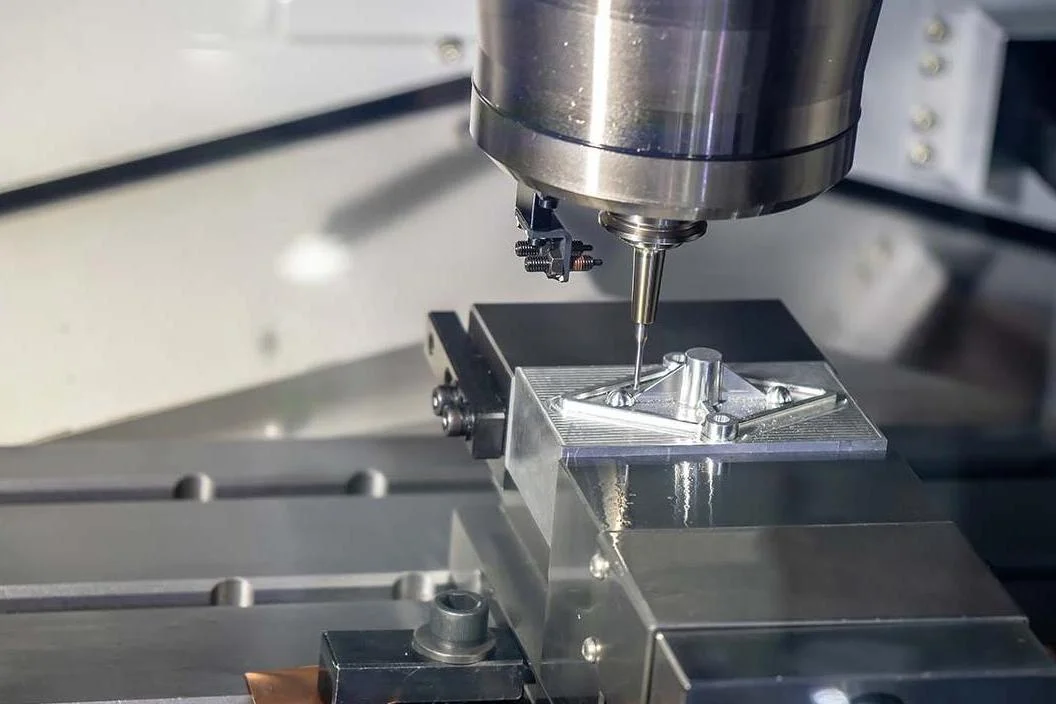
Machining precision refers to the consistency of manufactured parts relative to the designed nominal dimension. Standardized precision and tolerance systems are core to modern mechanical processing, which improve product reliability, reduce material waste and ensure assembly safety across industrial applications.
Key Takeaways
- Machining precision controls dimensional deviation of parts, effectively reducing production waste and improving operational safety.
- Tolerance selection must align with part functional requirements. Reasonable tolerance settings lower production costs and avoid schedule delays.
- Stable equipment status, standardized operating procedures and experienced operators are essential to maintain high precision and tight dimensional tolerances.
Machining Precision and Tolerance
Defining Precision in Machining
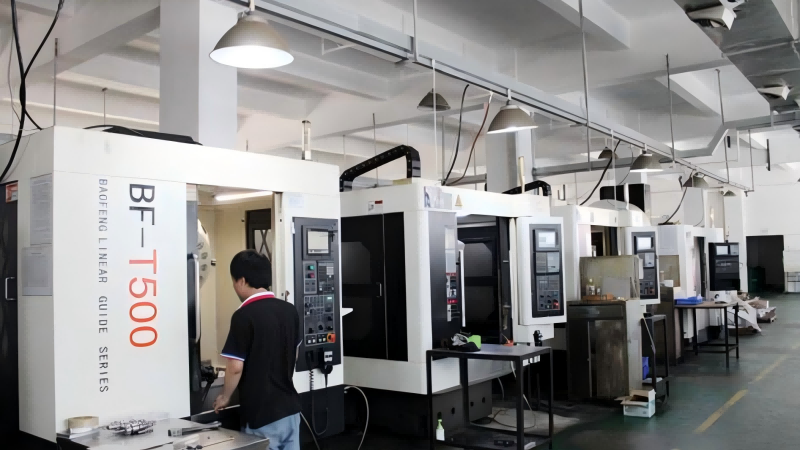
Machining precision describes the repeatability and accuracy of part dimensions after processing. CNC machining is the mainstream process to achieve high precision workpieces, with dimensional measurements commonly conducted in micrometers or thousandths of an inch. The whole production flow, including material selection, processing and final inspection, jointly affects the final accuracy. Manufacturers inspect dimensional accuracy and surface roughness with professional measuring tools to keep deviation within the specified range. A professional manufacturer applies standard CNC machining to meet diversified industrial precision demands.
Understanding Tolerance Levels
Tolerance refers to the allowable dimensional deviation between the finished part and the designed nominal size. Unified standard tolerances guarantee consistent quality for mass production and procurement. The table below shows widely accepted general dimensional tolerances for CNC machining:
| Tolerance Type | Value |
|---|---|
| Standard CNC Tolerance | ± 0.005″ (0.127 mm) |
| Precision CNC Tolerance | Up to ± 0.0001″ |
International standards ISO 2768 (General tolerances for linear and angular dimensions) and ASME Y14.5 (Dimensioning and Tolerancing) are globally adopted for tolerance formulation. ISO 2768 classifies general tolerances into Fine, Medium, Coarse and Very Coarse grades for linear dimensions. Geometric Dimensioning and Tolerancing (GD&T) regulates geometric features such as flatness, straightness, parallelism and perpendicularity, ensuring interchangeability and normal operation of assembled parts.
Why Precision Matters
High machining precision improves structural stability and service life of products. Tight and standardized tolerances realize part interchangeability and optimize overall equipment performance. For high-demand industries including aerospace and medical devices, qualified precision is the basic guarantee for operational safety. Standard CNC machining can fully comply with industrial tolerance requirements for customized and mass-produced parts. Proper precision control reduces material waste, optimizes production cost and improves production efficiency. Strict control over dimensional accuracy and tolerance is the foundation for reliable and safe mechanical products.
Standard Precision of Machining in Practice
Typical Tolerances in CNC Machining
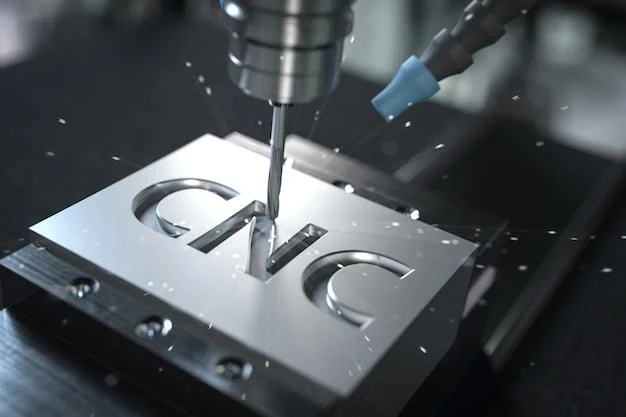
Standard machining precision is widely applied to ensure stable and consistent product quality. CNC machining features excellent repeatability, making it the preferred process for customized parts across multiple industries. The table below lists practical linear dimensional tolerances for common processed materials under standard production conditions:
| Material Category | Examples | Typical Tolerance (Linear Dimensions) | Tight Tolerance (Achievable with Process Control) |
|---|---|---|---|
| Metals (Excellent) | Aluminum Alloys (6061, 7075) | ±0.1 mm (±.004″) | ±0.025 mm (±.001″) or better |
| Metals (Good) | Steel, Stainless Steel (304, 316) | ±0.1 mm (±.004″) | ±0.025 mm (±.001″) |
| Metals (Challenging) | Titanium, Inconel | ±0.1 mm (±.004″) | ±0.05 mm (±.002″) |
With optimized process parameters, CNC machining can achieve higher precision for core components. Standard CNC milling generally maintains a production tolerance of ±0.005 inches (±0.127 mm), which meets the tolerance requirements of most conventional industrial parts.
The following table compares typical dimensional tolerance and surface roughness (Ra, arithmetic mean deviation of the profile) of two common manufacturing processes, with data based on industrial mass production standards:
| Method | Typical Tolerance | Surface Finish (Ra) |
|---|---|---|
| CNC Machining | ±0.0005 inches | 0.01–0.8 micrometers |
| Investment Casting | ±0.005 inches | 1.6–6.3 micrometers |
High-standard investment casting can reach a dimensional tolerance of ±0.1 mm after post-processing, which is suitable for medium-precision structural parts in various industries.
Factors Affecting Precision
Multiple factors jointly determine the final dimensional precision and tolerance of machined parts. Effective control of the following items is essential to maintain stable accuracy and tight tolerance in production:
| Factor | Description |
|---|---|
| Machine Condition | Regular care and checks keep machines working right. |
| Tooling | Picking the right tool and keeping it sharp affects surface roughness and measurement. |
| Material Properties | Hardness, ductility, and heat stability change tool wear and tolerance. |
| Cutting Parameters | Speed, feed rate, and cut depth must be set right for tight tolerance. |
| Workpiece Setup | Good clamping and alignment stop movement and mistakes during machining. |
| Temperature Stability | Keeping workshop temperature steady helps measurement and accuracy. |
| Cleanliness | A clean place stops dirt and helps measurement stay the same. |
| Local Workshop Conditions | Changes in conditions may need stricter checks and more reviews. |
Operator skill is also very important in precision manufacturing. Skilled machinists change setups, pick tools, and adjust processes to get tight tolerance machining services. Machines need regular care and checks, especially parts like spindles and ball screws, to keep high precision.
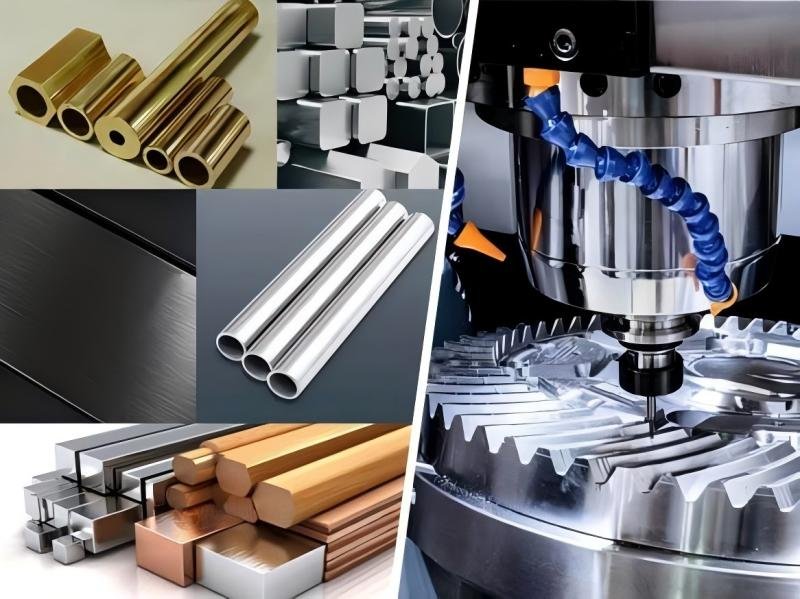
Material choice is another big factor. How easy the material is to machine, its strength, and cost affect both the tolerance you can get and the total cost. For example:
- Harder materials need slower machining and more tool changes.
- Materials with good heat stability help keep size right during production.
- The material you pick changes tool life, surface finish, and if you need extra steps.
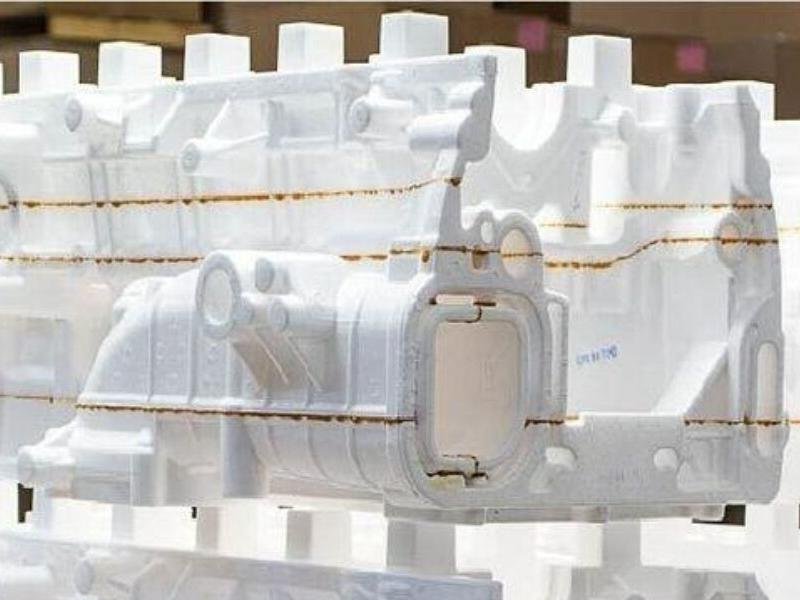
KEMING’s process uses wax injection, mold making, metal pouring, and cooling. Each step needs skilled workers and careful measuring to cut down mistakes. Their advanced CNC machines and strict quality checks make sure every part meets standardized tolerances and world standards.
Choosing the Right Precision for Your Needs
Picking the right production machining tolerance is very important for makers, sellers, and custom part designers. The right tolerance makes sure parts fit and work as they should without extra cost or delays. Here are some tips for choosing tolerances:
- Match Tolerance to Function
Set tolerances based on what the part really needs to do. Use tight tolerance machining services for important features like assembly points and places that hold stress. Use looser tolerances for less important areas. - Consider Material and Process
Pick materials that can keep the needed accuracy. For metals, a usual tolerance is ±0.005″. For plastics, ±0.01″ is common. Choose a process, like CNC machining or investment casting, that can get the tolerance you want. - Balance Precision and Cost
Tight tolerance costs more and needs more checks. Standardized tolerances make manufacturing easier and cheaper. Makers must balance tight tolerance with budget and time. - Control Geometric Features
Use geometric dimensioning and tolerancing to set parallelism, perpendicularity, and other key features. This helps the part work well and look good. - Collaborate with Experts
Work with skilled suppliers and factories like KEMING to match design with what can be made. Clear talk about tolerance needs helps stop mistakes and delays. - Plan for Inspection
Think about measurement and inspection early in design. This helps quality control go smoothly and makes sure parts meet specs.
Tip: Do not ask for tight tolerance everywhere. Only use tight tolerance machining services where needed. This saves money and speeds up production.
KEMING’s focus on precision manufacturing and tight tolerance machining services makes them a trusted partner for custom and wholesale orders. Their advanced CNC machining and investment casting make sure every part meets top standards for accuracy and surface roughness. By knowing what changes precision and following best ways to pick tolerance, manufacturers can get steady results and stay ahead in the market.
Knowing about standard precision and tolerances helps makers make better parts. It also helps them save money.
- Geometric dimensioning and tolerancing helps check if parts are made right.
- When design and manufacturing teams work together, they avoid big mistakes.
| Feature | KEMING’s Services | Industry Standards |
|---|---|---|
| Tolerance | Tight and dependable | Changes for each use |
| Surface Finish | Smooth and very accurate | Good quality needed |
Talking to experts helps projects reach both technical and money goals.
FAQ
What is the standard tolerance for CNC machining?
Most factories use a standard tolerance of ±0.005 inches. This equals 0.127 mm. This tolerance works for many custom jobs. It also fits wholesale manufacturing needs.
How does KEMING ensure high precision in investment casting?
KEMING uses advanced CNC machines and strict quality checks. Skilled workers help make parts accurate. They follow international standards for every order. This makes cast parts reliable.
Why should manufacturers choose the right tolerance?
Picking the right tolerance helps parts fit together well. It lowers costs and stops delays. Manufacturers get better results when they match tolerance to what the part does.