EN
EN  DE
DE  ES
ES  FR
FR  PT
PT  RU
RU 
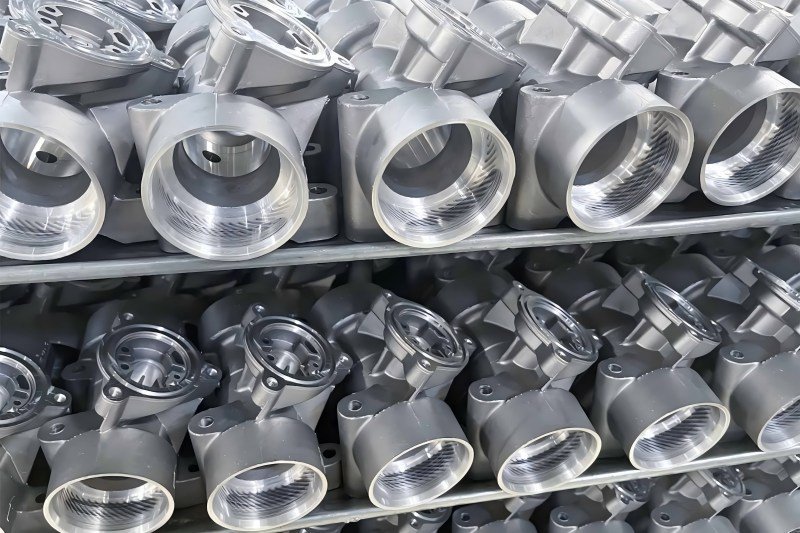
Many casting novices find that sand casting is the best method for casting aluminum. Sand casting is simple to operate and yields excellent results, making it an ideal way to learn aluminum casting. While there are many methods for casting aluminum, sand casting is undoubtedly the simplest choice compared to others. Komin provides professional precision casting services to individuals and businesses, ensuring customers obtain high-precision, high-strength parts. With its superb craftsmanship, Komin guarantees reliable and high-quality results for projects.
Key Takeaways
- For beginners, sand casting is the simplest and most economical method for aluminum casting.
- Safety is paramount. Always wear gloves, a face mask, and an apron when handling hot aluminum.
- Choose the right aluminum alloy for your project. A356 aluminum alloy is a good choice due to its high strength and ease of casting.
- Careful mold preparation is essential for achieving ideal casting results. Compact the sand and apply lubricant to the mold for easy demolding.
- Keep your tools in good condition and follow the correct procedures to avoid common mistakes and obtain higher quality castings.
Best Way to Cast Aluminum
Why Sand Casting is Preferred
Many beginners enjoy sand casting aluminum parts. This method is simple, easy to use, and produces excellent results. It can be done at home or in a small workshop using simple tools. Sand casting doesn’t require expensive machinery. Most people can try it without spending too much.
Here are some reasons why sand casting is an ideal choice:
- Lightweight: No-bake sand castings are lighter than other types of castings. This is very useful when lightweight parts are needed.
- High Strength: Sand castings are high in strength. They are ideal for parts that need to withstand weight or stress.
- Low-Cost Production: Sand casting is less expensive than other methods. You don’t need to buy expensive molds or perform additional machining.
Sand casting can produce parts of various shapes and sizes. The sand mold cools slowly and evenly, so parts are less prone to cracking or tearing. This makes sand casting an excellent method for hobbyists to cast aluminum parts.
Comparison of Aluminum Casting Methods
There are different ways to shape aluminum. Each way has good and bad points. The table below shows how sand casting, die casting, and investment casting compare:
| Casting Method | Advantages | Disadvantages |
|---|---|---|
| Sand Casting | Less cracking and tearing because of slow cooling. | Not as accurate as other ways. |
| Can make many weights and sizes. | The surface is rougher. | |
| Die Casting | Makes parts that are the same size and shape. | Tools cost a lot, so it is not good for small jobs. |
| Needs less fixing after casting. | It can be hard to get strong parts. | |
| Investment Casting | Makes very exact and accurate parts. | Costs more than other ways. |
| Makes smooth surfaces and tricky shapes. | Cannot make as many weights and sizes as sand casting. |
Sand casting is suitable for a variety of projects because it can handle parts of different sizes and weights. Die casting is commonly used in electronics, automotive parts, and household goods. Investment casting is best suited for manufacturing parts with extremely high precision requirements, such as aircraft and automotive engines. Permanent mold casting is suitable for mass production of parts and can achieve good surface finishes.
The table below lists the applications of various casting methods:
| Casting Method | Typical Applications |
|---|---|
| Die Casting | Electronics, car parts, home items |
| Investment Casting | Airplane parts, car engine parts |
| Permanent Mold Casting | Medium-sized jobs, smooth finish, low holes, high accuracy, easy to fix later |
For large projects, companies typically choose investment casting. KEMING serves customers requiring high-precision, high-strength aluminum parts. Their advanced equipment and rigorous testing processes help companies achieve outstanding results.
If you want to learn aluminum casting at home, you can start with sand casting. If you need precision or complex parts for aircraft or automobiles, KEMING’s investment casting process is ideal for you.
Aluminum Casting Steps
Materials and Tools Needed
You need the right materials and tools for aluminum casting. Gather everything before you start:
- Crucible made of steel or graphite for melting aluminum
- Sand molding tools, like rammers and mold boxes
- Pouring ladle for moving molten aluminum
- Sand reclamation equipment for cleaning and reusing sand
- Heat-resistant gloves, face shield, and protective clothing
- Respirator for safety
- Aluminum scrap or ingots
- Borax or cover salt flux to clean the molten metal
- 3D printed or wooden pattern for shaping the mold
The sand and binder you use change how your casting turns out. The table shows common mold types:
| Mold Type | Features |
|---|---|
| Green Sand | Mix of sand, clay, and water; cheap to use. |
| Shell Sand | Fine sand and binder; makes detailed molds. |
| No-Bake Sand | Uses chemical binder; good for bigger parts. |
Preparing the Mold
The mold gives shape to the aluminum. Prepare the mold carefully for good results. Here are the steps:
- Mix sand with binder to make it strong.
- Pack sand tightly around the pattern in the mold box.
- Take out the pattern to leave a hole in the sand.
- Clean the hole to remove loose sand or dirt.
- Lubricate the mold so removal is easier later.
- Clamp the mold halves together tightly.
The table lists common binders used in casting:
| Type of Binder | Materials | Advantages | Disadvantages |
|---|---|---|---|
| Clay Binders | Bentonite, Water | Cheap, sticks well | Not good with heat, gets wet easily |
| Organic Binders | Phenolic Resin, Furan Resin | Sticks well, cures fast | Makes fumes, costs more |
| Inorganic Binders | Sodium Silicate, Water | Handles heat, strong | Hard to separate |
| No-Bake Binders | Polyurethane, furan | Strong, cures fast | Costs more, harder to use |
Melting Aluminum Safely
Melting aluminum is important in aluminum casting. Follow safety rules to avoid burns and accidents. Here are the steps:
- Wear heat-resistant gloves, face shield, and protective clothes.
- Work in a place with good airflow and exhaust fans.
- Put aluminum scrap or ingots in the crucible.
- Add borax or cover salt flux to clean the metal.
- Heat the crucible until aluminum melts. Pure aluminum melts at about 660°C (1220°F).
- Use a thermometer to check the temperature.
Pouring and Cooling
Pouring molten aluminum into the mold needs care. Follow these steps for best results:
- Preheat the mold if you can. Make sure both halves line up.
- Pour the molten aluminum slowly into the mold’s gating system.
- Pour slowly to stop splashing and air bubbles.
- Wait for the aluminum to cool and harden. Slow cooling makes the casting stronger and less likely to crack.
Cleaning and Finishing
After cooling, finish the casting. Here are the steps:
- Break the sand mold to get the casting out.
- Cut off extra metal, like sprues or runners, with a saw or grinder.
- Check the casting for cracks or surface problems.
- Measure the casting with calipers to check the size.
- For important parts, use X-ray or other tests to find hidden flaws.
- Clean the casting with a wire brush or sandblaster.
By following these steps, you can cast aluminum safely and get strong, high-quality parts.
Aluminum Casting Safety
Protective Equipment
Wearing appropriate protective equipment is essential for personnel safety during aluminum casting. Workers must wear aluminized clothing to prevent burns from high temperatures and molten metal splashes. Heat-resistant gloves protect hands when handling hot tools or metals. Protective sleeves protect the forearms from heat damage. Face masks and safety glasses protect the eyes and face from injury. Leather aprons and jackets, as well as long-sleeved clothing made of natural fibers, help protect the body and arms. High-top leather boots protect the feet from hot metal and splashes. Respirators help filter harmful fumes and dust, especially when using flux or burning coatings. Hearing protection is mandatory in noisy environments.
| Item | Purpose |
|---|---|
| Heat-resistant face shield + glasses | Protects eyes and face from heat and splash |
| Leather apron and jacket; long sleeves | Protects torso and arms from splashes |
| Heat-resistant gloves | Handling tongs, crucible covers |
| High-top leather boots | Protect feet from splashes and hot debris |
| Respirator | Protects from fumes when using fluxes |
| Hearing protection | Use ear protection when needed |
Handling Molten Aluminum Safely
Handling molten aluminum can be dangerous. Contact with molten metal can cause severe burns. Splashing metal when poured can injure people. High temperatures can ignite a fire, especially near flammable materials. Coatings and fluxes can produce toxic gases when heated. Never allow water to come into contact with molten aluminum. This can cause a vapor explosion and splashing.
| Hazard Type | Description |
|---|---|
| Thermal Burns | Direct contact with molten aluminum can cause severe burns. |
| Molten Metal Splash | Splashing can occur during pouring, leading to injuries. |
| Fires | The extreme heat can ignite flammable materials nearby. |
| Toxic Gases | Coatings and fluxes can release harmful gases when heated. |
| Explosive Reactions | Contact with water can cause explosive steam events and violent splatter. |
Stay careful and do not hurry when pouring or moving molten aluminum. Most burns happen because people do not handle molten metal the right way.
Workspace Setup
A safe workspace is very important for aluminum casting. People should always wear personal protective equipment. All machines and tools need to be checked and fixed often to stay safe. The foundry floor must always be dry. Wet floors can react with molten aluminum and cause explosions. Keep flammable things away from the work area. Good airflow helps remove fumes and keeps the air clean.
- Wear personal protective equipment every time you do aluminum casting.
- Check and fix all machines and tools often.
- Make sure the foundry floor is dry to stop dangerous reactions.
- Take flammable things out of the workspace.
- Make sure there is good airflow to lower fumes.
A clean and neat workspace helps stop accidents and makes better aluminum casting results.
Aluminum Casting Tips
Avoiding Common Mistakes
A lot of beginners make mistakes when casting aluminum. These mistakes can make the finished part not as good. Here are some common mistakes and how to stop them:
- If you pick a weak machine, it will shake and cut badly.
- If the gantry or Z-axis is not strong, the depth will be wrong.
- If you do not learn to use a CNC machine, the edges will be rough.
- If you run the machine too fast, the surface will not be even.
- If you use the wrong spindle speed or torch height, the edges will look bad.
- If you skip lead-ins and lead-outs, you will see marks.
- If you cut aluminum without cooling or support, it can bend.
- If you use old tools, the casting will be ruined.
- If you forget to check and fix your tools, you lose accuracy.
- If you do not ask for help, problems last longer.
Tip: If you keep your tools in good shape and set up carefully, you can stop most mistakes.
Improving Casting Quality
To make your aluminum casting better, try these steps:
- Dry all molds and ladles before you use them. This stops steam.
- Take out hydrogen from the melt by degassing.
- Add vents or make the sand let air out. This helps gases escape.
- Make the gating system smooth so the metal flows well.
- Find the right pouring temperature for your aluminum alloy.
- Pour fast enough so the metal keeps moving.
- Change gating ratios to keep heat in better.
- Check wall thickness so the metal can flow right.
For a smoother finish and better accuracy, use good injection wax for patterns. New ways like vapor smoothing and careful cutting can fix flaws. Make the shell better by matching the coating, binder, and ceramic size. Keep the room controlled when making shells to keep quality high. Vacuum induction melting helps keep the metal clean. Shot peening and glass bead blasting make the surface feel better. Chemical treatments like electropolishing and passivation make the part look nice and stop rust.
Choosing the Right Aluminum Alloy
Picking the right aluminum alloy is important for good casting. Think about these things:
- Some alloys work better with certain casting methods.
- Look for strength, hardness, and how long the part lasts.
- Pick alloys that can be anodized or plated if you want a nice finish.
- Choose alloys that are easy to cut and shape.
- Pick alloys that do not rust, especially for outside or water parts.
- If you need to weld, make sure the alloy can be welded.
- Some alloys cost more than others.
- Not all alloys are easy to find near you.
The table shows some popular aluminum alloys for sand casting:
| Alloy | Properties |
|---|---|
| A356 | Does not rust easily, strong, and casts well |
| A357 | Stronger, with a finer inside structure |
| 319 | Wears well, strong, used for car parts |
Note: If you pick the right sand and alloy, your aluminum casting will be stronger and last longer.
Sand casting is the best pick for hobbyists who want to cast aluminum. Investment casting works better for factories that need very exact parts. The table below shows how these two ways are different:
| Aspect | Investment Casting | Sand Casting |
|---|---|---|
| Cost Structure | Costs more at first, but less to finish | Cheaper tools, good for many budgets |
| Quality | Very exact and always the same | Not as exact, wastes more material |
| Scalability | Good for making a medium number of parts | Works well if you need more or less parts |
Safety is important for every casting job. People must wear gloves that can handle heat, face shields, leather aprons, and masks. If you follow each step, you can stop mistakes and make better parts.
Hobbyists can get help from groups like the Metal Casting Institute and American Foundry Society. If you need very exact parts for big jobs, KEMING can help with investment casting.
FAQ
What’s the easiest way to start aluminum casting at home?
Most people start with sand casting. This method uses simple tools and materials. You can find many tutorials online. Sand casting is suitable for small projects and learning the basics.
How to ensure safety when melting aluminum?
Always wear heat-resistant gloves, a face mask, and a leather apron. Never let water come into contact with molten aluminum. Work in a well-ventilated area. Check your tools before you begin.
Which aluminum alloys are best suited for sand casting?
| Alloy | Best Use |
|---|---|
| A356 | General casting |
| 319 | Automotive parts |
| A357 | High strength |
Does Kemin offer custom aluminum parts services?
Kemin offers precision casting services for custom aluminum parts. Their team uses advanced equipment and maintains strict quality control. They are committed to providing industrial clients with precise and robust parts.
What if a casting is defective?
Inspect for cracks, holes, or rough spots. Remove excess sand and clean the part. Repair minor issues using a grinding machine. If the problem persists, inspect the mold and melting process. Seek expert assistance.