EN
EN  DE
DE  ES
ES  FR
FR 
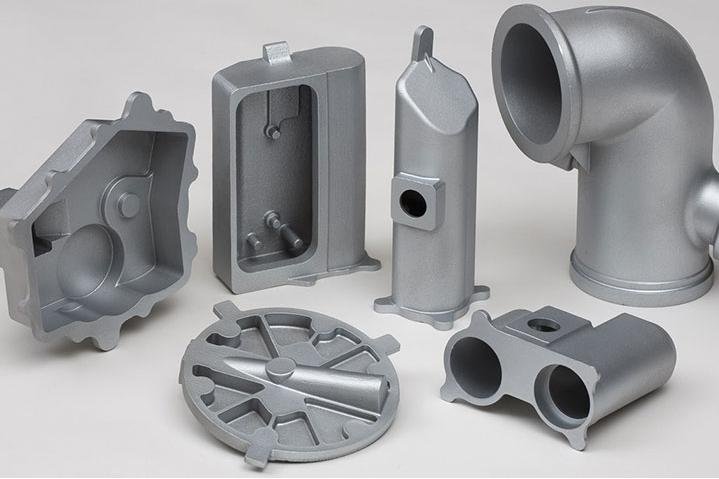
Lost-wax casting requires some important preparation to proceed smoothly. You will need materials, tools, and safety equipment. Adequate preparation not only ensures personnel safety but also helps you achieve the desired casting results. KEMING provides reliable investment casting services. We prioritize quality and safety.
Key Takeaways
- First, gather the necessary materials, such as wax, embedding materials, and metal materials. Completing these preparations before starting lost-wax casting helps ensure everything goes smoothly and helps you achieve the desired casting results.
- Always keep safety in mind. Wear gloves and safety goggles to protect yourself. Regularly check your tools to prevent accidents and injuries.
- Choose the appropriate wax pattern for your project. Different wax patterns will affect the appearance of the final casting. Choose a wax pattern that meets your needs.
- Keep the work area clean and tidy. A clean environment helps prevent accidents. It also allows you to better focus on detailed work.
- Make a list to ensure you have all the tools and materials. This helps reduce errors and helps you complete your work faster and better during the casting process.
Materials for Lost Wax Casting
Wax Types
Lost wax casting begins with choosing the right wax. Different waxes are used to create intricate shapes. Each wax has its unique casting properties.
- Filling wax contains additional material. It is suitable for large or complex shapes.
- Unfilling wax is simple and inexpensive. It is suitable for small or medium-sized projects.
- Running wax melts quickly and has good fluidity. It helps fill the mold.
- Viscous wax is sticky. It is used to assemble models but cannot replace model wax.
- Water-soluble wax melts in water. It is more environmentally friendly and produces a clean mold.
The wax you choose affects the smoothness of the surface. Finer waxes produce smoother parts with a roughness Ra between 0.8 µm and 3.2 µm. Microcrystalline wax, paraffin wax, or beeswax are commonly used. Wax sculpting tools help shape the wax. Jewelry wax is easy to use. A good wax model leads to a better casting.
Casting Materials
Casting materials are used to create the mold around the wax model. The material you use depends on the desired metal texture and surface finish. The table below lists common casting materials, their uses, and their advantages and disadvantages.
| Investment Material | Use Description | Advantages | Limits |
|---|---|---|---|
| Gypsum-bonded investments | Jewellery and low-melting alloys (gold, silver) | Great surface finish, low air flow | Not strong above ~1,000 °C; breaks down |
| Phosphate-bonded investments | High-temperature alloys (stainless steels) | Strong when hot, resists heat | Not as smooth; harder to mix |
| Silica sol / colloidal silica | Precision parts at many temperatures | Stays stable when hot, fine finish | Must control heat and setting time |
| Zircon / alumina reinforced | Reactive alloys (titanium, high-temp nickel) | Handles high heat, does not react much | Costs more; not as shiny |
Gypsum-based casting materials are commonly used in jewelry making. Phosphate-based and silica sol-based casting materials are used in factory production. Kemin Company rigorously inspects all casting materials to ensure molds are robust and durable, resulting in high-quality finished products.
Common Metals
Many metals can be used for casting; the specific choice depends on your needs. Commonly used metals include carbon steel, stainless steel, iron, and aluminum. Jewelers often use gold and silver to create exquisite jewelry. The table below lists some metals and their melting points.
| Metal | Melting Point Range (°C) |
|---|---|
| Gold (14k) | ~879 |
| Gold (24k) | 1064 |
| Carbon Steel | 1425–1540 |
| Stainless Steel | 1375–1530 |
| Iron | 1200–1538 |
| Aluminum | 660 |
KEMING specializes in casting carbon steel, stainless steel, and iron. Their team inspects the metal to ensure it meets international standards. This guarantees the final product meets customer requirements.
Gating System and Sand Box
The gating system and sand box are crucial in lost-wax casting. The gating system provides a channel for hot metal to flow into the mold. The sand box is used to hold the shape of the mold and wax model.
- The size of the sand box affects the shrinkage rate of the finished product. Shrinkage during casting may be 5-10%, but can reach up to 15% after cooling.
- Using the same process and precise measurements helps maintain quality.
- Uneven heating and cooling within the kiln can lead to uneven cooling of the finished product, affecting the quality of the casting.
Jewelers select sand box sizes based on the size and quantity of their pieces. Keming uses precision measuring tools to ensure consistent results every time.
Other Consumables
Other consumables are helpful in lost-wax casting. These consumables optimize the process and improve the quality of the final product.
- Wax models help create accurate shapes and avoid errors.
- Ceramic slurry forms a hard outer shell that can withstand high temperatures.
- Surface treatments, such as rust-preventive spraying or electroplating, protect the casting and extend its lifespan.
KEMING inspects the wax model, ceramic shell, and finished casting. Their team uses specialized tools for measurement and testing. This meticulous work delivers consistently reliable finished products to jewelers and manufacturers.
Tools and equipment for lost-wax casting
Wax Sculpting Tools
Jewelers use different tools to sculpt wax models. Each tool helps create unique details and textures. The table below lists some common wax sculpting tools and their uses.
| Tool Type | Impact on Precision |
|---|---|
| Spiral Blades | Cuts big pieces fast but leaves wide gaps and less detail. |
| Skip-Tooth Blades | Makes smoother cuts and better detail for most people. |
| Regular Metal Blades | Cuts slow but shapes with high accuracy. |
| Scalpel Blades | Takes away extra wax in small spots, adding fine detail. |
| Files | Shapes wax; rough files work fast but may miss curves. |
| Micro Motor | Drills and trims fast, but needs careful use for best results. |
| Calipers | Measures for even sides and the right size. |
| Try Square | Keeps edges and corners straight. |
| Straight Ruler | Marks straight lines for good shapes. |
Jewelers keep their tools clean and sharp. They store them in toolboxes or drying boxes to prevent rust. After using hot tools like crayons, they allow them to cool down. This prevents breakage. Cleaning tools after each use helps extend their lifespan.
Waste Removal Furnaces and Kilns
Waste removal furnaces or kilns are used to remove wax from molds. The furnace slowly heats the mold, melting the wax and creating a clean space for metal casting. Jewelers set the temperature based on the embedding material and the type of wax. A good furnace maintains a uniform temperature, which helps the casting process proceed smoothly.
Casting Machines
Casting machines pour metal into molds. The VC 3000 casting machine uses induction heating and is suitable for a variety of metals. It has vacuum and pressure settings for better results. Centrifugal casting machines create strong and durable parts by rotating the mold. Rotation removes impurities, resulting in clean castings. Vacuum casting machines control the flow of metal, allowing for precise filling of the mold with fine details. These machines are essential for creating beautifully designed jewelry.
Crucibles and Crucible Tongs
Crucibles are used to hold molten metal. Jewelers select crucibles based on the type of metal and the required temperature. Before use, they heat the crucibles to prevent cracking. Close monitoring of the temperature is crucial for crucible safety. Crucible tongs are used to safely move the hot crucibles during the casting process.
Safety Equipment
Safety equipment protects jewelers from burns and injuries. They wear leather gloves and safety goggles. High-quality gloves and goggles are made of durable materials and have a special anti-slip design. These features help prevent slips and drops. Jewelers regularly inspect their equipment and replace it with new equipment as needed. They learn how to use safety equipment correctly. Regular inspection and replacement of equipment ensures everyone’s safety.
Lost-Waste Casting Workspace and Safety
Workspace Setup
Jewelers need a clean and tidy workspace for lost-wax casting. They keep all wax carving tools, measuring instruments, and jewelry wax within easy reach. Good lighting helps them see details when using carving tools. A sturdy table supports the casting process and ensures equipment stability. Jewelers keep floors clean to prevent tripping. They store wax sculpting materials in labeled boxes for easy retrieval of needed items. Additional materials, such as casting powder and molds, are stored on shelves. Fireproof mats under tables protect the floor from contamination by hot metal or molten wax. Jewelers inspect the work area before starting each project.
Ventilation and Fire Safety
Good ventilation ensures clean air during the melting of wax and metal. Jewelers open windows or use fans to expel smoke outdoors, never allowing smoke to accumulate in the room. Fire safety is paramount in the casting process. Jewelers follow these steps to ensure safety:
- Keep the work area dry to prevent vapor explosions.
- Never use water to extinguish metal fires; instead, use dry sand piles to control the flames.
- Lay sand beds under the work area to collect spilled liquids and protect the floor.
- Ensure good air circulation in the room to avoid inhaling toxic fumes.
- Wear safety glasses, fire-resistant clothing, and other protective equipment.
Personal Protective Equipment
Jewelers use specialized protective gear to protect themselves. When handling hot metals or molten wax, they wear gloves, aprons, and goggles. Fire-resistant clothing protects their skin from burns. Masks help them avoid inhaling dust or fumes. Earmuffs protect them from machine noise. Jewelers tie up their long hair and remove any loose jewelry before starting work. They wash their hands after handling chemicals. Good habits ensure the safety of jewelers at every step, from wax sculpting to metal casting.
Preparation Checklist
Gathering Materials and Tools
Jewelers first prepare all necessary materials and tools. They check wax sculpting tools, embedding powder, and metal. They also retrieve the sprue, mold, and safety equipment. Using a checklist helps them remember each step. Many jewelers keep wax sculpting supplies in one box and casting equipment in another. This increases efficiency and reduces errors.
Setting Up the Workspace
A good workspace helps jewelers work safely and efficiently. They will clear their work surfaces and keep tools within easy reach. Bright lighting helps them see details while wax sculpting. Shelves and labeled boxes keep items organized. Fireproof mats under the table protect the floor from hot metal or molten wax. Jewelers will check that the ventilation system is working properly. Clean air is crucial when using embedding powder and molten metal.
Safety Checks
Safety is always paramount. Jewelers will check gloves, aprons, and goggles for damage. They will test fire extinguishers and ensure they are nearby. They will tie up long hair and remove loose jewelry. Before melting metal, they will check that the work area is dry and clean. They will also discuss emergency response plans with all assistants. These practices help prevent injuries and ensure casting safety.
The best results from lost-wax casting depend on the readiness of all materials, tools, and safety equipment. They need to maintain the temperature of the wax model and check for cracks to prevent breakage. Handling all items carefully helps prevent accidents. Following safety rules ensures the safety of everyone during the casting process. Careful measurement and keeping the work area clean improve the quality of the casting. It’s best to review the checklist before starting. For large or complex projects, many people choose a trusted company like KEMING to ensure everything is safe, reliable, and of high quality.
FAQ
What is Lost-Wax Casting?
Lost-wax casting is a process of creating models using wax. They cover the model with a special material. When heated, the wax melts. Metal fills the gaps, forming a new shape.
Why do people use lost-wax casting?
Lost-wax casting is used to create intricate metal parts. This method allows for the creation of shapes that are difficult to achieve using other methods. Many industries use it in the manufacture of jewelry, art, and mechanical parts.
Which metals are best suited for lost-wax casting?
Carbon steel, stainless steel, iron, and aluminum are all well-suited for lost-wax casting. Gold and silver are also commonly used materials in jewelry making. The choice of metal depends on the end use and the required strength.
How do people ensure safety when performing lost-wax casting?
People wear gloves, goggles, and fire-resistant clothing. They keep the workplace clean and dry. Good ventilation helps remove fumes. They always check their safety equipment before starting.
Can beginners try lost-wax casting at home?
Beginners can try lost-wax casting using simple tools and small projects. They should first learn the safe operating procedures. Many people purchase tool kits or attend courses to practice before handling hot metal.