EN
EN  DE
DE  ES
ES  FR
FR 
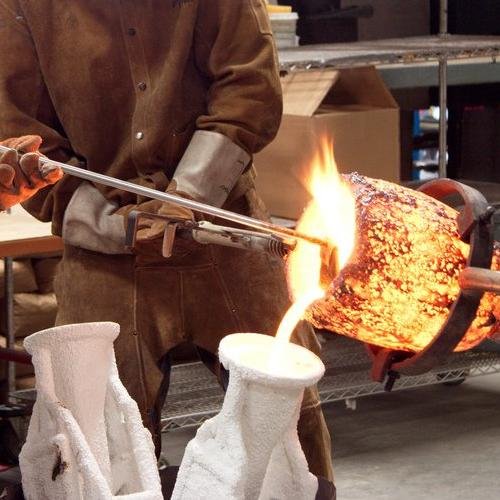
Lost foam casting is a better choice for many factories. This way lets engineers make complex shapes easily. They can also change designs without needing more tools. It gives very good accuracy and tight size limits. It also improves efficiency and production flexibility. These good things make lost foam casting great for careful work and helping the environment.
Key Takeaways
- Lost foam casting can make shapes that are hard to create. It is good for parts that need to be very accurate.
- This method lowers the cost of tools and work. It is a smart choice for making a small or medium number of parts.
- Lost foam casting makes less trash and uses less power. It is better for the environment than green sand casting.
- The process gives parts a smoother surface. This means you may not need to do extra work after casting.
- Pick lost foam casting for jobs that need careful detail and exact shapes. It works well for things like cars and planes.
Lost Foam Casting vs Green Sand Casting
Process Overview
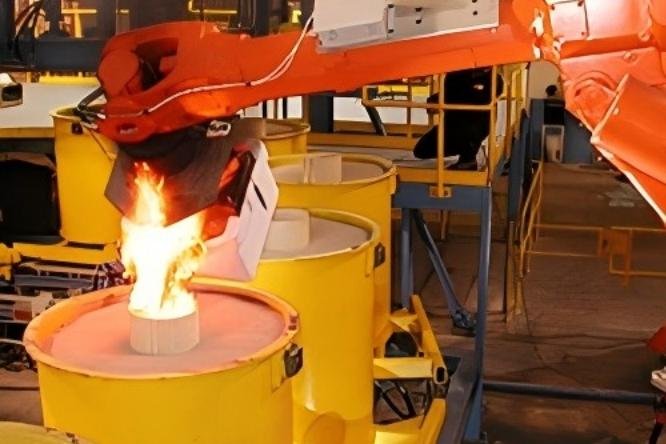
Lost foam casting and green sand casting both make metal parts. But they use different ways to do it. KEMING uses lost foam casting to make detailed metal pieces. Here are the steps for lost foam casting:
- Workers make foam molds that look like the final part.
- They connect the foam mold to a gating system.
- The foam gets a ceramic coating to make it strong.
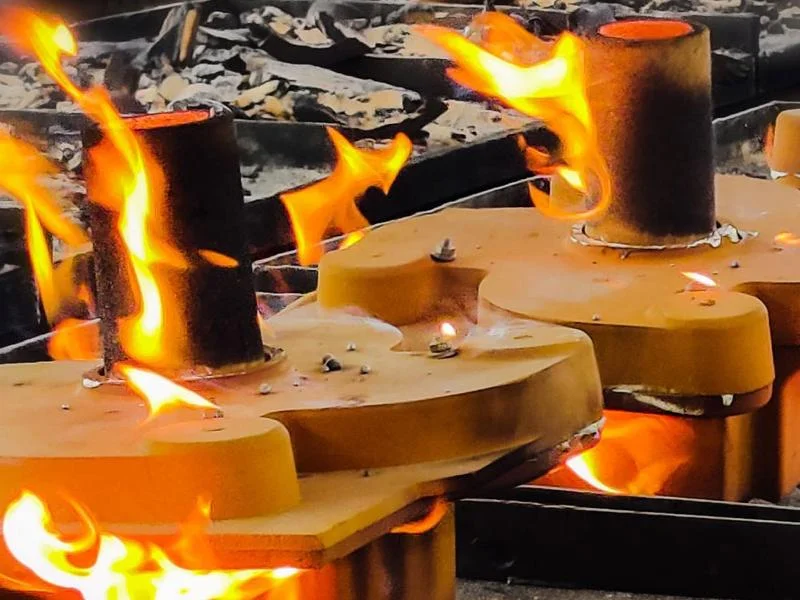
- The coated foam goes into dry sand for support.
- They shake the box so sand covers the foam.
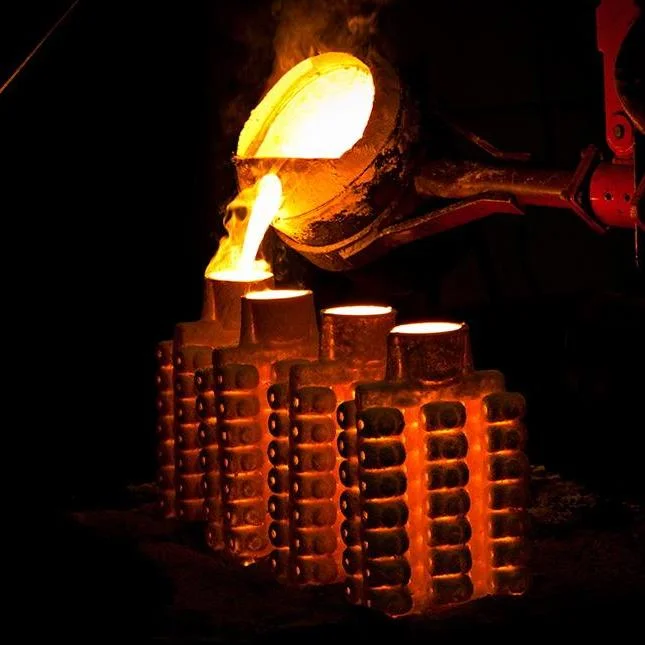
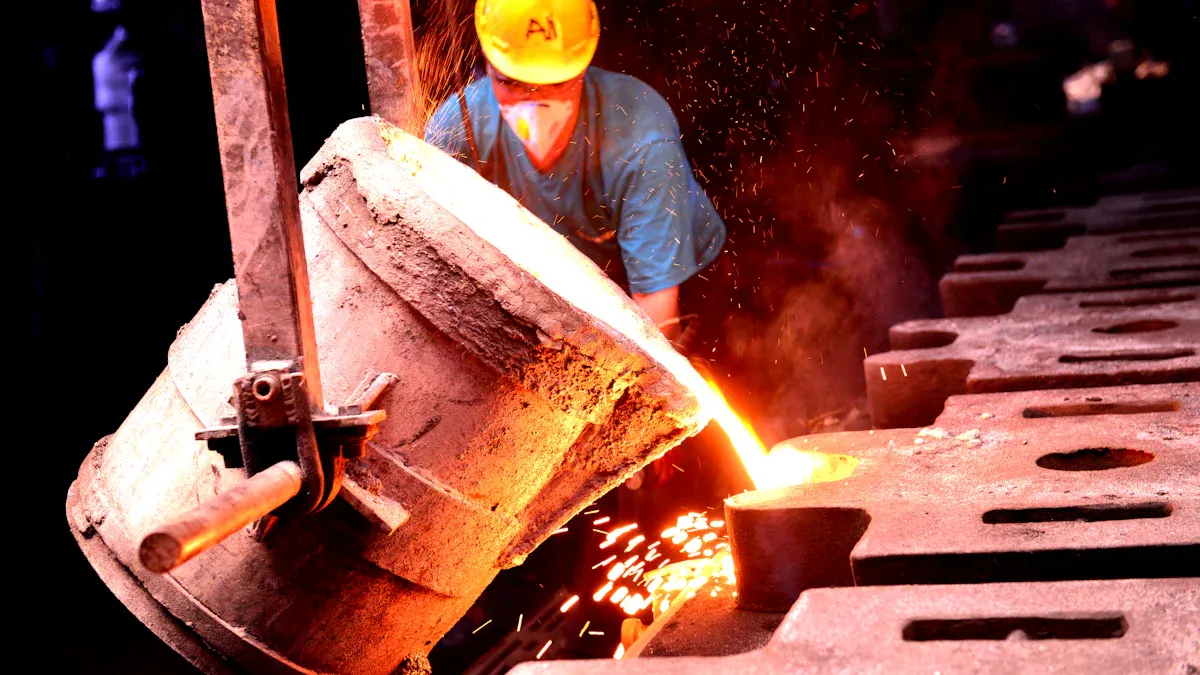
- Hot metal is poured in, and the foam disappears.
- When it cools, workers clean and finish the part.
Green sand casting uses another way. Here are the steps for green sand casting:
- Workers make a pattern from wood or metal.
- They put the pattern in a box and pack it with wet sand.
- They take out the pattern, leaving a space inside.
- Hot metal is poured into the sand mold.
- When the metal cools, they break the sand mold.
- Workers clean and finish the part.
KEMING’s lost foam casting can make complex shapes. It needs fewer steps and makes less waste.
Key Differences
Lost foam casting and green sand casting are different in many ways. The table below shows how they are not the same:
| Aspect | Lost Foam Casting | Green Sand Casting |
|---|---|---|
| Pattern Material | Foam patterns that vaporize during casting | Wood or metal patterns that are removed before casting |
| Mold Preparation | Dry sand supports the foam pattern; no need for binders | Moist sand packed around the pattern; uses clay as a binder |
| Process | Foam pattern is coated, placed in sand, and replaced by molten metal | Pattern is removed, then molten metal fills the sand mold |
| Complexity | Handles complex shapes, thin walls, and internal passages easily | Best for simple shapes; complex features are difficult |
| Typical Uses | Engine blocks, manifolds, compressor housings, propeller blades | Basic machine parts, simple housings, large structural items |
Lost foam casting lets engineers make parts with undercuts and thin walls. It also makes detailed features easy. This way means less extra work and fewer parts to put together. For example, lost foam casting technology is used in automotive castings, aircraft and marine-industry-castings.
Green sand casting is good for simple shapes and big parts. Many factories use it for basic machine parts or large items.
Note: Lost foam casting gives great design choices and works fast. KEMING’s process meets high standards and can be used for many things.
Design complexity of lost foam casting
Complex Shapes & Features
Lost foam casting is good for making tricky shapes. Engineers use foam patterns that look just like the final part. The foam stays in place until hot metal is poured in. The foam melts away when the metal fills the mold. This stops parting lines from forming. Parting lines can make parts not fit well in other casting ways. The finished part is very accurate and has smooth surfaces.
Factories pick lost foam casting for thin walls and deep holes. It also works for undercuts and hard shapes. This process lets shapes connect without seams. It can join many pieces into one strong part. Engine blocks with inside passages are made this way. Propeller blades with curved details are possible too.
Tip: Lost foam casting needs less extra work. It lowers weak spots in the finished part.
Pattern Flexibility
Lost foam casting gives engineers more choices for patterns. They can make shapes that are hard or not possible with green sand molds. Expandable polystyrene patterns help get the right shape. No extra cutting is needed. Green sand casting needs hand shaping. This limits what shapes can be made.
- Lost foam casting allows detailed designs and fast changes.
- Engineers can change patterns without new tools.
- The process works for small and big parts.
Green sand casting has some limits. It can change size because of wet sand. It may have surface problems or lose shape if kept too long. Lost foam casting avoids these issues. It is a great choice for tricky and exact parts.
Precision and Surface Finish of Lost Foam Casting
Dimensional Precision
Lost foam casting lets factories control part size well. Foam patterns match the final part shape. When hot metal fills the mold, it copies every detail. This makes parts very accurate and close in size. Many companies use this method for parts that must fit together.
The table below shows how lost foam casting and green sand casting compare for size tolerance:
| Casting Method | Dimensional Tolerance |
|---|---|
| Lost Foam Casting | ±0.4–1.5% |
| Green Sand Casting | ±0.5–2.0% |
Industry rules say lost foam casting can be very exact. It can reach ±0.005 mm for each millimeter. Green sand casting often needs more work to be as exact. The table below shows how both methods do:
| Casting Method | Dimensional Accuracy | Surface Finish |
|---|---|---|
| Lost Foam Casting | ±0.005 mm/mm | Smooth (2.5–25 µm) |
| Green Sand Casting | Requires extra machining | Varies, generally rougher |
Note: Lost foam casting cuts down on extra work after casting. This helps factories save time and money.
Surface Quality
Surface finish is important for parts that move or connect. Lost foam casting makes smooth surfaces because foam patterns pass details to metal. The average roughness for this process is between 3.2 and 6.3 micrometers. This smoothness means less grinding or polishing is needed.
- The foam pattern must be good quality. If it is not, the part may need more finishing.
A smoother surface helps parts work better and last longer. Many engineers choose lost foam casting for both accuracy and a nice finish.
Cost and Scale of Lost Foam Casting
Tooling & Setup Costs
Factories think about tooling and setup costs before picking a casting method. Lost foam casting uses foam patterns and sand molds. These patterns are cheaper to make than metal or wood ones. Tooling costs for lost foam casting can be a few thousand dollars for simple parts. For big or complex parts, costs can be several hundred thousand dollars. Green sand casting needs more money at the start for wax and ceramic molds. This makes lost foam casting a better choice for small and medium runs.
The first money spent is important when choosing. Lost foam casting has lower tooling costs. It works well for smaller runs. Green sand casting costs more at first but is better for making lots of parts.
| Casting Method | Tooling Costs |
|---|---|
| Lost Foam Casting | Lower starting cost for foam patterns and sand molds; best for small to medium runs. |
| Green Sand Casting | High starting cost for wax and ceramic molds; better for big runs. |
Production Volume
How many parts you make changes the cost. Lost foam casting is good for making 500 to 1000 pieces each year. Factories save on materials and labor with this way. For every ton of castings, lost foam casting saves about 1.2 tons of sand. Labor savings can be 40% to 60%. Yield gets better by 10% to 30%. Energy use goes down because waste heat is used. Parts stay very exact, so less extra work is needed.
| Factor | Lost Foam Casting | Green Sand Casting |
|---|---|---|
| Material Savings | Saves a lot (1.2 tons sand saved) | Not as good |
| Labor Savings | 40%-60% less work needed | More work needed |
| Yield Improvement | 10-30% better | Normal yield |
| Energy Consumption | Uses less energy | Uses more energy |
| Precision | Needs little or no extra work | Needs more extra work |
Factories pick lost foam casting to save money and resources. This way is best for small and medium runs and helps companies make parts with less waste.
Utilization Efficiency of Lost Foam Casting
Metal Yield
Metal yield shows how much metal can be used after casting. A high yield means there is less waste. It also means factories use materials better. Lost foam casting is known for having a high metal yield. Many factories get more finished parts from the same metal than with other ways. The numbers below show the difference:
- Lost foam casting often has yields over 87%.
- Some factories get between 80% and 85%, and the best can reach 93%.
- Green sand casting usually gets about 55% yield.
This means lost foam casting can almost double the metal yield of green sand casting. A higher yield helps factories save money and use less material. It also means less scrap metal and less energy needed to melt metal again.
Sand & Pattern Reuse
Reusing sand and patterns is important for making casting better. Factories have two main ways to use sand again after casting. These ways help save money and protect the environment. The table below shows how each way works and what good things it brings:
| Method | Description | Benefits |
|---|---|---|
| Mechanical Reclamation | Machines clean and separate good sand from dirty sand. | Needs less new sand, saves money. |
| Thermal Reclamation | Heat burns away bad stuff, making sand almost new again. | Saves resources and lowers costs. |
Mechanical reclamation lets factories use sand many times. Thermal reclamation uses heat to clean sand so it can be used again. Both ways help companies buy less new sand and make less waste. Using sand again helps factories be greener and keeps costs low.
Tip: Taking care of sand saves money and helps the Earth by making less waste.
Environmental Impact of Lost Foam Casting
Emissions & Waste
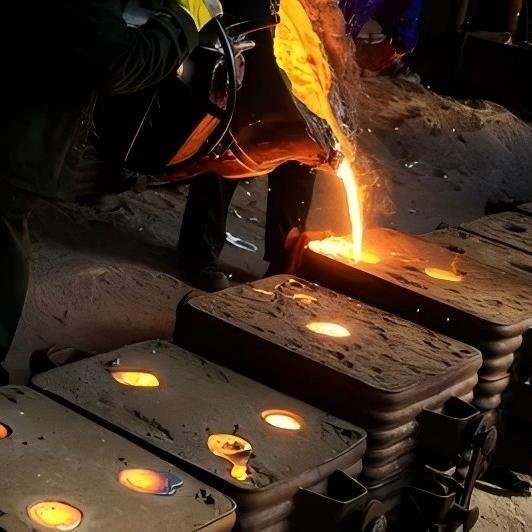
Factories want to use less energy and make less waste. Lost foam casting uses less energy than many other ways. This helps lower the chance of global warming. The process makes less waste because there are fewer steps. Factories can skip some cutting and shaping. This means they use fewer coolants and oils. These chemicals can hurt the environment.
The table below shows how lost foam casting and other methods compare for energy, emissions, and waste:
| Casting Method | Energy Consumption | Emissions | Waste Generation |
|---|---|---|---|
| Sand Casting | High | Moderate to High | High |
| Investment Casting | Moderate | Moderate | Moderate |
| Die Casting | Moderate to High | Moderate | Moderate |
| Lost Foam Casting | Moderate | Moderate to High* | Moderate* |
*Lost foam casting can make less pollution and waste if factories control the process well.
Lost foam casting helps factories make cleaner parts. They can keep emissions low by watching the process. Less waste means factories spend less on cleanup. It also means less harm to the earth.
Sand Recycling
Recycling sand is good for the environment. Lost foam casting lets factories use sand again more easily than green sand casting. The process keeps sand cleaner, so it can be used many times. This fits the idea of using things over and over.
Factories that recycle sand use less new sand. This reduces landfill waste and supports sustainable production. Recycling sand also means less waste goes to landfills. Green sand casting needs more energy to clean and reuse sand. Lost foam casting makes this step easier and uses less energy.
Sand recycling in lost foam casting helps protect the planet. It also helps factories work better and save money.
When to Choose Lost Foam Casting
Best Applications
Engineers pick lost foam casting for jobs that need high accuracy. It is good for making parts with tricky shapes. This way works well when parts must be smooth and the right size. Factories use it to make things that do not need much extra work. It also helps companies that want to protect the environment.
Some common uses are:
- Making lightweight automotive components.
- Creating airplane parts that must be exact and smooth.
- Making medical tools and implants where size matters a lot.
- Building strong machine parts for factories.
- Making parts for turbines and pumps in energy plants.
Tip: Lost foam casting is smart for thin walls, deep holes, or hard shapes.
Industry Examples
Many industries like lost foam casting because it meets tough rules. Car makers use it for parts that must be very exact. Airplane companies pick it for parts with tricky shapes. Heavy machine makers like the smooth finish it gives. Boat companies use it for engine parts that last a long time.
KEMING has helped many companies in these areas. Their team makes car engine blocks, plane compressor housings, and boat propeller blades. They also make parts for building and electronics. KEMING’s lost foam casting helps projects that need good quality, accuracy, and speed.
Note: Lost foam casting is best when a project needs detailed shapes, high performance, and less waste.
Lost foam casting is good for making parts with exact shapes. It can make tricky designs and smooth surfaces. This way means less work is needed after casting. Green sand casting is better for big and simple parts. It costs less when making many parts at once. When picking a method, think about how hard the shape is. Also think about how smooth you want the part and how much money you have.
- Lost foam casting is best for detailed designs and close sizes.
- Green sand casting works well for simple shapes and lots of parts.
KEMING helps with lost foam casting when you need parts that are very exact and made quickly.
FAQ
What is the main advantage of lost foam casting?
Lost foam casting can make hard shapes with good accuracy. Engineers can design parts with thin walls and small details. This way means less extra work after casting.
Can lost foam casting reduce production costs?
Yes. Lost foam casting helps lower tooling and labor costs. Factories use less material and energy. This process also makes less waste, so it saves money.
Is lost foam casting better for the environment?
Lost foam casting uses less water and energy. Factories make less waste and can use sand again. This process helps save natural resources.
Which industries use lost foam casting the most?
- Automotive
- Aerospace
- Construction
- Consumer electronics
These industries need parts that are strong, exact, and light.
How does lost foam casting compare to green sand casting for surface finish?
| Method | Surface Finish Quality |
|---|---|
| Lost Foam Casting | Smooth |
| Green Sand Casting | Rougher |
Lost foam casting gives a smoother surface.