EN
EN  DE
DE  ES
ES  FR
FR 

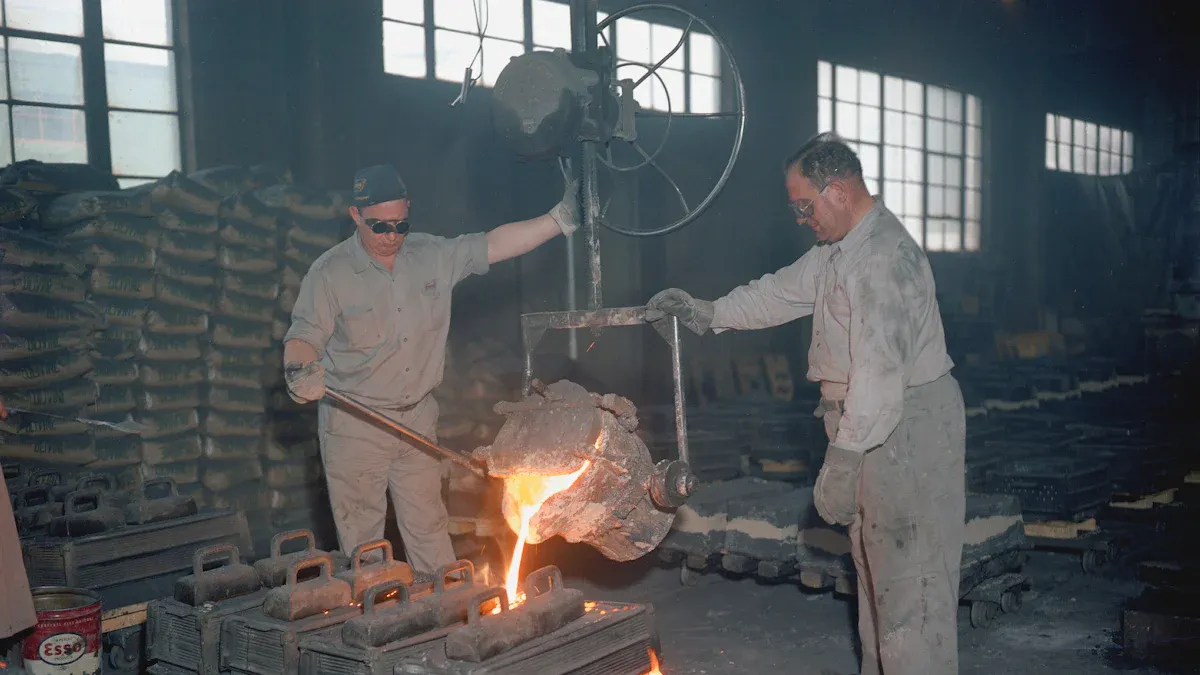
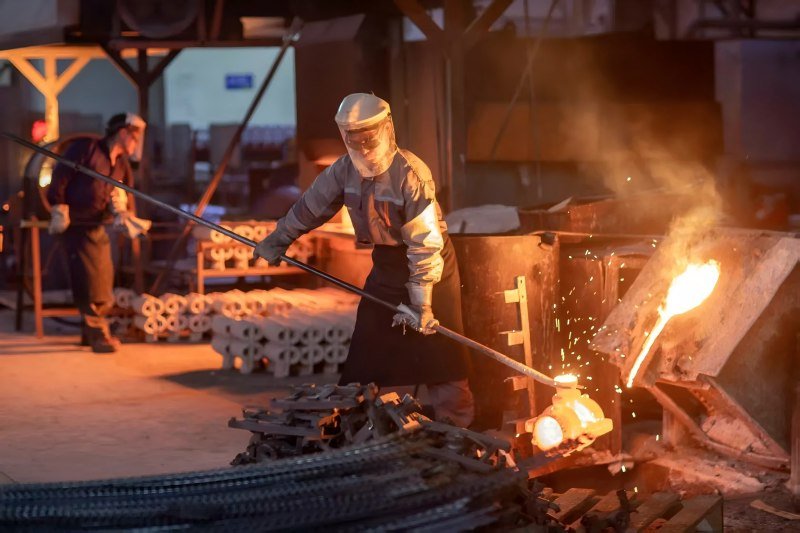
Investment casting utilizes a variety of metals, including carbon steel, stainless steel, iron, aluminum, copper alloys, brass, bronze, nickel, cobalt, titanium, and super alloys. KEMING is a skilled agricultural casting manufacturer, renowned for its expertise in investment casting. Additionally, KEMING stands out as a leading company in rail investment casting. Their team employs each metal while adhering to strict guidelines for different components, ensuring the production of precise metal parts for numerous industries.
Industry | Application Description |
|---|---|
Aerospace & Defense | Metal parts for planes and defense gear, like turbine blades. |
Automotive | Light metal parts for better fuel efficiency, such as engine components and frames. |
Industrial Machinery | Durable metal parts for large machines and robots, requiring exact dimensions. |
Medical | Creating precise metal tools and implants, using biocompatible materials for safety. |
Other Sectors | Utilized in products like home goods, electronics, and energy solutions, demonstrating versatility across various metals. |
KEMING’s proficiency with investment casting metals ensures excellent results for every customer.
Key Takeaways
Investment casting uses metals like carbon steel, stainless steel, aluminum, and copper alloys. These metals help make strong parts for many industries.
Carbon steel and low alloy steel are strong and not expensive. They are good for cars and farm machines.
Stainless steel does not rust easily. It is used in medical tools and food machines. This keeps things safe and long-lasting.
Aluminum alloys are light and strong. They are used for car and plane parts. Brass and bronze work well for marine tools because they do not rust in water.
Super alloys, like nickel-based and cobalt-based, are needed for tough parts in planes and energy machines. They can handle very hard conditions.
Types of investment casting materials
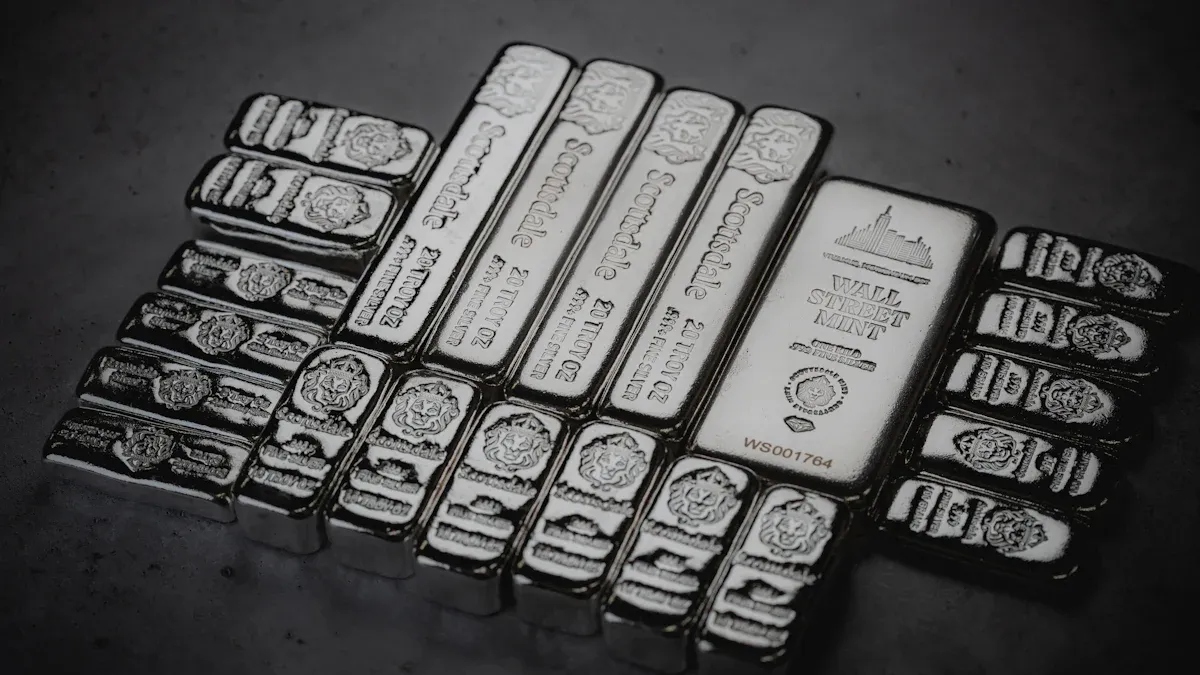
Investment casting uses many materials to make strong metal parts. The main materials are carbon steel, low alloy steel, stainless steel, and cast iron. Each type has special features for different uses. KEMING makes sure every casting is high quality, no matter the material.
Carbon steel and low alloy steel
Carbon steel and low alloy steel are used a lot in investment casting. These alloys are strong, bendable, and not too expensive. Carbon steel is good for parts that need to handle force and hits. Low alloy steel has nickel, chromium, and molybdenum. These elements make the steel stronger and tougher.
KEMING makes carbon steel and low alloy steel castings for farming, cars, and guns. These fields need parts that are strong and last long.
Key reasons for frequent selection:
Carbon steel and low alloy steel are strong and tough.
Investment casting helps reduce extra cutting for hard alloys.
These materials are cheap and can be used in many ways.
Alloying Element | Purpose | Effect on Properties |
|---|---|---|
Nickel (Ni) | Stops rust | Makes steel stronger and tougher |
Chromium (Cr) | Stops rust and wear | Makes steel harder and stronger |
Molybdenum (Mo) | Handles high heat | Makes steel stronger and harder |
These alloys are used in motors, home machines, and big equipment. They can be heat-treated to change how strong or tough each part is.
Stainless steel grades
Stainless steel is a group of alloys that do not rust easily. These alloys have chromium, which protects the metal. Stainless steel grades like 304, 316L, 410, 416, and 17-4 PH are often used in investment casting.
Stainless Steel Grade | Common Applications |
|---|---|
304 (CF-8) | Flanges, boat parts, bearings, food machines, valve parts |
316L (CF-3M) | Medical tools, heat changers, food machines |
410 (CA-15) | Car parts, tools, bolts, shafts, screws |
416 (IC 416) | Valve parts, gears, screw parts, pumps |
17-4 PH | Plane parts, food machines, pumps, motor shafts |
Stainless steel resists rust in different ways. For example, 304 works well where there is little rust. 316L is better for boats because it has more nickel and molybdenum. 17-4 PH is very strong and resists rust, so it is used for tough jobs.
KEMING uses special methods to make stainless steel parts for medical, food, and boat industries. These alloys help parts last long and stay safe.
Cast iron options
Cast iron is another important material for investment casting. There are different types, and each has special features:
Type of Cast Iron | Properties |
|---|---|
White cast iron | Very strong, hard, and resists wear |
Gray cast iron | Easy to cut, resists wear, very strong |
Ductile cast iron | Bends easily, very strong |
Malleable cast iron | Bends easily, tough, easy to cut |
Nodular (spheroidal) iron | Very strong, stretches well |
Cast iron alloys are liked because they are accurate, cheap, and strong. Gray cast iron is easy to cut and does not wear out fast, so it is good for engines and machine bases. Ductile and malleable cast irons bend and stretch more, which helps parts that get hit or bent.
KEMING knows how to cast many types of cast iron. This makes sure each part is strong and lasts long for machines and cars.
The types of investment casting materials, like carbon steel, low alloy steel, stainless steel, and cast iron, give makers many choices. This helps them make parts with the right strength, rust resistance, and price. KEMING’s skill and new technology make sure every project is high quality.
Aluminum and copper alloys in investment casting
Aluminum alloy investment casting
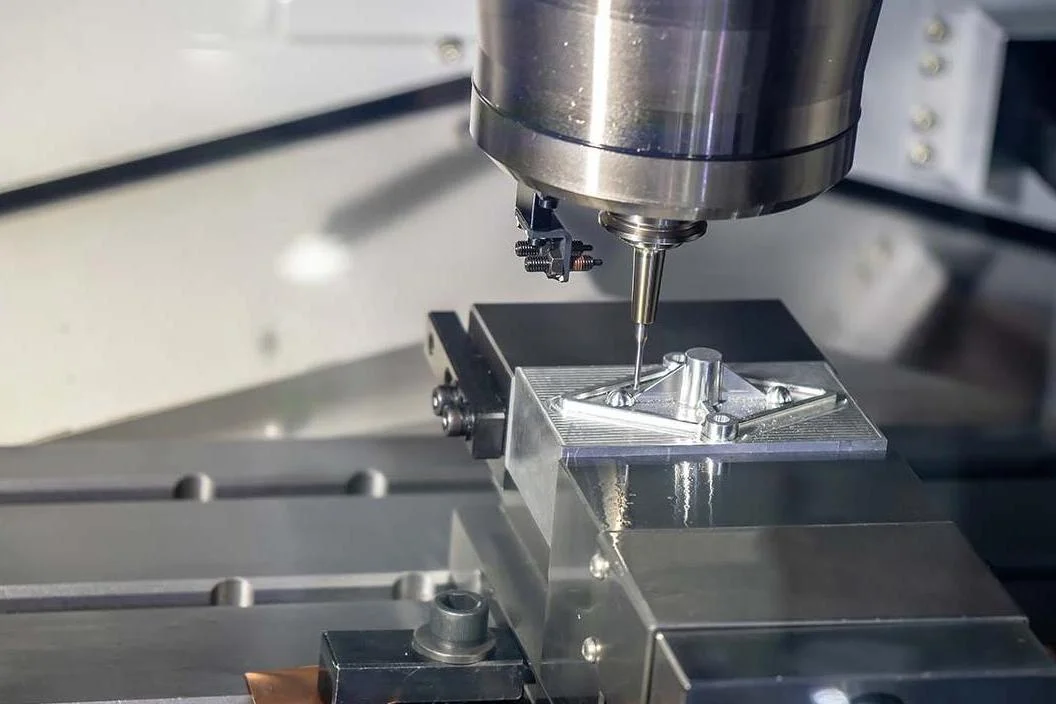
Aluminum alloys are used a lot in investment casting. They are light and strong. Many companies pick these alloys for parts that need to be tough but not heavy. KEMING uses special CNC machines to make aluminum parts very exact. These parts are good for cars, planes, and electronics. They do not rust fast and can take heat.
The table below lists common aluminum alloys and what they do:
Aluminum Alloy | Tensile Strength (PSI) | Yield Strength (PSI) | % Elongation | Benefits |
|---|---|---|---|---|
319 | 23–31,000 | 13–20,000 | 1-5 | High weldability, Corrosion resistance |
355 | 35–50,000 | 28–39,000 | 1-3 | Withstand high pressures, High temperature use |
C355 | 35–50,000 | 28–39,000 | 1-3 | Withstand high pressures, High temperature use |
356 | 32–40,000 | 22–30,000 | 3-7 | Good weldability, High strength & ductility |
A356 | 32–45,000 | 28–36,000 | 2-5 | Good weldability, High strength & ductility |
A357 | 38–50,000 | 28–40,000 | 2-5 | Easy to cast, High strength-to-weight ratio |
F357 | 38–50,000 | 28–40,000 | 2-5 | Lightweight, Great weldability, Temperature safe |
Brass and bronze casting materials
Brass and bronze are copper-based metals used in investment casting. Brass is easy to shape and cut. It is strong and bends without breaking. Bronze is harder and lasts longer. It does not wear out fast and works well in wet or salty places.
Material | Advantages |
|---|---|
Brass | Good strength and ductility; easy to machine and form into complex shapes. |
Bronze | Harder and more wear-resistant; excels in corrosion resistance, especially in saltwater. |
KEMING makes brass and bronze parts for valves, gears, and marine tools. These metals help parts last longer.
Copper alloy properties
Copper alloys have special features that help many industries. They do not rust or get damaged by water. They move heat and electricity better than most metals. Copper alloys can take strong hits and keep their shape. They also make smooth surfaces, so less work is needed after casting.
Property | Description |
|---|---|
Corrosion Resistance | Performs well in harsh environments, resisting rust and degradation. |
Thermal and Electrical Conductivity | Surpasses other metals in conducting heat and electricity. |
Impact Toughness | Can withstand significant force without breaking. |
High Castability | Captures intricate details during investment casting with precision. |
Smooth Surface Finish | Reduces the need for extra machining, saving time and costs. |
Machinability | Allows manufacturers to achieve exact specifications easily. |
Protective Oxide Layer | Shields from environmental damage, ideal for marine and construction uses. |
Many industries use copper alloys for different things:
Marine: Propellers, valves, and fittings
Automotive: Gears, bushings, and connectors
Medical: Surgical tools and devices
Industrial machinery: Pumps, valves, and fittings
KEMING’s skill with these casting materials makes sure each metal part is high quality and works well.
Super alloy and special alloy investment casting
Super alloys and special alloys are very important in investment casting. These metals are used for parts that must work well under tough conditions. They stay strong even when it gets very hot. They also do not get damaged easily by heat, rust, or wearing out. Many industries use these metals to make parts that last a long time.
Super alloys let engineers build metal parts that work better and last longer, even in hard places.
Characteristic | Description |
|---|---|
Mechanical Strength | Superalloys keep their strength when it is very hot. This is needed for parts that work hard. |
Thermal Creep Deformation Resistance | They do not change shape under stress at high heat. This keeps parts safe and strong. |
Surface Stability | Superalloys keep their surface smooth and stable. This helps them work well in rough places. |
Corrosion and Oxidation Resistance | Aluminum and chromium help stop rust and damage from air. This makes the parts last longer. |
Single Crystal Casting | Making parts as single crystals removes weak spots. This helps them handle heat better. |
Nickel-based super alloys
Nickel-based super alloys are often used in investment casting. These metals do not lose their shape or strength in high heat. Engineers use them for jet engines, turbines, and chemical plants. Some common nickel-based alloys are:
Inconel Alloy 625: Used in saltwater, planes, and chemical plants.
Inconel Alloy 718: Used for jet engines and gas turbines.
MAR-M246 and MAR-M247: Good for high-performance jobs.
Rene 80 and Rene 100 Nickel Alloys: Used in very tough places.
FSX 414, Stellite 31, Hastelloy X, Incoloy 901: Used in hot industries.
These metals help make safe and strong parts for hard jobs.
Cobalt-based super alloys
Cobalt-based super alloys are good for places with high heat. These metals do not change size much when the temperature changes fast. This helps stop parts from breaking. Cobalt alloys also do not wear out or rust easily.
Advantage | Description |
|---|---|
Mechanical Properties | They stay strong and hard when it is hot. |
Wear Resistance | They do not wear out fast, so they are good for rough jobs. |
Oxidation Resistance | A special layer forms to stop damage from air. |
Corrosion Resistance | They do not break down in places with lots of rust. |
Creep Resistance | They work well for a long time in heat and under heavy loads. |
Dimensional Stability | They do not change size much when heated. |
They work well when it is very hot.
They last a long time and stay strong.
They do not lose shape in high heat.
They work well in places with lots of rust.
Titanium and other special alloys
Titanium and other special alloys are used when parts need to be light and strong. Titanium does not rust and is safe for people. It is used for medical implants and tools. Aerospace engineers use titanium for blades, frames, and engine parts.
Industry | Applications |
|---|---|
Aerospace | Blades, frames, engine mounts, airflow parts, landing gear, drone and missile parts |
Medical | Implants, surgical tools, medical cases, safe prosthetics, parts with little magnetism |
Many industries use super alloys and special alloys for investment casting. The table below shows where these metals are used most:
Industry | Alloy Type | Application Description |
|---|---|---|
Aerospace | Nickel-based | Used for jet engines and other hot parts. |
Energy | Nickel-based | Used in big turbines for power. |
Medical | Cobalt-based | Used for safe and rust-free medical tools. |
Chemical | Nickel-based | Used in places with strong chemicals. |
Marine | Cobalt-based | Used for parts that must not rust in water. |
Fluid Power | Various alloys | Used for parts in hydraulic machines. |
Oil and Gas | Various alloys | Used for drilling and oil equipment. |
Food and Dairy | Various alloys | Used for safe food machines. |
Marine Technology | Various alloys | Used for underwater parts. |
Aerospace | Various alloys | Used for planes and space parts. |
Super alloys and special alloys help make metal parts that work well in tough places. These metals are used in aerospace, energy, medical, and marine jobs. They help parts last longer and work better.
Non-metallic materials in investment casting

Non-metallic materials are very important in investment casting. These materials help make the mold for the metal part. They also make sure the part has the right shape and a smooth surface. Wax and ceramics are the main non-metallic materials used in lost wax casting. They help build the mold that holds the hot metal.
Wax patterns for investment casting
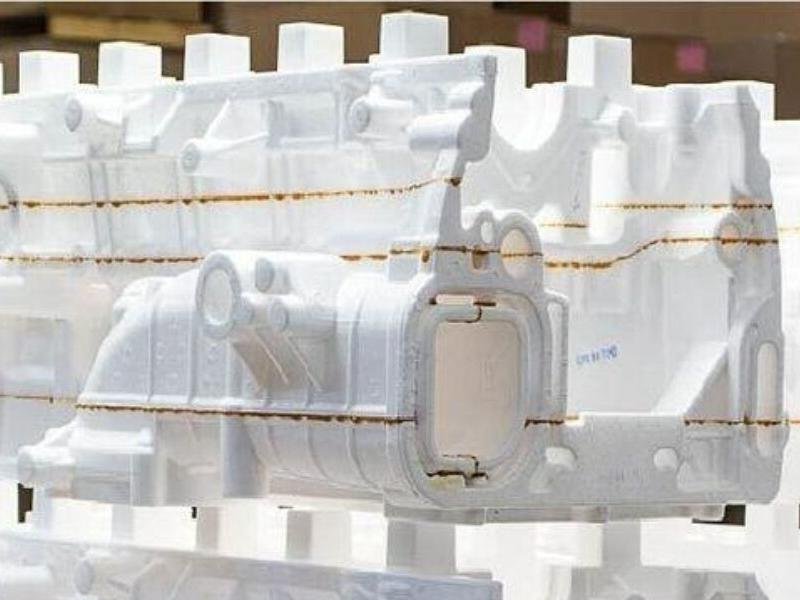
Wax is the first thing used in lost wax casting. Workers use wax to make a pattern that matches the final part. This wax pattern is the base for the mold. There are different kinds of wax for patterns, and each kind has its own good points.
Wax Type | Advantages |
|---|---|
Filled Pattern Wax | Makes the pattern stronger, shrinks less, and keeps size better. |
Non-Filled Pattern Wax | Cheap, easy to use, flows well, can be used again, and works for many jobs. |
Runner Wax | Flows very well, fills the mold right, and helps stop mistakes in the final part. |
Sticky Wax | Sticks well for putting patterns together, easy to move, and good for fixing things. |
Water-Soluble Wax | Good for the planet, melts in water, leaves clean molds, and works for tiny shapes. |
Workers put the wax patterns on a wax tree. This tree helps make the investment mold. The wax melts away before the hot metal is poured in. This leaves an empty space inside the mold.
Ceramic shell materials
Ceramic materials cover the wax pattern to make a hard shell. Workers dip the wax pattern in a ceramic liquid. They add more layers of ceramic until the shell is thick. The ceramic shell dries and gets hard. This shell is the investment mold that holds the hot metal. Ceramics can take high heat and keep their shape. This means the mold does not break when filled with hot metal.
Other non-metallic substances
Other non-metallic materials help make the mold stronger or help the casting work better. Workers use binders to hold the ceramic pieces together. Sometimes, they add sand or other things to make the mold more steady. These materials help the mold keep its shape and protect it from the hot metal.
Non-metallic materials like wax and ceramics are needed for making good molds in lost wax casting. They help make detailed shapes and smooth surfaces. This makes investment casting work well for many industries.
Investment casting is very flexible and helps many industries. It can use many different materials. This process makes parts with tricky shapes and thin walls. The surfaces are smooth and the parts are made very carefully.
Engineers like investment casting because it makes detailed parts.
The process lets them pick special alloys and change how parts act.
KEMING’s Strengths | Details |
|---|---|
Years of Experience | KEMING has done this work for over 20 years. |
Quality Control | They test and check every part very closely. |
Industry Applications | They make parts for cars, planes, and medical tools. |
KEMING always works hard to make good and useful parts. This makes investment casting a smart pick for companies.
FAQ
What is investment casting?
Investment casting is a way to make metal parts. Workers first make a wax shape. They cover the wax with ceramic. Then, they pour hot metal into the mold. This helps make parts with lots of detail. Many industries use this method.
Which industries use investment casting the most?
Aerospace, automotive, medical, and marine fields use it a lot. These industries need metal parts that are strong and exact. They want parts that work well and last long.
Can small and large parts be made with investment casting?
Yes, factories can make tiny or big parts this way. The process works for shapes that are tricky or have lots of detail. It is good for making many different designs.
Why do companies choose different metals for casting?
Each metal acts in its own way. Some metals do not rust. Some are light. Others are very strong. Companies pick metals based on what the part must do.
How does KEMING ensure quality in casting?
KEMING checks every part very carefully. They use special machines and tests. The team looks at strength, shape, and how smooth the part is. They do this before sending parts to customers.