EN
EN  DE
DE  ES
ES  FR
FR 
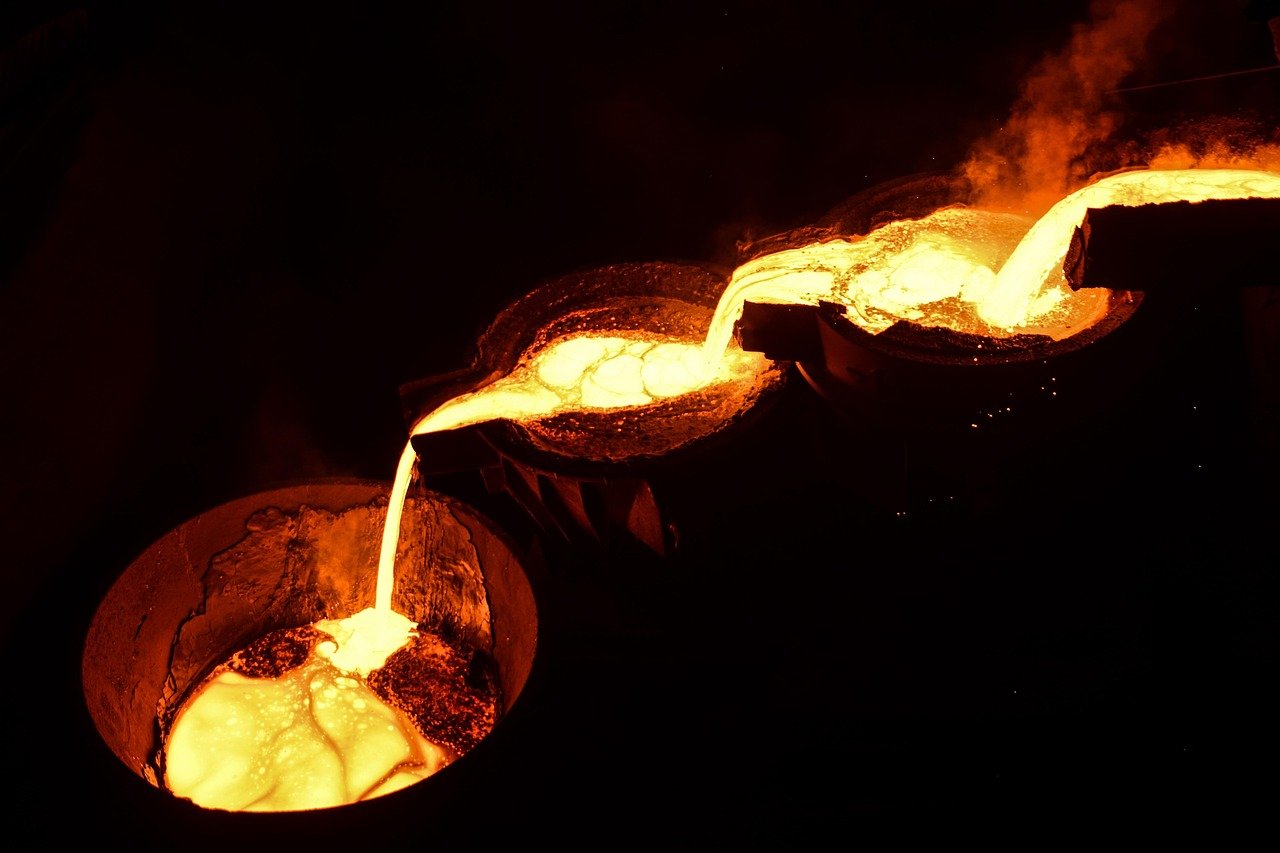
Investment Casting makes metal parts with exact sizes and smooth surfaces. This process can keep sizes as close as ±0.005 inches for every inch. Wall thickness can be between 0.03 and 0.1 inches.
KEMING has been doing Investment Casting Services for over 20 years. They help industries like Automotive Castings Manufacturing and Agricultural Castings and Parts Manufacturing. The company uses new technology and strong quality checks to make sure parts are very exact.
Surface finish quality is very good. Contact profilometers check roughness. Different methods help make sure parts are smooth and correct.
Key Takeaways
Investment Casting is very precise. Sizes are usually within ±0.005 inches for each inch. This makes it great for making detailed parts.
The process gives smooth surfaces. Most of the time, only a little finishing is needed. This helps parts last longer and look better.
Investment Casting can make very detailed designs. It lets people create complex shapes and tiny details. Other methods often cannot do this.
KEMING uses advanced technology and strong quality checks. This means their castings are always high quality. Many industries use them, like aerospace and medical.
Picking the right metal is very important. It helps get the strength and precision you want in Investment Casting. KEMING has over 100 materials to choose from.
Investment Casting Precision

Dimensional Tolerances
Investment Casting is known for making parts with very exact sizes. Makers can get sizes as close as ±0.005 inches for every inch. This high accuracy is great for jobs that need very precise parts. Many engineers pick Investment Casting instead of sand casting or die casting. They do this because it controls part sizes better.
Investment Casting gives better size control than sand and die casting.
Sand casting needs bigger size limits and is not as exact as Investment Casting.
Die casting keeps sizes steady but works best for making lots of the same part, not special or tricky shapes.
This method lets you make thin walls and hard shapes that other ways cannot do easily.
New tools like computer programs and robots help make parts even more exact. These tools can guess how metal will act and make the process better. This means there are fewer mistakes and each part meets tough rules.
Surface Finish Standards
How smooth a part is matters for how it works and looks. Investment Casting makes parts with smooth surfaces that often do not need much fixing. Different jobs have their own rules for how rough a surface can be. This is measured in micrometers (Ra). The table below shows what is common:
Industry | Surface Roughness (Ra) |
|---|---|
Automotive | Ra 0.8 to Ra 3.2 micrometers |
Aerospace | Ra 0.4 to Ra 1.6 micrometers |
Medical | Ra 0.2 to Ra 0.8 micrometers |
There are world rules, like ASTM B487/B487M and ISO 4287, that say what surface is okay for Investment Casting. Some customers also ask for their own rules, especially for important things like planes and medical tools.
Smoother surfaces help parts last longer, stop rust, and make them look better.
Intricate Design Capabilities
Investment Casting lets people make parts with tricky shapes and small details. You can make things like undercuts, thin walls, and tiny tunnels inside the part. Designers have more choices because this way of making parts does not have the same limits as old ways.
Investment Casting helps make hard shapes with lots of detail.
You can make undercuts and holes inside that are hard for other ways.
Designers can make thin walls and sharp corners without making the part weak.
New ideas, like using 3D printing to make patterns, let people design even more. These tools make it easier to build detailed molds and save money for test parts or small batches. Robots and smart machines also help keep parts the same and good quality, even for the hardest designs.
Precision Factors

Pattern & Mold Preparation
Making a precise part starts with the pattern and mold. Skilled workers make wax patterns that look like the final part. If the pattern is detailed, the metal part will be, too. The ceramic shell must keep its shape and size. When both the pattern and mold are right, the part fits tight rules and shows small details.
Good patterns help make tricky shapes.
Strong molds give smooth surfaces and the right size.
Careful work lowers the chance of mistakes.
Investment Casting is great for making parts with smooth surfaces and exact sizes.
Process Controls
Strict controls help make sure every part is the same. Workers watch each step, from wax to pouring metal. They use special tools to check heat, pressure, and time. This careful work stops common problems and keeps parts within the needed limits.
Aspect | Description |
|---|---|
Purpose | Makes steps better and parts more exact. |
Benefits | Saves time and gives very precise parts. |
Importance | Keeps lost wax casting accurate and steady. |
Controlling hot metal is very important. If things go wrong, parts can have holes or bend. New machines and sensors help keep the process steady and repeatable.
Material Selection
Picking the right metal changes how exact and smooth the part is. Each metal acts differently when cast. For example, aluminum alloys flow well and fill molds easily. Steel shrinks more or less depending on carbon. The table below shows how different metals change precision:
Material Type | Shrinkage Rate | Fluidity Impact |
|---|---|---|
Gray Iron | ~1.0% | Flows okay, changes size a bit |
Aluminum Alloys | ~1.3% | Flows well, fills molds exactly |
Zinc Alloys | ~0.7% | Stays close to the right size |
Steel | ~2.0% | Changes with carbon, affects shape |
Steel with Nickel/Chromium | N/A | Makes size more stable |
Choosing the best metal helps the part stay strong and the right size.
Design & Post-Processing Impact
Geometry & Shrinkage Allowances
Designers need to think about how metal changes as it cools. Every metal shrinks in its own way. Engineers use special rules and tools to help. They make the pattern a bit bigger before casting. This helps the finished part match the drawing. The table below shows important things to remember:
Design Consideration | Description |
|---|---|
Section Thickness and Thermal Gradients | Thick parts stay hot longer. This can make the inside shrink. Quick changes in thickness can cause stress. |
Riser Design and Gating System | Risers hold extra metal. They fill the part as it cools, stopping holes from shrinkage. |
Pattern Scaling Rules and CAD Shrink Factors | Patterns are made bigger for shrinkage. The amount depends on the metal. |
Planning these things helps keep parts the right size and shape.
Machining & Finishing
After casting, parts often need more work to look and fit better. The first surface can feel rough. Most parts have a finish near 125 Ra, but this can change. Different steps help make the part better:
Post-processing Method | Benefits |
|---|---|
Heat Treatment | Makes parts harder and stronger |
Surface Treatment | Helps stop rust and reduces wear |
General Post-treatment | Makes surfaces smoother and more resistant |
Machining can take off bumps or extra metal.
Surface treatments can make parts shiny or stop rust.
Heat treatment can help parts last longer in hard jobs.
These steps help parts meet tough rules and work well.
Quality Control Methods
Quality checks make sure every part is the right size and strong enough. Workers use many tests to find problems before shipping. The table below lists common ways to check:
Method | Description | Advantage | Application |
|---|---|---|---|
Non-Destructive Testing (NDT) | Checks parts without damage | Finds issues early | Aerospace, automotive, medical |
Radiographic Testing | Uses X-rays to see inside parts | Spots hidden defects | Aerospace components |
Ultrasonic Testing | Uses sound waves to find flaws | Finds small, deep problems | Medical and automotive parts |
Magnetic Particle Inspection | Finds surface cracks in magnetic metals | Quick surface check | High-stress automotive parts |
Dye Penetrant Inspection | Uses dye to show surface cracks | Good for surface flaws | Many industries |
Destructive Testing | Breaks samples to test strength | Confirms part can handle tough jobs | Aerospace |
Tensile Testing | Pulls parts until they break | Shows how strong and stretchy parts are | Aerospace, automotive |
Hardness Testing | Checks how hard a part is | Ensures it will not wear out fast | Tools, machinery |
Impact Testing | Hits parts to see how much energy they absorb | Shows toughness for real-world use | Turbine blades, engine parts |
These tests help keep parts safe and working well. Jobs like aerospace and medical need these checks to make sure every part works. Investment Casting uses these tests to give high-quality, exact parts.
KEMING’s Investment Casting Advantages
Advanced Facilities & Experience
KEMING has been making cast parts for over 20 years. The company has a modern factory with more than 50 CNC machines and 30 lathes. There are also two special lines for casting. These machines help make parts that are the right size and very smooth. KEMING uses different ways to cast metal, like shell mold sand casting, lost foam casting, water glass casting, and lost wax casting. The team uses CNC machining with casting to make sure every part is made well and looks good.
Equipment Type | Description |
|---|---|
CNC Machines | Over 50 CNC machines for precise milling, turning, and grinding with tight tolerances. |
Lathes | 30 lathes ensuring high efficiency and precision in machining. |
Casting Production Lines | Two specialized lines for producing high-quality castings, enhancing production efficiency. |
Advanced Machining Equipment | Modern factory equipped to meet the production needs of high-precision parts. |
KEMING can work with more than 100 kinds of materials. These include stainless steel, carbon steel, alloy steel, aluminum, and iron. Using many materials helps KEMING make hard shapes that are still the right size.
Strict Quality Assurance
KEMING checks every part to make sure it is right and works well. The company looks at raw materials, checks sizes during making, and inspects each part before sending it out. Workers use tests that break parts and tests that do not, like ultrasonic and radiographic testing, to find problems. Coordinate Measuring Machines (CMM) check the size of each part. Surface finishing and heat treatment help parts meet the rules. KEMING keeps good records for every step so each part meets world standards.
Quality Assurance Step | Description |
|---|---|
Rigorous Testing Processes | Extensive testing ensures casting accuracy and compliance with standards. |
Dimensional Checks | CMMs verify precise measurements. |
Surface Finishing | Final products meet required surface quality. |
Heat Treatment | Improves mechanical properties. |
Metallographic Analysis | Confirms castings are defect-free and suitable for demanding uses. |
Custom Solutions for Industries
KEMING makes special cast parts for many jobs. The company helps aerospace, automotive, and medical fields. For aerospace, KEMING makes strong and tricky parts like turbine blades and engine parts. In cars, KEMING makes light and tough parts that help cars work better. For medical use, KEMING makes small, exact, and safe parts for tools and implants.
Industry | Application Description | Key Features |
|---|---|---|
Aerospace | Produces complex, high-strength parts such as turbine blades and engine components. | Meets strict safety and performance standards. |
Automotive | Used for precise, lightweight, and durable parts like engine components and transmission. | Improves vehicle performance and fuel efficiency. |
Medical | Produces small, precise, biocompatible parts for surgical instruments, implants, and prosthetics. | Excellent surface finish and reliability. |
KEMING picks good materials and checks every step to give fast service, good prices, and exact parts. The company knows a lot about Investment Casting and is a trusted partner for metal parts.
Investment Casting makes parts very exact, with sizes close to the right number. The difference is usually between ±0.005 and ±0.015 inches for every inch.
The surface is very smooth, often between 125 and 250 microinches Ra or even smoother.
This way of making things can easily create tricky shapes and tiny details.
KEMING uses new machines and careful checks to make sure castings are always right.
Skilled companies like KEMING give steady quality and strong parts for tough jobs.
Customers can count on KEMING for special, very exact casting work.
FAQ
What is investment casting best used for?
Investment casting is good for making parts with hard shapes. It can make parts with small details. Many jobs use it, like planes, cars, and medical tools. This way makes metal parts that are strong, exact, and smooth.
How accurate are investment castings?
Most investment castings stay within ±0.005 inches per inch. This means they are very exact. These parts are great when you need the right size and shape. KEMING uses special tools to keep every part this exact.
Can investment casting handle different metals?
Yes. Investment casting works with many kinds of metals. It can use stainless steel, aluminum, carbon steel, and special mixes. KEMING can cast over 100 types of materials for many needs.
Does investment casting require extra machining?
Some parts need more work to fit just right. Some need special surfaces. Most investment castings come out almost the right shape. This means less work is needed after casting.
How does KEMING ensure quality in investment casting?
KEMING checks quality at every step. Workers test the materials and measure the parts. They use machines like CMMs to check sizes. They also use tests that do not break the part to find hidden problems.