EN
EN  DE
DE  ES
ES  FR
FR 
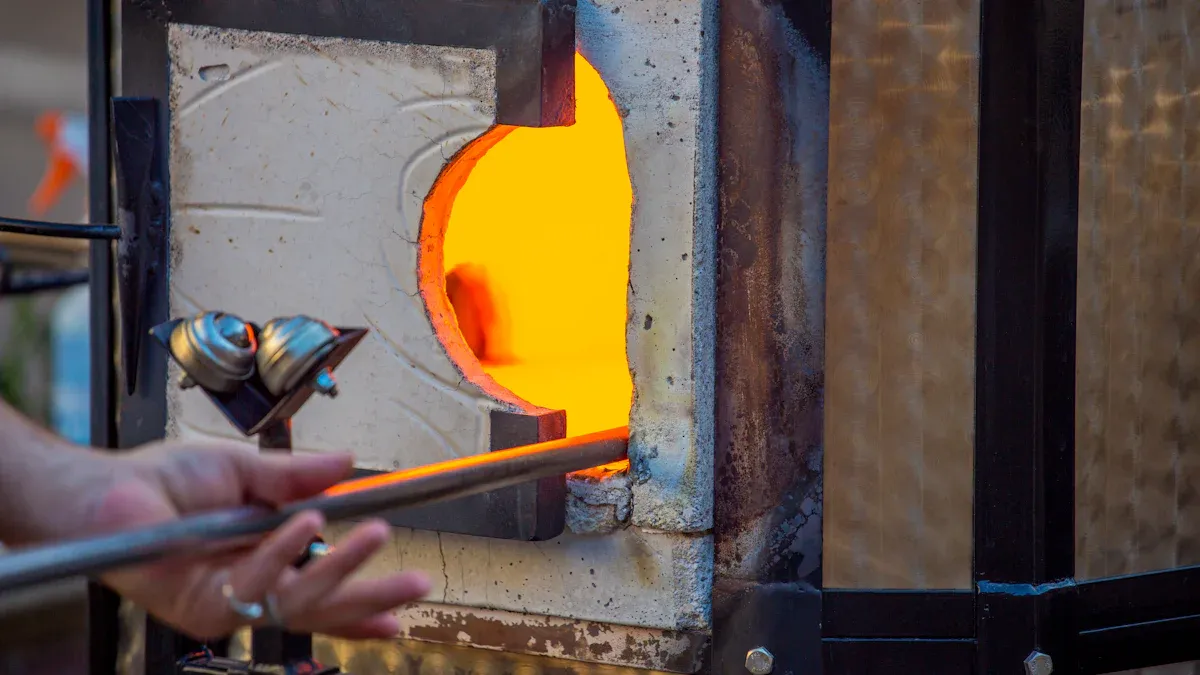
Lost foam casting involves applying a specialized coating to foam patterns, creating a protective barrier for the foam. This coating regulates the interaction between the hot metal and the pattern, which is crucial in the production of lost foam castings. Foundries utilize this coating to prevent gas bubbles and metal leaks, effectively addressing issues such as shrink holes, misruns, cold shuts, and rough surfaces. Additionally, the coating enhances the smoothness of the surface and secures the pattern in place. At KEMING, we employ advanced coatings to produce robust agricultural castings, specifically designed for agriculture machinery casting parts, ensuring high-quality and durable components for the farming industry.
Key Takeaways
Lost foam casting coatings keep foam patterns safe from hot metal. This helps make castings strong and smooth. The coating must be the right thickness. It lets gas escape but stops metal from leaking. This lowers the chance of casting problems. Coatings make the surface smoother. This makes the castings look better and work better. The best coating depends on the metal and how complex the pattern is. This helps the casting work well. Checking the coating quality is very important. It keeps the coating even and stops problems in the final product.
Main functions of lost foam coating
Lost-foam casting needs a coating layer for many reasons. The coating protects the foam pattern. This helps make sure the casting turns out well. Foundries like KEMING use special coatings. These coatings help them get good results and fewer mistakes in their castings.
Preventing metal penetration
The coating stops hot metal from getting into the sand mold. This is important to keep the casting strong and free from sand. Studies show the coating on the foam pattern helps control carbon problems. A coating that sticks well and lets air pass can stop metal from leaking in. The right thickness and mix of the coating make it work better. Foundry coatings use special materials in a liquid. This keeps the mold steady and stops metal from leaking. KEMING puts on the coating at just the right thickness. This helps their castings stay smooth and free from sand and other marks.
Controlling gas and permeability
When lost-foam casting happens, the foam melts and makes gas. The coating must let gas out but not let metal leak. How well the coating lets gas pass is very important. Tests show that this affects how the mold fills and how good the casting is. If the coating does not let gas out, pressure builds up inside. This can cause the mold to not fill all the way and make mistakes in the casting. KEMING picks coatings that let gas out well. This helps the gas escape and keeps the castings free from problems.
Improving surface finish
A smooth surface is needed for many uses. The coating makes the surface of lost-foam castings smoother. It does this by making a flat layer between the foam and the hot metal. Studies show that castings with coating are smoother than those without. Thicker coating on the foam makes the surface even smoother. If there is no coating, the surface is rougher. Some companies have seen these changes:
Company X used lost-foam casting for engine blocks. This made them faster to make and use less fuel.
Manufacturer Y used lost-foam casting for axles. This made them stronger and lighter.
Godfrey & Wing’s CFi process made cylinder heads smoother. This helped them make more cylinder blocks.
A test with over 450,000 cylinder blocks showed that new coatings worked better than old ones.
Enhancing pattern strength
The coating makes the foam pattern stronger. This helps it stay safe when people move it and during casting. Thinner coatings help the mold fill better and make the inside of the casting nicer. This means the castings are stronger and have fewer holes. Lost-foam castings are strong because they do not use old mold materials. The table below shows these changes:
Evidence | Description |
|---|---|
Thinner Coatings | Better mold filling and smoother inside, so castings are stronger and have fewer holes. |
Mechanical Properties | Stronger, last longer, and can take more hits because there are no old mold materials. |
How thick the coating is also matters for strength.
Reducing casting defects
The coating helps stop mistakes during lost-foam casting. Coatings that spread well and let air out make pouring easier and stop mistakes. If the coating lets air out, gas can escape and there are fewer holes and marks. Patterns and coatings must be dry before use. This stops too much gas from forming. Picking binders that do not make much gas also helps stop problems. The table below shows what mistakes the coating helps stop:
Evidence Description | Type of Defect Minimized |
|---|---|
Using coatings that spread well and let air out makes pouring easier and stops mistakes. | Holes, Marks, Slag Marks |
To stop splashing, change layers slowly when filling molds. Using coatings and sand molds that let air out helps gas escape. | Holes, Marks |
Patterns and coatings must be dry before use to stop too much gas. | Holes |
Picking binders that do not make much gas stops splashing and marks. | Marks, Slag Marks |
Lost-foam casting works better because of the coating layer. KEMING shows that picking and using the right coating gives strong, mistake-free castings. The coating keeps the foam safe and makes the casting process work better.
Lost foam coating composition
Refractory materials in coatings
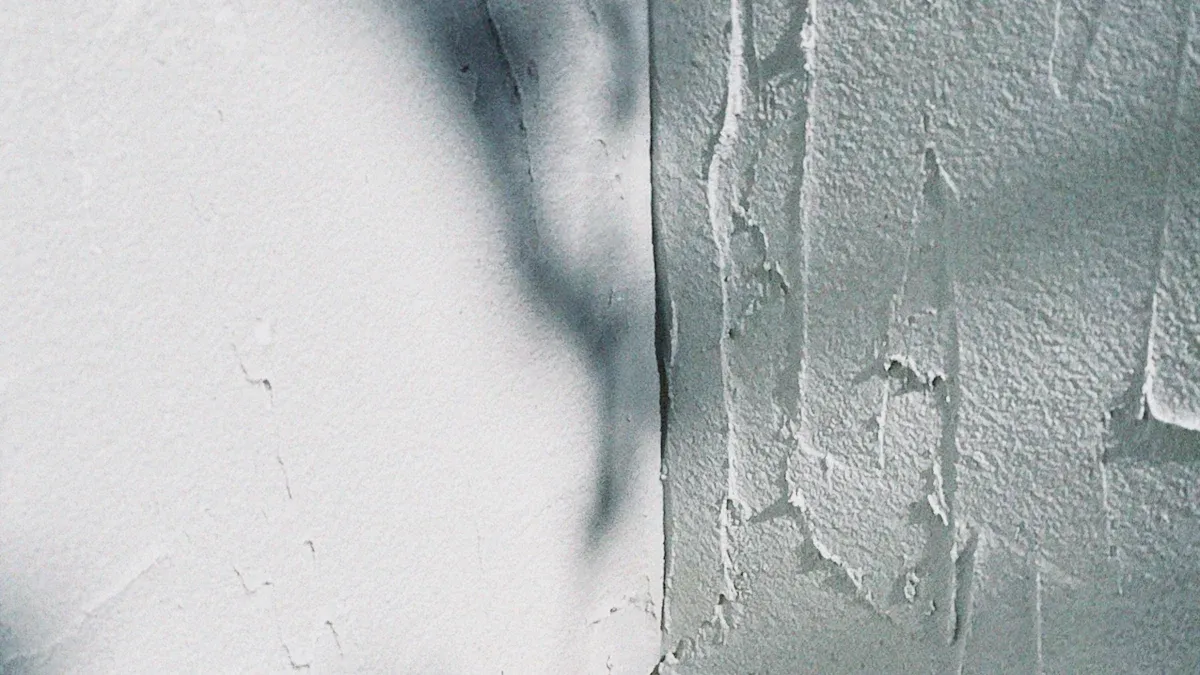
Refractory materials are very important in lost foam coatings. They help the foam pattern keep its shape when it gets hot. Each kind of refractory material does something special to make the coating work better. The table below shows some common refractory materials and what they do:
Refractory Material | Function |
|---|---|
Zircon powder | Heat insulation, isolation, anti sand adhesion, reduces surface roughness |
Bauxite | Heat insulation, isolation, anti sand adhesion, reduces surface roughness |
Talc powder | Heat insulation, isolation, anti sand adhesion, reduces surface roughness |
Brown corundum powder | Heat insulation, isolation, anti sand adhesion, reduces surface roughness |
Quartz powder | Heat insulation, isolation, anti sand adhesion, reduces surface roughness |
Laishi powder | Heat insulation, isolation, anti sand adhesion, reduces surface roughness |
Mica powder | Heat insulation, isolation, anti sand adhesion, reduces surface roughness |
Materials like aluminosilicate and andalusite help the coating stand up to heat. They also protect the foam pattern from damage.
Binders and additives explained
Binders and additives are needed to make the coating work well. Binders hold the refractory particles together. They also make the coating strong and let air pass through. Some binders are syrup, starch, nanobentonite, and water glass. Additives help the coating do more things. Surfactants help the coating spread. Suspending agents keep things mixed. Thixotropic agents control how thick the coating is. Defoamers get rid of bubbles. Preservatives help the coating last longer.
Binders make the coating stick and stay strong.
Surfactants help the coating go on smoothly.
Suspending agents stop things from settling.
Thixotropic agents keep the coating the right thickness.
Defoamers take away bubbles.
Preservatives make the coating last longer.
The right mix of binders and additives helps the coating dry well and stick to the foam.
Key properties: permeability and thickness
Permeability and thickness are very important for lost foam coatings. The best coating is between 0.2 and 0.4 mm thick. It should have gas permeability of 1.4-1.6 × 10^-13 m². If the coating is too thick, gas cannot get out. This can cause holes in the casting. If the coating is too thin, it might not protect the foam. The size and shape of the particles in the coating also matter. A coating with small particles and low permeability makes the casting surface smoother.
Environmental and safety factors
Environmental and safety rules help foundries pick safe coating materials. Laws like the Clean Air Act and Resource Conservation and Recovery Act tell foundries to use safer stuff. Water-based coatings make less air pollution and are safer for workers. They also lower the risk of fire. Workers should wear safety gear and follow rules when using coatings.
Water-based and ceramic coatings
Water-based and ceramic coatings have different features. Water-based coatings make less air pollution and are safer to use. They give a softer layer and need to be put on more often. Ceramic coatings last longer and protect better against UV, stains, and chemicals. The table below shows how they compare:
Feature | Water-Based Ceramic Sprays | Ceramic Coatings |
|---|---|---|
Longevity | 2-4 months | 1-3 years |
Level of Protection | Lower degree | Superior protection |
Bonding to Surface | Weaker bond | Strong bond |
Active Ingredient % | 1%-13% | 20%-65% |
Formulation | Water-based | Solvent-based |
Both coatings help foundries follow safety and environmental rules. The best choice depends on what the lost foam casting needs.
Selecting the right lost-foam casting coating
Matching coating to metal type
The coating you pick depends on the metal you use. Each metal needs a coating with certain features. The table below lists some coatings, what they do, and which metals they work with:
Coating Material | Key Properties | Suitable Metal Types |
|---|---|---|
Refractory Slurry | Mix of grains, binders, and water | General metal casting |
Ceramic Shell | Handles heat well, shows small details | High-temperature alloys |
Aluminum Silicate | Stays strong in heat, makes smooth surfaces | Various metals |
Zircon | Stays stable in high heat | Specialty applications |
Silica | Costs less, works okay with heat | Common metals |
Foundries choose coatings by looking at how hot the metal gets and how it reacts. For example, ceramic shell coatings are good for metals that get very hot.
Considering pattern complexity
If the pattern is tricky, you need a coating that covers every part. Thin coatings can reach tiny spaces and keep the foam’s shape. Thick coatings might hide small details. KEMING uses coatings that flow well and are strong for parts with lots of detail.
Surface quality requirements
Some castings must be very smooth. The right coating helps make a better finish. Coatings with tiny particles help make the surface less rough. Foundries try different coatings to see which one gives the best result for each job.
Compatibility with foundry sand
The coating should work well with the sand used in casting. If the coating and sand do not match, problems can happen. Good matches help the coating stick to the foam and keep the casting strong.
Cost and material availability
Price is important when picking a coating. Some coatings use rare materials and cost more. Others use common materials and cost less. Foundries look at price and how easy it is to get the materials. They pick coatings that fit their budget and are easy to find.
Tip: Always try a new coating with your own casting process before using it for big jobs. This helps stop problems and saves money.
Application methods for lost foam coating
Dipping, brushing, and spraying
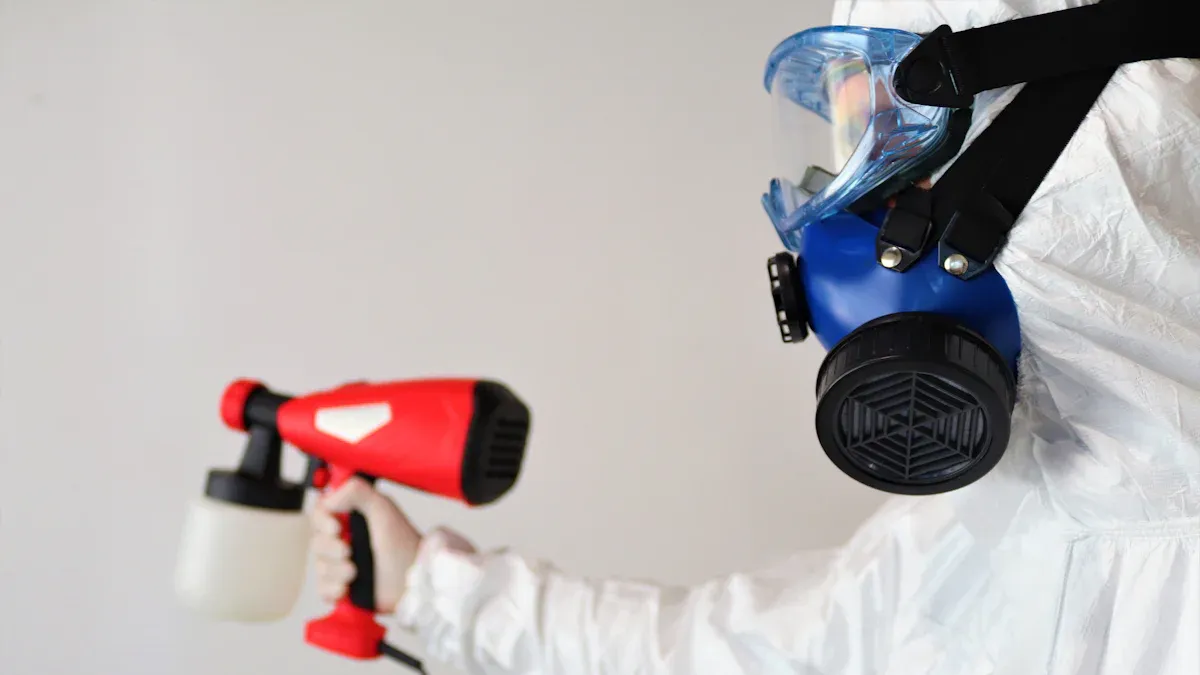
Foundries use different ways to put coating on foam patterns. Dipping means putting the whole pattern into the coating. Brushing is good for small spots or tiny details. Spraying is fast for big or tricky shapes. Each way gives a special finish and works best for certain sizes.
Achieving uniform coating thickness
Getting the same thickness everywhere makes castings strong and smooth. Workers mix quartz sand and bauxite in a 3:7 or 4:6 ratio. They add water and stir it well. Then, they put in a suspending agent like sodium cellulose glycolate and a binding agent. This keeps the coating even and steady. A little defoamer helps stop bubbles and makes the coating smoother.
Step | Description |
|---|---|
1 | Mix quartz sand and bauxite in a 3:7 to 4:6 ratio. |
2 | Add water and stir. |
3 | Add suspending and binding agents, then stir again. |
Equipment and tools overview
Dipping tanks, spray guns, and brushes help put on the coating. KEMING uses good tools to make sure the coating covers well. Workers check tools before using them to stop clogs or uneven layers.
Troubleshooting application issues
Sometimes, the coating does not stick or makes bubbles. A good suspending agent keeps the mixture even. Adding a defoamer stops foam when putting on the coating. If the coating looks uneven, workers stir it again or change how they put it on.
Safety during application
Safety is important when using coating. Workers wear gloves, masks, and goggles to stay safe. Water-based coatings lower fire risk and make less bad fumes. KEMING teaches workers to follow safety rules and keep the area clean.
Tip: Make sure the coating dries well to stop cracks and warping. Drying helps the coating stick better and makes the finish smoother. Fast drying systems can make lost foam casting go quicker.
Quality control in lost foam casting coatings
Quality control helps foundries make strong and reliable parts. In lost foam casting, workers check every step to make sure the coating works well. KEMING uses strict tests and controls to keep their products safe and free from defects.
Drying and curing procedures
Workers dry and cure the coating after they apply it to the foam pattern. Drying removes water and helps the coating stick. Curing makes the coating hard and strong. They use ovens or warm air to dry the coating. The right drying time stops cracks and keeps the coating smooth. KEMING checks the temperature and time for each batch.
Inspecting coating uniformity
Uniform coating means the layer covers the foam evenly. Workers look for thin spots, bubbles, or cracks. They use lights and magnifiers to see small problems. If they find a mistake, they fix it before moving to the next step. This keeps the casting surface smooth.
Tip: Uniform coating helps stop defects and makes the final part look better.
Testing permeability and strength
Permeability shows how well gas can pass through the coating. Workers test this by measuring how fast air moves through the layer. Strength tests show if the coating can handle heat and pressure. KEMING uses hardness tests and other checks to make sure the coating meets standards.
Quality Control Test | Description |
|---|---|
Hardness Testing | Ensures material hardness meets standards |
Magnetic Particle Testing | Detects surface and near-surface defects |
X-ray Testing | Identifies internal defects in castings |
Monitoring production quality
Foundries use sensors and gauges to watch the coating process. They check foam density, coating thickness, sand compaction, and pouring temperature. Automated systems help keep each coating layer the same. KEMING follows strict rules and uses ISO 9001 standards to manage every order.
Process control keeps coating thickness and drying time steady.
Coating application checks stop cracks and uneven layers.
Addressing coating failures
If the coating fails, workers find the cause. They look for cracks, bubbles, or weak spots. They may change the drying time or fix the mix. Quick action helps stop bigger problems in casting. KEMING trains workers to spot and fix coating issues fast.
Quality control in lost foam casting coatings helps foundries make strong, smooth, and defect-free parts. KEMING sets a high standard with their careful tests and controls.
Picking and using the right coating is very important in lost foam casting. The right coating makes the surface smoother and stops mistakes in the casting. Many things help with this:
Picking the best mix helps stop problems where sand and metal meet.
Getting the coating ready and letting it dry right makes it work better.
Putting on the coating the same way each time and teaching workers helps keep things steady.
Keeping coating tanks clean stops the final product from getting ruined.
KEMING gives expert help to people who want good results. Readers can find out more by talking to people who know a lot about the industry.
FAQ
What is the main purpose of the coating in lost foam casting?
The coating keeps the foam pattern safe from hot metal. It stops problems and makes the finished casting look better.
How do foundries apply the coating to foam patterns?
Foundries use dipping, brushing, or spraying to put on the coating. Workers pick the best way based on the foam’s size and shape.
Which materials are common in lost foam casting coatings?
Refractory powders like zircon, bauxite, and talc are used a lot. Binders and additives help the coating stick and dry the right way.
Why is coating thickness important?
How thick the coating is helps gas get out and keeps the surface nice. A smooth layer stops holes and makes the casting strong.
How do foundries check coating quality?
Workers look for even layers, test how air moves through, and check hardness. These steps help make sure lost foam castings turn out well.