EN
EN  DE
DE  ES
ES  FR
FR 
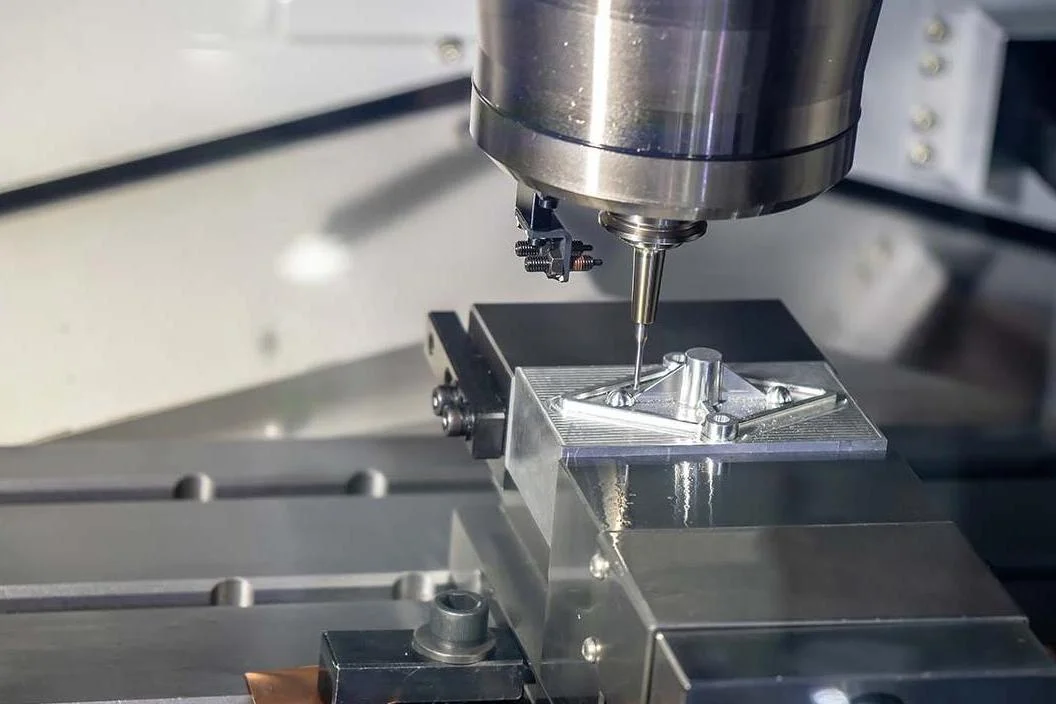
CNC machine tools can cut aluminum with extremely high precision. Many industries use CNC machine tools to cut aluminum parts, including manufacturing, automotive, aerospace, and electronics. Choosing the right machine tool, cutting tools, and settings is crucial for aluminum machining. Keming has extensive experience in CNC machining and precision casting, ensuring excellent results for every project.
Key Takeaways
- CNC machine tools can cut aluminum with extremely high precision. This makes them play a vital role in the automotive and aircraft manufacturing industries.
- Choosing the right aluminum alloy and machine tool settings is very important. This helps to achieve good cutting results and smooth surfaces.
- Maintaining good cutting tool condition and using sharp tools is highly beneficial. This can increase cutting speed and extend tool life.
- Using coolant and appropriate feed rates and speeds can prevent overheating. This also helps to make the machining process smoother.
- Understanding the differences between CNC engraving machines and milling machines is helpful. This can help you choose the best machine tool for your aluminum machining projects.
CNC Machine Cut Aluminum: How It Works
Detailed Cutting Process
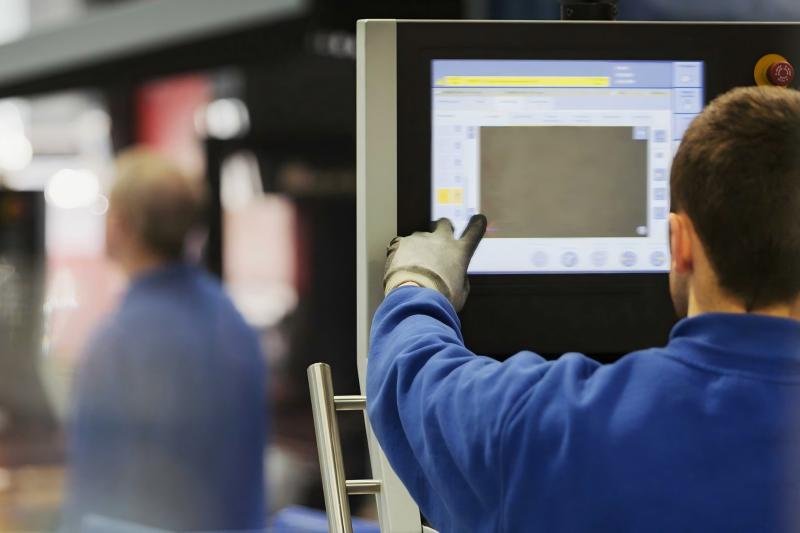
The CNC machine tool cutting of aluminum involves multiple steps. First, engineers create a 3D model using CAD software. Then, they use CAM software to plan the machining process and generate G-code. The operator fixes the aluminum material in place and installs the appropriate cutting tools, preparing the CNC machine tool. The machine tool cuts according to the G-code. After cutting, workers clean the parts, treat the surfaces, and check for defects.
KEMING uses advanced CNC machine tools for aluminum cutting. Their CNC milling services can machine parts with complex shapes and extremely high precision. Multi-axis milling machines, such as three-axis, four-axis, and five-axis milling machines, help to produce smooth and precise parts. KEMING also offers rapid prototyping and surface treatment services, such as anodizing and polishing.
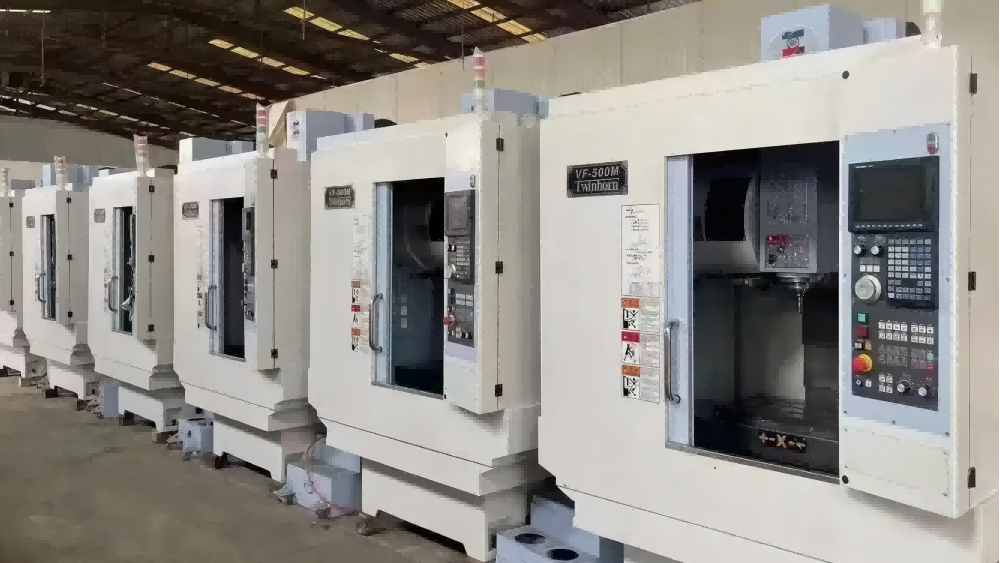
A high-performance machine tool is essential for high-quality CNC aluminum cutting. Rigid machine tools maintain stability and withstand cutting forces. This helps avoid machining errors, results in smoother surfaces, and extends tool life. Excessive machine movement significantly reduces machining quality and accelerates tool wear.
Modern CNC machine tools are equipped with high-speed spindles and intelligent control systems. These features help maintain cutting accuracy and remove more material quickly. Multi-axis machine tools can move in multiple directions simultaneously, enabling the machining of complex shapes. Digital twin technology and artificial intelligence analysis help improve part accuracy and reduce material waste.
Aluminum Properties
Aluminum is ideal for CNC machining due to its unique properties. It is softer than many other metals, making it easier to machine. This allows for faster and lower-cost machining of aluminum. Choosing the right aluminum grade is crucial, as each alloy has different properties.
The following table lists common aluminum alloys and their machinability:
| Alloy | Properties | Machinability Notes |
|---|---|---|
| 6061-T6 | Good strength, corrosion resistance, weldable | Stable, easy to machine, used in many industries |
| 7075-T6 | Very strong, lightweight, fatigue resistant | Machines well, excellent surface finish, used in aerospace |
| 2024-T3 | High strength, good fatigue resistance | Machines well, lower corrosion resistance, used in structural parts |
| 5052-H32 | Great for bending, excellent corrosion resistance | Softer, can be gummy, best for marine and chemical equipment |
| 2011 | Outstanding machinability, high throughput | Contains lead, not good for welding or anodizing |
The aerospace, automotive, and electronics industries widely use CNC machining of aluminum to manufacture components such as engine blocks, radiators, and aircraft fuselages. With the right settings and cutting tools, CNC milling machines can also achieve very precise cuts in aluminum.
Note: When machining aluminum, selecting the appropriate alloy and adjusting the feed rate and cutting speed are crucial for achieving optimal machining results.
Aluminum Cutting: Tools and Techniques
Tool Selection and Maintenance
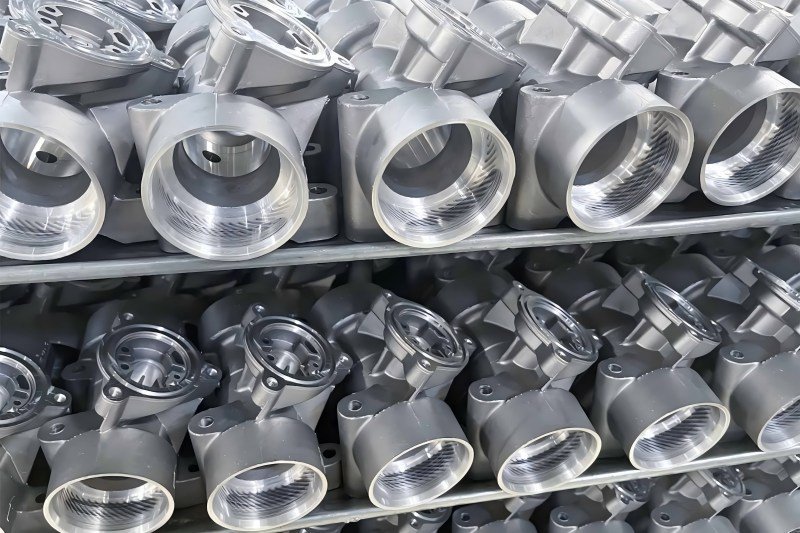
Choosing the right tools is crucial for CNC machining of aluminum. Single-flute end mills and sharp milling cutters are the best choices for machining aluminum. These tools can quickly remove chips and keep the tool cool. If the tool becomes dull, it can lead to rough cuts or even breakage. Operators need to check the tools frequently and replace them when necessary. Maintaining tools in good condition contributes to the smooth machining of aluminum.
Many machining workshops use spray cooling systems or micro-lubrication systems to cool the tools. These systems spray a small amount of coolant onto the tool, reducing friction and preventing overheating. Clean tools and good lubrication make CNC aluminum machining easier.
Kemin Company strictly controls quality to ensure that every part is qualified. The table below shows how Kemin Company conducts quality checks during aluminum milling and cutting:
| Quality Control Measure | Description |
|---|---|
| Hardness Testing | Uses special testers to check material strength and durability. |
| Surface Roughness Testing | Measures how smooth the finished part is. |
| Optical Comparator | Magnifies the part to find surface defects. |
| CMM Machines | Checks complex shapes in 3D for accuracy. |
| Non-Destructive Testing | Looks for hidden defects without damaging the part. |
| Inspection Protocols | Inspects at every stage, from raw material to final product. |
| Record Keeping | Tracks inspection results for better quality over time. |
Feed Rate, Cutting Speed, and Coolant
Feed rate and cutting speed are crucial for aluminum machining. Operators must set the appropriate feed rate and spindle speed for each aluminum grade.
Coolant helps keep the tool and workpiece cool during cutting. Here are some common coolant options:
- Compressed Air: Inexpensive, but lacks lubrication. Not suitable for high-friction cutting.
- Spray Cooling: Good cooling and lubrication, but requires cleaning after use.
- Mini-Quantity Lubrication (MQL): Low coolant consumption, low cost, and more environmentally friendly.
- Solid Lubrication: Environmentally friendly, but poor chip removal.
The best CNC engraving machine for aluminum should use the appropriate coolant and settings for each machining job. Aluminum machining requires precise control of feed rate, spindle speed, and coolant to prevent tool wear and overheating. The KEMING team, with its extensive material knowledge, selects the best machining solution for each project, ensuring clean and precise cutting results every time.
Tip: To achieve optimal aluminum machining results, please select the appropriate cutting tools, feed rate, spindle speed, and coolant based on the aluminum grade.
CNC Engraving Machines for Aluminum Machining: Advantages and Disadvantages
CNC Engraving Machines vs. CNC Milling Machines
Both CNC engraving machines and CNC milling machines can be used to machine aluminum. Each machine has its advantages. CNC milling machines are powerful and capable of machining hard materials. CNC engraving machines have higher travel speeds and are more suitable for machining softer materials such as aluminum. The table below lists the differences between these two types of machines:
| Feature | CNC Mills | CNC Routers |
|---|---|---|
| Material Handling | Made for hard materials | Best for softer materials |
| Precision | Very precise for deep cuts | Less precise, good for shallow cuts |
| Spindle Speed | Slower speed, more torque | Faster speed, less torque |
| Construction | Strong, fixed bridge | Gantry style, bed stays in place |
| Applications | Small shapes, aerospace, medical | Engraving, cutting profiles, surfacing |
CNC milling machines are ideal for deep cutting and creating complex shapes, such as aircraft parts and medical device components. CNC engraving machines, on the other hand, are best suited for engraving and cutting aluminum, offering high spindle speeds and fast processing speeds.
How to Achieve High-Quality Machining with CNC Engraving Machines
CNC engraving machines present some challenges when cutting aluminum. Their strength is less than milling machines, resulting in limited cutting depth and slightly lower precision. Operators need to use appropriate engraving tips and keep the machine stable. Sharp tools and the correct feed rate help reduce tool wear. Spray cooling systems or lightweight coolants can keep the tools cool and prevent chip buildup.
Here are some tips for machining aluminum with a CNC engraving machine:
- Using a single-edged engraving tip provides better chip removal.
- Clamp the aluminum sheet firmly to prevent movement.
- Set the feed rate and spindle speed according to the material properties.
- Use a spray cooling system to keep the tool cool.
- Make shallow cuts to avoid overloading the machine.
CNC engraving machines are best suited for machining softer materials such as aluminum and brass. While not as suitable for cutting steel or titanium as CNC milling machines, they offer higher precision and deeper cutting depths, making them particularly suitable for complex machining operations.
KEMING uses both CNC engraving machines and CNC milling machines depending on the project. Their team understands how to select the best machine for each job. They employ advanced CNC machine tool methods for cutting aluminum to achieve high-quality results. Customers trust KEMING to cut aluminum parts with meticulous precision.
Note: Choosing the right machine and settings makes aluminum cutting easier and helps produce higher-quality parts.
Aluminum Milling and Cutting: Best Practices
Preventing Tool Wear and Overheating
Operators need to prevent tool wear and overheating. Here are some simple ways to help extend tool life and improve tool performance:
- Adjust cutting speed, feed rate, and depth of cut for each job. Ensure these settings are matched to the aluminum you are working with.
- Use coolant to keep the tool cool and remove chips. Coolant helps prevent heat buildup.
- Try new machining methods, such as high-efficiency milling. This can extend tool life and increase machining speed.
- Choose a robust and stable CNC engraving machine for aluminum. Machines with high spindle and frame strength experience less vibration and better heat dissipation.
- Inspect your tools regularly. Replace them immediately if they become dull or damaged.
Tool wear can be caused by many factors, including thermal cracking, built-up edge, notch wear, plastic deformation, and abrasive wear. Rapid temperature changes, insufficient coolant, or improper cutting speeds can all lead to these problems. Operators should use appropriate coolant, select the best tool material, and set the machine correctly to prevent tool wear.
Ensure a smooth surface.
A smooth surface makes aluminum parts look beautiful and perform well. There are several ways to achieve a smooth surface:
- Polishing and grinding can remove fine imperfections, making parts shiny.
- Grinding and sanding can remove rough parts from the surface.
- Anodizing can form a strong protective layer on the surface of parts, preventing rust and damage.
- Diamond tools cut very cleanly and have a long service life.
- Using high spindle speeds and rapid feed rates helps reduce tool marks and achieve better surface finish.
- Coolant and lubricant keep the workpiece cool and help maintain a smooth surface during CNC machining.
Errors can occur when milling and cutting aluminum. The table below lists common errors and their solutions:
| Mistake | Recommendation |
|---|---|
| Incorrect cutting parameters | Do test cuts first to find the best settings before making lots of parts. |
| Neglecting tool maintenance | Make a schedule to check and clean tools often. |
| Improper workpiece setup | Use measuring tools to put the workpiece in the right spot and hold it tight. |
| Inclusion of contaminants | Keep the work area clean so nothing gets in the way during machining. |
The Keming team meticulously inspects each part and uses advanced CNC machine tools. They ensure dimensional accuracy and a high level of surface finish for every component. Their pursuit of excellence guarantees high standards in every aluminum milling and cutting operation.
When properly set up, CNC machine tools can cut aluminum very well. Operators need to clamp the aluminum material firmly. They should choose carbide cutting tools and use powerful machine tools. The table below lists the key tool selections for achieving good machining results:
| Factor | Description |
|---|---|
| Flute Count | 2-3 flutes help remove chips at fast speeds |
| Helix Angle | 35°-45° gives a good mix of heat and chip removal |
| Clearance Angle | 6°-10° helps stop noise and rubbing |
FAQ
What makes a CNC machine tool for aluminum machining different from other machine tools?
Aluminum machining CNC machines feature robust frames and high-speed spindles, contributing to their efficient aluminum cutting. These machines employ special cooling systems to prevent tool overheating.
Can a CNC engraving machine cut aluminum plates?
If set up correctly, a CNC engraving machine can cut aluminum plates. The machine must be kept stable, and the operator should select sharp tools for a smooth cut.
Which tools are best suited for aluminum machining?
Carbide cutting tips are the best choice for aluminum machining. These tips maintain their sharpness for extended periods and have better heat resistance than ordinary cutting tips.
How do CNC engraving machines help complete aluminum machining projects?
CNC engraving machines can cut aluminum quickly and accurately, making them ideal for creating signs, panels, and custom parts. This machine tool helps save time and reduce errors.
What factors affect the price of an aluminum CNC machine tool?
Price depends on size, power, and features. Machines with more axes or higher speeds are more expensive. Brand and quality also affect price.