ES
ES  EN
EN  DE
DE  FR
FR  PT
PT  RU
RU 
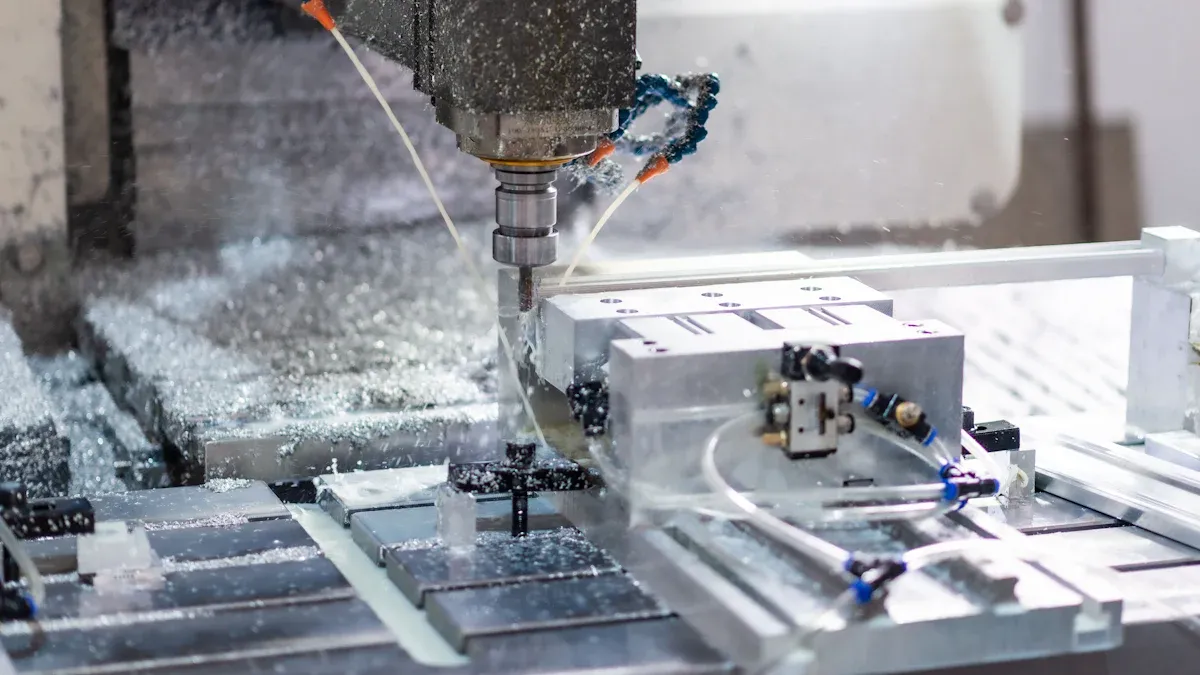
Una máquina de precisión utiliza herramientas guiadas por ordenador para fabricar piezas. Estas piezas tienen tamaños exactos y formas especiales. Estas máquinas utilizan nuevas tecnologías como el mecanizado CNC y las máquinas de electroerosión. KEMING utiliza Mecanizado de precisión servicio en muchas industrias. Algunos ejemplos son Fundición naval y fabricación de piezas y Fabricación de piezas de fundición para automóviles. La precisión y la repetibilidad garantizan que cada pieza se fabrique correctamente. Así se obtienen piezas resistentes para trabajos que requieren un alto rendimiento.
Tecnología | Descripción |
|---|---|
Mecanizado CNC | Realiza piezas con medidas muy ajustadas |
Máquinas de electroerosión | Realiza piezas detalladas y exactas |
Principales conclusiones
Las máquinas de precisión utilizan nuevas tecnologías para fabricar piezas con tamaños y formas exactos. Esto ayuda a muchas industrias a trabajar mejor.
Las máquinas de mecanizado CNC y de electroerosión son herramientas importantes. Ayudan a fabricar cosas al detalle y pueden hacer el mismo trabajo muchas veces.
El proceso híbrido de KEMING mezcla la fundición de metales y el mecanizado CNC. Esto ahorra mucho tiempo a la hora de configurar y fabricar productos.
El mecanizado de precisión es muy exacto y puede hacer lo mismo una y otra vez. Esto hace que los productos sean más seguros y mejores, y siguen normas estrictas.
El mecanizado de precisión ayuda a fabricar nuevos modelos con rapidez. Esto permite cambiar los diseños con rapidez, ahorra dinero y ayuda a fabricar mejores productos.
Cómo funciona
Componentes clave
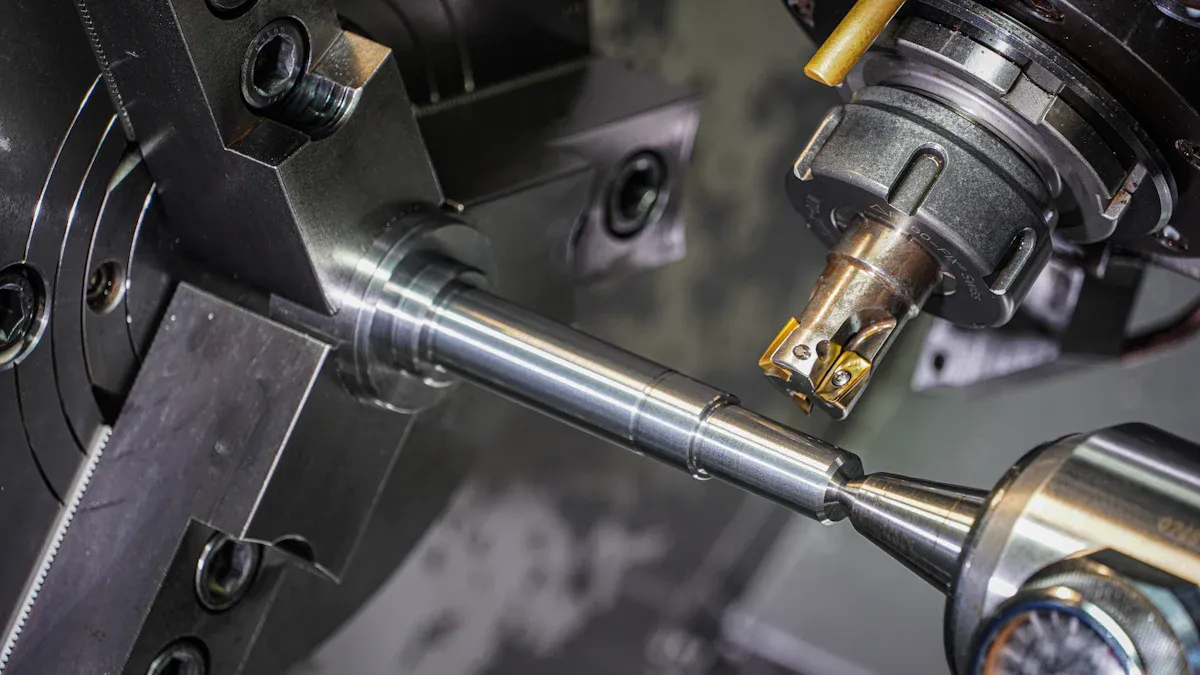
Las máquinas de precisión tienen muchas piezas avanzadas. Cada una de ellas contribuye al buen funcionamiento de la máquina. Algunas piezas importantes en una máquina de precisión son:
Los sistemas de básculas de medición lineal pueden leer tamaños muy pequeños, incluso micras.
La rotación de la herramienta a alta velocidad puede alcanzar miles de RPM.
El funcionamiento multieje ayuda a reducir los errores al mover piezas.
Los cambiadores automáticos de herramientas cambian las herramientas rápidamente y ayudan a evitar errores.
Los amortiguadores controlan las sacudidas y mantienen la máquina estable.
Las guías de rodillos lineales con holgura cero contribuyen a la precisión.
Los sensores y los sistemas de retroalimentación comprueban si hay problemas y realizan cambios.
Todas estas piezas trabajan juntas para conseguir exactitud y precisión. Exactitud significa que la máquina fabrica piezas que se ajustan al diseño. Precisión significa que puede fabricar la misma pieza muchas veces con pocos cambios. Si una máquina no es precisa, es posible que las piezas no encajen o no funcionen correctamente. Una buena precisión garantiza que todas las piezas sean iguales. Esto es importante para la seguridad y la calidad.
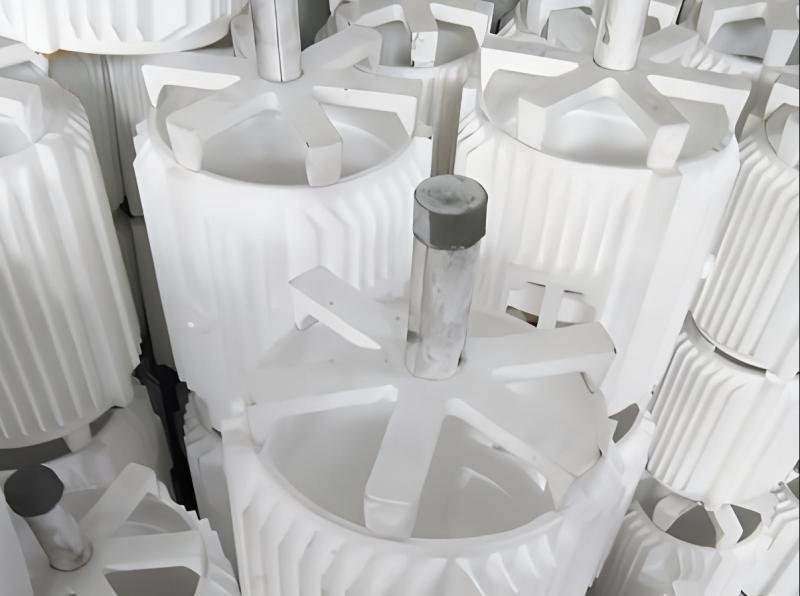
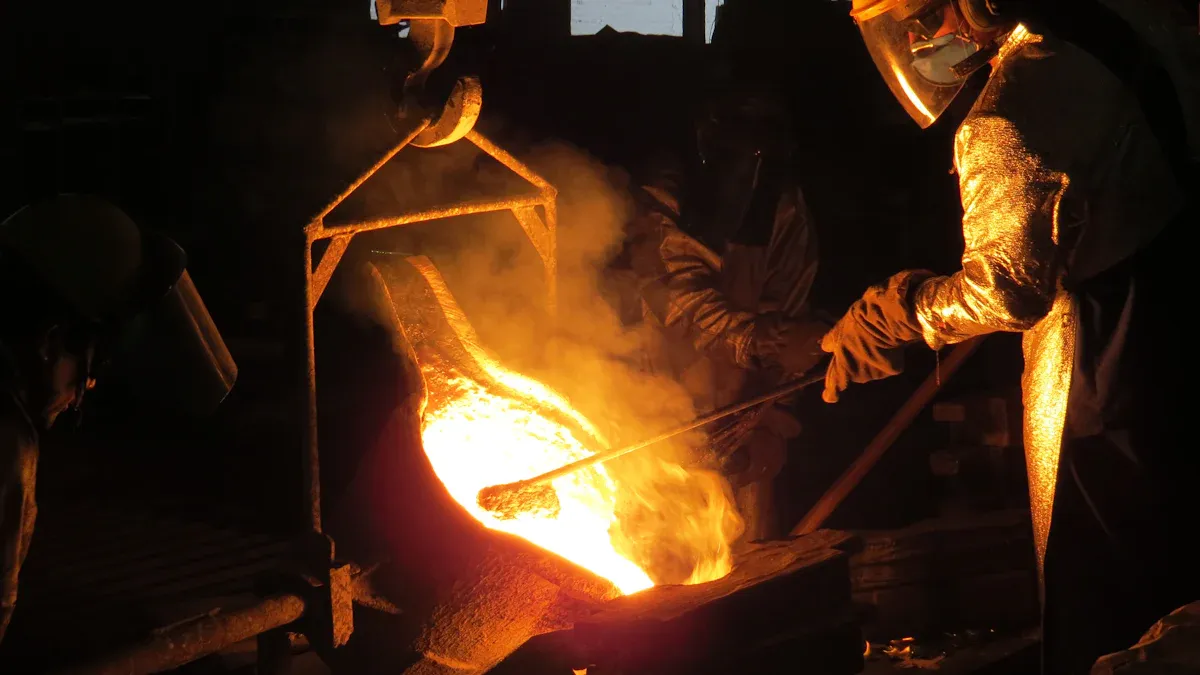
KEMING utiliza un proceso híbrido con fundición de metal y mecanizado CNC. En primer lugar, la fundición de metal a la cera perdida da la forma básica. A continuación, las máquinas CNC hacen la pieza exacta. Este método reduce el tiempo de preparación en hasta 75%. También acelera la producción, que pasa de semanas a días. Las transferencias automatizadas entre pasos reducen los errores y defectos. La supervisión en tiempo real comprueba la calidad en cada paso. El sistema puede funcionar de 16 a 24 horas sin parar. Los flujos de trabajo automatizados lo hacen posible. Se realiza un seguimiento de cada paso, para que pueda ver lo que ha ocurrido de principio a fin.
Beneficio | Descripción |
|---|---|
Reducción del tiempo de preparación | Reducción del tiempo de cambio de 60-75% en comparación con máquinas separadas |
Compresión del plazo de entrega | Los ciclos de producción se reducen de semanas a días |
Manipulación reducida | Las transferencias automatizadas eliminan 40-60% de defectos de calidad |
Control en tiempo real | Recogida de datos del proceso en cada fase para garantizar la calidad |
Funcionamiento sin luces | Producción desatendida de 16-24 horas con flujo de trabajo automatizado |
Trazabilidad completa | La rosca digital archiva todos los parámetros del proceso y los datos de inspección |
KEMING también utiliza máquinas especiales como rectificadoras, cortadoras láser y robots de soldadura. Estas herramientas ayudan a conseguir piezas muy lisas y exactas. Los robots de soldadura láser hacen soldaduras mejores y más rápidas. Pueden realizar trabajos minuciosos en fábricas de coches y aviones. Los robots ayudan a reducir los errores y permiten que las máquinas trabajen más tiempo sin parar. Los sistemas de supervisión inteligentes cambian los ajustes según sea necesario. Esto garantiza que cada pieza cumpla unos estándares elevados.
Tecnología CNC
CNC significa Control Numérico por Ordenador. Los ordenadores guían a las máquinas para cortar y dar forma a las piezas metálicas. La tecnología CNC permite a las máquinas seguir pasos exactos en todo momento. El proceso comienza cuando el software convierte un diseño digital en código G. El código G indica a la máquina cómo moverse y qué hacer. El código G indica a la máquina cómo moverse y qué hacer.
Existen diferentes máquinas CNC, como tornos y fresadoras. Cada una realiza un trabajo especial. Los tornos CNC hacen girar la pieza mientras una herramienta la corta. De este modo se obtienen formas redondas. Las fresadoras CNC utilizan herramientas giratorias para cortar formas complejas. Las máquinas CNC multieje pueden moverse de muchas maneras. Esto les ayuda a fabricar piezas detalladas.
La tecnología CNC tiene muchas ventajas:
Las máquinas pueden fabricar piezas muy detalladas y exactas.
El proceso se repite, por lo que cada parte es casi igual.
Las máquinas multieje pueden cortar formas difíciles de hacer a mano.
El mecanizado CNC es importante para piezas utilizadas en aviones o dispositivos médicos.
Las máquinas CNC de KEMING trabajan con otras herramientas avanzadas para obtener grandes resultados. El uso de robots de tecnología CNC, rectificado, corte por láser y soldadura ayuda a KEMING a cumplir normas estrictas. Esto les permite fabricar piezas resistentes y fiables para muchos usos.
Características y ventajas
Precisión y tolerancia
Las máquinas de precisión son especiales porque fabrican piezas muy exactas. La tolerancia es lo mucho que puede cambiar el tamaño de una pieza y seguir funcionando. Las máquinas de KEMING pueden hacer piezas con tolerancias tan pequeñas como ±0.001 pulgadas. Esto significa que cada pieza encaja a la perfección y funciona bien.
Tipo de mecanizado | Tolerancia típica (pulgadas) | Tolerancia típica (mm) |
|---|---|---|
Mecanizado CNC | ±0.005 | ±0.127 |
Mecanizado de precisión | ±0,001 o mejor | ±0,0254 o mejor |
KEMING utiliza grandes máquinas y trabajadores cualificados para obtener estos resultados. Las buenas herramientas ayudan a evitar errores. Los trabajadores formados y los pasos establecidos mantienen las cosas igual. Estas cosas garantizan que las piezas se puedan intercambiar, que se sigan las normas de seguridad y que los clientes estén contentos.
Algunas características importantes de las máquinas de precisión son:
Las piezas pueden intercambiarse con otras
La calidad se comprueba con datos
Menos residuos y menos errores
Las piezas siempre funcionan bien
Cumplir las normas del sector
Repetibilidad
La repetibilidad significa que una máquina puede fabricar la misma pieza una y otra vez. Las máquinas de KEMING son muy buenas en este sentido. Utilizan controles inteligentes y retroalimentación para comprobar cada paso. Esto garantiza que cada pieza sea idéntica al diseño, incluso cuando se fabrican muchas piezas.
Los ingenieros comprueban la repetibilidad viendo si la máquina vuelve al mismo punto. Para ello utilizan herramientas especiales, como interferómetros láser. Si la máquina vuelve siempre al mismo sitio, tiene una buena repetibilidad.
La repetibilidad ayuda a mantener la seguridad y la calidad de los productos. Evita errores y mantiene las cosas iguales. Los fabricantes de productos sanitarios deben seguir normas estrictas. Sus máquinas deben superar pruebas de repetibilidad y reproducibilidad. KEMING comprueba estos aspectos en cada paso.
Aspecto | Descripción |
|---|---|
Variación de la medición | Cada proceso cambia un poco. Saberlo ayuda a mantener un alto nivel de calidad. |
Repetibilidad | Muestra si una máquina puede fabricar la misma pieza muchas veces. |
Reproducibilidad | Comprueba si diferentes personas obtienen los mismos resultados. |
Sistema SPC | Utiliza datos exactos para controlar el proceso y reducir los cambios. |
Acabado superficial
El acabado superficial es el aspecto y la sensación de suavidad o aspereza de una pieza. Un acabado liso ayuda a que las piezas duren más y reduce la fricción. KEMING utiliza rectificadoras, cortadoras láser y controles minuciosos para obtener acabados superficiales excelentes.
Tipo de acabado superficial | Impacto en el rendimiento |
|---|---|
Acabado liso | Menos fricción, menos desperfectos, mayor resistencia a la oxidación |
Acabado rugoso | Es más fácil añadir revestimientos, pero puede causar más fricción y desgaste |
KEMING comprueba el acabado superficial de muchas maneras:
Mirar de cerca con lupas
Medición con herramientas especiales
Utilización de máquinas de medición de coordenadas (MMC)
Utilización de rugosímetros
Estas comprobaciones garantizan la alta calidad de cada pieza. Los ajustes de la herramienta y la máquina también modifican el acabado. El equipo de KEMING los modifica para obtener el mejor acabado para cada material, como el aluminio, el acero o las aleaciones de cobre.
El acabado superficial es importante en muchos campos, como la aeronáutica, la electrónica y los dispositivos médicos. Un buen acabado ayuda a que las piezas funcionen mejor y duren más. El enfoque de KEMING en la calidad de las superficies proporciona a los clientes piezas resistentes y fiables.
Aplicaciones del servicio de mecanizado de precisión
Prototipos y producción
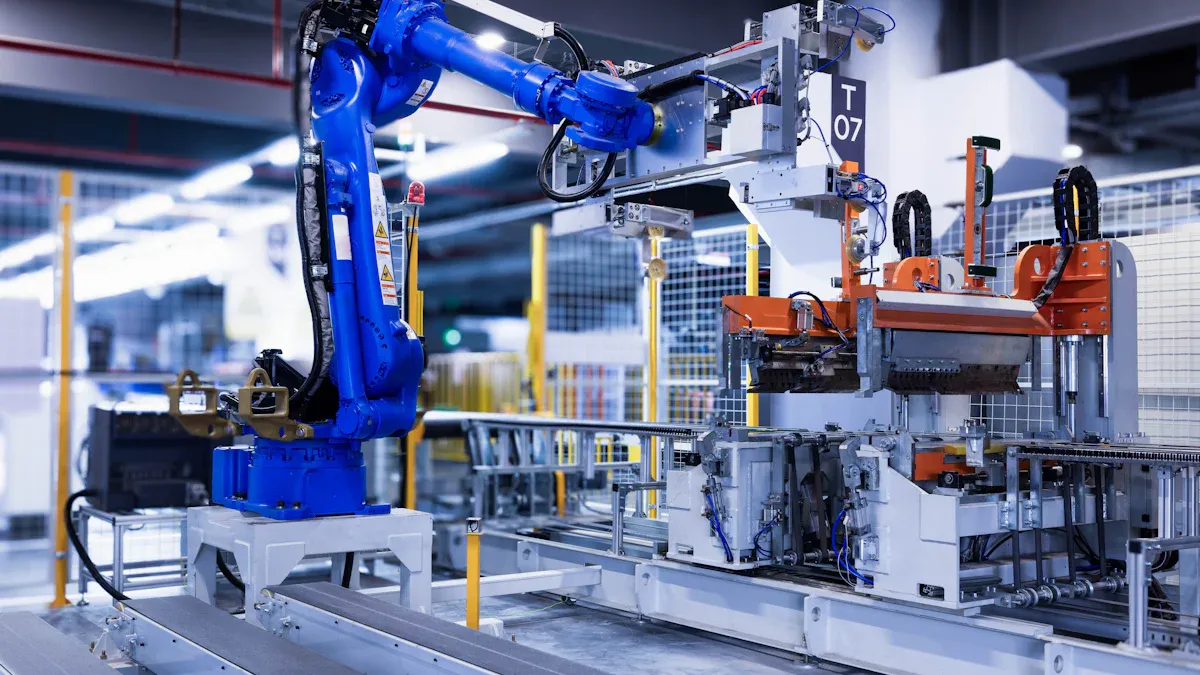
El servicio de mecanizado de precisión ayuda a las empresas a fabricar nuevos productos con rapidez. KEMING utiliza máquinas CNC avanzadas para construir prototipos en pocos días. Este rápido proceso permite a los ingenieros probar ideas y cambiar diseños antes de fabricar grandes cantidades de piezas. La creación rápida de prototipos con el servicio de mecanizado de precisión ahorra tiempo y dinero. También reduce los residuos y ayuda a los equipos a detectar los problemas con antelación.
KEMING puede fabricar muchas piezas a la vez con el servicio de Mecanizado de Precisión. Sus máquinas trabajan con metales y plásticos. La empresa puede fabricar miles de piezas con el mismo aspecto. Cada pieza cumple unas estrictas normas de tamaño y calidad. Los equipos utilizan estas piezas para probar, construir y vender productos.
Los presupuestos en línea agilizan aún más el servicio de mecanizado de precisión. Los clientes obtienen presupuestos rápidamente. Los sistemas de presupuesto automatizados utilizan datos en tiempo real de las máquinas. Esto ayuda a KEMING a satisfacer las necesidades de los clientes y entregar los pedidos a tiempo.
Consejo: La creación rápida de prototipos con el servicio de mecanizado de precisión permite a los equipos probar la forma, el ajuste y el uso antes de fabricar muchas piezas. Esto reduce el riesgo y mejora los productos.
Ventaja | Descripción |
|---|---|
Velocidad de producción | Prototipos en días, no en semanas |
Eficiencia de costes | Menos residuos y menos costes |
Alta precisión | Tolerancias estrechas para pruebas fiables |
Iteración del diseño | Facilidad para cambiar y mejorar los diseños |
Versatilidad de materiales | Trabaja con metales, plásticos y materiales compuestos |
Pruebas funcionales | Comprobación del ajuste y el funcionamiento de las piezas |
Colaboración reforzada | Los equipos comparten y debaten los prototipos físicos |
Validación del mercado | Productos probados con usuarios antes del lanzamiento |
Desarrollo de herramientas | Los prototipos ayudan a crear herramientas para la producción |
Reducción de riesgos | La detección precoz de problemas reduce los riesgos de lanzamiento |
Casos de uso en la industria
El servicio de mecanizado de precisión ayuda a muchas industrias. KEMING trabaja con empresas automovilísticas, aeronáuticas, médicas y electrónicas. Cada industria necesita piezas con características especiales y tolerancias ajustadas.
Industria | Aplicaciones |
|---|---|
Aeroespacial y defensa | Piezas de motor, aviónica, tren de aterrizaje y elementos estructurales |
Productos sanitarios e implantes | Instrumentos quirúrgicos, implantes, dispositivos de diagnóstico, materiales biocompatibles |
Automoción | Bloques de motor, cajas de cambio, componentes de transmisión, sistemas de suspensión |
Electrónica | Placas de circuitos, conectores, carcasas, disipadores térmicos |
Marina y agricultura | Bombas, ejes, componentes del motor |
Energías renovables | Piezas de paneles solares y aerogeneradores |
El servicio de mecanizado de precisión sigue estrictas normas de seguridad y calidad. Las empresas aeroespaciales necesitan piezas con tolerancias tan pequeñas como 0,00004 pulgadas. Los fabricantes de dispositivos médicos utilizan el servicio de Mecanizado de Precisión para herramientas e implantes aprobados por la FDA. Las empresas automovilísticas necesitan piezas resistentes y fiables para motores y cajas de cambios. Los fabricantes de electrónica necesitan piezas minúsculas y detalladas para placas de circuitos y conectores.
KEMING utiliza el servicio de Mecanizado de Precisión para ofrecer a cada industria piezas de alta calidad. Sus máquinas realizan acabados superficiales tan suaves como Ra 0,1μm. Los equipos comprueban cada pieza para asegurarse de que satisface las necesidades del cliente.
Año | Tamaño del mercado (miles de millones de USD) | CAGR (%) |
|---|---|---|
2023 | 106.6 | N/A |
2025 | 121.8 | N/A |
2032 | 216.8 | 8.23 |
2035 | 258.1 | 7.8 |
El servicio de mecanizado de precisión sigue creciendo a medida que más industrias necesitan piezas exactas y fiables. KEMING ayuda a las empresas a mantenerse a la vanguardia con soluciones rápidas, precisas y flexibles.
Las máquinas de precisión utilizan nuevas tecnologías para cortar materiales con gran exactitud. Fabrican piezas que se ajustan a las necesidades exactas y pueden tener formas complejas. Estas máquinas ayudan a las fábricas a fabricar mejores productos y a trabajar más rápido.
Los servicios de mecanizado de precisión de KEMING ayudan a muchas industrias a mejorar y probar cosas nuevas. Se centran en fabricar piezas con tolerancias estrechas y acabados suaves. Esto ayuda a las empresas a obtener mejores resultados.
El mecanizado de precisión contribuye al crecimiento de los sectores aeroespacial, automovilístico, médico y electrónico. Permite a las empresas fabricar cosas rápidamente y con menos errores.
En el futuro, cada vez más fábricas utilizarán automatización, robots y gemelos digitales. Nuevos materiales y máquinas más rápidas cambiarán la forma de fabricar las cosas. La necesidad de mecanizado de precisión aumenta a medida que las empresas quieren mayor calidad y mejores resultados.
PREGUNTAS FRECUENTES
¿Qué es una máquina de precisión?
Una máquina de precisión fabrica piezas de tamaño exacto. Utiliza herramientas avanzadas y controles informáticos. Estas máquinas ayudan a las fábricas a fabricar productos resistentes. También ayudan a fabricar productos fiables.
¿Cómo garantiza KEMING la alta calidad?
KEMING comprueba cada paso con sumo cuidado. Los trabajadores utilizan herramientas especiales para medir las piezas. Las máquinas vigilan y registran los datos durante la producción. Esto ayuda a KEMING a producir piezas que cumplen normas estrictas.
¿Qué industrias utilizan el mecanizado de precisión?
Muchas industrias utilizan el mecanizado de precisión. Algunos ejemplos son:
Aeroespacial
Automoción
Productos sanitarios
Electrónica
Estos campos necesitan piezas con tolerancias estrechas. También necesitan acabados lisos.
¿Con qué materiales puede trabajar KEMING?
KEMING trabaja con muchos materiales. Los principales son:
Material | Ejemplos de uso |
|---|---|
Aleaciones de aluminio | Piezas de automóviles |
Acero inoxidable | Instrumentos médicos |
Aleaciones de acero | Piezas de máquinas |
Aleaciones de cobre | Electrónica |