DE
DE  EN
EN  ES
ES  FR
FR  PT
PT  RU
RU 
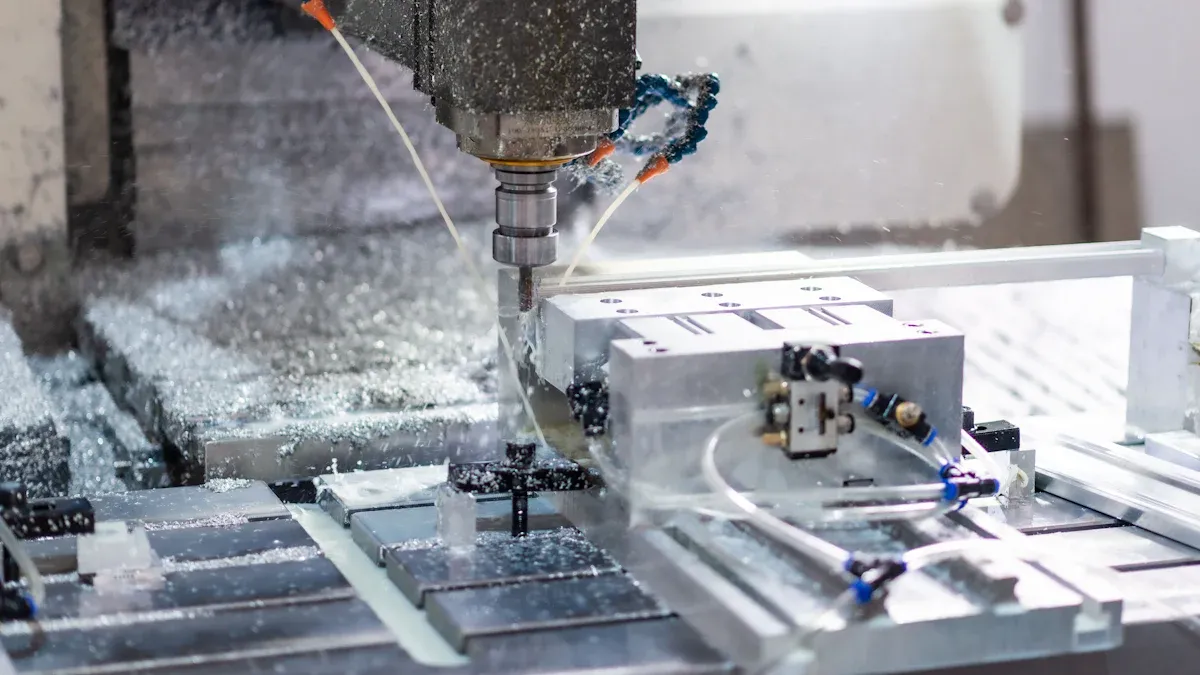
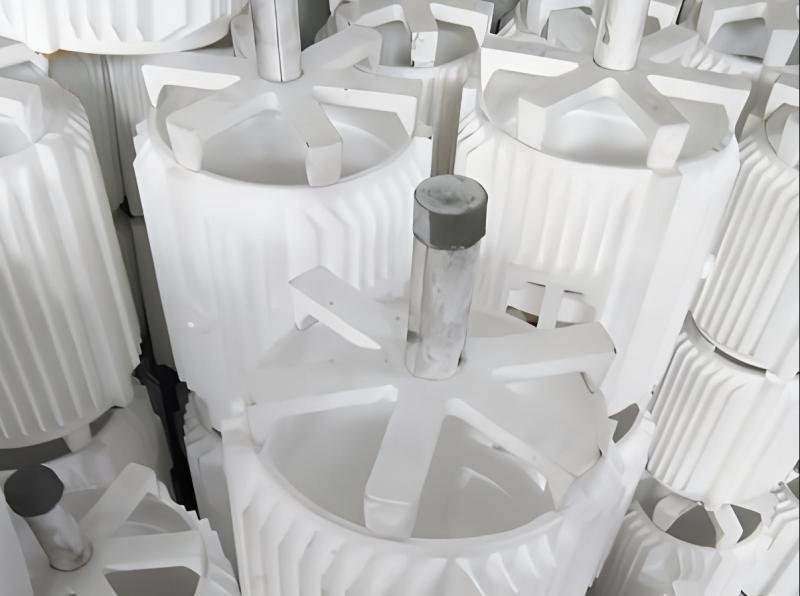
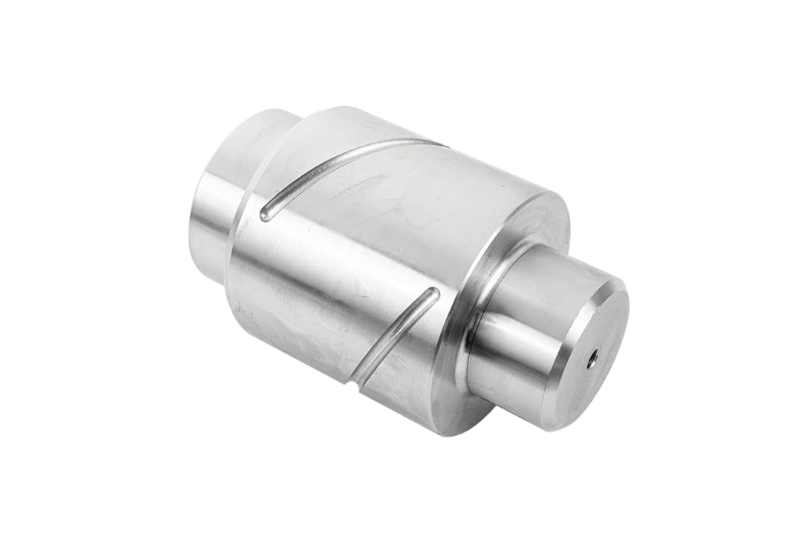
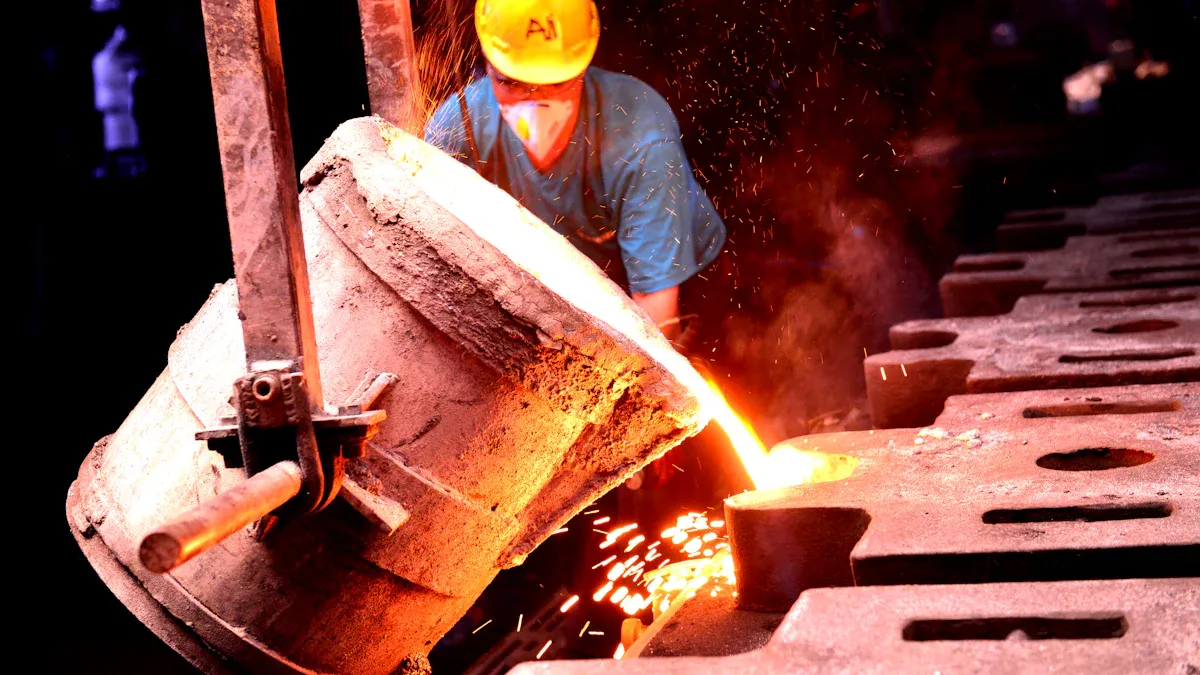
Eine Präzisionsmaschine verwendet computergesteuerte Werkzeuge zur Herstellung von Teilen. Diese Teile haben genaue Größen und besondere Formen. Diese Maschinen verwenden neue Technologien wie CNC-Bearbeitung und EDM-Maschinen. KEMING verwendet Feinmechanische Bearbeitung Dienstleistung in vielen Branchen. Einige Beispiele sind Gussteile und Teile für die Schifffahrt und Gussteile und Teile für die Automobilindustrie. Genauigkeit und Wiederholbarkeit sorgen dafür, dass jedes Teil richtig gefertigt wird. So entstehen starke Teile für Arbeiten, die hohe Leistung erfordern.
Technologie | Beschreibung |
|---|---|
CNC-Bearbeitung | Herstellung von Teilen mit sehr genauen Abmessungen |
EDM-Maschinen | Stellt detaillierte und genaue Teile her |
Wichtigste Erkenntnisse
Präzisionsmaschinen nutzen neue Technologien, um Teile mit exakten Größen und Formen herzustellen. Das hilft vielen Branchen, besser zu arbeiten.
CNC-Bearbeitungs- und Erodiermaschinen sind wichtige Werkzeuge. Sie helfen dabei, Dinge im Detail zu fertigen und können die gleiche Arbeit viele Male erledigen.
Das Hybridverfahren von KEMING ist eine Mischung aus Metallguss und CNC-Bearbeitung. Das spart viel Zeit beim Einrichten und Herstellen der Produkte.
Die Präzisionsbearbeitung ist sehr genau und kann immer wieder das Gleiche tun. Das macht die Produkte sicherer und besser, und sie folgen strengen Regeln.
Präzisionsbearbeitung hilft, neue Modelle schnell herzustellen. Das ermöglicht schnelle Designänderungen, spart Geld und trägt zur Herstellung besserer Produkte bei.
Wie es funktioniert
Wichtige Komponenten
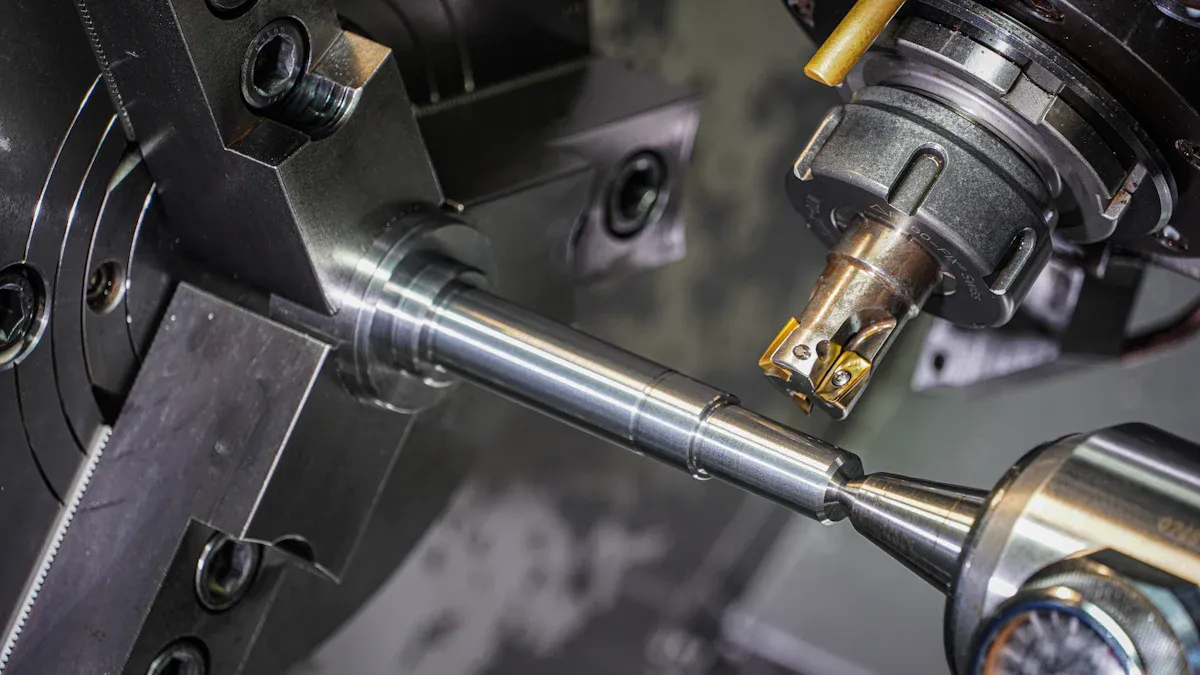
Präzisionsmaschinen haben viele fortschrittliche Teile. Jedes Teil trägt dazu bei, dass die Maschine gut funktioniert. Einige wichtige Teile in einer Präzisionsmaschine sind:
Linearmaßstabsysteme können sehr kleine Größen, sogar Mikrometer, ablesen.
Die Hochgeschwindigkeitsrotation der Werkzeuge kann Tausende von Umdrehungen pro Minute erreichen.
Der Mehrachsenbetrieb trägt dazu bei, Fehler beim Bewegen von Teilen zu vermeiden.
Automatische Werkzeugwechsler wechseln die Werkzeuge schnell und helfen, Fehler zu vermeiden.
Dämpfer kontrollieren das Rütteln und halten die Maschine ruhig.
Lineare Rollenführungen mit Nullspiel helfen bei der Genauigkeit.
Sensoren und Rückmeldesysteme prüfen auf Probleme und nehmen Änderungen vor.
All diese Teile arbeiten zusammen, um Genauigkeit und Präzision zu gewährleisten. Genauigkeit bedeutet, dass die Maschine Teile herstellt, die dem Entwurf entsprechen. Präzision bedeutet, dass sie dasselbe Teil viele Male mit geringen Änderungen herstellen kann. Wenn eine Maschine nicht genau ist, passen die Teile möglicherweise nicht oder funktionieren nicht richtig. Eine gute Präzision sorgt dafür, dass jedes Teil gleich ist. Dies ist wichtig für die Sicherheit und Qualität.
KEMING verwendet ein Hybridverfahren mit Metallguss und CNC-Bearbeitung. Zunächst wird durch Metallfeinguss die Grundform hergestellt. Anschließend wird das Teil mit CNC-Maschinen exakt gefertigt. Diese Methode verkürzt die Rüstzeit um bis zu 75%. Auch die Produktion wird beschleunigt, von Wochen auf Tage. Automatisierte Übergänge zwischen den einzelnen Schritten verringern Fehler und Mängel. Die Echtzeitüberwachung kontrolliert die Qualität bei jedem Schritt. Das System kann 16 bis 24 Stunden lang ohne Unterbrechung laufen. Automatisierte Arbeitsabläufe machen dies möglich. Jeder Schritt wird nachverfolgt, so dass Sie sehen können, was von Anfang bis Ende passiert ist.
Nutzen Sie | Beschreibung |
|---|---|
Reduzierung der Rüstzeit | Reduzierung der Umrüstzeit um 60-75% im Vergleich zu separaten Maschinen |
Komprimierung der Vorlaufzeit | Verkürzung der Produktionszyklen von Wochen auf Tage |
Reduzierte Handhabung | Automatisierte Transfers beseitigen 40-60% Qualitätsmängel |
Überwachung in Echtzeit | Erfassung von Prozessdaten in jeder Phase zur Qualitätssicherung |
Lights-Out-Betrieb | 16-24 Stunden unbeaufsichtigte Produktion mit automatisiertem Arbeitsablauf |
Vollständige Rückverfolgbarkeit | Digitales Gewinde archiviert alle Prozessparameter und Prüfdaten |
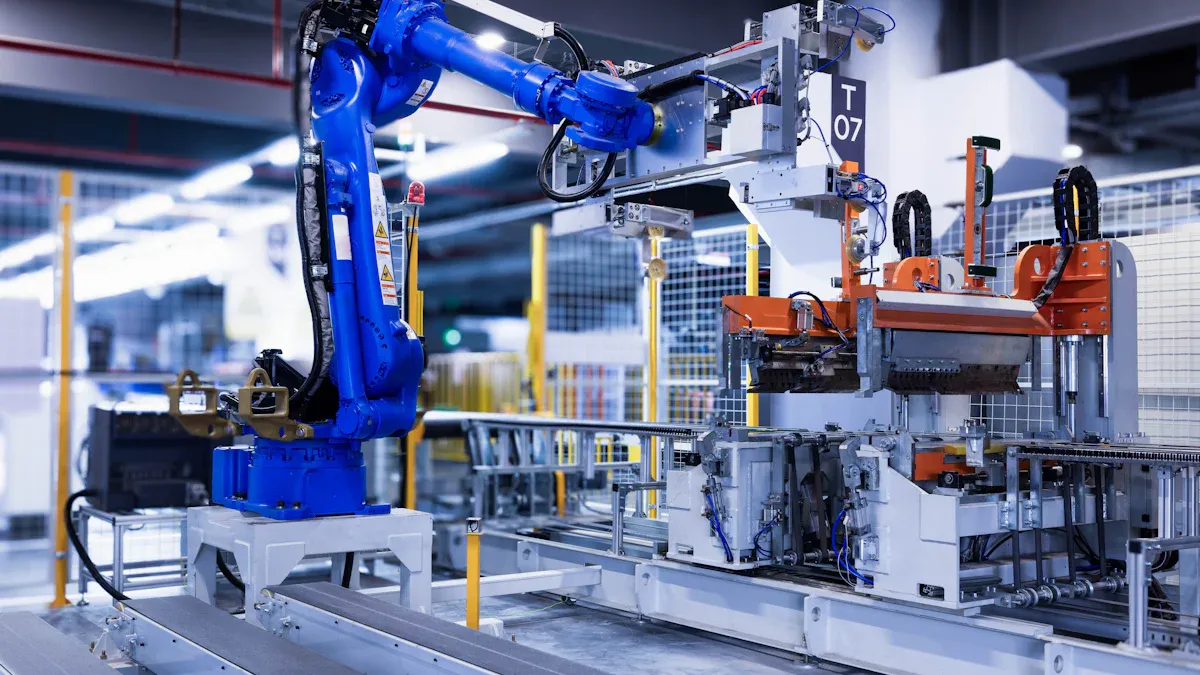
KEMING verwendet auch Spezialmaschinen wie Schleifmaschinen, Laserschneider und Schweißroboter. Diese Werkzeuge helfen, sehr glatte und genaue Teile zu erhalten. Laserschweißroboter machen Schweißnähte besser und schneller. Sie können in Auto- und Flugzeugfabriken sorgfältige Arbeit leisten. Roboter tragen dazu bei, dass weniger Fehler auftreten und die Maschinen länger ohne Unterbrechung arbeiten können. Intelligente Überwachungssysteme ändern die Einstellungen nach Bedarf. So wird sichergestellt, dass jedes Teil den hohen Anforderungen entspricht.
CNC-Technik
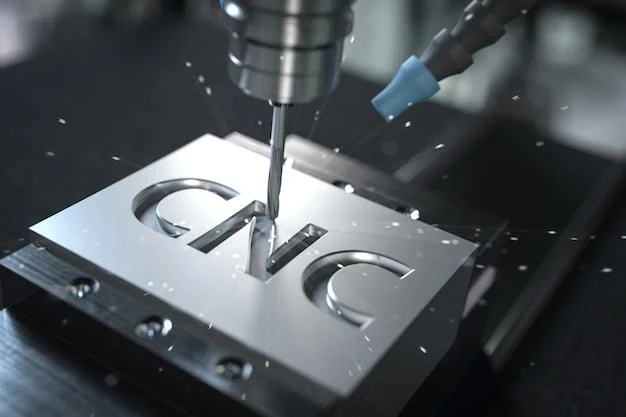
CNC bedeutet Computer Numerical Control. Computer steuern Maschinen zum Schneiden und Formen von Metallteilen. Dank der CNC-Technologie können die Maschinen jedes Mal exakt die gleichen Schritte ausführen. Der Prozess beginnt damit, dass eine Software einen digitalen Entwurf in G-Code umwandelt. Der G-Code gibt der Maschine vor, wie sie sich bewegen und was sie tun soll.
Es gibt verschiedene CNC-Maschinen, wie Dreh- und Fräsmaschinen. Jede von ihnen erfüllt eine spezielle Aufgabe. CNC-Drehmaschinen drehen das Teil, während ein Werkzeug es schneidet. So entstehen runde Formen. CNC-Fräsmaschinen verwenden drehende Werkzeuge, um komplexe Formen zu schneiden. CNC-Maschinen mit mehreren Achsen können sich auf viele Arten bewegen. Das hilft ihnen bei der Herstellung detaillierter Teile.
Die CNC-Technologie hat viele Vorteile:
Maschinen können sehr detaillierte und genaue Teile herstellen.
Der Prozess wiederholt sich, so dass jeder Teil fast derselbe ist.
Mehrachsige Maschinen können Formen schneiden, die von Hand nur schwer herzustellen sind.
Die CNC-Bearbeitung ist wichtig für Teile, die in Flugzeugen oder medizinischen Geräten verwendet werden.
Die CNC-Maschinen von KEMING arbeiten mit anderen fortschrittlichen Werkzeugen zusammen, um hervorragende Ergebnisse zu erzielen. Der Einsatz von CNC-Technologie, Schleif-, Laserschneid- und Schweißrobotern hilft KEMING, strenge Vorschriften einzuhalten. So können sie starke und zuverlässige Teile für viele Anwendungen herstellen.
Merkmale und Vorteile
Genauigkeit und Toleranz
Präzisionsmaschinen sind etwas Besonderes, weil sie sehr genaue Teile herstellen. Die Toleranz gibt an, um wie viel sich die Größe eines Teils ändern kann und es trotzdem funktioniert. Die Maschinen von KEMING können Teile mit Toleranzen von nur ±0,001 Zoll herstellen. Das bedeutet, dass jedes Teil genau passt und gut funktioniert.
Art der Bearbeitung | Typische Toleranz (Zoll) | Typische Toleranz (mm) |
|---|---|---|
CNC-Bearbeitung | ±0.005 | ±0.127 |
Feinmechanische Bearbeitung | ±0,001 oder besser | ±0,0254 oder besser |
KEMING setzt großartige Maschinen und qualifizierte Mitarbeiter ein, um diese Ergebnisse zu erzielen. Gute Werkzeuge helfen, Fehler zu vermeiden. Geschulte Mitarbeiter und festgelegte Schritte sorgen dafür, dass die Dinge gleich bleiben. Diese Dinge sorgen dafür, dass Teile ausgetauscht werden können, Sicherheitsvorschriften eingehalten werden und die Kunden zufrieden sind.
Einige wichtige Merkmale von Präzisionsmaschinen sind:
Teile können mit anderen ausgetauscht werden
Qualität wird mit Daten überprüft
Weniger Abfall und weniger Fehler
Teile funktionieren jedes Mal gut
Befolgen Sie die Regeln der Branche
Reproduzierbarkeit
Wiederholbarkeit bedeutet, dass eine Maschine immer wieder das gleiche Teil herstellen kann. Die Maschinen von KEMING sind in dieser Hinsicht sehr gut. Sie verwenden intelligente Steuerungen und Feedback, um jeden Schritt zu überprüfen. So wird sichergestellt, dass jedes Teil genau wie das Design ist, auch wenn viele Teile hergestellt werden.
Ingenieure prüfen die Wiederholbarkeit, indem sie sehen, ob die Maschine an dieselbe Stelle zurückfährt. Dazu verwenden sie spezielle Werkzeuge wie Laserinterferometer. Wenn die Maschine immer an dieselbe Stelle zurückkehrt, ist die Wiederholbarkeit gut.
Wiederholbarkeit trägt dazu bei, dass Produkte sicher und von hoher Qualität sind. Sie verhindert Fehler und sorgt dafür, dass die Dinge gleich bleiben. Hersteller von Medizinprodukten müssen strenge Regeln befolgen. Ihre Maschinen müssen Tests zur Wiederholbarkeit und Reproduzierbarkeit bestehen. KEMING prüft diese Dinge bei jedem Schritt.
Aspekt | Beschreibung |
|---|---|
Messung der Variation | Jeder Prozess ändert sich ein wenig. Dies zu wissen, hilft, die Qualität hoch zu halten. |
Reproduzierbarkeit | Zeigt, ob eine Maschine das gleiche Teil mehrmals herstellen kann. |
Reproduzierbarkeit | Überprüft, ob verschiedene Personen die gleichen Ergebnisse erhalten. |
SPC-System | Verwendet genaue Daten, um den Prozess zu kontrollieren und Änderungen gering zu halten. |
Oberfläche
Die Oberflächengüte gibt an, wie glatt oder rau sich ein Teil anfühlt und aussieht. Eine glatte Oberfläche sorgt für eine längere Lebensdauer der Teile und verringert die Reibung. KEMING setzt Schleifmaschinen, Laserschneider und sorgfältige Kontrollen ein, um hervorragende Oberflächengüten zu erzielen.
Oberflächenbehandlung Typ | Auswirkungen auf die Leistung |
|---|---|
Glatte Oberfläche | Weniger Reibung, weniger Fehlstellen, bessere Rostbeständigkeit |
Grobes Finish | Leichteres Hinzufügen von Beschichtungen, kann aber mehr Reibung und Verschleiß verursachen |
KEMING prüft die Oberflächengüte auf vielfältige Weise:
Genaues Hinsehen mit Lupen
Messen mit Spezialwerkzeugen
Einsatz von Koordinatenmessgeräten (KMG)
Verwendung von Oberflächenrauhigkeitsprüfgeräten
Diese Kontrollen stellen sicher, dass jedes Teil von hoher Qualität ist. Auch die Werkzeug- und Maschineneinstellungen beeinflussen das Finish. Das Team von KEMING ändert diese, um die beste Oberfläche für jedes Material, wie Aluminium, Stahl oder Kupferlegierungen, zu erhalten.
Die Oberflächenbeschaffenheit ist in vielen Bereichen wichtig, z. B. bei Flugzeugen, Elektronik und medizinischen Geräten. Eine gute Oberfläche trägt dazu bei, dass die Teile besser funktionieren und länger halten. Der Fokus von KEMING auf die Oberflächenqualität gibt den Kunden starke und zuverlässige Teile.
Anwendungen der Präzisionsbearbeitungsdienste
Prototyping & Produktion
Der Präzisionsbearbeitungsdienst hilft Unternehmen bei der schnellen Herstellung neuer Produkte. KEMING setzt fortschrittliche CNC-Maschinen ein, um Prototypen innerhalb weniger Tage herzustellen. Dieser schnelle Prozess ermöglicht es Ingenieuren, Ideen auszuprobieren und Entwürfe zu ändern, bevor viele Teile hergestellt werden. Rapid Prototyping mit dem Precision Machining Service spart Zeit und Geld. Es reduziert auch den Ausschuss und hilft den Teams, Probleme frühzeitig zu erkennen.
KEMING kann mit seinem Präzisionsbearbeitungs-Service viele Teile auf einmal herstellen. Ihre Maschinen arbeiten mit Metallen und Kunststoffen. Das Unternehmen kann Tausende von Teilen herstellen, die alle gleich aussehen. Jedes Teil erfüllt strenge Vorschriften für Größe und Qualität. Die Teams verwenden diese Teile zum Testen, Bauen und Verkaufen von Produkten.
Online-Angebote machen den Präzisionsbearbeitungs-Service noch schneller. Kunden erhalten schnell Preisangebote. Automatisierte Angebotssysteme verwenden Echtzeitdaten von Maschinen. Dies hilft KEMING, Kundenwünsche zu erfüllen und Aufträge pünktlich zu liefern.
Tipp: Beim Rapid Prototyping mit Präzisionsbearbeitung können Teams Form, Passform und Verwendung testen, bevor sie viele Teile herstellen. Das senkt das Risiko und macht die Produkte besser.
Vorteil | Beschreibung |
|---|---|
Geschwindigkeit der Produktion | Prototypen in Tagen, nicht Wochen hergestellt |
Kosteneffizienz | Weniger Abfall und geringere Kosten |
Hohe Präzision | Enge Toleranzen für zuverlässige Prüfungen |
Entwurf Iteration | Einfache Änderung und Verbesserung von Designs |
Material Vielseitigkeit | Arbeitet mit Metallen, Kunststoffen und Verbundwerkstoffen |
Funktionelle Prüfung | Teile auf Passform und Funktion geprüft |
Verbesserte Zusammenarbeit | Teams teilen und diskutieren physische Prototypen |
Markt-Validierung | Produkte vor der Markteinführung mit Nutzern getestet |
Entwicklung von Tools | Prototypen helfen bei der Entwicklung von Werkzeugen für die Produktion |
Risikominderung | Frühzeitige Problemerkennung senkt Startrisiken |
Anwendungsfälle für die Industrie
Der Präzisionsbearbeitungsdienst hilft vielen Branchen. KEMING arbeitet mit Automobil-, Flugzeug-, Medizin- und Elektronikunternehmen zusammen. Jede Branche benötigt Teile mit besonderen Merkmalen und engen Toleranzen.
Industrie | Anwendungen |
|---|---|
Luft- und Raumfahrt und Verteidigung | Triebwerksteile, Avionik, Fahrwerk und Strukturelemente |
Medizinische Geräte und Implantate | Chirurgische Instrumente, Implantate, Diagnosegeräte, biokompatible Materialien |
Automobilindustrie | Motorblöcke, Getriebe, Getriebekomponenten, Aufhängungssysteme |
Elektronik | Leiterplatten, Steckverbinder, Gehäuse, Kühlkörper |
Marine und Landwirtschaft | Pumpen, Wellen, Motorkomponenten |
Erneuerbare Energie | Teile für Solarmodule und Windkraftanlagen |
Die Präzisionsbearbeitung erfolgt nach strengen Sicherheits- und Qualitätsvorschriften. Luft- und Raumfahrtunternehmen benötigen Teile mit Toleranzen von nur 0,00004 Zoll. Hersteller medizinischer Geräte nutzen die Präzisionsbearbeitung für FDA-zugelassene Werkzeuge und Implantate. Automobilhersteller benötigen starke, zuverlässige Teile für Motoren und Getriebe. Elektronikhersteller benötigen winzige, detaillierte Teile für Leiterplatten und Steckverbinder.
KEMING nutzt den Service der Präzisionsbearbeitung, um jedem Industriezweig hochwertige Teile zu liefern. Ihre Maschinen erzielen Oberflächengüten von bis zu Ra 0,1μm. Die Teams prüfen jedes Teil, um sicherzustellen, dass es den Kundenanforderungen entspricht.
Jahr | Marktgröße (in Mrd. USD) | CAGR (%) |
|---|---|---|
2023 | 106.6 | K.A. |
2025 | 121.8 | K.A. |
2032 | 216.8 | 8.23 |
2035 | 258.1 | 7.8 |
Der Bereich der Präzisionsbearbeitung wächst ständig, da immer mehr Branchen exakte und zuverlässige Teile benötigen. KEMING hilft Unternehmen, mit schnellen, präzisen und flexiblen Lösungen die Nase vorn zu haben.
Präzisionsmaschinen nutzen neue Technologien, um Materialien sehr genau zu schneiden. Sie stellen Teile her, die genau passen und komplexe Formen haben können. Diese Maschinen helfen Fabriken, bessere Produkte herzustellen und schneller zu arbeiten.
Die Präzisionsbearbeitungsdienste von KEMING helfen vielen Industriezweigen, besser zu werden und neue Dinge auszuprobieren. Sie konzentrieren sich auf die Herstellung von Teilen mit engen Toleranzen und glatten Oberflächen. Dies hilft Unternehmen, bessere Ergebnisse zu erzielen.
Die Präzisionsbearbeitung trägt zum Wachstum der Luft- und Raumfahrt, der Automobilindustrie, der Medizintechnik und der Elektronikbranche bei. Sie ermöglicht es Unternehmen, Dinge schnell und mit weniger Fehlern herzustellen.
In Zukunft werden mehr Fabriken Automatisierung, Roboter und digitale Zwillinge einsetzen. Neue Materialien und schnellere Maschinen werden die Art und Weise, wie Dinge hergestellt werden, verändern. Der Bedarf an Präzisionsbearbeitung steigt, da die Unternehmen höhere Qualität und bessere Ergebnisse wünschen.
FAQ
Was ist eine Präzisionsmaschine?
Eine Präzisionsmaschine stellt Teile mit exakten Maßen her. Sie verwendet fortschrittliche Werkzeuge und Computersteuerungen. Diese Maschinen helfen Fabriken bei der Herstellung stabiler Produkte. Sie tragen auch zur Herstellung zuverlässiger Produkte bei.
Wie stellt KEMING die hohe Qualität sicher?
KEMING kontrolliert jeden Schritt sehr sorgfältig. Die Arbeiter verwenden spezielle Werkzeuge, um die Teile zu messen. Maschinen überwachen und speichern die Daten während der Produktion. Dies hilft KEMING, Teile zu produzieren, die hohen Standards entsprechen.
In welchen Branchen wird Präzisionsbearbeitung eingesetzt?
Viele Branchen nutzen die Präzisionsbearbeitung. Einige Beispiele sind:
Luft- und Raumfahrt
Automobilindustrie
Medizinische Geräte
Elektronik
In diesen Bereichen werden Teile mit engen Toleranzen benötigt. Außerdem brauchen sie glatte Oberflächen.
Mit welchen Materialien kann KEMING arbeiten?
KEMING arbeitet mit vielen Materialien. Die wichtigsten davon sind:
Material | Beispiel Verwendungszwecke |
|---|---|
Aluminium-Legierungen | Autoteile |
Rostfreier Stahl | Medizinische Instrumente |
Stahl-Legierungen | Maschinenteile |
Kupferlegierungen | Elektronik |