ES
ES  EN
EN  DE
DE  FR
FR 
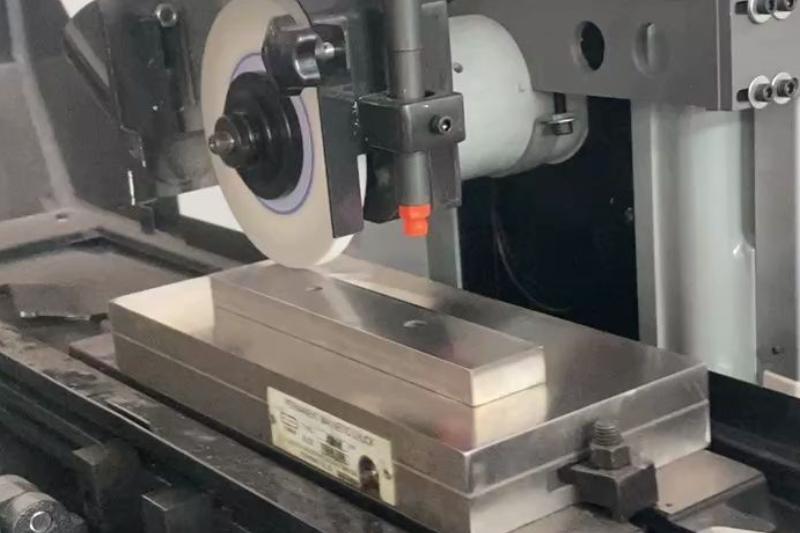
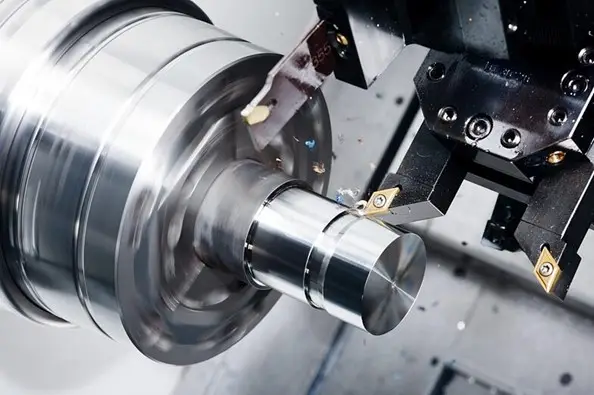
Máquinas herramienta CNC de precisión como las de Kern Microtechnik pueden mecanizar piezas con tolerancias tan pequeñas como ±5 μm y rugosidad superficial Ra no superior a 0,8 μm. Estas máquinas utilizan un potente hardware y un software de control de última generación. Mayor Mecanizado CNC La precisión es crucial para industrias como la aeroespacial, la médica y la del automóvil. Estos campos tienen requisitos de precisión extremadamente altos para garantizar la seguridad y la fiabilidad. KEMING emplea avanzados sistemas de Torneado CNC y fresado para garantizar una calidad superior en cada pieza. No todos los mecanizados requieren una precisión ultraelevada; las empresas deben elegir la máquina herramienta adecuada en función de las necesidades del proyecto.
- El mecanizado CNC da:
- Tolerancias de tan sólo ±0,005 pulgadas
- Precisión extremadamente alta gracias a la retroalimentación de bucle cerrado
- Excelente acabado superficial
Principales conclusiones
- La precisión del mecanizado CNC es fundamental para determinadas industrias. Especialmente en los campos aeroespacial y médico, donde la seguridad y la fiabilidad son extremadamente importantes.
- Las máquinas herramienta CNC requieren una calibración y un mantenimiento periódicos para mantener su precisión y prolongar su vida útil, al tiempo que se reducen los errores de producción.
- La elección de la máquina herramienta CNC adecuada depende de los requisitos específicos del proyecto, el presupuesto y los materiales utilizados.
- Las máquinas herramienta CNC de alta precisión pueden mejorar la velocidad y la calidad del mecanizado, mejorando así la calidad del producto y suponiendo un mayor retorno de la inversión.
- La formación y el apoyo a los operarios son cruciales para ayudarles a utilizar mejor la tecnología CNC avanzada.
Máquinas de medición CNC Precisión
Precisión frente a repetibilidad
Tanto la precisión como la exactitud son fundamentales en el mecanizado CNC. La exactitud se refiere a lo cerca que está un valor medido del valor real. La repetibilidad se refiere a si el resultado de la medición es consistente cada vez. La precisión se refiere a si el valor medido permanece invariable cuando se realizan mediciones repetidas. La tabla siguiente ofrece algunos ejemplos que le ayudarán a comprender estos conceptos:
| Concepto | Definición | Ejemplo |
|---|---|---|
| Precisión | Cuánto se aproxima un valor medido al valor objetivo real. | Una pieza que siempre mide 10,00 mm es exacta. |
| Repetibilidad | Capacidad de obtener el mismo valor de medición en condiciones idénticas. | Una pieza que siempre mide 9,90 mm tiene una gran precisión pero poca exactitud. |
| Precisión | El grado de coherencia de los resultados de las mediciones repetidas. | Las piezas con valores medidos de 10,05 mm, 9,95 mm y 10,10 mm son inexactas. |
| Ni | No es exacto ni preciso. | Las piezas con valores medidos de 9,80 mm, 10,20 mm y 9,90 mm se desvían significativamente de los valores objetivo y son incoherentes. |
Normas y tolerancias del sector
Las normas del sector ayudan a establecer reglas para la exactitud y precisión de las máquinas herramienta CNC. Estas normas se centran en la suavidad del movimiento de la máquina herramienta y la estabilidad de las operaciones repetitivas. Especifican los errores máximos permitidos para garantizar que las piezas se mecanizan correctamente cada vez. La siguiente tabla enumera algunos grados de tolerancia de uso común:
| Nivel de tolerancia | Medición | Área de aplicación |
|---|---|---|
| ±0,001 pulgadas | ±0,0254 mm | Mecanizado CNC general |
| ±0,0001 pulgadas | ±0,0025 mm | Aplicaciones críticas |
| ±0,0005 pulgadas | / | Mecanizado CNC moderno |
| 1-5 micras | / | Técnicas especializadas |
| 1-3 micras | / | Componentes de productos sanitarios |
- Las normas de mecanizado CNC ayudan a garantizar la precisión de los movimientos de la máquina herramienta.
- Especifican los errores máximos permitidos en el movimiento de la herramienta y las dimensiones de la pieza.
- El mecanizado de alta precisión suele controlar tolerancias de ±0,001 pulgadas.
Por qué es importante la precisión
La precisión del mecanizado CNC determina la calidad y fiabilidad de los productos. Una mayor precisión significa un mejor rendimiento y una mayor fiabilidad. Los controles de calidad ayudan a garantizar la precisión durante todo el proceso de mecanizado. Las nuevas máquinas herramienta CNC pueden detectar problemas y solucionarlos rápidamente. Esto ayuda a mantener la coherencia en los resultados del mecanizado y a evitar retrasos.
- El mecanizado CNC requiere piezas, herramientas, configuración y mantenimiento adecuados para garantizar la precisión.
- Mejorar la eficacia del mecanizado puede ahorrar tiempo, reducir costes, disminuir el uso de material y facilitar la producción de más piezas.
- La inspección de calidad garantiza que cada pieza cumpla normas estrictas.
- La tecnología CNC ayuda a fabricar piezas con tolerancias pequeñas y resultados repetibles.
Máquinas CNC de máxima precisión
Marcas y modelos líderes
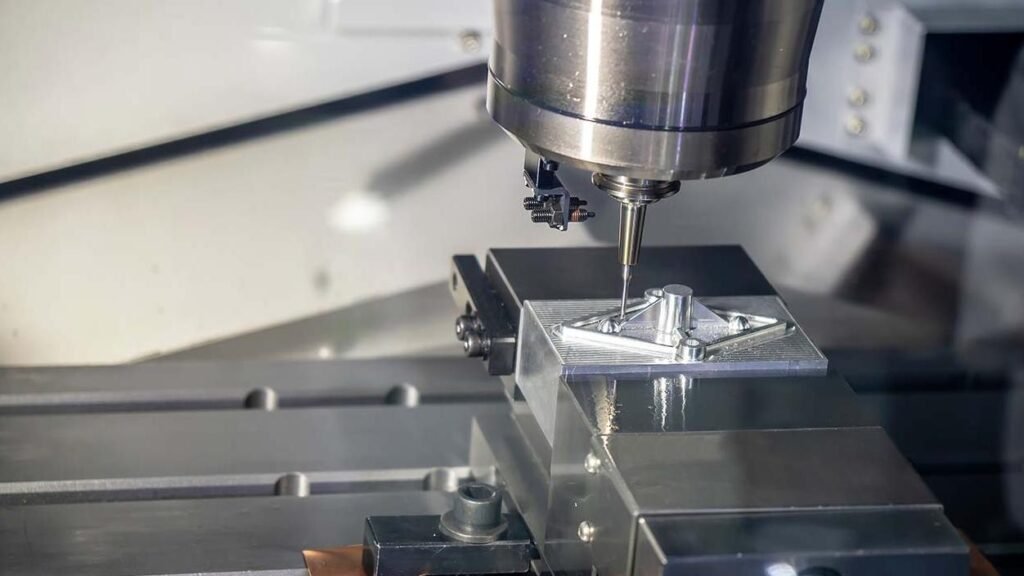
Muchas empresas fabrican máquinas herramienta CNC de precisión para fábricas. Estas máquinas se utilizan para fabricar piezas para las industrias aeroespacial, médica y del automóvil. Algunas marcas son famosas por su tecnología y fiabilidad superiores.
- Kern Microtechnik fabrica máquinas herramienta con tolerancias extremadamente pequeñas, diseñadas específicamente para el mecanizado de piezas en miniatura.
- DMG MORI fabrica máquinas herramienta conocidas por su automatización y alta precisión, utilizadas por numerosas empresas aeroespaciales y médicas.
- MAZAK utiliza inteligencia artificial para supervisar el funcionamiento de las máquinas herramienta, mejorando la precisión del mecanizado; sus máquinas herramienta son adecuadas para los sectores aeroespacial y de defensa.
- Las máquinas-herramienta Okuma disponen de compensación térmica, lo que garantiza la estabilidad y la precisión durante un funcionamiento prolongado.
- Makino utiliza láseres de fibra para el corte, lo que facilita el mecanizado de piezas complejas.
- La Haas EC-400 es conocida por su excelente calidad y su precio razonable.
- La máquina-herramienta DATRON MXCube es ideal para el fresado rápido y la obtención de superficies lisas.
Muchas personas aprecian la versatilidad de las máquinas herramienta. Los tornos CNC, las fresadoras CNC, las rectificadoras CNC y las taladradoras CNC son esenciales en las fábricas. Los operarios aprecian las funciones inteligentes y un cuerpo de máquina robusto. Un buen servicio postventa también es crucial para los clientes.
Especificaciones de precisión
Una máquina herramienta CNC de precisión debe cumplir estrictamente las normas de precisión y repetibilidad. La tabla siguiente muestra una comparación entre el modelo de gama alta y los modelos más antiguos:
| Métrica | DC1090A | CMV tradicionales |
|---|---|---|
| Repetibilidad Precisión | ±0,005 mm | ±0,01 mm |
| Velocidad máxima del cabezal | 12.000 RPM | Menos de 12.000 RPM |
| Potencia nominal | 15 kW | Inferior a 15 kW |
| Reducción del tiempo de mecanizado | Mejora 25% | N/A |
| Mejor acabado superficial | Mejora 30% | N/A |
| Mejora de la productividad | 40% | N/A |
Estos datos demuestran que una máquina herramienta CNC de precisión puede producir piezas más lisas con mayor rapidez. Las altas velocidades de los husillos y los potentes motores facilitan las operaciones de fresado y torneado. Las máquinas herramienta avanzadas incorporan compensación térmica y bastidores robustos. Estas características garantizan que las máquinas herramienta mantengan la precisión durante un funcionamiento prolongado.
Nota: Las máquinas herramienta Premium utilizan robustos bastidores de fundición o acero. Están equipadas con compensación térmica, guías lineales y un sistema de lubricación central. Estas características ayudan a mantener la precisión y prolongan la vida útil de la máquina herramienta.
Capacidades de precisión de KEMING
KEMING proporciona servicios personalizados de torneado CNC y fresado CNC a numerosas industrias. Sus máquinas herramienta son capaces de mecanizar formas complejas y mantener tolerancias muy ajustadas. La siguiente tabla muestra una comparación entre KEMING y otras marcas de primera línea:
| Característica | Servicios CNC de KEMING | Marcas líderes mundiales |
|---|---|---|
| Tolerancia | ±0,005 pulgadas (0,13 mm) | Varía según la marca |
| Automatización | Sí | Sí |
| Control de calidad | Inspecciones estrictas | Varía según la marca |
| Velocidad de producción | Más rápido que el manual | Varía según la marca |
| Consistencia de las piezas | Alta consistencia de los lotes | Varía según la marca |
KEMING utiliza avanzados tornos CNC y fresadoras CNC. Su equipo realiza inspecciones de calidad en cada pieza. Pueden procesar más de 50 tipos de metales y plásticos. Sus servicios incluyen procesos adicionales como el anodizado y el recubrimiento en polvo. KEMING también dispone de máquinas de corte por láser CNC y de corte por plasma CNC para realizar tareas de mecanizado especializadas.
Las máquinas de KEMING son capaces de producir piezas con superficies extremadamente lisas. Su meticulosa inspección y sus eficientes procesos de producción ayudan a los clientes a ahorrar tiempo y costes. Muchas industrias confían en el rendimiento superior de fabricación de KEMING. Su experiencia en torneado, fresado, rectificado y taladrado ha proporcionado un sólido apoyo a numerosos proyectos.
Factores que afectan a la precisión de las máquinas CNC
Calidad de construcción de la máquina
La calidad de fabricación de las máquinas herramienta CNC es primordial. Los componentes de alta calidad prolongan la vida útil de la máquina y mejoran su rendimiento. Un bastidor robusto de hierro fundido o acero ayuda a reducir las vibraciones. Una menor vibración se traduce en una mayor precisión de mecanizado. La programación CAD y CAM ayuda a optimizar las trayectorias de las herramientas y a reducir los cambios de herramientas. El software de simulación puede detectar errores antes de mecanizar las piezas, mejorando así la eficacia del mecanizado.
- El diseño y la fabricación de equipos CNC ayudan a cumplir estrictos requisitos de tolerancia.
- La correcta colocación de la pieza de trabajo evita que se mueva.
- La velocidad y el avance son fundamentales para obtener resultados precisos.
Calibración y mantenimiento
Las fresadoras CNC requieren una calibración y un mantenimiento regulares para mantener la precisión. Si la máquina no está calibrada, es posible que las piezas no cumplan los requisitos de tolerancia. La calibración corrige los errores que se desarrollan con el tiempo. La limpieza y la sustitución de herramientas durante el mantenimiento ayudan a reducir el desgaste, manteniendo así la precisión de las piezas. Un mantenimiento regular garantiza la precisión del mecanizado y prolonga la vida útil de la máquina.
Consejo: Mantener la máquina en buen estado ayuda a mantener su precisión y reduce la probabilidad de defectos.
- Las máquinas se desgastan y se desajustan con el tiempo.
- Un modelo CAD y una trayectoria de herramienta CAM bien diseñados ayudan a guiar las máquinas herramienta CNC.
Medio ambiente y materiales
La temperatura y la humedad afectan a las dimensiones del material durante el mecanizado CNC. Estas variaciones pueden provocar incoherencias dimensionales en las piezas. La dureza y elasticidad de los materiales afectan a los métodos de mecanizado y a la precisión. Los plásticos requieren procesos de mecanizado especiales porque las altas temperaturas pueden hacer que se doblen. Los materiales duros requieren herramientas o recubrimientos especiales para lograr un mecanizado de alta precisión. Los materiales quebradizos, como la cerámica, se rompen con facilidad y requieren una manipulación cuidadosa.
- Algunos materiales de alta resistencia requieren métodos avanzados como el rectificado o el mecanizado por láser.
- El estado y la calidad de las herramientas de corte influyen en la precisión del mecanizado.
Elegir la máquina CNC adecuada
Aplicación y necesidades del sector
Diferentes industrias requieren diferentes máquinas herramienta CNC. Las empresas aeroespaciales y médicas requieren un mecanizado de alta precisión. Incluso los errores más pequeños pueden provocar problemas graves. Los álabes de las turbinas de los aviones deben encajar perfectamente para garantizar la seguridad del personal. Los dispositivos médicos, como los marcapasos, requieren formas precisas y superficies lisas para funcionar correctamente dentro del cuerpo. Los fabricantes deben examinar cuidadosamente las piezas que necesitan. Deben considerar cuidadosamente los materiales y las tolerancias de cada proyecto. Algunas operaciones de mecanizado requieren husillos de alta resistencia para procesar metales duros. Otras operaciones requieren dispositivos de movimiento especializados para manipular formas complejas. La tabla siguiente enumera consideraciones importantes:
| Criterios | Descripción |
|---|---|
| Requisitos del proyecto | Compruebe piezas, materiales y tolerancias. El mecanizado de metal duro requiere husillos de alta resistencia y bastidores robustos. |
| Presupuesto | Tenga en cuenta los costes totales, incluidas las herramientas y el servicio. |
| Software | Asegúrese de que la máquina es compatible con su software. |
| Tamaño y espacio | Compruebe si la máquina se adapta a su taller y satisface sus necesidades. |
Coste frente a precisión
El precio de una máquina herramienta CNC está estrechamente relacionado con su precisión. Las máquinas con tolerancias más pequeñas son más caras y tardan más en mecanizar las piezas. Estas máquinas requieren mejores herramientas y operarios cualificados. En la tabla siguiente se comparan las máquinas herramienta convencionales y las de alta precisión:
| Factor | Tolerancia estándar (±0,1 mm) | Tolerancia ajustada (±0,01 mm) |
|---|---|---|
| Tiempo de mecanizado | Normal | 2x - 4x Más lento |
| Método de inspección | Calibres, micrómetros | MMC, escáneres láser |
| Tasa de rechazo típica | < 2% | 5% - 15%+ |
| Necesidades de utillaje | Estándar | Alto rendimiento / A medida |
| Habilidad del operador | Maquinista cualificado | Especialista superior |
Las empresas de los sectores aeroespacial, automovilístico y médico invierten más por adelantado. Lo hacen para conseguir una mayor calidad y un retorno de la inversión más rápido. Estas industrias suelen obtener beneficios en un plazo de dos a cinco años. Las máquinas herramienta de alta precisión les ayudan a fabricar mejores productos.
Idoneidad para el usuario
El manejo de las máquinas herramienta CNC más precisas requiere trabajadores cualificados. Los técnicos con experiencia son los más indicados para configurar y utilizar estas máquinas. Los nuevos usuarios pueden encontrar dificultades con la configuración o la resolución de problemas. La formación y la asistencia proporcionadas por el fabricante pueden ayudar a los usuarios a aprender más rápidamente. Una asistencia excelente incluye soporte técnico, cursos en línea y programas de formación. Estos recursos ayudan a estudiantes y profesores a resolver problemas y a garantizar el buen funcionamiento de la máquina.
Consejo: Elija una máquina con un fuerte apoyo y formación. Esto ayuda a todo el mundo a utilizar la máquina con seguridad y lograr buenos resultados.
Los equipos centrados en la calidad y la formación pueden utilizar máquinas herramienta CNC avanzadas. Esto les ayuda a fabricar mejores productos y a mejorar su trabajo.
Las máquinas herramienta CNC de precisión tienen un bastidor robusto. Utilizan guías especiales para conseguir un movimiento suave. Los sistemas de control avanzados ayudan a mantener la precisión de la máquina. DMG MORI, MAZAK y HAAS Automation son las principales marcas. La tabla siguiente enumera las características clave de las máquinas herramienta de precisión:
| Característica | Descripción |
|---|---|
| Estructura rígida de la máquina | El robusto bastidor evita el balanceo y contribuye a mejorar la precisión. |
| Raíles guía de alta precisión | Los carriles guía especiales garantizan un movimiento suave y preciso. |
| Sistema de control avanzado | El sistema de control inteligente garantiza la precisión de la máquina incluso a altas velocidades. |
KEMING es famosa por sus trabajadores cualificados y sus diseños personalizados. Ofrecen un servicio excelente para pedidos de todos los tamaños. Las empresas deben elegir la máquina adecuada en función de los requisitos de su proyecto.
- Los servicios de mecanizado CNC de KEMING ayudan a numerosas industrias a producir piezas de alta calidad.
- Sus soluciones son adecuadas para el mecanizado de una gran variedad de piezas y materiales complejos.