DE
DE  EN
EN  ES
ES  FR
FR 
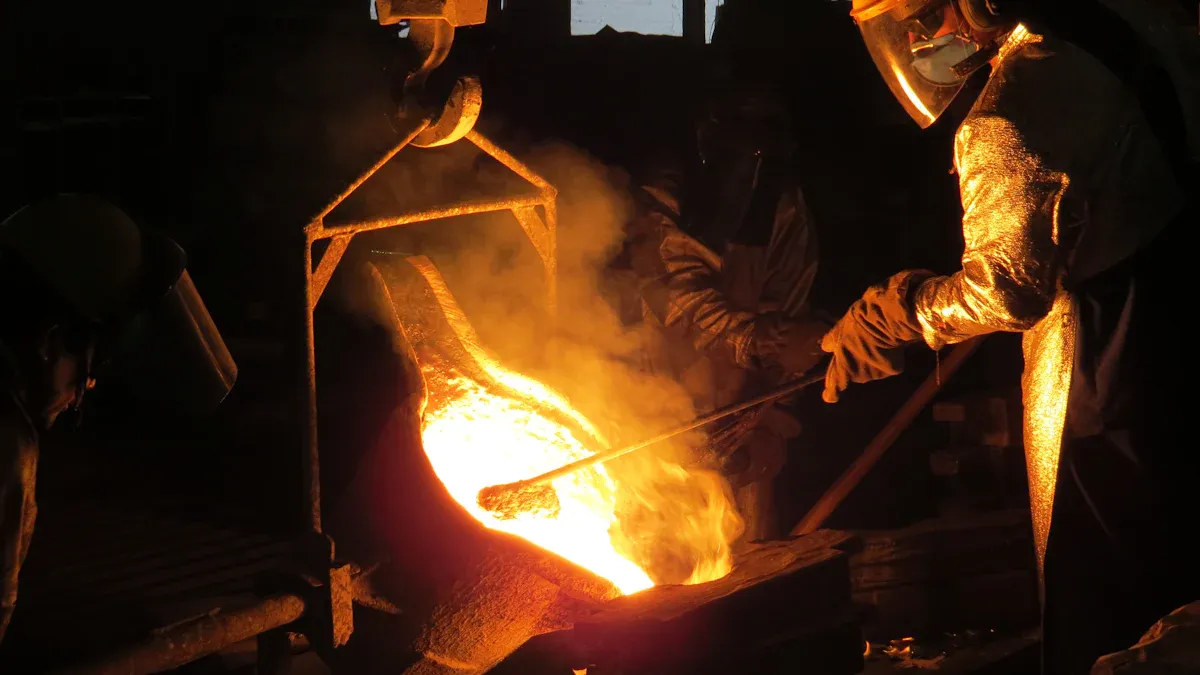
Wachsausschmelzverfahren und Lieferanten von verlorenen Schaumstoffgüssen bieten zwei unterschiedliche Methoden zur Herstellung von Metallteilen. Beim Wachsausschmelzverfahren werden Wachsmodelle zur Herstellung von Wachsausschmelzverfahren für Metallgussteile mit außergewöhnlicher Genauigkeit, was es ideal für komplizierte Designs und dünne Wände macht. Dieses Verfahren ist besonders wertvoll für Anwendungen, die präzise Abmessungen erfordern, wie z. B. Eisenbahngussteile. Beim Lost-Foam-Gießen hingegen werden Schaumstoffmodelle verwendet, die sich besser für die Herstellung großer Profile und Hohlformen eignen. Die Wahl zwischen diesen Gießverfahren wirkt sich auf die Materialauswahl, die Oberflächenbeschaffenheit und die Produktionsgeschwindigkeit aus. Wachsausschmelzverfahren werden z. B. in Branchen bevorzugt, in denen es auf exakte Abmessungen und feine Details ankommt, wie z. B. bei Gussteilen für die Eisenbahn. In der nachstehenden Tabelle werden die wichtigsten Unterschiede in Bezug auf Geometrie, Werkstoffe und Ergebnisse hervorgehoben, damit Sie verstehen, warum es wichtig ist, die einzelnen Verfahren zu kennen, wenn Sie das beste Gießverfahren auswählen.
Kriterien | Lost Foam Gießen | Wachsausschmelzverfahren (Lost Wax Casting) |
|---|---|---|
Teilegeometrie und Komplexität | Gut für große, hohle Teile und Hinterschneidungen. | Am besten geeignet für sehr dünne Wände und detaillierte Formen. |
Material und mechanische Anforderungen | Geeignet für Aluminiumlegierungen und Sphäroguss. | Funktioniert am besten mit rostfreien Stählen und Superlegierungen. |
Abmessung und Oberflächengüte | Toleranzen von ±0,5 - 1,0 mm, Oberflächengüte Ra 6,3-12,5 µm. | Engere Toleranzen von ±0,1 - 0,3 mm, Ra 0,8-3,2 µm Oberflächengüte. |
Produktionsvolumen und Budget für Werkzeugbau | Spart Geld für mittlere bis hohe Beträge. | Für kleine Mengen, die eine hohe Genauigkeit erfordern, lohnt es sich. |
Vorlaufzeit und Iterationsgeschwindigkeit | Schnelle Musterwechsel für schnelle Tests. | Stetige Ergebnisse, aber mehr Zeitaufwand. |
Wichtigste Erkenntnisse
Wachsausschmelzverfahren eignen sich gut für kleine Teile mit Details. Es verwendet Wachsmodelle, um glatte und exakte Formen herzustellen.
Lost Foam Casting eignet sich für große, hohle Teile. Dabei werden Schaumstoffmodelle verwendet, die während des Gießens verschwinden. Das macht es für die Herstellung vieler Teile billiger.
Wählen Sie Wachsausschmelzverfahren, wenn Sie sehr genaue und detaillierte Teile benötigen. Es wird unter anderem in der Luft- und Raumfahrt und in der Medizin eingesetzt.
Entscheiden Sie sich für das Lost Foam Casting, wenn Sie eine schnellere Herstellung und weniger Abfall wünschen. Es wird in der Auto- und Fabrikarbeit verwendet.
Überlegen Sie sich, welche Form und welches Material das Teil hat und wie viele Sie benötigen. Dies hilft Ihnen bei der Wahl des besten Gießverfahrens.
Wachsausschmelzverfahren erklärt
Schritte des Wachsausschmelzverfahrens
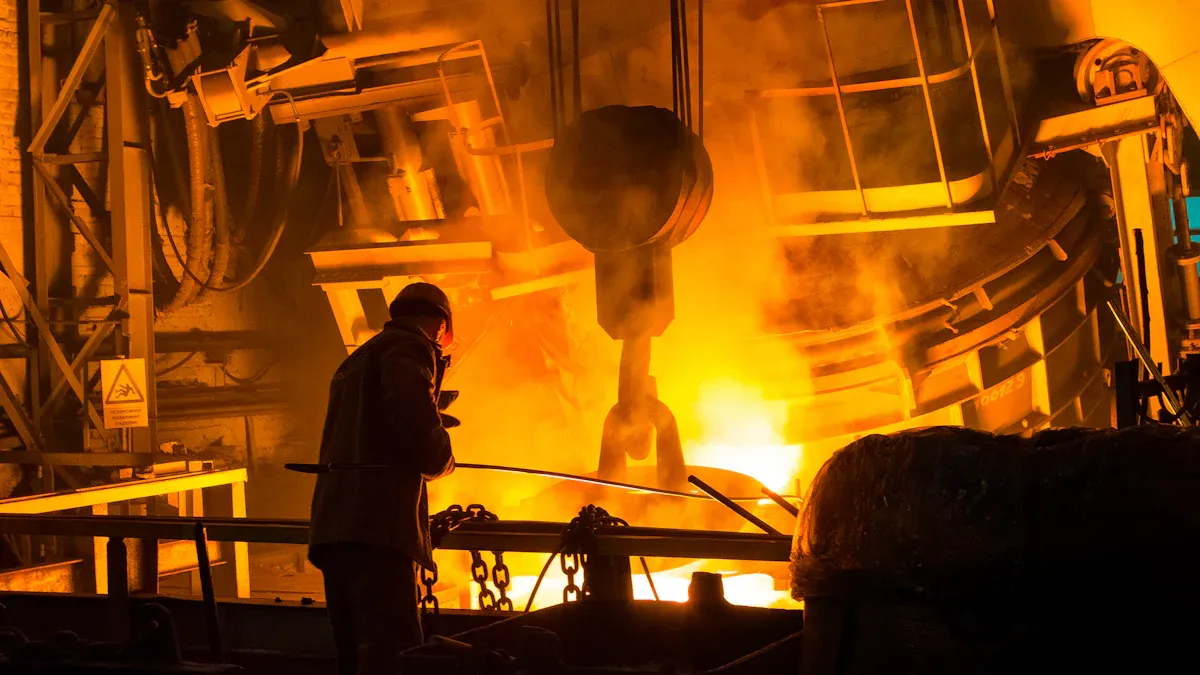
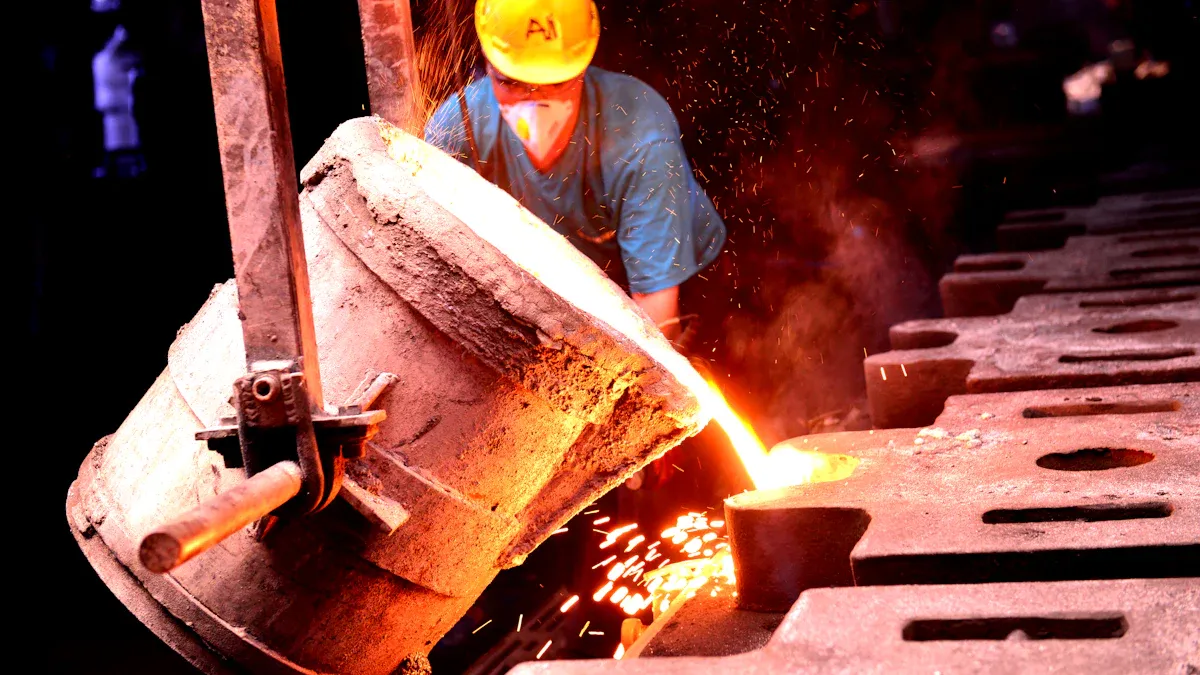
Das Wachsausschmelzverfahren umfasst mehrere Schritte zur Herstellung von Metallteilen. Zunächst fertigen die Arbeiter ein Wachsmodell an. Dann gießen sie weiches Wachs in eine Form. Das Wachs nimmt die Form des Teils an. Viele Wachsmodelle fügen sich zu einem Hauptstab zusammen. Dieser sieht aus wie ein Baum. Mit dem Baum können die Arbeiter viele Teile auf einmal gießen. Anschließend tauchen sie den Wachsbaum in nasse Keramik. Die Keramik bedeckt das Wachs und wird hart. Dann erhitzen sie die Keramikschale. Das Wachs schmilzt und läuft aus. So entsteht ein Hohlraum, der die Form des Teils hat. Die Arbeiter backen die Schale, um sie zu trocknen und zu festigen. Heißes Metall wird in den leeren Raum gegossen. Das Metall füllt die Form aus. Nachdem das Metall abgekühlt ist, brechen die Arbeiter die Keramikschale auf. Die fertigen Metallteile kommen heraus. Die Arbeiter schneiden jedes Teil vom Hauptstab ab. Sie reinigen die Teile durch Sand- oder Kugelstrahlen. Manchmal fügen sie zusätzliche Beschichtungen zum Schutz der Teile hinzu.
Materialien und Ausrüstung für Wachsausschmelzgussteile
Beim Wachsausschmelzverfahren werden spezielle Materialien verwendet, um stabile Teile herzustellen. Das Gießwachs formt das Teil und verleiht ihm eine glatte Oberfläche. Üblich sind Metalllegierungen wie Nickelbasis, rostfreier Stahl und Kohlenstoffstahl. Jede Legierung hat ihre eigenen Stärken. Nickelbasislegierungen sind hitze- und rostbeständig. Rostfreier Stahl ist stark und rostet nicht. Kohlenstoffstahl ist zäh und kostet weniger. Diese Metalle werden für unterschiedliche Aufgaben verwendet. Die folgende Tabelle zeigt, was jedes Metall am besten kann:
Material Typ | Eigenschaften | Anwendungen |
|---|---|---|
Nickel-Basis-Legierungen | Hält Hitze und Rost gut aus | Verwendet für Turbinenschaufeln und Ventile |
Rostfreier Stahl | Stark und glatt, rostbeständig | Verwendet für medizinische Werkzeuge und Schiffsteile |
Kohlenstoffstahl | Strapazierfähig und billig, trägt sich gut | Verwendet für Getriebe und Bergbaumaschinen |
Anwendungen des Wachsausschmelzverfahrens in der Industrie
Viele Industriezweige verwenden Wachsausschmelzverfahren für präzise Teile. Automobilhersteller verwenden es für Motorenteile. Flugzeughersteller benötigen leichte und stabile Teile mit komplizierten Formen. Öl- und Gasunternehmen verwenden es für Teile, die hohem Druck standhalten müssen. Fabriken und Energieanlagen verwenden Gussteile für Maschinen und Turbinen. Die folgende Tabelle zeigt, wo Wachsausschmelzverfahren eingesetzt werden:
Industrie | Typische Anwendungen |
|---|---|
Automobilindustrie | Motorteile und Halterungen |
Luft- und Raumfahrt | Leichte und komplexe Teile |
Öl und Gas | Ventile und Armaturen für Hochdruck |
Industrielle Maschinen | Pumpen und Zahnräder |
Energieerzeugung | Turbinenschaufeln und Wärmetauscher |
Vor- und Nachteile des Wachsausschmelzverfahrens
Mit dem Wachsausschmelzverfahren können Designer sehr detaillierte Formen herstellen. Es werden weniger Werkzeuge benötigt, so dass kleine Chargen leicht herzustellen sind. Die Herstellung vieler Teile ist schnell und die Ergebnisse bleiben gleich. Es können viele Metalle verwendet werden, so dass die Teile stabil oder rostfrei sein können. Bei diesem Verfahren wird weniger Material verschwendet und es sind weniger Nacharbeiten erforderlich. Die Oberfläche ist glatt und kann für spezielle Anforderungen verändert werden. Beim Wachsausschmelzverfahren können jedoch winzige Löcher im Metall entstehen. Einige Teile sind möglicherweise nicht sehr hart. Das Schneiden der Formen kann kompliziert und langsam sein. Neue Technologien helfen, das Verfahren zu verbessern und zu beschleunigen. KEMING verwendet das Wachsausschmelzverfahren, um hochwertige Metallteile für schwierige Aufgaben herzustellen.
Überblick über das Lost-Foam-Gießverfahren
So funktioniert Lost Foam Casting
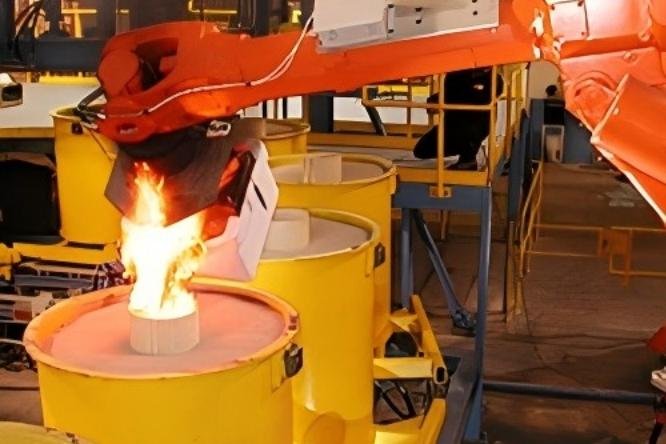
Beim Lost Foam Casting werden Metallteile in mehreren Schritten hergestellt. Zunächst fertigen die Arbeiter ein Schaumstoffmodell an. Sie erhitzen kleine Kügelchen, damit sie größer werden. Die Perlen werden zu dem Teil geformt. Wenn das Teil kompliziert ist, kleben die Arbeiter die Teile zusammen. Die Schaumstoffmuster kommen auf ein Anschnittsystem. Dadurch wird ein Cluster gebildet. Die Arbeiter überziehen das Bündel mit einer speziellen Beschichtung. Die Beschichtung sorgt dafür, dass das Modell beim Gießen stabil bleibt. Nach der Beschichtung wird das Bündel in trockenen Sand gelegt. Der Sand enthält kein Bindemittel. Das heiße Metall wird in die Form gegossen. Das Schaumstoffmodell verschwindet und das Metall füllt den Raum aus. Wenn das Metall abgekühlt ist, nehmen die Arbeiter den Sand weg. Das fertige Gussteil ist nun fertig. Auf diese Weise können die Teile sehr genau sein und viele Details aufweisen.
Materialien für das Lost Foam Casting
Viele Materialien tragen dazu bei, dass Lost Foam Casting gut funktioniert. In der folgenden Tabelle sind gängige Materialien und ihre Funktionen aufgeführt:
Material Typ | Eigenschaften | Anwendungsfälle |
|---|---|---|
Polystyrol | Leicht, billig, glatte Oberfläche, brennt sauber ab | Die meisten Schaumstoffmuster |
Polymethylmethacrylat | Stärker, genauer, teurer | Harte, detaillierte Gussteile |
Feuerfeste Aufschlämmung | Macht die Oberfläche glatter und die Form stärker | Beschichtung für Schaumstoffmuster |
Keramische Schale | Hält Hitze gut aus, zeigt kleine Details | Verwendet für heiße Legierungen |
Quarzsand | Lässt Luft durch, bleibt bei Hitze stabil | Normaler Sand für Formen |
Zirkon-Sand | Bewegt die Wärme schnell, dehnt sich nicht stark aus | Verwendet für heiße Legierungen |
Bentonit-Ton | Lässt den Sand besser zusammenkleben | Bindemittel in Sandformen |
Kieselsol | Hilft der Beschichtung zu haften, hält der Hitze stand | Bindemittel in Beschichtungen |
Industrielle Anwendungen des Lost-Foam-Gießens
Das Lost-Foam-Gießen wird für viele Arbeiten verwendet. Die nachstehende Tabelle zeigt, wie es im Vergleich zum Wachsausschmelzverfahren eingesetzt wird:
Gussteil Typ | Primäre Anwendungen |
|---|---|
Lost Foam Gießen | Autos (Motorblöcke, Bremsscheiben), Maschinen (Getriebegehäuse), Flugzeuge (Strukturteile) |
Wachsausschmelzverfahren (Lost Wax Casting) | Flugzeuge (Turbinenschaufeln), Medizin (Implantate), Kunst und Schmuck (ausgefallene Stücke) |
Die KEMING-Fabrik stellt sowohl verlorenen Schaum als auch verlorenes Wachs her. Sie helfen Auto-, Maschinen- und Flugzeugfirmen.
Vor- und Nachteile des Lost-Foam-Gießens
Lost Foam Casting hat viele gute Seiten:
Sehr glatte Oberfläche
Geeignet für harte Formen
Verringert die Abfallmenge
Teile sind genau und detailliert
Weniger Bedarf an zusätzlicher Arbeit
Keine Entformungsschrägen oder Trennlinien
Spart Geld und schont die Umwelt
Einfaches und flexibles Verfahren
Es gibt jedoch einige Probleme:
Der Anfang kostet viel
Das Gießen von Metall erfordert eine sorgfältige Kontrolle
Muster können leicht brechen oder sich verbiegen
Das Team von KEMING hilft seinen Kunden, jedes Mal starke und genaue Gussteile zu erhalten.
Wachsausschmelzverfahren vs. Lost Foam: Vergleich der Methoden
Unterschiede bei den Modellmaterialien und der Formherstellung
Modellmaterialien und die Herstellung von Formen zeigen, was jedes Gießverfahren besonders macht. Beim Wachsausschmelzverfahren werden Wachsmodelle verwendet. Beim Lost Foam Casting wird expandierter Polystyrolschaum verwendet. Die nachstehende Tabelle zeigt, wie sich die Herstellung von Modellen und Formen unterscheidet:
Aspekt | Lost Foam Gießen | Wachsausschmelzverfahren (Lost Wax Casting) |
|---|---|---|
Muster Material | Expandierter Polystyrolschaum | Wachs (Paraffin-Mikrokristallin-Gemisch) |
Zeit der Mustererstellung | 1-4 Stunden | 20-30 Sekunden |
Methode zur Herstellung von Formen | Schaumstoffmuster eingebettet in ungebundenem Sand | Feuerfeste Schale um Wachsmodelle gebaut |
Wachsausschmelzverfahren | Nicht anwendbar (Schaum verdampft) | Autoklav oder Dampfautoklav zum Entfernen von Wachs |
Gießtemperatur | Aluminium bei ~620 °C oder Sphäroguss bei ~1.400 °C | Rostfreier Stahl (1.450 °C) bis Inconel 718 (1.530 °C) |
Abkühlungszeit | 30-90 Sekunden | 30-120 Minuten |
Wachsausschmelzgussteile haben glatte Oberflächen aus Wachs. Dies erleichtert die Herstellung detaillierter Formen. Mit Schaumstoffmodellen beim Lost Foam Casting können größere und komplexere Formen hergestellt werden. Bei jedem Verfahren werden die Formen auf andere Weise hergestellt. Dadurch verändert sich das Aussehen des fertigen Gussteils.
Prozesskomplexität und Produktionseffizienz
Die Prozesskomplexität und die Produktionseffizienz sind bei beiden Gießverfahren unterschiedlich. Beim Lost-Foam-Gießen werden Schaumstoffmodelle verwendet, die beim Gießen des Metalls verschwinden. Das bedeutet weniger Bearbeitung und weniger Ausschuss. Die Teile kommen ihrer endgültigen Form sehr nahe. Schaumstoffmodelle tragen dazu bei, dass die Teile genauer werden und die Produktion beschleunigt wird. Die Arbeiter verbringen weniger Zeit mit der Reparatur von Teilen. Das spart Geld und Energie.
Das Lost-Foam-Gießen reduziert den Bearbeitungsaufwand und den Ausschuss.
Das Verfahren spart Geld und macht die Teile schneller.
Das Wachsausschmelzverfahren umfasst mehrere Schritte. Die Arbeiter müssen das Wachs entfernen und eine Keramikschale herstellen. Dies dauert länger und kann zu Problemen wie kleinen Löchern und Schrumpfung führen. Es wird mehr Material verschwendet, weil Wachs und Einbettmasse verloren gehen.
Beim Wachsausschmelzverfahren können Probleme wie winzige Löcher und Schrumpfung auftreten.
Der Prozess dauert länger, weil das Wachs entfernt und abgekühlt werden muss.
Es wird mehr Material verschwendet.
Ein Vergleich der beiden Verfahren zeigt, dass das Lost Foam Casting besser für große Serien geeignet ist. Wachsausschmelzverfahren ist am besten für Teile mit vielen Details geeignet.
Oberflächengüte und Maßhaltigkeit
Oberflächengüte und Maßhaltigkeit sind beim Gießen wichtig. Beim Wachsausschmelzverfahren werden Teile mit sehr hoher Genauigkeit und glatten Oberflächen hergestellt. Auch beim Lost-Foam-Gießen werden präzise Teile hergestellt. Allerdings ist nach dem Gießen oft mehr Arbeit erforderlich, um die gleiche Glätte zu erreichen.
Form Typ | Maßgenauigkeit | Oberflächengüte (Ra) |
|---|---|---|
Lost Foam Gießen | Hoch (±0,25 mm) | 3,2-6,3 µm |
Wachsausschmelzverfahren (Lost Wax Casting) | Sehr hoch (±0,1 mm) | 1,6-3,2 µm |
Eine weitere Tabelle zeigt die Toleranzen und den zusätzlichen Arbeitsaufwand:
Gießverfahren | Toleranzen | Nachbearbeitungsanforderungen |
|---|---|---|
Wachsausschmelzverfahren (Lost Wax Casting) | ±0,1 mm bis ±0,5 mm | Benötigt wenig zusätzliche Arbeit; Teile sind fast fertig |
Lost Foam Gießen | ±0,3 mm bis ±1,0 mm | Erfordert Schleifen, Bearbeitung und Wärmebehandlung |
Wachsausschmelzgussteile müssen oft nur wenig nachbearbeitet werden. Lost-Foam-Gussteile benötigen unter Umständen mehr Schritte, um sie glatter und genauer zu machen. Beide Verfahren haben gute und schlechte Seiten für verschiedene Branchen.
Kosten und wirtschaftliche Erwägungen
Bei der Wahl des Gießverfahrens spielen Kosten und wirtschaftliche Überlegungen eine wichtige Rolle. Das Wachsausschmelzverfahren ist teurer für die Werkzeuge und dauert länger bis zur Fertigstellung. Es eignet sich gut für Kleinserien und Teile, die sehr genau sein müssen. Das Lost-Foam-Gießen kostet weniger Werkzeuge und ist schneller. Es eignet sich besser für größere Chargen und komplexe Formen.
Auch die Arbeits- und Materialkosten sind unterschiedlich. Die Herstellung von Schaumstoffmodellen kostet weniger pro Kilogramm. Sand und Beschichtung tragen zu den Kosten bei. Auch Energie und Arbeit spielen eine Rolle. Für Aluminiumteile kostet das Lost-Foam-Gießen ₹300-₹500/kg. Eisenteile kosten ₹80-₹200/kg. Stahlteile kosten ₹350-₹600/kg.
Eine Zusammenfassung der Stärken und Grenzen hilft den Unternehmen bei der Wahl des besten Verfahrens. Das Wachsausschmelzverfahren bietet hohe Genauigkeit und feine Details. Lost Foam Casting spart Geld und eignet sich gut für größere Chargen.
Tipp: Unternehmen sollten sich die wichtigsten Merkmale der einzelnen Gießverfahren ansehen, bevor sie sich entscheiden. Genauigkeit, Oberflächengüte und Kosten spielen bei der Auswahl eine Rolle.
Die Wahl zwischen Wachsausschmelzverfahren und Schaumgießverfahren
Wann wird Wachsausschmelzverfahren angewendet?
Gussteile aus verlorenem Wachs eignen sich hervorragend für Projekte, die hohe Präzision erfordern. Viele Branchen wählen dieses Verfahren für Teile mit komplizierten Formen und engen Abmessungen. Die folgende Tabelle zeigt, warum Wachsausschmelzverfahren so besonders sind:
Vorteil | Erläuterung |
|---|---|
Hohe Präzision | Zeigt winzige Details und feine Formen. |
Maßgenauigkeit | Hält die Messungen für wichtige Aufgaben konstant. |
Flexibilität bei der Gestaltung | Viele Funktionen sind in einem einzigen Teil untergebracht, was den Montageaufwand verringert. |
Glatte Oberfläche | Die Teile sehen gut aus und erfordern wenig zusätzliche Arbeit. |
Ingenieure verwenden Wachsausschmelzverfahren für Flugzeuge, medizinische Geräte und Energiemaschinen. Diese Arbeiten erfordern Genauigkeit und konstante Größen für Sicherheit und gute Leistung.
Wann Lost Foam Casting die bessere Wahl ist
Das Lost-Foam-Gießen eignet sich für viele Arten von Metallen. Dieses Verfahren wird gerne für einfache und schwierige Teile verwendet, vor allem, wenn nach dem Gießen zusätzliche Arbeiten erforderlich sind. Einige Hauptmerkmale sind:
Arbeitet mit Eisen- und Nichteisenmetallen.
Erzeugt große, hohle oder detaillierte Formen.
Das Design lässt sich während der Herstellung leicht ändern.
Automobil- und Maschinenbauunternehmen entscheiden sich für Lost Foam-Guss für Motorblöcke, Abdeckungen und starke Teile.
Faktoren, die die Auswahl des Gießverfahrens beeinflussen
Die Wahl des richtigen Verfahrens hängt von einigen Faktoren ab. Die folgende Tabelle zeigt, wie Teileform, Material und Anzahl der benötigten Teile die Wahl beeinflussen können:
Faktor | Einfluss auf das Gießverfahren |
|---|---|
Teil-Geometrie | Knifflige Formen eignen sich besser für Feinguss, einfache Formen für Sand- oder Schaumguss. |
Material Typ | Aluminium eignet sich gut für den Druck- oder Schaumguss, während Stahl am besten für den Feinguss geeignet ist. |
Produktionsvolumen | Kleine Mengen werden im Feinguss hergestellt, große Mengen besser im Druck- oder Schaumguss. |
Der Vergleich der beiden Methoden hilft den Ingenieuren, die jeweils beste Lösung für das Projekt zu finden. Denken Sie an diese Schritte:
Prüfen Sie, wie knifflig das Teil ist, um das beste Verfahren auszuwählen.
Achten Sie darauf, wie viele Teile Sie benötigen, um Geld zu sparen.
Wählen Sie Materialien, die für das Gießverfahren geeignet sind.
KEMINGs Feinguss-Dienstleistungen für Ihren Bedarf
KEMING bietet Feingussdienstleistungen an, die den weltweiten Standards entsprechen. In der Fabrik werden jedes Jahr über 2.000 Tonnen Gussteile hergestellt. KEMING verwendet strenge Qualitätskontrollen und fortschrittliche CNC-Maschinen, um Teile mit engen Abmessungen und glatten Oberflächen herzustellen.
KEMING hilft seinen Kunden bei der Auswahl des richtigen Verfahrens für ihre Gussanforderungen. Ihre Kompetenz sorgt für gleichbleibende Ergebnisse und qualitativ hochwertige Gussteile für anspruchsvolle Aufgaben.
Kurzreferenz: Wachsausschmelzverfahren vs. Lost Foam Casting
Die wichtigsten Unterschiede in Aufzählungspunkten zusammengefasst
Beim Wachsausschmelzverfahren werden Wachsmodelle verwendet. Beim Lost Foam Casting werden Schaumstoffmodelle verwendet. Wachsmodelle machen Teile sehr glatt und detailliert. Schaumstoffmodelle sind gut für große oder hohle Teile geeignet. Das Wachsausschmelzverfahren ist teurer, weil es zusätzliche Schritte erfordert. Lost Foam Casting ist normalerweise billiger. Wachsmodelle sind stabil und leicht zu bewegen. Schaumstoffmodelle können leichter brechen oder sich verbiegen. Bei beiden Verfahren sind keine Entformungsschrägen oder Trennlinien erforderlich. Wachsausschmelzverfahren eignen sich am besten für Kleinserien und Aufträge, die eine hohe Genauigkeit erfordern. Lost Foam Casting eignet sich gut für größere Serien und schnelle Änderungen.
Vergleichstabelle der wichtigsten Merkmale
Merkmal | Wachsausschmelzverfahren (Lost Wax Casting) | Lost Foam Gießen |
|---|---|---|
Muster Material | Wachs | Expandiertes Polystyrol (EPS) |
Material der Form | Keramische Schale | Ungebundener Sand und feuerfeste Schlichte |
Maßgenauigkeit | Hoch | Gut |
Oberfläche | Ausgezeichnete, glatte Oberfläche | Gut, muss eventuell nachbearbeitet werden |
Komplexität der Formen | Sehr hoch, am besten für komplizierte Details | Hoch, gut für komplexe Geometrien |
Materialabfälle | Mäßig (Wachs wird geschmolzen und abgetropft) | Minimal (Schaummuster verdampft) |
Kosten | Höher aufgrund von mehr Schritten und Materialien | Geringer aufgrund des einfacheren Verfahrens |
Produktionsvolumen | Geringe bis mittlere Mengen | Mittlere bis große Mengen |
Typische Anwendungen | Luft- und Raumfahrt, Schmuck, medizinische Geräte | Automobilindustrie, Industriemaschinen |
Tipps für die Auswahl des besten Gießverfahrens
Tipp: Verwenden Sie Wachsausschmelzverfahren, wenn Sie kleine Größen und feine Details benötigen. Wählen Sie verlorenen Schaumguss für große, hohle oder schwierige Formen, die schnell und kostengünstig hergestellt werden müssen.
Achten Sie auf die Größe und Form des Teils, bevor Sie es auswählen. Überlegen Sie, wie viele Teile Sie herstellen wollen. Vergewissern Sie sich, dass das Material für das Gießverfahren geeignet ist. Bitten Sie Experten um Hilfe, wenn Sie sich nicht sicher sind.
Das Wachsausschmelzverfahren und das Lost Foam Casting sind für verschiedene Branchen von besonderem Nutzen. Die folgende Tabelle zeigt, dass sie nicht dasselbe sind:
Aspekt | Lost Foam Gießen | Wachsausschmelzverfahren (Lost Wax Casting) |
|---|---|---|
Maßgenauigkeit | Hoch | Sehr hoch |
Anwendungen | Automobilindustrie, Maschinen | Luft- und Raumfahrt, Medizin, Kunst |
Komplexität der Prozesse | Mäßig | Hoch |
Oberfläche | Gut | Ausgezeichnet |
Die Wahl des besten Gießverfahrens hat Auswirkungen auf Kosten und Genauigkeit. Es beeinflusst auch, wie schnell die Teile hergestellt werden. Die Hersteller sollten bedenken, wie schwer das Teil zu fertigen ist. Sie sollten auch darauf achten, wie viele Teile sie benötigen. Gespräche mit Experten wie KEMING können Unternehmen helfen, besser zu arbeiten. Es kann ihnen auch helfen, neue Ideen auszuprobieren und die Sicherheit der Teile zu gewährleisten. KEMING verfügt über CE-, ISO9001- und ISO13485-Zertifikate. Dies zeigt, dass dem Unternehmen die Sicherheit und die Herstellung guter Produkte wichtig sind.
FAQ
Was ist der Unterschied zwischen Wachsausschmelzverfahren und Schaumgießverfahren?
Beim Wachsausschmelzverfahren werden Wachsmodelle für kleine, detaillierte Teile verwendet. Beim Lost Foam Casting werden Schaumstoffmodelle für größere Formen verwendet. Jedes Verfahren eignet sich am besten für unterschiedliche Aufgaben in Fabriken.
Welche Metalle eignen sich am besten für das Feingussverfahren?
Edelstahl, Kohlenstoffstahl und Nickelbasislegierungen eignen sich gut für den Feinguss. Diese Metalle sind stabil und halten lange Zeit. Sie helfen bei der Herstellung von Teilen, die genau sein müssen.
Wie wirken sich die Gießverfahren auf die Oberflächenbeschaffenheit aus?
Beim Wachsausschmelzverfahren werden Teile mit glatten Oberflächen und geringen Abmessungen hergestellt. Das Lost-Foam-Gießen erfordert möglicherweise mehr Arbeit, um die gleiche Glätte zu erreichen.
Wo sind Feingussverfahren am sinnvollsten?
Präzisionsguss hilft bei der Herstellung von Teilen für Flugzeuge, medizinische Geräte und Energiemaschinen. Mit diesen Verfahren können die Arbeiter knifflige Formen herstellen und die Größen genau einhalten.
Können mit beiden Verfahren Teile für Automobilgussanwendungen hergestellt werden?
Sowohl das Wachsausschmelzverfahren als auch das Lost-Foam-Verfahren eignen sich zur Herstellung von Autoteilen. Lost Foam Casting wird für Motorblöcke verwendet. Beim Wachsausschmelzverfahren werden kleinere, detaillierte Teile hergestellt.