DE
DE  EN
EN  ES
ES  FR
FR 
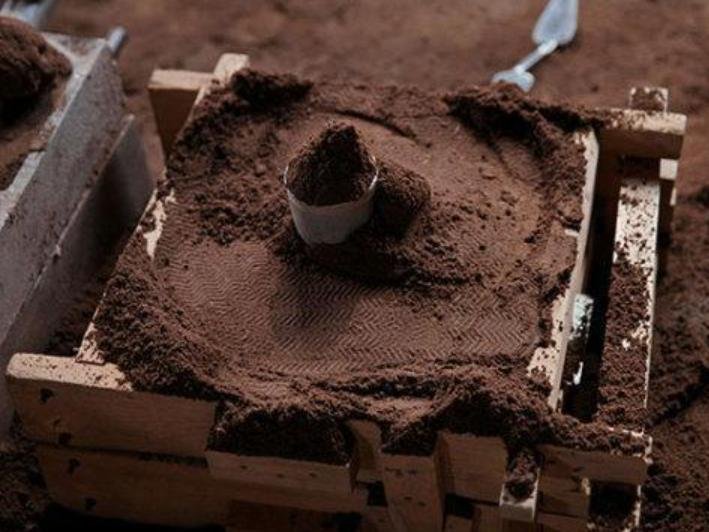
Viele Hobbybastler fragen, ob sie gewöhnlichen Sand aus ihrem Garten oder ihrer Werkstatt verwenden können, um Sandguss. Die Antwort ist ja, aber mit vielen Einschränkungen. Aluminium, Eisen oder Bronze sind üblicherweise verwendete Gussmaterialien, da diese Metalle relativ leicht zu schmelzen und zu gießen sind. Professionelle Unternehmen wie KEMING verwenden fortschrittlichere Gießverfahren, um stabilere Endprodukte zu erhalten.
Wichtigste Erkenntnisse
- Die Verwendung von speziellem Gusssand führt zu besseren Ergebnissen. Gusssand ist formstabiler als gewöhnlicher Sand und ergibt eine glattere Oberfläche.
- Sicherheit ist immer von größter Bedeutung in der Metallguss Verfahren. Tragen Sie Sicherheitsausrüstung wie Handschuhe, Schutzbrille und Gesichtsschutz. Dies hilft, Verletzungen zu vermeiden.
- Mischen Sie den Sand sorgfältig und achten Sie auf den Feuchtigkeitsgehalt. Dies hilft, Probleme wie Luftblasen zu vermeiden und stärkt die Form.
Wie man Metall in Sand gießt
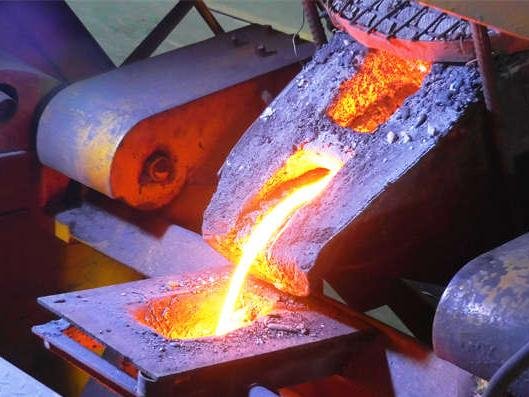
Viele Menschen haben Spaß am Sandguss. Sowohl Bastler als auch Profis verwenden diese Methode. Beim Sandgussverfahren werden Formen aus Sand verwendet. Geschmolzenes Metall wird in die Form gegossen, um die gewünschte Form zu erhalten. Manche Leute versuchen es mit normalem Sand, aber mit Gusssand lassen sich im Allgemeinen bessere Ergebnisse erzielen. Quarzsand oder harzbeschichteter Sand führt zu einer glatteren Oberfläche des fertigen Produkts. Gießereisand behält seine Form und erzeugt eine glatte Oberfläche. Unternehmen wie KEMING verwenden fortschrittliche Muschelsandguss Technologie zur Herstellung hochwertiger Teile.
Benötigte Materialien und Werkzeuge
Um mit dem Gießen zu beginnen, benötigen Sie die richtigen Materialien und Werkzeuge. Die folgenden Artikel helfen Ihnen, sicher und effizient zu arbeiten:
- Zum Erhitzen und Schmelzen des Metalls wird ein Metallofen verwendet.
- In einem Sandkasten werden der Gießereisand und das geschmolzene Metall aufbewahrt.
- Verwenden Sie eine Schaufel oder einen Spachtel, um den Sand umzurühren.
- Tragen Sie zur Sicherheit Handschuhe, eine Schutzbrille und einen Gesichtsschutz.
- Verwenden Sie eine Form für den Gegenstand, den Sie gießen möchten.
- Ein Anschnittsystem hilft, das Metall in die Form zu gießen.
Gießereisand (wie Petrobond oder harzbeschichteter Sand) ist die beste Wahl. Es kann auch normaler Sand verwendet werden, aber seine Formstabilität ist möglicherweise schlechter.
Grundlegende Schritte des Sandgusses
Das Sandgießen umfasst mehrere Schritte. Jeder Schritt hilft Ihnen, einen guten Guss zu erhalten:
- Füllen Sie die Form mit Gießereisand in den Behälter um die Form herum, wobei Sie jede Formhälfte separat füllen.
- Schmieren Sie den Formhohlraum und schließen Sie die beiden Formhälften.
- Gießen Sie geschmolzenes Metall mit Hilfe des Anschnittsystems in die Form.
- Lassen Sie das Metall in der Form abkühlen und aushärten.
- Brechen Sie den Sand auf und entfernen Sie den Guss.
- Schneiden Sie überschüssiges Metall ab, um das Gussteil fertigzustellen.
Gießereisand ist für den Formenbau besser geeignet als normaler Sand und bietet eine glattere Oberfläche. Sandguss ist für Metalle wie Aluminium, Eisen und Bronze geeignet.
Tipp: Unzureichendes Mischen von Gießereisand kann zu Mängeln führen. Mischen Sie den Sand immer sorgfältig und prüfen Sie die Form auf Luftblasen.
Sicherheitstipps
Sicherheit hat beim Sandguss oberste Priorität. Bei diesem Verfahren werden hohe Temperaturen und gefährliche Stoffe verwendet. Tragen Sie immer eine geeignete Schutzausrüstung:
- Aluminisierte Kleidung schützt Sie vor hohen Temperaturen und Schmelzspritzern.
- Hitzebeständige Handschuhe schützen Ihre Hände.
- Schutzhüllen schützen Ihre Unterarme.
- Ein Gesichtsschutzschild schützt Ihr Gesicht und Ihre Augen.
Weitere Gefahren sind Chemikalien, giftige Dämpfe, Staub, Elektrizität, Feuer, heiße Oberflächen, Lärm, Strahlung und Vibrationen. Arbeiten Sie immer in einem gut belüfteten Bereich und befolgen Sie die Sicherheitsvorschriften.
Anmerkung: Überstürzen Sie den Sandgussprozess nicht. Stellen Sie sicher, dass das Metall vollständig abgekühlt ist, bevor Sie das Gussteil bearbeiten. Dies verhindert Verbrennungen und schützt das fertige Produkt.
Für präzisere und hochwertigere Gussergebnisse empfehlen wir die Inanspruchnahme professioneller Dienste wie Kemin. Sie nutzen die Muschelsandgusstechnologie, um hochpräzise Teile mit hervorragender Oberflächengüte herzustellen.
Warum normaler Sand scheitert
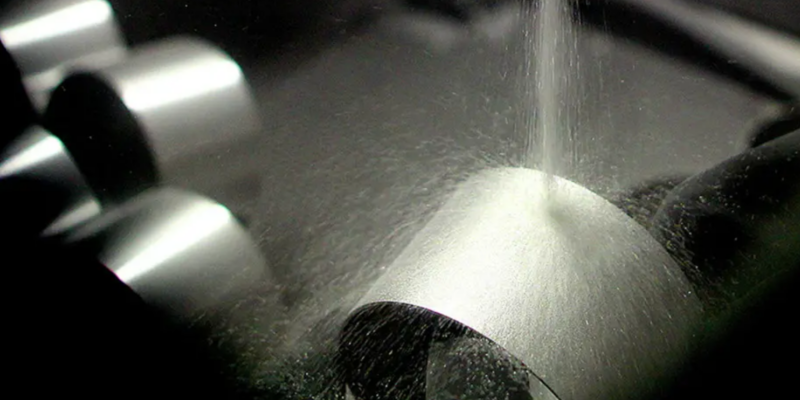
Bedarf an Bindemitteln
Gewöhnlicher Sand haftet schlecht. Klebstoffe sorgen dafür, dass der Sand zusammenhält und eine stabile Form entsteht. Ohne Klebstoffe kann die Form reißen, wenn heißes Metall gegossen wird. Verschiedene Klebstoffe wirken auf unterschiedliche Weise. In der folgenden Tabelle sind einige der beim Gießen häufig verwendeten Klebstoffe aufgeführt:
| Typ des Bindemittels | Materialien | Vorteile | Benachteiligungen |
|---|---|---|---|
| Lehm-Bindemittel | Bentonit, Wasser | Kostengünstig, gute Haftung | Schlechte Hitzebeständigkeit, anfällig für Feuchtigkeit |
| Organische Bindemittel | Phenolharze, Furanharze | Starke Haftung, schnelle Aushärtung | Erzeugt Dämpfe, höhere Kosten |
| Anorganische Bindemittel | Natriumsilikat, Wasser | Hitzebeständig, hohe Festigkeit | Schwierig zu trennen |
| No-Bake-Bindemittel | Polyurethan, Furan | Hohe Festigkeit, schnelle Aushärtung | Höhere Kosten, schwieriger zu bedienen |
Kontrolle der Luftfeuchtigkeit
Die Feuchtigkeit im Sand ist für das Gießen entscheidend. Sand braucht eine bestimmte Menge an Feuchtigkeit, um seine Form zu behalten. Zu viel Feuchtigkeit kann zu Problemen führen. Wenn heißes Metall mit nassem Sand in Berührung kommt, wird Dampf erzeugt. Der Dampf bildet Blasen, die Defekte wie Hohlräume oder Porosität verursachen. Der optimale Feuchtigkeitsgehalt von Sand liegt zwischen 2% und 4%. Dies trägt dazu bei, die Festigkeit der Sandform zu erhalten und Gussprobleme zu verringern.
Tipp: Prüfen Sie vor dem Gießen immer den Feuchtigkeitsgehalt des Sandes. Dieser einfache Schritt kann viele Probleme verhindern.
Durchlässigkeit
Die Durchlässigkeit gibt an, in welchem Maße Gas aus der Sandform entweicht. Gewöhnlicher Sand (auch als feuchter Sand bekannt) hat eine Durchlässigkeit zwischen 200 und 400 PN. Wenn der Sand nicht durchlässig ist, bildet die eingeschlossene Luft Blasen oder Schwachstellen. Spezialisierter Gießereisand lässt Gas besser entweichen und trägt so zur Herstellung festerer und saubererer Gussstücke bei.
Sandqualität
Die Qualität des Sandes ist für jeden Guss entscheidend. Minderwertiger Sand nutzt sich ab, wenn das Metall die Form füllt. Das Metall kann in den Sand sickern, wodurch Hohlräume entstehen. Manchmal kann der Sand in das heiße Metall fallen und raue Stellen oder überschüssiges Metall an den Rändern hinterlassen. Chemische Reaktionen zwischen dem Metall und dem Sand können Brandflecken verursachen. Hochwertiger Sand vermeidet diese Probleme und führt zu einem besseren Guss.
Gusssand vs. normaler Sand
Hauptunterschiede zwischen den Sandarten
Gießereisand und gewöhnlicher Sand sind nicht dasselbe. Gießereisand enthält ein spezielles Bindemittel und hat eine einheitliche Korngröße. Dies trägt dazu bei, dass er seine Form beibehält und eine starke Form bildet. Gewöhnlicher Sand hat eine ungleichmäßige Partikelgröße und enthält kein Bindemittel. Dies macht die Form schwach und anfällig für Brüche. Gießereisand kann aus Quarz hergestellt oder mit Harz beschichtet werden. Dadurch kann die Formfestigkeit erhöht und eine glattere Oberfläche erzielt werden. Gewöhnlicher Sand neigt bei hohen Temperaturen zur Zersetzung.
| Eigentum | Auswirkungen auf das Gießen |
|---|---|
| Partikelgröße | Beeinflusst die Glätte und Porosität des Gussstücks |
| Bindemittel Typ | Bestimmt die Festigkeit und Sprödigkeit der Form |
| Feuchtigkeitsgehalt | Beeinflusst Luftblasen und Formfestigkeit |
Die Wahl des richtigen Gießereisandes ist entscheidend. Nasser Sand wird aus Quarz und Ton hergestellt. Er ist preiswert und wiederverwendbar. Harzsand ist teurer, kann aber glattere und präzisere Formen erzeugen.
Auswirkungen auf die Gussmetallqualität
Gießereisand ist für die Herstellung von Metallteilen hervorragend geeignet. Seine feinen Körner und sein starkes Bindemittel ermöglichen glatte, präzise Formen. Einfacher Sand führt in der Regel zu rauen Oberflächen und größeren Ungenauigkeiten. Die Qualität des Sandes wirkt sich auf das Aussehen des Metalls aus.
- Beim Sandguss entsteht aufgrund der Eigenschaften der Sandkörner eine rauere Oberfläche.
- Beim Druckguss entsteht eine glattere Oberfläche durch die Glätte der Form.
- Druckgussteile sind dünner und glatter als Sandgussteile.
- Beim Sandguss entstehen in der Regel rauere Oberflächen als bei Druckgussteilen.
Gießereisand hilft, Probleme wie Blasen, Lunker und Einschlüsse zu vermeiden. Einfacher Sand kann zu mehr Problemen führen, wie Porosität und Schwachstellen. In der nachstehenden Tabelle sind häufige Probleme beim Gießen mit einfachem Sand aufgeführt.
| Defekt Typ | Beschreibung | Häufige Ursachen |
|---|---|---|
| Porosität | Hohlräume, die durch Luftblasen während des Gießvorgangs entstehen. | Unzureichende Entlüftung, niedrige Temperatur, grober Guss, schlechte Formqualität oder Kernentlüftung. |
| Schrumpfungsdefekte | Heiße Stellen, die während des Gießvorgangs nicht vollständig gefüllt wurden. | Schlechte Materialversorgung, Schwachstellen, unzureichendes Anschnittsystem oder Legierungsprobleme. |
| Einschlussdefekte | Andere im Metall enthaltene Stoffe. | Sand, Schlacke, Schutt oder andere Verunreinigungen, die in der Form oder im Metall vorhanden sind. |
| Kälteschutz | Linien oder Nähte, die durch unvollständiges Verschmelzen von Metall entstehen. | Unzureichende Temperatur, verstopfte Entlüftungsöffnungen oder Verwendung von empfindlichen Legierungen. |
Gießereisand hilft, diese Probleme zu lösen, indem er die Form verstärkt und Gase ableitet.
Gemeinsame Herausforderungen und Beschränkungen
Beim Gießen mit gewöhnlichem Sand gibt es viele Probleme. Die Form kann sich verformen, was zu falsch dimensionierten Teilen führt. Die Oberfläche ist rau, und Probleme wie Blasen und Einschlüsse sind anfällig für das Auftreten. Die Festigkeit und Gleichmäßigkeit von gewöhnlichem Sand reichen nicht aus, um eine gute Gussqualität zu gewährleisten.
- Blasen können Hohlräume im Metall bilden.
- Schrumpfung kann zu örtlicher Überhitzung und ungleichmäßiger Kühlung führen.
- Einschlüsse verringern die Festigkeit des Metalls.
- Kaltverschweißungen sind Linien, die durch unvollständiges Schmelzen von Metall entstehen.
Gießereisand kann viele dieser Probleme lösen. Es werden Materialien wie Bentonit, Chromitsand und Melassesand verwendet, um die Festigkeit und Glätte der Form zu verbessern. Spezielle Flussmittel erleichtern das Gießen von verschiedenen Metallen.
Spezialunternehmen wie Komin Machinery verwenden hochwertigere Sande und Anlagen, um diese Probleme zu lösen. Roboter und Maschinen machen die Formen präziser und zuverlässiger. Laserscanner werden eingesetzt, um die Korrektheit der fertigen Teile zu überprüfen.
Tipps für bessere Ergebnisse
Wenn Sie einige einfache Schritte befolgen, können Sie bessere Ergebnisse erzielen. Verwenden Sie immer hochwertigen Sand. Kühlen, trocknen, sieben und zerkleinern Sie den Sand vor der Verwendung. Das Kühlen verhindert Verformung und Rissbildung. Halten Sie Werkzeuge und Maschinen sauber und in einwandfreiem Zustand.
| Beste Praxis | Beschreibung |
|---|---|
| Aufrechterhaltung einer gleichbleibenden Sandqualität | Kühlen, trocknen, sieben und zerkleinern Sie den Sand, um Probleme zu vermeiden. |
| Optimierung der Kühlung | Gleichmäßige Abkühlung verhindert Verformung und Rissbildung. |
| Wartung der Ausrüstung | Prüfen und reinigen Sie Werkzeuge, um die Gussqualität zu verbessern und ihre Lebensdauer zu verlängern. |
Zusatzstoffe können die Leistung von gewöhnlichem Sand verbessern. Hochwertiger Bentonitsand, Chromitsand und Melassesand machen die Formen stärker und glatter. Spezialisierte Flussmittel sind für verschiedene Metalle geeignet.
Professionelle Unternehmen wie KEMING Machinery verwenden neue Methoden der Sandformvorbereitung, um bessere Gussergebnisse zu erzielen. Automatisierung, Computerinspektion und 3D-Sandformdrucktechnologie machen das Gießen präziser und schneller. Die Wiederverwendung von Sandformen reduziert den Abfall und trägt zum Umweltschutz bei.
Der Muschelsandguss ist umweltfreundlicher. Sandformen können gereinigt und wiederverwendet werden, wodurch weniger Abfall anfällt. Neue Systeme können bis zu 95% Sandformen recyceln. Auch das Metall kann recycelt werden. Beim Muschelgießen wird weniger Harz verbraucht und es ist energieeffizienter.
Shell-Sandguss ist schneller und präziser. Es entstehen jedes Mal nahezu identische Teile. Die Oberfläche ist glatter, so dass weniger zusätzliche Schritte erforderlich sind. Schnell aushärtender Harzsand ermöglicht einen schnellen Formenbau und das Gießen von Metall. Weniger zusätzliches Metall bedeutet geringere Kosten und weniger Energieverbrauch.
Tipp: Wählen Sie immer Gusssand für stärkere Formen, glattere Teile und weniger Defekte. Die besten Ergebnisse erzielen Sie, wenn Sie sich an einen professionellen Gießereibetrieb wie KEMING Machinery wenden.
Wer gerne gießt, kann gewöhnlichen Sand für den Metallguss verwenden. Allerdings muss er dabei einige Dinge beachten. In der folgenden Tabelle sind die wichtigsten Unterschiede aufgeführt:
| Kompromiss | Regulärer Sand | Spezialisierter Gusssand |
|---|---|---|
| Oberfläche | Rauhere | Glattere |
| Stärke | Schwächer | Stärkere |
Gießerei-Neulinge sollten immer eine Sicherheitsausrüstung tragen. Wenn Sie bessere Ergebnisse erzielen oder anspruchsvollere Projekte in Angriff nehmen möchten, sollten Sie speziellen Gießereisand verwenden oder die Hilfe eines Experten in Anspruch nehmen. Weitere Informationen finden Sie auch in Leitfäden zum Sandguss.