ES
ES  EN
EN  DE
DE  FR
FR  PT
PT  RU
RU 
Selecting the appropriate molding sand for fundición de aleación de aluminio depends on specific project requirements. Green sand is inexpensive and reusable, making it ideal for hobbyists, whereas resin sand offers superior surface finish and is suitable for complex castings requiring high dimensional precision. Casting processes are adjusted according to the type of sand used. This article compares green sand, water glass sand (sodium silicate sand), and resin sand, examining how each meets the diverse needs of sand casting. Aluminum alloy casting manufacturers must weigh cost against quality, and the optimal choice of molding sand represents the balance point between these factors.
Principales conclusiones
- Arena verde is great for beginners and hobbyists. It costs little and can be reused many times. Simple tools work well with this sand.
- Resin sand gives a smooth surface finish. It keeps fine details for complex parts. Experts pick it for top quality.
- Sodium silicate is a safe middle option. It sets quickly when carbon dioxide gas is added. This way, no harmful fumes are made.
Green Sand for Casting Aluminum
The Basics of Sand Casting with Green Sand
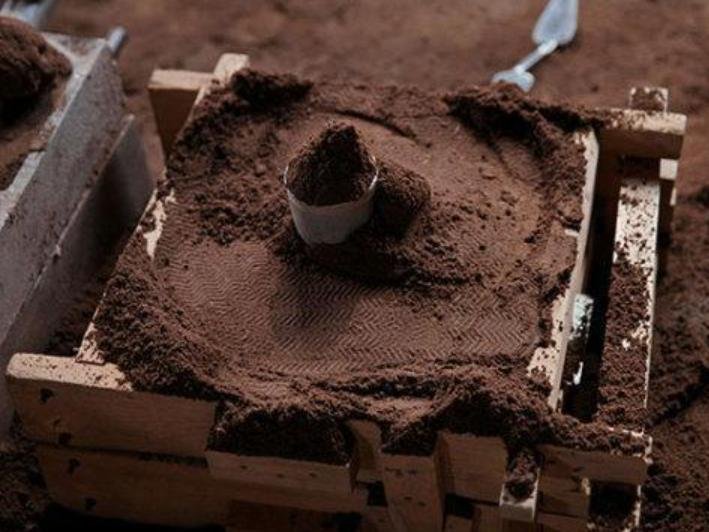
Green sand is the main choice for most hobby foundries and small shops. This molding sand mixes regular silica sand with clay and water. The result is a soft mixture that keeps its shape when pressed. The usual mix looks like this:
| Componente | Percentage |
|---|---|
| Arena | 80% |
| Clay | 10% |
| Agua | 5% |
| Filler | 5% |
The clay within the mixture acts as a binder, while water activates this binding capability. The sand wraps tightly around the pattern, forming a mold capable of withstanding molten metal at high temperatures. “Green sand” is particularly suitable for aluminum, as the metal has a lower melting point than iron or steel.
Using green sand offers numerous advantages. Material costs are low, and with proper maintenance, the sand can be reused almost indefinitely. Foundries can recondition and reuse the same batch of sand repeatedly, adding only small amounts of water and clay as needed. This cost-effectiveness makes it the preferred choice for producing single-unit or small-batch castings.
However, green sand requires regular maintenance. Moisture content must be kept stable: too much moisture can lead to steam-related defects, while too little can cause the mold to collapse. Additionally, compared to other processes, green sand castings tend to have rougher surface finishes, and the mold strength is lower than that of chemically bonded sand. For complex patterns with thin-walled structures, green sand may struggle to preserve fine details.
Sodium Silicate: A Simple Alternative
Sodium silicate (commonly known as water glass) offers a simple, upgraded option for fundición en arena. In this process, clean sand is mixed with liquid sodium silicate, and carbon dioxide gas is then passed through the mold to harden it. This chemical reaction allows the sand mold to cure rapidly, often in just a few minutes.
Its safety benefits appeal to many in the foundry industry. Sodium silicate produces no toxic fumes and involves no flammable liquids, making it safer than resin-bonded sand systems. Furthermore, the process generates less smoke, improving the working environment in the workshop.
However, the sodium silicate process also has distinct limitations. While the surface finish of the resulting aluminum castings is generally superior to that of standard green sand, it still falls short of the quality achieved with resin-bonded sand. Mold strength is another issue; although the hardened mold can withstand the erosive force of molten metal, its rigidity does not match that of resin-bonded molds. Large or complex castings may require additional support structures.
Another issue lies in recycling. Sodium silicate binders do not readily break down; consequently, spent sand cannot be reused without extensive processing, leading to higher long-term material costs. For small-scale projects that prioritize ease of use and safety over extreme detail, the sodium silicate process represents a sound compromise between green sand and resin-bonded sand systems.
Resin Sand for Superior Aluminum Casting
Achieving Smooth Surfaces with Resin-Bonded Sand
Resin-bonded sand casting elevates the casting process to a professional level. This process involves mixing clean silica sand with a liquid resin binder and a separate curing agent. The mixture coats each sand grain uniformly, creating a mold that cures into a rigid, precise shape. Unlike green sand, which relies on moisture for strength, resin-bonded sand forms its structure through chemical bonding, allowing it to retain its shape even at high temperatures.
The choice of resin and curing agent is critical in aluminum alloy casting. The table below lists resin systems commonly used in resin-bonded sand casting:
| Resin Type | Hardener | Relevance to Aluminum Casting |
|---|---|---|
| High-nitrogen furan resin | Phosphoric acid | Aluminum has low nitrogen solubility, so gas porosity risk drops |
| Alkaline phenolic resin | Organic esters (glycerol diacetate, triacetin) | Mentioned in resin sand casting context, though not explicitly confirmed for aluminum |
These combinations produce sand molds with excellent dimensional accuracy. The hardened mold resists erosion from molten metal, so thin walls and sharp corners stay intact. Parts come out with a surface finish far smoother than green sand can achieve. This quality makes resin sand the top choice for automotive parts, marine fittings, and other pieces that need tight tolerances.
The casting process with resin sand requires careful handling. Workers must mix the resin and hardener in exact ratios. The sand mixture has a limited working time before it cures, so crews need to move fast. Once hardened, the sand mold cannot be reshaped. Any mistake means starting over with fresh sand.
Cost Comparison: Clay-Bonded Sand (Green Sand) vs. Resin-Bonded Sand
There is a vast difference in cost between clay-bonded sand and resin-bonded sand. Clay-bonded sand is extremely inexpensive per pound and can be recycled almost indefinitely. In contrast, resin-bonded sand costs several times more per batch and is difficult to reclaim directly due to its binder content; fresh sand mixtures are required for each casting, driving up long-term material costs.
However, the value proposition shifts depending on production scale and part complexity. For single prototypes or small-batch hobbyist projects, clay-bonded sand is more economical; its lower upfront cost outweighs the disadvantage of a slightly rougher surface finish. Conversely, for production runs requiring strict adherence to specifications, the investment in resin-bonded sand pays off; lower scrap rates mean less waste regarding molten metal and labor costs.
Consider parts with complex internal passages: clay-bonded sand may struggle to maintain core integrity, leading to defects, whereas resin-bonded sand reliably preserves these details, ensuring high-quality castings on the first attempt. Although the cost per unit is higher, it becomes acceptable if it prevents the production of scrap.
The choice also depends on existing equipment. Resin-bonded sand processes require sand mixers and adequate ventilation for exhaust gases, whereas clay-bonded sand processes need only simple muller mixers and a water source. Foundries with limited budgets might start with clay-bonded sand and upgrade to resin-bonded sand processes as order volumes increase.
For foundries prioritizing surface finish and dimensional accuracy, the superior results delivered by resin-bonded sand justify the higher cost. The trade-off is clear: accepting a higher cost per casting in exchange for fewer defects and a higher-quality final product. Each foundry must weigh its own priorities when choosing between these two types of molding sand.
Green sand remains the best all-around choice for casting aluminum. It balances low cost, ease of use, and reusability. Hobbyists and small shops benefit most from this sand casting method. The casting process stays simple and forgiving.
Resin sand excels for professional-grade results. It delivers superior surface finish and tighter tolerances. This sand costs more and requires careful handling. However, it produces fewer defects with complex parts.
The final decision depends on project needs, budget, and skill level. Beginners should start with green sand. Professionals seeking precision should consider resin sand. For those wanting expert results without the learning curve, KEMING’s Investment Casting Services offers advanced solutions. Their modern facilities handle molten metal with exceptional accuracy, combining expertise with quality control.
PREGUNTAS FRECUENTES
Which sand works best for a beginner?
Green sand suits beginners best. It costs little, reuses easily, and needs simple tools. The casting process stays forgiving with this sand. Most hobbyists start here.
Can a foundry reuse resin sand?
No. The resin binder hardens permanently. Once the mold sets, workers cannot break it down for another batch. Each casting requires fresh sand. This raises material costs.
How does a caster improve surface finish?
Resin sand delivers the smoothest surface finish. The chemical bond holds fine details better than green sand. For professional results, resin sand outperforms other options. Aluminum parts come out cleaner.