ES
ES  EN
EN  DE
DE  FR
FR 
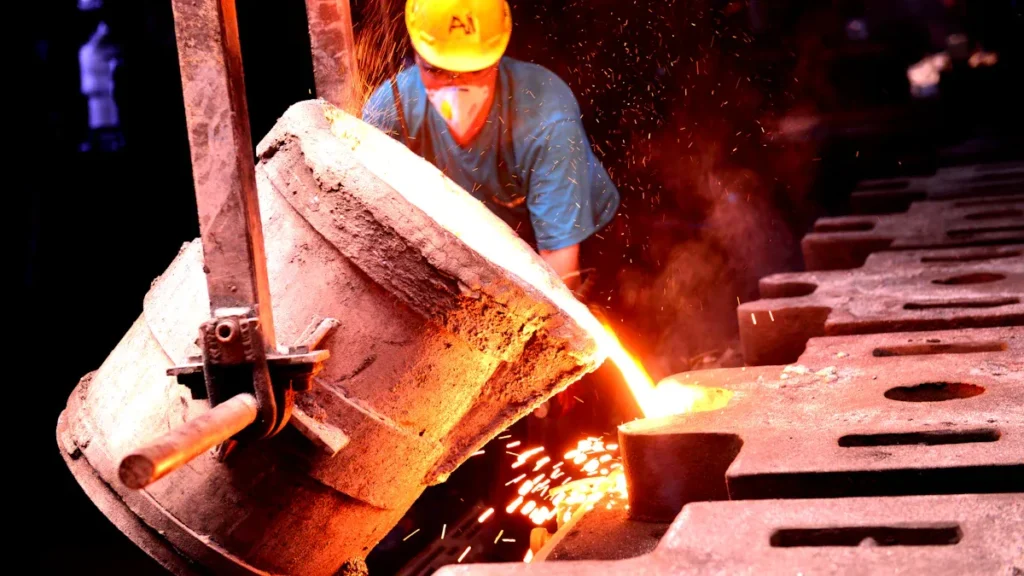
Fundición a la cera perdida utiliza cera para crear intrincados moldes, mientras que fundición a la espuma perdida utiliza materiales de espuma para dar forma a las piezas. Los moldes de cera crean superficies lisas y son adecuados para piezas pequeñas y complejas. Los moldes de espuma son adecuados para formas grandes o sencillas y son menos caros. Cada fundición de precisión utiliza materiales y pasos diferentes. Entender estas diferencias ayuda a la gente a elegir el mejor proceso para sus proyectos.
Principales conclusiones
- La fundición a la cera perdida es adecuada para piezas pequeñas y complejas. Es ideal cuando se necesitan superficies lisas y gran precisión. La fundición a la espuma perdida es más adecuada para formas grandes y sencillas. Suele ser menos costoso y más rápido. Debe elegir el método de fundición adecuado en función del tamaño, la forma, el material y la cantidad de la pieza. La fundición a la cera perdida utiliza moldes de cera y moldes de cerámica. La fundición a la espuma perdida utiliza moldes de espuma y moldes de arena. KEMING puede realizar ambos métodos de fundición. Ayudarán a los clientes a elegir el proceso más adecuado para sus proyectos.
Proceso de fundición a la cera perdida
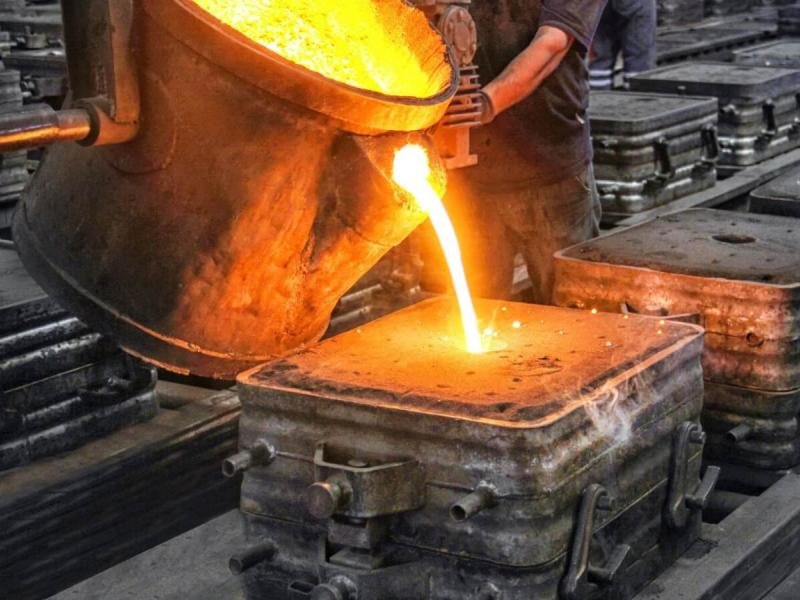
La fundición a la cera perdida puede producir piezas muy precisas. También produce superficies lisas. Muchas industrias prefieren este método por sus notables resultados.
Creación de modelos de fundición a la cera perdida
El primer paso es hacer un modelo. Los fabricantes utilizan cera normal o cera especial para impresión 3D. Cada tipo tiene sus propias ventajas, como se muestra en la tabla siguiente:
| Tipo de material | Ventajas |
|---|---|
| Patrones de cera convencionales | Cuesta menos para muchas piezas, hace superficies lisas, bueno para repetir piezas con herramientas. |
| Impresión 3D Cera moldeable/Polímero fotosensible | Sin necesidad de herramientas duras, realiza formas complicadas, cambios rápidos y piezas personalizadas para pacientes. |
Estas opciones ayudan a los diseñadores a crear piezas complejas y repetibles.
Formación de moldes de fundición a la cera perdida
A continuación, los trabajadores crean el molde. Sumergen el modelo de cera en una pasta de cerámica. Tienen que repetir este proceso varias veces para formar una cubierta exterior robusta. La tabla siguiente muestra los pasos de este proceso:
| Aspecto | Descripción |
|---|---|
| Material del molde | La lechada cerámica forma una capa exterior resistente. |
| Técnica | La inmersión repetida hace que la cáscara sea gruesa y fuerte. |
| Impacto en el producto final | Un molde de alta calidad permite obtener una superficie lisa y unas dimensiones precisas. |
| Proceso de desparafinado | La cera se calienta y se funde, dejando un espacio perfecto en el molde. |
| Tipos de metal | Adecuado para diversos metales, como bronce, acero inoxidable y aluminio. |
Este proceso ayuda a garantizar la precisión y suavidad de las piezas finales.
Aplicaciones de la fundición a la cera perdida
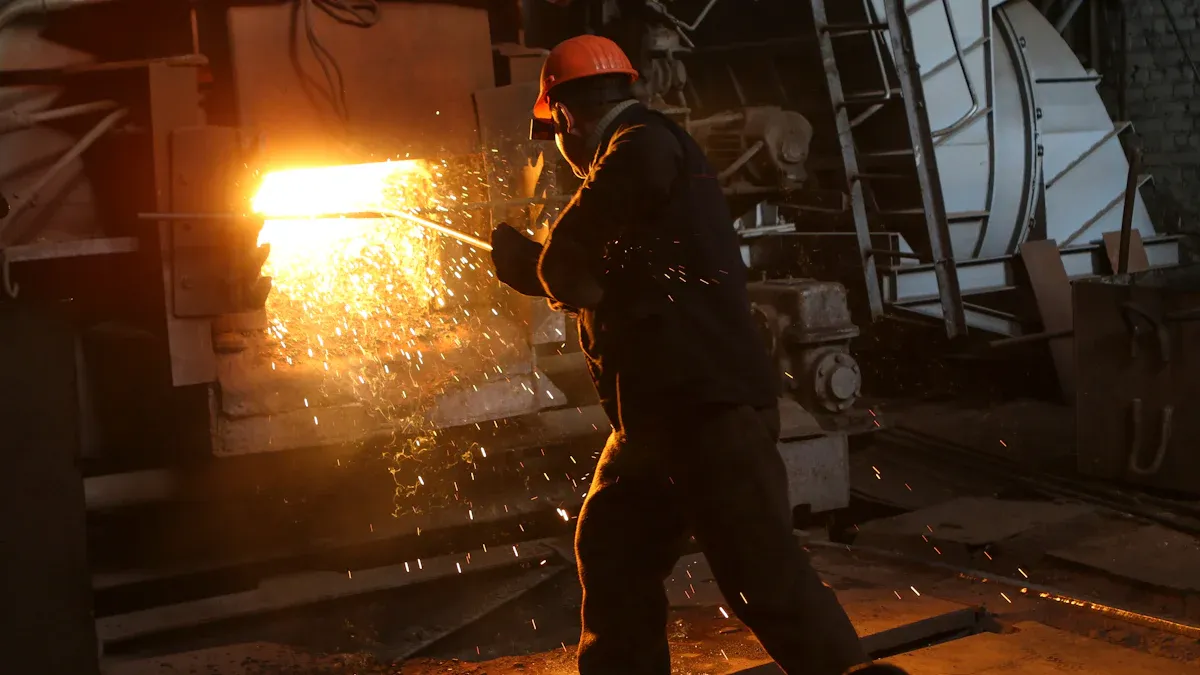
La fundición a la cera perdida se utiliza ampliamente en numerosas industrias. Es ideal para fabricar piezas resistentes y complejas. He aquí algunas industrias que utilizan este proceso:
- Automoción: Fabricación de piezas precisas y formas complejas
- Aeroespacial: Fabricación de piezas ligeras, resistentes y delicadas
- Petróleo y gas: Fabricación de piezas aptas para altas temperaturas y entornos difíciles
- Procesado de alimentos: Fabricación de piezas limpias y funcionales
- Ingeniería general: Aplicada a diversos campos
Las industrias ferroviaria y naval también utilizan la fundición a la cera perdida. Requieren piezas precisas y resistentes. Este proceso es la opción preferida cuando la precisión y la resistencia son fundamentales.
Proceso de fundición a la espuma perdida

Patrón de espuma Uso
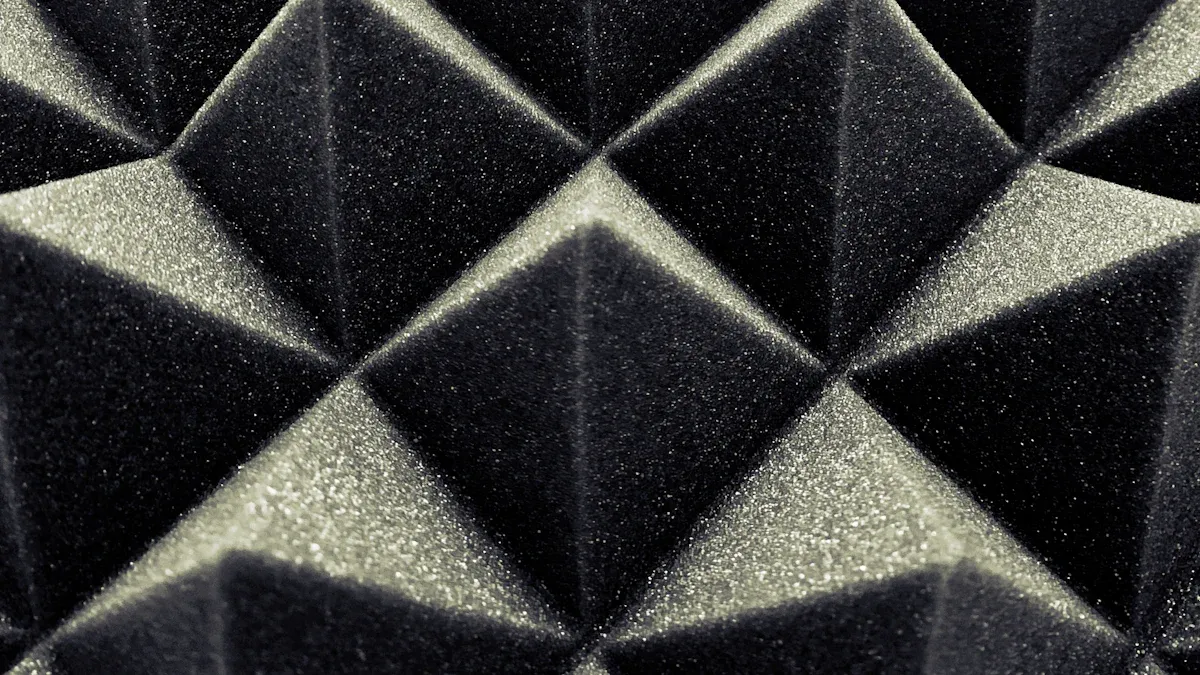
La fundición de espuma perdida comienza con la creación de moldes de espuma. Los trabajadores diseñan los moldes con software CAD. Dan forma a la espuma con máquinas herramienta CNC o impresoras 3D. La mayoría de las fundiciones eligen espuma EPS porque es barata y ligera. La espuma EPS es fácil de moldear y se quema limpiamente. Esto simplifica el proceso de fundición. La espuma XPS es más pesada y tiene una vida útil más larga. Sin embargo, la espuma XPS es más difícil de cortar y reciclar. La siguiente tabla muestra las diferencias entre las espumas EPS y XPS:
| Característica | EPS (poliestireno expandido) | XPS (poliestireno extruido) |
|---|---|---|
| Coste | Baja | Más alto |
| Peso | Más ligero | Más pesado |
| Durabilidad | Más frágil | Más duradero |
| Reciclado | Más fácil | Más difícil |
La espuma EPS suele elegirse porque mantiene bien su forma. También ayuda a los trabajadores a crear piezas precisas.
Preparación de moldes de fundición a la espuma perdida
Después de hacer el molde de espuma, los trabajadores añaden canales de inyección y ventilación. Aplican una lechada especial a la espuma. Esto ayuda a mejorar la resistencia y la suavidad del molde. El molde se coloca en el molde. Los trabajadores lo rellenan herméticamente con arena. La arena de sílice se utiliza mucho por su estabilidad y disponibilidad. A veces, la arena de circonio ayuda a controlar mejor la temperatura. La bentonita ayuda a que la arena se aglutine mejor. En la tabla siguiente se enumeran los materiales utilizados en el molde:
| Tipo de material | Descripción |
|---|---|
| Poliestireno | Ligero, estable y se quema limpiamente. |
| Lodos refractarios | Hace que el molde sea más resistente y liso. |
| Arena de sílice | Común, estable y fácil de conseguir. |
| Arena de circón | Ayuda a controlar el calor y evita que el moho se expanda. |
| Arcilla bentonítica | Hace que la arena se pegue para obtener un molde resistente. |
Estos pasos contribuyen a la producción de piezas precisas y robustas en fundición de espuma perdida.
Aplicaciones de fundición de espuma perdida
La tecnología de fundición de espuma perdida se utiliza ampliamente en numerosas industrias. Los fabricantes de automóviles la utilizan para fabricar bloques y carcasas de motores; las empresas aeroespaciales y de defensa, para fabricar palas y bastidores; los fabricantes de equipos, para fabricar válvulas y bombas; los artistas y arquitectos, para crear esculturas y puertas; y los agricultores, para fabricar motores de tractores y válvulas de riego. La fundición de espuma perdida es flexible y muy precisa, adecuada para una gran variedad de operaciones de fundición.
Consejo: La fundición de espuma perdida es la más adecuada para formas grandes o sencillas. Es especialmente adecuada cuando el coste y la velocidad son fundamentales.
Análisis comparativo de los métodos de fundición a la cera perdida y a la espuma perdida
El análisis comparativo ayuda a ingenieros y diseñadores a elegir el mejor método de fundición. KEMING ofrece tanto el proceso de fundición de espuma perdida como el de moldeo de espuma perdida, proporcionando a los clientes opciones para diferentes operaciones. En esta sección se presentan las principales diferencias entre ambos procesos en cuanto a pasos, herramientas, materiales y costes.
Etapas del proceso
Las etapas de la fundición a la espuma perdida y del moldeo a la espuma perdida difieren. También difieren en los materiales de los modelos utilizados y en el flujo de trabajo. El moldeo a la cera perdida utiliza modelos de cera, mientras que el moldeo a la espuma perdida utiliza modelos de espuma. Estas diferencias afectan al número de pasos del proceso y al riesgo de defectos. La escala de producción y la flexibilidad también difieren.
| Paso | Fundición a la cera perdida | Fundición de espuma perdida |
|---|---|---|
| Materiales modelo | Cera | Poliestireno expandido (EPS) |
| Creación de patrones | Fabricado con molde | Esculpido o ensamblado a partir de bloques de espuma |
| Creación de conchas | Inmersión en lechada cerámica y secado | Recubierto con lechada refractaria y secado |
| Eliminación de patrones | La cera se funde | La espuma se vaporiza durante la fundición |
| Fundición final | Metal fundido vertido en molde de cerámica | El metal fundido llena el vacío dejado por la espuma vaporizada |
La fundición a la cera perdida implica más pasos y requiere un modelado intrincado y la conformación de la carcasa. Este proceso produce piezas muy precisas y lisas. La fundición a la espuma perdida requiere menos pasos y es más rápida y económica para algunos proyectos. El modelo de espuma desaparece durante el vaciado del metal, lo que significa que se necesitan menos pasos para retirar el modelo.
Herramientas y materiales
Los moldes y los materiales influyen en el coste, la escala de producción y la flexibilidad. También afectan a los tipos de metales que pueden utilizarse. La fundición a la cera perdida requiere modelos de cera más complejos y moldes de cerámica. La fundición de espuma utiliza moldes de espuma más sencillos. Esto reduce los costes de los moldes para lotes pequeños y medianos.
| Método de fundición | Complejidad de las herramientas | Coste inicial de utillaje | Compatibilidad de materiales | Limitaciones |
|---|---|---|---|---|
| Fundición a la cera perdida | Más complejos (moldes de cera y cerámica) | Alta para tiradas de gran volumen | Gran variedad de metales y aleaciones | El tamaño del patrón puede limitar el tamaño de la colada |
| Fundición de espuma perdida | Más sencillo (patrones de espuma) | Más bajo para tiradas pequeñas/medianas | Lo mejor para aluminio y hierro fundido | La espuma debe ser compatible con el metal fundido |
La fundición a la cera perdida es adecuada para una gran variedad de metales, como el acero, el bronce y el aluminio. Esto la hace adecuada para muchas industrias. La fundición de espuma se utiliza habitualmente para fundir piezas de aluminio y hierro fundido. El molde de espuma debe ser muy compatible con el metal fundido para evitar problemas.
Comparación de costes
El coste es un factor importante a la hora de elegir un método de fundición. La fundición a la espuma perdida suele tener costes de molde más bajos. El moldeo por inversión (también conocido como moldeo a la cera perdida) tiene unos costes iniciales más elevados, pero puede resultar más económico para la producción en serie debido a su gran precisión y repetibilidad.
| Volumen de producción | Coste de la fundición de espuma perdida | Coste de fundición a la cera perdida |
|---|---|---|
| Pequeñas tiradas (< 100 uds.) | $150-$300 c/u | $250-$500 c/u |
| Tiradas medianas (100-1.000 unidades) | $120-$250 | $100-$200 |
| Grandes volúmenes (> 1.000 unidades) | $100-$200 | $80-$150 |
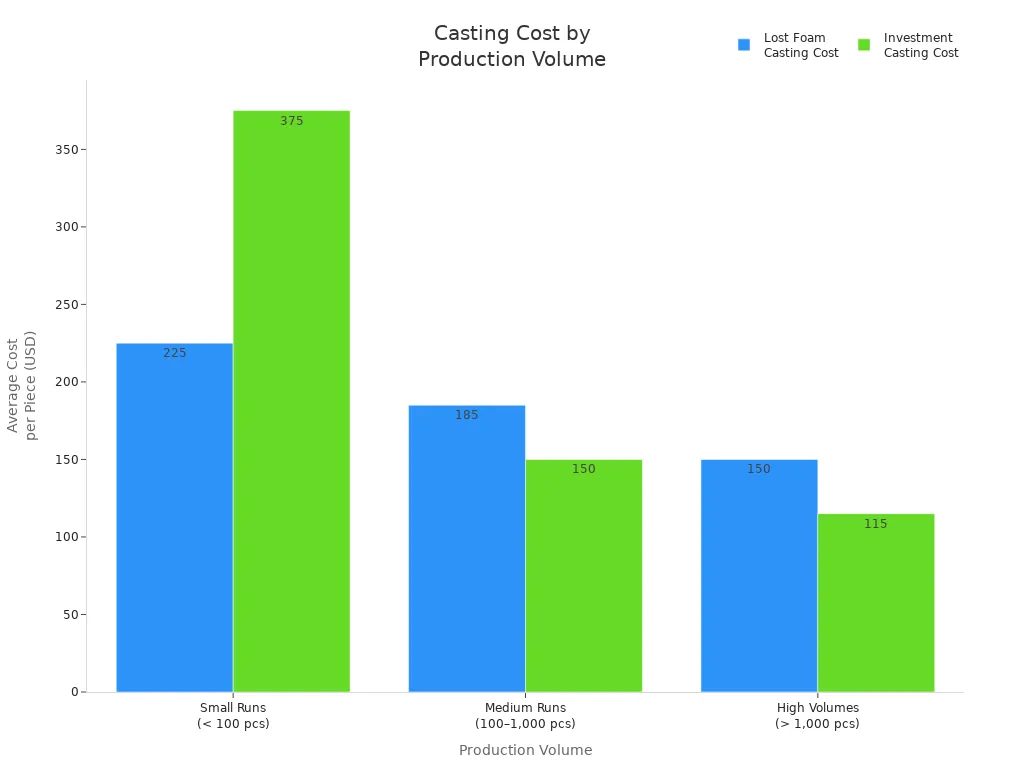
La fundición a la espuma perdida es más económica para la producción de lotes pequeños y medianos. La fundición a la cera perdida es más económica para la producción de lotes pequeños y medianos. Ambos métodos son adecuados para muchas industrias. La elección depende de los requisitos de precisión de las piezas, el número de piezas necesarias y los materiales utilizados.
Nota: KEMING cuenta con excelentes competencias tanto en fundición a la cera perdida como en fundición de espuma, lo que ayuda a los clientes a lograr resultados óptimos. Los clientes pueden elegir una solución de alta precisión o de bajo coste en función de los requisitos del proyecto.
Fundición a la cera perdida y a la espuma perdida Acabado superficial y precisión dimensional
Resultados de la fundición a la cera perdida
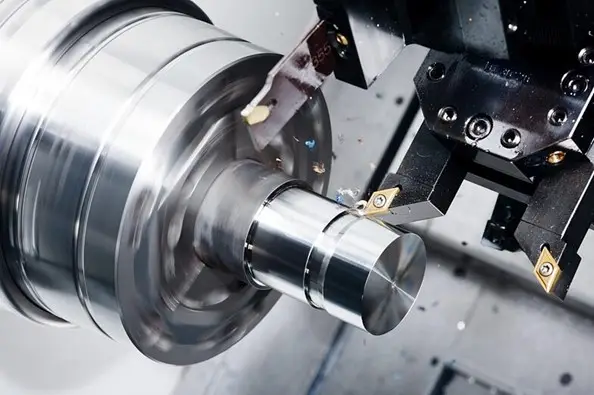
La fundición a la cera perdida es famosa por su altísima precisión. Produce piezas con superficies lisas y detalles nítidos. Muchas empresas eligen este método cuando necesitan piezas de alta precisión. Este proceso puede crear formas complejas y de paredes finas imposibles de conseguir con otros métodos.
- La fundición a la cera perdida puede producir piezas muy precisas y de superficie lisa.
- Puede manejar diseños complejos y paredes delgadas.
- Muchas industrias utilizan la fundición a la cera perdida para fabricar piezas que requieren precisión y resistencia.
Los fabricantes de dispositivos médicos y aeroespaciales utilizan con frecuencia este proceso. Necesitan piezas con ajustes estrechos y aspecto liso. La fundición a la cera perdida les proporciona siempre los mismos resultados excelentes.
Resultados de la fundición de espuma perdida
La fundición a la espuma perdida también proporciona un buen acabado superficial y precisión. Sin embargo, su precisión no es tan alta como la de la fundición a la cera perdida. Este método es adecuado para piezas grandes o situaciones en las que el control de costes es fundamental. El modelo de espuma se quema, eliminando la necesidad de ángulos de desmoldeo. Esto ayuda a crear formas difíciles de conseguir con otros métodos.
La tabla siguiente muestra los resultados esperados de la fundición a la espuma perdida:
| Acabado superficial (Ra μm) | Tolerancia dimensional (%) | Notas |
|---|---|---|
| De 4 a 8 años | ±0,4 a ±1,5 | Utiliza patrones de espuma y arena suelta juntos. |
La fundición en espuma perdida es superior a la fundición en arena húmeda, pero no tan suave y precisa como la fundición a la cera perdida. Consigue un buen equilibrio entre precio y calidad. Muchas empresas la utilizan para piezas que no requieren gran precisión, pero sí un buen rendimiento.
Consejo: Si necesita piezas muy precisas y lisas, el moldeo de espuma perdida es la mejor opción. La fundición de espuma perdida es más adecuada para piezas más grandes o sencillas para ahorrar tiempo y costes.
Puntos fuertes y limitaciones de la fundición a la cera perdida y la fundición a la espuma perdida
Ventajas e inconvenientes de la fundición a la cera perdida
La fundición de espuma perdida es ideal para producir piezas muy lisas y precisas. Muchas empresas recurren a este proceso cuando necesitan piezas de alta calidad. En la tabla siguiente se enumeran las ventajas y limitaciones de la fundición a la cera perdida:
Puntos fuertes de la fundición a la cera perdida:
- Excelente calidad superficial
- Dimensiones precisas
- Formas intrincadas
- Postprocesamiento mínimo
- Ideal para componentes de alta calidad
Limitaciones de la fundición a la cera perdida:
- Mayor probabilidad de contaminación
- Posibilidad de cierres en frío
- Poros de turbulencia
Este método se utiliza mucho en las industrias aeroespacial, automovilística y joyera. Los ingenieros eligen la fundición a la cera perdida cuando necesitan piezas delicadas sin que requieran un procesamiento adicional excesivo. Sin embargo, este método también tiene algunos inconvenientes. A veces, los residuos de cáscaras cerámicas o cera pueden causar contaminación. La escoria y la oxidación también pueden afectar a la calidad de la pieza final. Si el metal tiene poca fluidez, pueden formarse porosidades o cierres fríos.
Nota: La fundición a la cera perdida es ideal para piezas pequeñas y complejas, pero los operarios deben vigilar de cerca el proceso de fundición para evitar defectos.
Ventajas e inconvenientes de la fundición a la espuma perdida
La fundición a la espuma perdida es sencilla de manejar y requiere un trabajo manual mínimo. Muchas fábricas prefieren este proceso porque ahorra tiempo y costes. En la tabla siguiente se enumeran sus principales ventajas y limitaciones:
Ventajas de la fundición de espuma perdida:
- Proceso simplificado
- Reducción de la intensidad de trabajo
- Gran precisión dimensional
- Flexibilidad de diseño
- Buena calidad de fundición
- Colocación eficaz de las bandas
- Facilidad de dominio del proceso
- Baja inversión con resultados rápidos
Desventajas de la fundición de espuma perdida:
- No apto para todos los metales
- Emisiones potencialmente más elevadas (humos orgánicos)
La fundición de espuma perdida permite crear piezas de formas variadas y gran calidad. Es fácil de aprender. Este método es el más adecuado para el aluminio y el hierro fundido. Sin embargo, no es adecuado para todos los metales. También puede producir más humos, por lo que la planta necesita una buena ventilación.
Consejo: Al elegir un proceso, los ingenieros deben tener en cuenta sus ventajas y limitaciones. La mejor elección depende del tamaño, la forma y el material de la pieza.
Elegir el método correcto de fundición a la cera perdida y de espuma perdida
Factores clave de selección
Elegir entre el moldeo a la cera perdida y el moldeo a la espuma perdida es crucial. Los ingenieros tendrán en cuenta el material del molde y el proceso de fabricación del mismo. También es importante el tipo de pieza requerida. En la tabla siguiente se enumeran las diferencias entre estos factores:
| Factor | Fundición a la cera perdida | Fundición de espuma perdida |
|---|---|---|
| Material del patrón | Cera | Espuma (poliestireno) |
| Similitud de procesos | Similar a la fundición a la cera perdida | Similar a la fundición a la cera perdida |
| Creación de moldes | Requiere fundir un patrón de cera | El patrón de espuma se consume durante la fundición |
| Aplicación | Piezas de precisión, diseños complejos | Piezas más grandes, diseños menos intrincados |
Los requisitos del proyecto también son fundamentales. La fundición de espuma perdida es adecuada para piezas grandes y de formas complejas, así como para piezas de tamaño medio y grande. Este método reduce el trabajo de corte y montaje. La fundición a la cera perdida es más adecuada para piezas pequeñas y muy detalladas, especialmente las que requieren una precisión extremadamente alta.
Los ingenieros tendrán en cuenta la dificultad de fabricación de las piezas, así como el número de piezas y los materiales necesarios. KEMING ayuda a sus clientes a tomar decisiones mediante un asesoramiento inteligente y la utilización de nuevas tecnologías. Su equipo utiliza tecnología de escaneado 3D para inspeccionar modelos de espuma y moldes metálicos, garantizando que cada pieza se fabrica con el ajuste perfecto.
Casos de uso en la industria
Los distintos sectores tienen necesidades diferentes. En la tabla siguiente se enumeran los mejores escenarios de aplicación para cada proceso:
| Método de fundición | Casos de uso preferentes | Idoneidad del material | Precisión y acabado superficial | Volumen de producción |
|---|---|---|---|---|
| Fundición de espuma perdida | Piezas grandes y geométricamente sencillas, como bloques de motor y carcasas de bombas. | Aluminio, fundición dúctil para temperaturas normales | Tolerancias de ±0,5-1,0 mm, acabado superficial básico | Producción media-alta |
| Fundición a la cera perdida | Aplicaciones críticas de precisión como componentes aeroespaciales y dispositivos médicos | Aceros inoxidables, superaleaciones, titanio | Tolerancias de ±0,1-0,3 mm, acabado superficial superior | Producción baja-media |
Las empresas de automoción y maquinaria utilizan la fundición a la espuma perdida para fabricar bloques de motor y bombas. Las empresas aeroespaciales y médicas utilizan la fundición a la cera perdida para fabricar piezas con requisitos extremadamente exigentes de ajuste y acabado superficial. Commin puede ofrecer ambos procesos. Ayudan a los clientes de las fábricas a conseguir unos resultados óptimos de fundición.
Consejo: Asegúrese de elegir un proceso que se adapte al tamaño, la forma y el material del proyecto. El equipo de KEMING puede ayudarle a elegir la mejor solución para sus proyectos de fábrica.
La fundición a la cera perdida es la más adecuada para piezas que requieren gran precisión. Muchas empresas la utilizan para fabricar piezas con formas complejas y superficies lisas. En la tabla siguiente se enumeran las razones por las que los ingenieros eligen este método para tareas exigentes:
| Métrica | Valor |
|---|---|
| Acabado superficial | 0,9-1,0 Ra |
| Precisión | Mejor que 0,1 mm |
| Volumen de producción | Moderado |
La fundición a la cera perdida es adecuada para piezas más grandes o más sencillas. Puede ayudar a las fábricas a ahorrar tiempo y costes. A la hora de elegir un proceso de fundición, hay que tener en cuenta el material, el número de piezas necesarias, la complejidad de las piezas y el presupuesto. KEMING ofrece asistencia en cada etapa para garantizar que los clientes eligen el proceso adecuado. Para cualquier consulta, póngase en contacto con el equipo de KEMING.
PREGUNTAS FRECUENTES
¿Cuáles son las principales diferencias entre la fundición a la cera perdida y la fundición de espuma?
La fundición a la cera perdida utiliza patrones de cera y moldes de cerámica. La fundición de espuma utiliza moldes de espuma y moldes de arena. La fundición a la cera perdida produce superficies más lisas y con mayor nivel de detalle. La fundición de espuma es más adecuada para piezas más grandes o sencillas.
¿Qué método de fundición es más adecuado para formas complejas?
La fundición a la cera perdida es la más adecuada para formas complejas. Produce moldes finos y superficies lisas. Muchas industrias eligen este método para fundir piezas con características delicadas o paredes finas.
¿Pueden los dos métodos utilizar los mismos metales?
La fundición a la cera perdida es adecuada para diversos metales, como el acero, el bronce y el aluminio. La fundición de espuma suele ser más adecuada para el aluminio y el hierro fundido. Cada método tiene su compatibilidad específica con los metales.
¿Cómo se comparan los costes de ambos métodos?
La fundición de espuma suele ser menos costosa para la producción de volúmenes pequeños y medianos. La fundición a la cera perdida tiene un coste inicial más elevado, pero es más rentable para la producción de grandes volúmenes.