ES
ES  EN
EN  DE
DE  FR
FR 
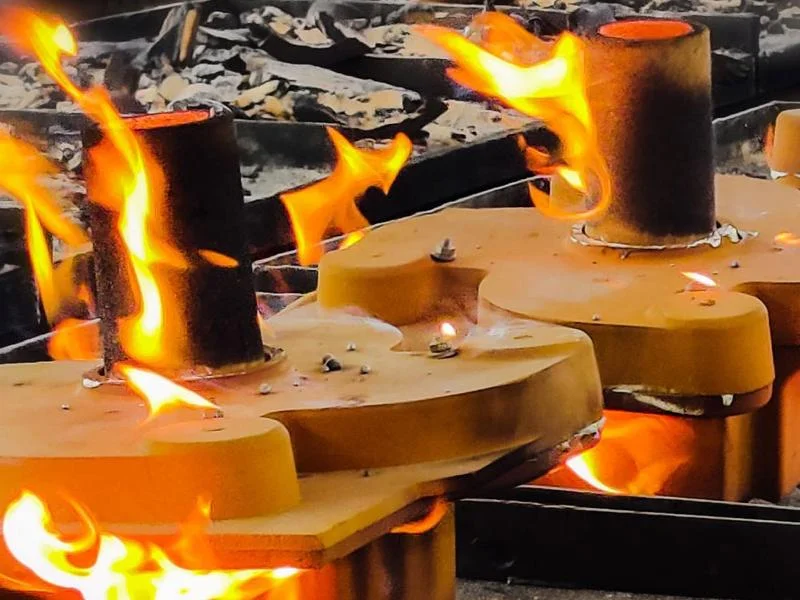
La innovación está transformando fabricación de fundición en arena. Las empresas aprovechan las nuevas tecnologías, como la automatización, para responder a la evolución de la demanda. La industria escucha a sus clientes, responde a la competencia mundial y se compromete a mejorar el medio ambiente. Investigaciones recientes indican que la fabricación aditiva puede reducir los residuos y ahorrar energía. La tabla siguiente ilustra cómo las nuevas tecnologías pueden ayudar a mejorar precisión de colada y alcanzar objetivos medioambientales:
| Tecnología | Beneficio |
|---|---|
| Impresión 3D | Mayor precisión |
| Automatización | Menos residuos |
| Fabricación aditiva | Eficiencia energética |
Los recientes avances en tecnología de fundición en arena han contribuido a aumentar la velocidad de producción, permitir formas más complejas y crear un entorno más limpio. La adopción de nuevas tecnologías proporciona a las empresas una importante ventaja competitiva.
Principales conclusiones
- Las innovaciones en fundición en arena utilizan tecnologías como la impresión 3D y la automatización, que ayudan a mejorar la velocidad y la precisión de la producción. Los clientes exigen productos de mayor calidad, por lo que los fabricantes se comprometen a mejorar la calidad y la eficiencia de los productos y a hacer un mayor uso de las herramientas digitales. La protección del medio ambiente es primordial. Las empresas se esfuerzan por reducir el consumo de energía y los residuos. Los datos ayudan a las fundiciones a identificar y resolver rápidamente los problemas. También pueden reaccionar rápidamente cuando cambia el mercado. La tecnología de impresión en arena 3D permite crear rápidamente formas complejas y probar ideas, ahorrando tiempo y materiales.
Impulsores de la innovación en la fundición en arena
Demandas de los clientes y tendencias del mercado
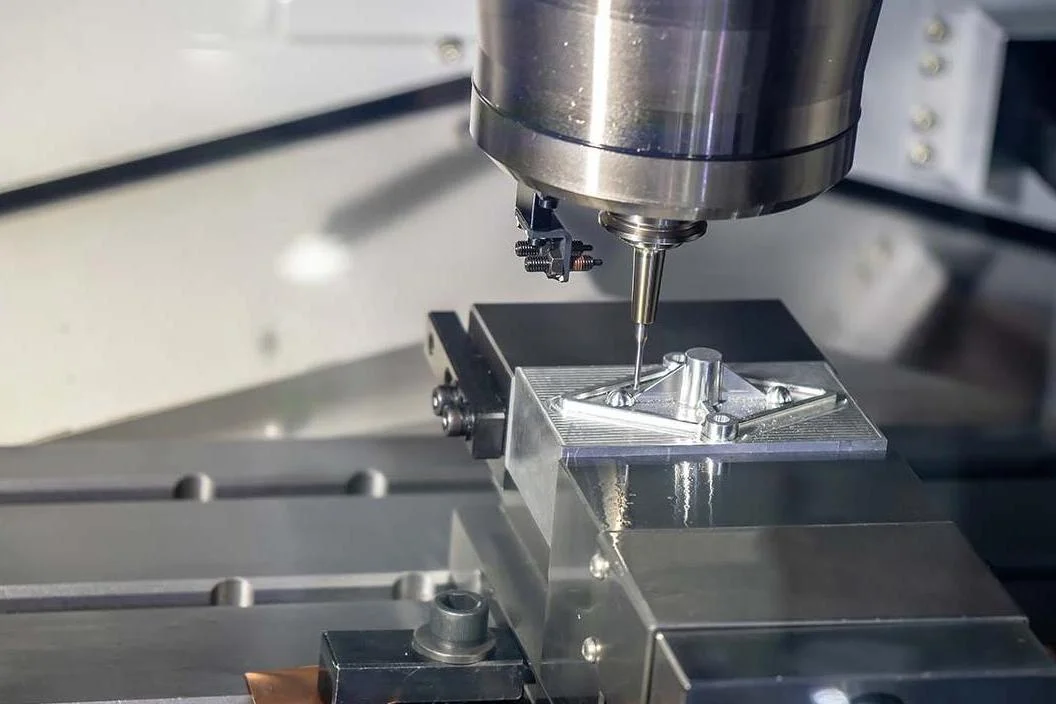
Los fabricantes se han dado cuenta de que los clientes quieren mejores productos. Los clientes que compran piezas metálicas exigen una precisión extremadamente alta, crucial para industrias como automoción y aeroespacial. Las empresas también quieren plazos de entrega más rápidos y una mayor eficiencia. Muchas aprovechan la automatización y las herramientas digitales para conseguirlo. El software de modelado y simulación de moldes CNC hace que la producción sea más precisa y rápida. La integración digital y los procesos impulsados por la inteligencia artificial están transformando el sector de la fundición en arena. Los países emergentes están impulsando el crecimiento del mercado, haciendo especial hincapié en la protección del medio ambiente.
- Los clientes quieren piezas fabricadas con una calidad superior.
- La automatización y las herramientas digitales ayudan a las empresas a mejorar su eficiencia.
- El software de modelado y simulación de moldes CNC hace que la producción sea más precisa.
- Los países emergentes impulsan la expansión del mercado.
- La protección del medio ambiente es primordial.
KEMING satisface estas demandas mediante un riguroso control de calidad y métodos de producción flexibles. Sus servicios de fundición de precisión se adhieren a estrictas especificaciones y atienden a las necesidades de cada cliente.
Presiones competitivas y globalización
La globalización conlleva tanto retos como oportunidades. Las empresas tienen que hacer frente a los problemas de la cadena de suministro, como los aranceles y la congestión portuaria, así como a los retos que plantea el panorama internacional. Muchas grandes empresas quieren ahora llevar a cabo la fundición más cerca de casa. Las empresas locales pueden tener ventaja a corto plazo, pero para triunfar a escala mundial deben adoptar nuevas tecnologías y cumplir la normativa sobre emisiones.
| Factor | Descripción |
|---|---|
| Interrupciones en la cadena de suministro | Las tarifas y la congestión portuaria han llevado a las empresas a buscar servicios de fundición locales. |
| Avances tecnológicos | La fundición automatizada y digital ha agilizado y flexibilizado los procesos de producción. |
| Dinámica competitiva | Ganar depende de la tecnología, la escala y el cumplimiento de la normativa sobre emisiones. |
KEMING mantiene su posición de liderazgo adquiriendo nuevos equipos y formando a su plantilla. Su capacidad de adaptación les ayuda a mantener una ventaja en el mercado internacional.
Objetivos de sostenibilidad y medio ambiente
La sostenibilidad es primordial en la fundición de arena. Las empresas se comprometen a reducir los residuos y conservar la energía. Muchas utilizan sistemas especializados para evaluar su eficacia. La reutilización de materiales y la mejora del diseño ayudan a proteger el planeta. La arena puede reutilizarse varias veces, lo que hace que el proceso sea ideal para el reciclaje. Estas iniciativas contribuyen a un futuro neutro en carbono y dan lugar a piezas más ligeras y menos voluminosas.
- Reducir los residuos y conservar la energía son claves.
- Los sistemas especializados ayudan a hacer un seguimiento de los objetivos ecológicos.
- La reutilización de materiales y arena está muy extendida.
- Un diseño mejorado significa menos piezas y menos residuos.
KEMING es pionera en métodos ecológicos y herramientas energéticamente eficientes. Su enfoque medioambiental no solo beneficia a sus clientes, sino también al planeta.
Avances en la tecnología de fundición en arena
Automatización y control de procesos
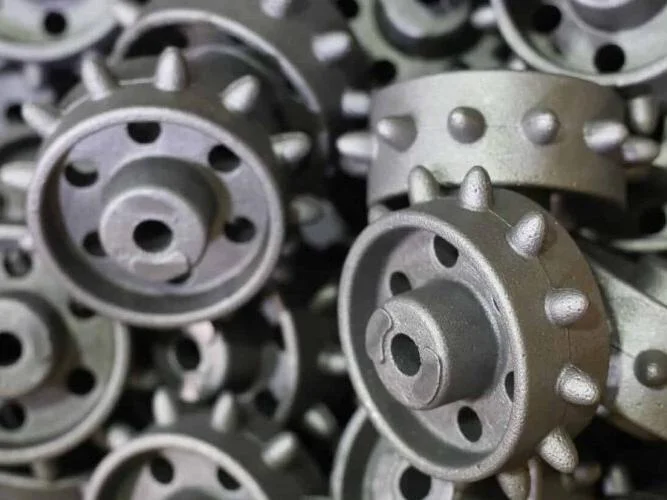
Hoy en día, las fundiciones de arena emplean nuevos sistemas de automatización y control de procesos. Estos sistemas ayudan a las empresas a fabricar piezas con mayor precisión. Las líneas de moldeo automatizadas dan forma meticulosamente a cada molde. Los robots limpian las piezas fundidas para cumplir normas de alta calidad. Las máquinas de machos crean machos robustos y precisos para cada pieza fundida. El escaneado láser inspecciona las piezas acabadas con imágenes claras en 3D, garantizando que cada producto cumpla los requisitos de diseño.
- Las avanzadas líneas de moldeo contribuyen a mejorar la precisión de los moldes.
- Los robots se encargan de la limpieza de las piezas, manteniendo una alta calidad.
- Las máquinas de fabricación de machos crean machos robustos y precisos.
- El escaneado láser proporciona imágenes 3D nítidas para una inspección de calidad.
La supervisión en tiempo real es crucial para estas mejoras. Los trabajadores pueden identificar y resolver los problemas en una fase temprana. La automatización de la mezcla de arena y el vertido robotizado también ayudan a mejorar la eficacia y reducir los errores. Estas nuevas herramientas aumentan la productividad, mejoran la calidad del producto y reducen los errores.
Optimización basada en datos
La optimización basada en datos está transformando el funcionamiento de las fundiciones. Los modelos de aprendizaje automático analizan grandes cantidades de datos de procesos y descubren patrones que el ojo humano podría pasar por alto, lo que ayuda a los equipos a cortar de raíz los defectos antes de que se produzcan. La supervisión en tiempo real proporciona información rápida, lo que permite a los trabajadores ajustar la configuración de inmediato.
Este enfoque produce piezas más cualificadas, reduce los residuos y ahorra costes al minimizar la chatarra y las repeticiones. Las empresas que adoptan la optimización basada en datos superan a las que utilizan métodos tradicionales. Pueden responder con rapidez a los cambios en la demanda o en la calidad de los materiales, lo que les proporciona una ventaja competitiva.
Simulación e integración CAD
Las herramientas de simulación y modelado han revolucionado el diseño de la fundición en arena. El software de simulación permite a los ingenieros comprender todo el proceso de fundición antes de la producción real, observando el flujo y el endurecimiento del metal dentro del molde. Esto les ayuda a identificar y resolver problemas con antelación, ahorrando tiempo y costes.
- El software de simulación contribuye a producir piezas fundidas de mayor calidad con menos errores.
- La tecnología CAD permite a los ingenieros crear modelos 3D precisos, lo que se traduce en mejores diseños.
- Los ingenieros pueden probar y modificar rápidamente los diseños en un ordenador.
- CAD facilita una mejor comunicación en equipo, lo que agiliza el trabajo.
La simulación y el modelado suponen menos cambios costosos en los moldes. Los ingenieros pueden hacer modificaciones en un ordenador sin estar físicamente en la fábrica. De este modo, la producción es más rápida y menos costosa. El uso combinado de tecnologías CAD y de simulación significa que toda fundición comienza con un buen diseño. Ahora las empresas pueden fabricar formas que antes eran difíciles de producir. Estas nuevas herramientas ayudan a las empresas a fabricar mejores productos con mayor rapidez.
Las empresas que utilizan estas nuevas herramientas están a la cabeza del sector. Son capaces de lograr una mayor calidad, menores costes y una finalización más rápida de los trabajos. La supervisión en tiempo real, la optimización basada en datos y las herramientas de simulación marcan una nueva pauta de éxito.
Impresión 3D en arena y fabricación aditiva
Moldes de arena impresos en 3D
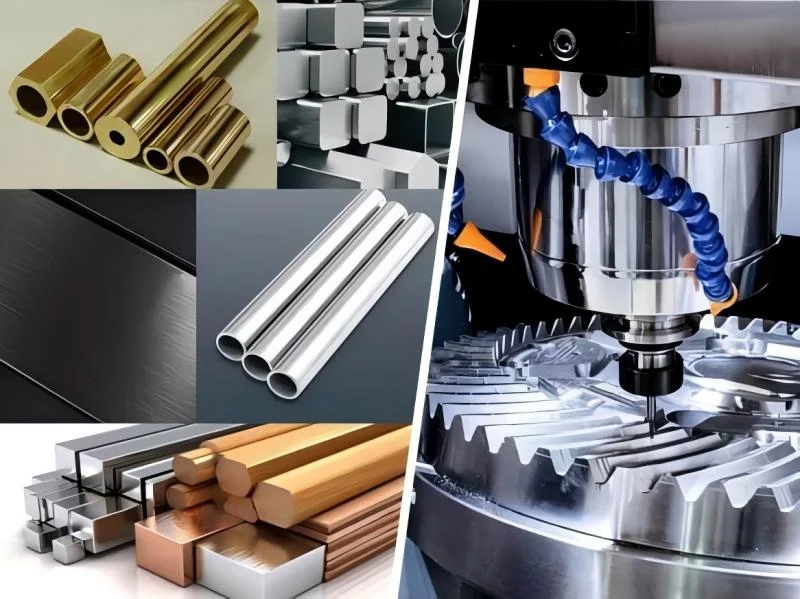
La impresión de arena en 3D está revolucionando la fabricación de moldes en las fundiciones. Esta tecnología permite a las empresas crear moldes de arena de una gran variedad de formas nuevas. Ahora los ingenieros pueden crear fácilmente chaflanes y paredes finas. La impresión 3D ayuda a las fundiciones a crear formas complejas para la fundición en arena en tan solo unos días. Ya no tienen que esperar a tener moldes antiguos. Esto significa que pueden trabajar más rápido y cambiar los diseños con rapidez. La impresión 3D en arena también facilita la fabricación de piezas metálicas delicadas. Esto ahorra tiempo y dinero a los equipos de fabricación.
| Ventaja | Descripción |
|---|---|
| Libertad de diseño | Realice modificaciones digitales con facilidad y precisión para manejar diseños complejos. |
| Costes reducidos | No se necesitan moldes caros, lo que ahorra dinero a las empresas. |
| Entrega rápida | El tiempo de fabricación de moldes se reduce de semanas a horas. |
| Mejora de la eficiencia | Todos los proyectos pueden completarse de forma más rápida y económica. |
| Reducción del desperdicio de material | Los materiales sobrantes pueden reutilizarse, lo que reduce los residuos. Los planos de diseño se almacenan en el ordenador. |
Ventajas del prototipado rápido
La fabricación aditiva con tecnología de impresión 3D en arena mejora notablemente la eficacia de la creación rápida de prototipos. Los equipos pueden probar rápidamente nuevas ideas y ver los resultados en sólo unos días. No tienen que esperar semanas para obtener nuevos moldes. Esta ventaja de velocidad ayuda a las empresas a resolver antes los problemas y a lanzar productos más rápidamente. Los métodos de fabricación aditiva también ahorran costes porque eliminan la necesidad de moldes tradicionales. Las empresas pueden hacer modificaciones y volver a probar en cualquier momento sin ralentizar la producción.
- Opciones de diseño más complejas
- Pruebas rápidas antes de la producción en serie de piezas
- Importante ahorro de costes con menos moldes
- Mayor velocidad de producción para acelerar la entrega de productos a los clientes
- Reducción de residuos, en beneficio de la protección del medio ambiente
Flexibilidad de diseño y reducción del plazo de entrega
La impresión en arena 3D ofrece más opciones de diseño que nunca. Los ingenieros pueden hacer formas que antes eran demasiado difíciles o caras. Pueden cambiar los diseños en el ordenador e imprimir nuevos moldes de inmediato. Esto reduce los tiempos de espera de semanas a sólo días. La fabricación aditiva elimina muchos pasos antiguos, por lo que los equipos pueden cambiar las cosas rápidamente. Las empresas generan menos residuos y consumen menos energía, lo que ayuda al planeta. Una fundición alemana produjo 40% menos de arena residual y utilizó 25% menos de energía. Fabricar en más lugares también reduce los costes de transporte y la contaminación.
La impresión 3D en arena está abriendo camino en la fabricación moderna. Ayuda a las empresas a trabajar más rápido, hacer cosas mejores y cuidar el planeta. Las empresas que utilizan esta tecnología están a la cabeza de la innovación en fundición en arena.
Materiales y sostenibilidad en la fundición en arena
Aglutinantes ecológicos y arenas reciclables
Hoy en día, las fundiciones eligen aglutinantes y arenas más respetuosos con el medio ambiente. Utilizan aglutinantes orgánicos fabricados a partir de sustancias como el almidón y el azúcar. Estos aglutinantes producen menos contaminación, lo que ayuda a mantener limpio el aire. Como estos materiales no son tan nocivos como los antiguos, también son más seguros para los trabajadores. Los aglutinantes de arena orgánicos funcionan de muchas maneras. Proceden de recursos renovables, por lo que son buenos para el planeta. Refuerzan los moldes y reducen el polvo, lo que facilita el reciclado. También ayudan a las fundiciones a crear piezas más detalladas y a que los moldes se separen mejor, reduciendo los errores.
- Utilizan materiales renovables, lo que las hace más respetuosas con el medio ambiente.
- Los moldes son más resistentes y producen menos polvo, lo que facilita el reciclado.
- Las piezas moldeadas pueden tener más detalles y los moldes son más fáciles de desmoldar, lo que da lugar a menos problemas.
La fundición en arena verde permite a las fundiciones reutilizar la misma arena varias veces. Esto ahorra costes y reduce los residuos. También ayuda a las empresas a adaptarse rápidamente cuando se necesitan piezas o metales diferentes.
Tecnologías de hornos energéticamente eficientes
La tecnología de hornos de bajo consumo ayuda a las fundiciones a ser más respetuosas con el medio ambiente. Las fundiciones están adoptando nuevos métodos de calentamiento de metales, como el calentamiento por inducción y el calentamiento por plasma. Estos sistemas calientan los metales rápidamente y mantienen temperaturas precisas. Elegir el mejor horno y utilizar buenos materiales aislantes evita el derroche de energía, con el consiguiente ahorro de costes.
| Tipo de tecnología | Descripción |
|---|---|
| Tecnologías avanzadas de calefacción | El calentamiento por inducción y plasma permite un calentamiento rápido y preciso. |
| Reducción de residuos energéticos | Unas velocidades de calentamiento más rápidas y un mejor control se traducen en un menor derroche de energía. |
| Impacto de la eficiencia del horno | El cuerpo del horno y los materiales aislantes utilizados influyen en la cantidad de energía necesaria. |
Estos cambios ayudan a las fundiciones a cumplir la estricta normativa sobre contaminación, protegiendo así el medio ambiente.
Sistemas de recuperación de arena
Las fundiciones modernas utilizan sistemas especializados de reciclado de arena. Estos sistemas pueden limpiar y reutilizar la arena más de treinta veces. Esto significa que se envía menos arena a los vertederos y se reduce la necesidad de arena nueva. Un reciclaje de arena más eficiente también ahorra costes y ayuda a proteger el planeta.
- Los sistemas de circuito cerrado reducen la generación de residuos, con el consiguiente ahorro de costes.
- Los aglutinantes inorgánicos y los nuevos agentes desmoldeantes reducen las emisiones nocivas.
- Los costes de vertido aumentan constantemente, lo que hace aún más importante la reducción de residuos.
Las nuevas normativas obligan a las fundiciones a adoptar métodos de producción más respetuosos con el medio ambiente. Al cumplir estas normativas, las empresas demuestran su compromiso con el planeta y se sitúan a la vanguardia de las prácticas de producción seguras.
Aplicaciones industriales y beneficios cuantificables
Automoción y aeroespacial
Las industrias automovilística y aeroespacial requieren componentes robustos y duraderos de alta calidad. Estos componentes deben poder funcionar con fiabilidad en entornos difíciles. La tecnología avanzada de fundición en arena permite fabricar piezas de acero para motores y bastidores. Estas piezas son resistentes pero ligeras. Las piezas más ligeras ayudan a los coches y aviones a ahorrar combustible y contribuyen a cumplir las normas de seguridad. KEMING utiliza la tecnología de fundición en arena para personalizar las piezas de cada proyecto.
| Beneficio | Descripción |
|---|---|
| Relación coste-eficacia | La avanzada tecnología de fundición en arena reduce los costes de fabricación. |
| Adaptabilidad | Se pueden fabricar formas complejas para una gran variedad de piezas de automoción y aeroespaciales. |
| Reducción de peso | Las piezas de acero más ligeras mejoran la eficiencia del combustible. |
| Eficacia del combustible | Los vehículos más ligeros consumen menos combustible, lo que ahorra costes y reduce las emisiones. |
- La empresa puede proporcionar presupuestos precisos.
- Se mejora la calidad del producto.
- Se reducen los costes de diseño.
- Las piezas se fabrican más rápido.
- Aumenta la rentabilidad de la empresa.
Las empresas aeroespaciales necesitan piezas de acero fundido más lisas y precisas. Esto es crucial para la seguridad y el rendimiento. El uso de materiales de moldeo en arena ecológicos reduce los residuos y protege el medio ambiente.
Construcción y minería
Las industrias de la construcción y la minería necesitan piezas duraderas. La tecnología de fundición en arena puede producir piezas de acero y hierro para bombas y herramientas. Las nuevas aleaciones y las tecnologías de control más avanzadas hacen que estas piezas sean más resistentes y duraderas. La automatización ayuda a garantizar la consistencia de las piezas. Los nuevos materiales para moldes pueden reducir los defectos.
- Las aleaciones ligeras y los nuevos materiales ayudan a mejorar el rendimiento de las máquinas.
- La automatización agiliza el trabajo y lo hace más coherente.
- La moderna tecnología de moldes produce piezas mejores.
- La investigación continua mejora constantemente los materiales.
La empresa KEMING puede fabricar piezas de acero resistentes y duraderas para estas industrias.
Producción personalizada y de pequeños lotes
Ahora, producir piezas personalizadas en lotes pequeños es más fácil y económico. La tecnología de impresión 3D facilita la fabricación rápida de moldes. Las empresas pueden modificar rápidamente los diseños y producir bajo demanda, ahorrando tiempo y reduciendo los residuos. Esto también ayuda a aprovechar mejor los materiales.
- El diseño asistido por ordenador permite modificar el diseño con rapidez.
- Las empresas producen piezas bajo demanda, lo que reduce los residuos.
- Los materiales se utilizan de forma eficiente, reduciendo las pérdidas.
KEMING ofrece servicios flexibles de fundición para proyectos especiales. Su experiencia en fundición de acero significa que cada cliente recibe las piezas adecuadas, independientemente de la cantidad.
Las empresas que adoptan la tecnología avanzada de fundición en arena obtienen una ventaja competitiva. Pueden fabricar mejores productos, ahorrar costes y proteger el medio ambiente.
| Sector | Descripción de la aplicación |
|---|---|
| Automoción | Fabrica piezas de motor ligeras y resistentes para mejorar los coches y el consumo de combustible. |
| Aeroespacial | Construye piezas resistentes y complejas, como álabes de turbina, para mayor seguridad. |
| Marina | Fabrica piezas para barcos que no se oxidan con el agua de mar. |
| Ferrocarril | Fabrica piezas de tren resistentes y exactas para cargas pesadas. |
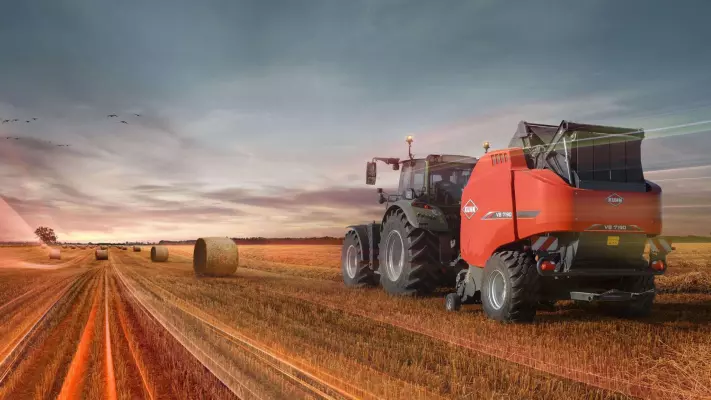
| Agricultura | Fabrica piezas resistentes para máquinas agrícolas que duran en el exterior. |
| Médico | Fabrica piezas seguras para instrumentos quirúrgicos e implantes con superficies lisas. |
En los últimos años, la tecnología de fundición en arena ha avanzado considerablemente. Las empresas utilizan la impresión 3D y tecnologías de control en tiempo real para producir piezas de mayor calidad. También utilizan la tecnología de reciclado de arena para reutilizarla y reducir los residuos. Estas nuevas tecnologías ayudan a ahorrar energía y mejorar la calidad del producto. Cada vez más empresas optan por la arena ecológica porque es más respetuosa con el medio ambiente. Los expertos predicen que las tecnologías de simulación digital y automatización se utilizarán más en el futuro. Los nuevos materiales también ayudarán a producir piezas de fundición de mayor calidad. Para tener éxito, las empresas deben elegir socios con tecnología avanzada y estrictos sistemas de control de calidad. KEMING ofrece soluciones avanzadas de fundición para ayudar a las empresas a crecer y afrontar los retos del futuro.