DE
DE  EN
EN  ES
ES  FR
FR 
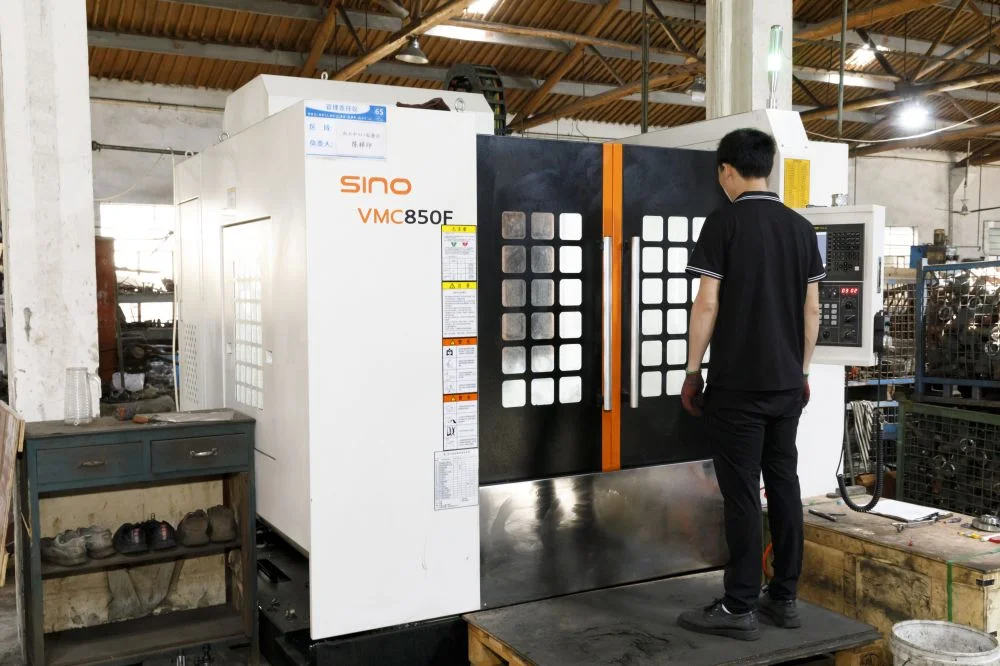
CNC-Drehen ist ein Verfahren, das Rohmaterialien in präzise, runde Teile umwandelt. Die meisten Menschen verstehen unter CNC-Drehen eine Methode zur Herstellung von Präzisionsteilen mithilfe einer computergesteuerten Drehmaschine. Diese subtraktives Fertigungsverfahren entfernt mit Hilfe einer automatisch betriebenen Werkzeugmaschine Material von einem Werkstück. Viele Branchen nutzen CNC-Drehen aufgrund seiner hohen Genauigkeit und Konsistenz. KEMING ist ein zuverlässiger Anbieter von CNC-Dreh- und Präzisionsguss Dienstleistungen.
Wichtigste Erkenntnisse
- Beim CNC-Drehen werden Rohmaterialien in präzise, runde Teile verwandelt. Dazu wird eine computergesteuerte Drehmaschine verwendet. Der Prozess umfasst mehrere Schritte, darunter Entwurf, Materialauswahl, Bearbeitung und Teileprüfung. Diese Schritte gewährleisten die Qualität und Genauigkeit der Teile. CNC-Drehen ist ideal für Unternehmen der Automobil- und Luftfahrtindustrie und kann zur Herstellung von Teilen wie Wellen, Buchsen und Verbindungsstücken verwendet werden. Die Verwendung hochwertiger Materialien wie Metalle und Kunststoffe kann die Leistung und Lebensdauer der Teile verbessern. CNC-Drehen ist schnell und gleichmäßig, was es zu einer kosteneffizienten Methode für die Herstellung von Teilen in großen Stückzahlen macht.
Überblick über den CNC-Drehprozess
So funktioniert CNC-Drehen
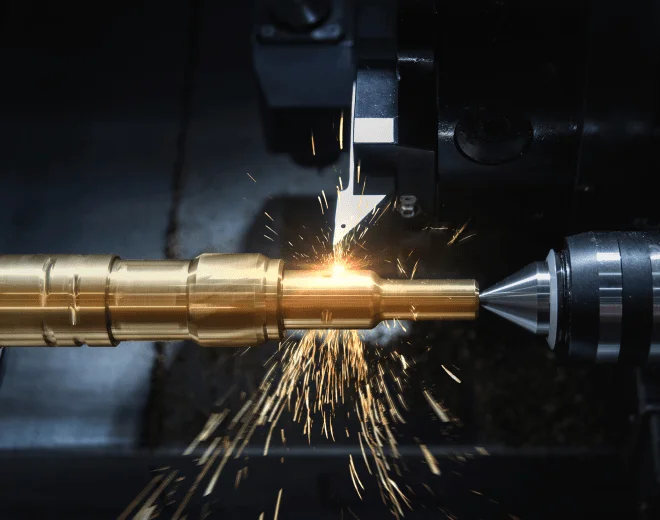
Beim CNC-Drehen kommt eine computergesteuerte Drehmaschine zum Einsatz. Die Maschine spannt ein massives Werkstück ein und dreht es mit hoher Geschwindigkeit. Ein Schneidwerkzeug bewegt sich über die Oberfläche des Werkstücks und trägt Material ab. Da bei diesem Verfahren Material abgetragen wird, bezeichnet man es als subtraktive Fertigung. Bei diesem Verfahren fallen Späne und Abfallmaterial an, aber es ermöglicht eine hohe Präzision und Wiederholbarkeit.
Die Bediener programmieren die CNC-Drehmaschine mit G-Code. Das Programm gibt der Maschine die Drehzahl und die Position des Schneidwerkzeugs vor und steuert den Werkzeugwechsel. Die Automatisierung trägt dazu bei, Fehler zu reduzieren und gewährleistet, dass jedes Teil das gleiche Aussehen hat. Das CNC-System kann Programme speichern, so dass die Fabriken die gleichen Teile mehrfach herstellen können.
KEMING verwendet moderne CNC-Maschinen, um präzise und gleichmäßige Bearbeitungsergebnisse zu gewährleisten. Die Mitarbeiter halten sich an die Sicherheitsvorschriften, wie das Tragen von Schutzkleidung und die Überprüfung der Maschinen vor dem Betrieb. Sie sorgen für einen sauberen Arbeitsbereich und verwenden Schutzvorrichtungen, um die Sicherheit des Personals zu gewährleisten.
Tipp: Computergesteuerte Systeme helfen den Herstellern, enge Toleranzen und glatte Oberflächen zu erzielen, was das CNC-Drehen ideal für Branchen macht, die zuverlässige Teile benötigen.
CNC-Drehen Grundlegende Schritte im Prozess
Das CNC-Drehverfahren umfasst mehrere Schritte zur Herstellung eines fertigen Teils. Jeder Schritt baut auf dem vorhergehenden auf, um Qualität und Genauigkeit zu gewährleisten.
- Entwurf und Programmierung: Die Ingenieure entwerfen das Teil mit Hilfe von CAD-Software. Sie setzen den Entwurf in CNC-Programme um, die zur Steuerung der Werkzeugmaschinen verwendet werden.
- Materialauswahl: Das Team wählt auf der Grundlage der Anwendung des Teils die besten Materialien aus. In der Regel werden Metalle wie Kohlenstoffstahl, rostfreier Stahl und Eisen verwendet.
- Einrichten der Maschine: Die Bediener laden das Rohmaterial in die Drehmaschine und stellen die Schneidwerkzeuge ein. Sie prüfen, ob alle Komponenten ausgerichtet sind und bereiten die Maschine vor.
- Grobbearbeitung: Die Maschine trägt eine große Menge an Material ab, um die Grundform zu formen.
- Endbearbeitung: Präzisere Werkzeuge geben dem Teil seine endgültigen Abmessungen und eine glatte Oberfläche. Dieser Schritt gewährleistet genaue Abmessungen des Teils.
- Inspektion: Die Arbeiter messen und prüfen die Teile, um sicherzustellen, dass sie den Konstruktionsanforderungen entsprechen.
- Nachbearbeiten: Einige Teile erfordern vor der Verwendung zusätzliche Schritte, wie z. B. die Reinigung oder Beschichtung.
Die technologischen Vorteile von KEMING in den Bereichen CNC-Drehen und Präzisionsguss ermöglichen die Herstellung von Teilen, die internationalen Standards entsprechen. Der Produktionsprozess umfasst eine sorgfältige Planung, präzise Bearbeitung und strenge Kontrollen, um die Produktqualität zu gewährleisten.
Hinweis: Jeder Schritt im CNC-Drehprozess ist entscheidend für die Herstellung von robusten, langlebigen und qualitativ hochwertigen Teilen für Branchen wie die Automobil-, Bau- und Bergbauindustrie.
CNC-Drehen - Arbeitsgänge und Maschinen
Allgemeine Dreharbeiten
Beim CNC-Drehen werden die Teile in verschiedenen Schritten geformt. Jeder Schritt hat seine eigene Funktion. Diese Schritte helfen bei der Herstellung von Teilen mit den richtigen Abmessungen. Die Bediener wählen die besten Bearbeitungsschritte für jedes Teil aus.
- Gegenüberstellung: Das Werkzeug bewegt sich über die Stirnfläche des Teils. Dadurch wird die Stirnfläche abgeflacht und die Länge des Teils verkürzt. Durch das Plandrehen wird sichergestellt, dass die Stirnfläche einen rechten Winkel bildet.
- Drehen: Das Werkzeug schneidet entlang der Seite des Werkstücks. So entstehen gerade, konische oder gebogene Formen. Das Drehen wird für die Bearbeitung von wellenförmigen Teilen usw. verwendet.
- Rillen: Das Werkzeug schneidet eine schmale Nut in das Teil. Das Nutenfräsen ermöglicht die Kontrolle über die Tiefe und Breite der Nut. Dies ist für Teile wie O-Ringe geeignet.
- Gewindeschneiden: Das Werkzeug bewegt sich seitlich, während sich das Teil dreht. Dadurch entsteht eine schraubenförmige Rille, die als Gewinde bezeichnet wird. Das Gewindeschneiden ist für Befestigungselemente mit Gewinde erforderlich.
- Langweilig: Das Werkzeug vergrößert ein Loch im Inneren des Teils. Das Bohren hilft dabei, den richtigen Lochdurchmesser zu erreichen.
- Bohren: Das Werkzeug bohrt ein Loch in die Mitte des Teils. Das Bohren wird für Motorblöcke und andere Teile verwendet.
- Rändeln: Das Werkzeug drückt ein Muster auf die Außenfläche des Teils. Die Rändelung verbessert die Griffigkeit des Teils und verleiht ihm ein ästhetisch ansprechendes Aussehen.
- Klopfen: Ein Schneidewerkzeug wird zur Bearbeitung von Gewinden im Inneren einer Bohrung verwendet. Gewindeschneiden wird in mechanischen und elektronischen Geräten verwendet.
Tipp: CNC-Drehen kann Teile sehr genau herstellen, etwa ±0,005″ (0,13 mm). Bei Bedarf können die Mitarbeiter die Teile sogar noch genauer herstellen.
| Operation | Beschreibung | Eigenschaften | Anwendungen |
|---|---|---|---|
| Einfädeln | Schneiden von spiralförmigen Nuten in zylindrische Teile. | Innen- oder Außengewinde; verschiedene Formen. | Wird für Befestigungselemente und Verbinder verwendet. |
| Anzapfen | Bearbeitung von Gewinden im Inneren einer Bohrung. | Präzise Gewindeabmessungen; geeignet für verschiedene Materialien. | Wird in mechanischen und elektronischen Geräten verwendet. |
| Wenden | Schneiden von Material in eine kreisförmige Form. | Sie können gerade, spitz zulaufende oder gebogene Formen haben. | Wird für Wellen und Buchsen verwendet. |
| Gegenüber | Schneiden der Stirnseite, um eine ebene Fläche zu schaffen. | Bringen Sie das Teil auf die richtige Länge. | Wird für Flansche und Zahnräder verwendet. |
| Bohren | Vergrößerung eines Lochs oder Hohlraums. | Liefert präzise Lochabmessungen. | Wird für Motorteile verwendet. |
| Bohren | Bohren eines Lochs an einer zentralen Stelle. | Die Größe der Löcher kann variieren. | Wird für Motorblöcke usw. verwendet. |
| Nuten | Schneiden feiner Linien auf einer Oberfläche. | Steuert die Tiefe und Breite der Linien. | Wird für Dichtungen und Hydraulikteile verwendet. |
| Rändeln | Erstellen eines groben Musters auf einer äußeren Oberfläche. | Es kann sich um schraffierte oder diagonale Linien handeln. | Erhöht die Griffigkeit und dient der Ästhetik. |
CNC-Drehmaschinen und -Werkzeuge
CNC-Drehmaschinen sind für Dreharbeiten unerlässlich. Diese Maschinen halten und rotieren das Teil. Die Schneidwerkzeuge formen das Teil, während es sich dreht. Verschiedene Arten von CNC-Drehmaschinen werden für unterschiedliche Bearbeitungsaufgaben eingesetzt.
- Horizontale CNC-Drehmaschinen werden zum Drehen und Bohren verwendet. Viele Fabriken verwenden sie.
- Vertikale CNC-Drehmaschinen halten das Teil vertikal. Sie sind für große oder unregelmäßig geformte Teile geeignet.
- Horizontale Drehzentren können Drehen, Fräsen und Bohren ausführen. Sie verwenden mehrere Werkzeuge und Achsen für komplexe Bearbeitungen.
- Vertikale Drehzentren kombinieren die Funktionen anderer Maschinen.
Die Bediener verwenden spezielle Werkzeuge, um qualitativ hochwertigere Teile herzustellen. Zu den Werkzeugtypen gehören Einstechwerkzeuge, Abstechwerkzeuge, Rändelwerkzeuge, Gewindewerkzeuge, gerade Drehwerkzeuge, Plandrehwerkzeuge, Bohrer, Ausbohrwerkzeuge und Kegeldrehwerkzeuge. Jedes Werkzeug trägt dazu bei, dass jedes Mal das gleiche Teil hergestellt wird.
KEMING setzt neue CNC-Maschinen und moderne Werkzeuge ein. Ihre Maschinen stellen Teile mit präzisen Abmessungen und glatten Oberflächen her. Erfahrene Mitarbeiter wählen für jede Aufgabe die besten Werkzeuge aus. So wird sichergestellt, dass jedes Teil korrekt hergestellt wird.
Hinweis: Mit der richtigen CNC-Drehmaschine und den richtigen Werkzeugen können Unternehmen starke und langlebige Präzisionsteile für die Automobil-, Bau- und Elektronikindustrie herstellen.
CNC-Drehen Materialien
Metalle für das CNC-Drehen
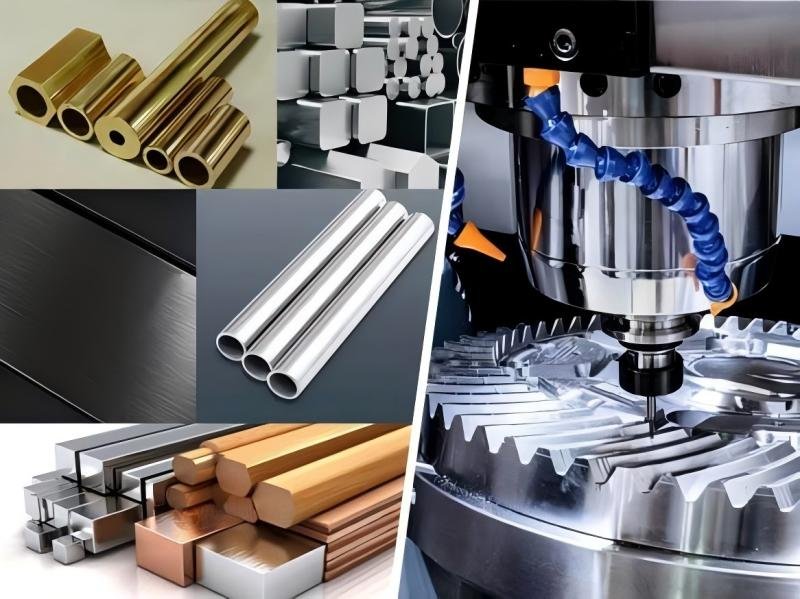
Viele Unternehmen verwenden Metalle für das CNC-Drehen. Metalle sind stark und haltbar. Zu den gängigen Metallen gehören Kohlenstoffstahl, rostfreier Stahl, Eisen, Aluminium, Messing, Kupfer und spezielle Legierungen wie Titan. Jedes Metall ist für bestimmte Anwendungen am besten geeignet.
| Metall | Vorteile |
|---|---|
| Aluminium | Scharfe Schneidkanten, geringes Gewicht und hohe Bearbeitungsgeschwindigkeit. Kühlmittel verhindert das Anhaften von Spänen. |
| Stahl mit niedrigem/mittlerem Kohlenstoffgehalt | Erfordert starke Werkzeuge und Werkzeughalter. Langsamere Schnittgeschwindigkeit, aber hohe Festigkeit. |
| Rostfreier Stahl | Erfordert hochtemperaturbeständige Einsätze. Beschichtungen helfen, die Reibung zu verringern. Kühlung ist entscheidend. |
| Messing und Kupfer | Scharfe Schneidkanten und glänzende Oberfläche. Die Späne sind leicht zu kontrollieren. |
| Exotische Legierungen (z. B. Titan) | Erfordert spezielle hochtemperaturbeständige Einsätze. Strenge Kühlungsanforderungen. Langsame Schnittgeschwindigkeit und starke Werkzeuge erforderlich. |
KEMING ist auf das CNC-Drehen von Kohlenstoffstahl, Edelstahl und Eisen spezialisiert. Kohlenstoffstahl ist hart und stabil und eignet sich für Teile, die eine lange Lebensdauer erfordern. Rostfreier Stahl hat eine gute Zähigkeit, ist weniger bruchanfällig und kann Stößen standhalten, was ihn für häufig verwendete Teile geeignet macht. Eisen ist fest und leicht zu formen und wird für die Herstellung vieler mechanischer Teile verwendet. KEMING verarbeitet auch Aluminium und andere Legierungen. Diese Materialien sind leicht und rostbeständig.
Tipp: Die Wahl des richtigen Metalls hilft bei der Herstellung von Hochleistungsteilen, z. B. für Automotoren oder Gebäuderahmen.
Kunststoffe und andere Materialien
Beim CNC-Drehen können auch Kunststoffe und andere Materialien bearbeitet werden. Kunststoffe sind weicher und lassen sich leichter schneiden. Bei Unachtsamkeit kann es jedoch zu Überhitzungen kommen. Kunststoffe
| Kunststoff | Wichtige Eigenschaften | Beste Anwendungsfälle |
|---|---|---|
| ABS | Stark und zäh | Verwendet für Gehäuse und Halterungen |
| FR4 | Hart und hitzebeständig | Verwendet für Leiterplatten |
| Nylon (PA6) | Abriebfest und glatt | Für Zahnräder und bewegliche Teile |
| Polycarbonat (PC) | Hohe Festigkeit und Transparenz | Verwendet für Schutzabdeckungen und Schutzschilder |
| PMMA (Acrylglas) | Transparent und leicht | Verwendung für Displays und Beleuchtungsanlagen |
| POM (Delrin/Acetal) | Maßhaltige und glatte Oberfläche | Verwendet für Lager und Ventile |
| PTFE (Teflon) | Glatt und chemisch beständig | Verwendet für Dichtungen und Dichtungsringe |
| Bakelit | Hart und hitzebeständig | Verwendet für elektrische Komponenten |
Kunststoffe wie ABS, Nylon und Polycarbonat sind weit verbreitet. Sie eignen sich für elektronische Produkte, Automobile und mechanische Geräte. Kunststoffspäne sind länger, und zum Schneiden ist weniger Energie erforderlich. Allerdings können sie sich verziehen, wenn die Maschine überhitzt.
| Merkmal | Metalle | Kunststoffe |
|---|---|---|
| Material Härte | Metalle sind hart und erfordern robuste Werkzeuge. | Kunststoffe sind weich und lassen sich leicht schneiden. |
| Chip-Formation | Metalle erzeugen scharfe Späne. Seien Sie vorsichtig. | Kunststoffe ergeben lange Späne. Leicht zu handhaben. |
| Wärmeerzeugung | Metalle werden heiß und müssen gekühlt werden. | Kunststoffe werden nicht so heiß, können sich aber verbiegen. |
| Materialabtragsraten | Metalle schneiden langsam und benötigen starke Maschinen. | Kunststoffe schneiden schnell, können aber zu heiß werden. |
Die CNC-Drehtechnik kann für die Bearbeitung von Metallen und Kunststoffen eingesetzt werden und ist daher weit verbreitet. KEMING hilft seinen Kunden bei der Auswahl der am besten geeigneten Werkstoffe für ihre Anforderungen.
CNC-Drehen vs. CNC-Fräsen
Wesentliche Unterschiede
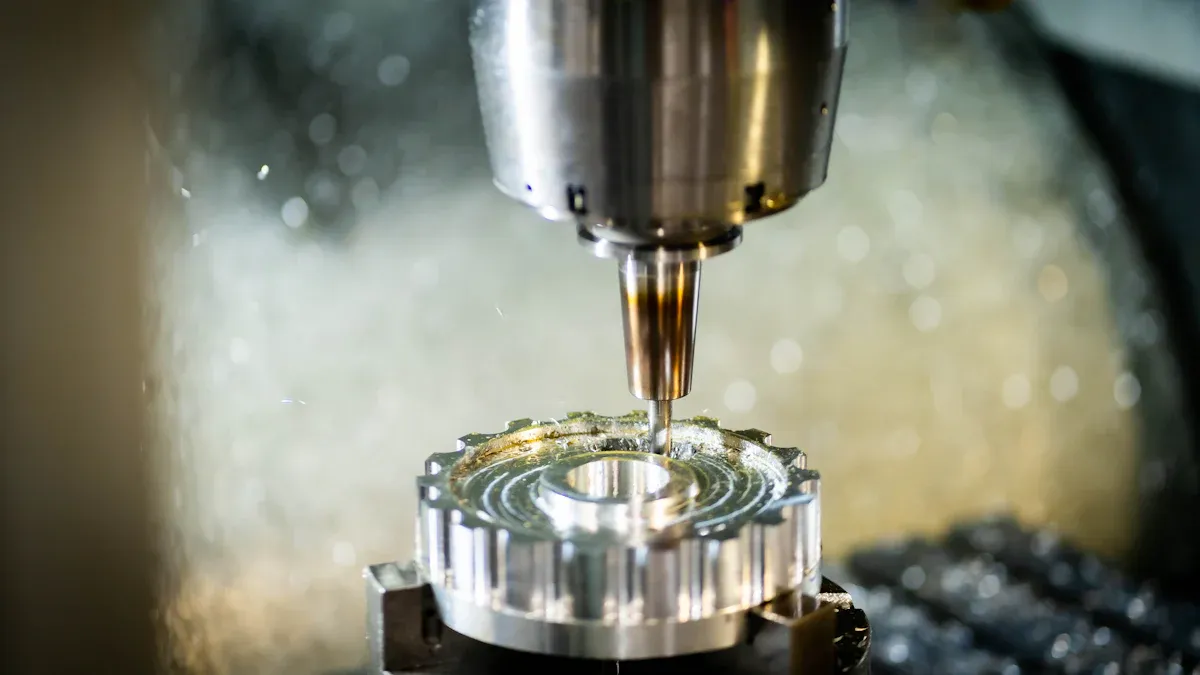
Sowohl das CNC-Drehen als auch das CNC-Fräsen sind Verfahren zur Formgebung von Teilen, funktionieren aber unterschiedlich. Beim CNC-Drehen dreht die Maschine das Werkstück mit hoher Geschwindigkeit, und das Schneidwerkzeug trägt das Material ab, während sich das Werkstück dreht. Beim CNC-Fräsen bleibt das Werkstück stehen, und das Schneidwerkzeug bewegt sich um das Werkstück herum, um den Schnitt durchzuführen.
In der nachstehenden Tabelle sind die wichtigsten Unterschiede aufgeführt:
| Aspekt | CNC-Drehen | CNC-Fräsen |
|---|---|---|
| Bewegung des Werkstücks | Das Werkstück dreht sich, das Schneidwerkzeug bleibt stehen. | Das Werkstück bleibt stehen, das Schneidwerkzeug bewegt sich. |
| Schneidewerkzeuge | Verwendet Einpunktschneidwerkzeuge zur Bearbeitung zylindrischer Teile. | Verwendet Mehrpunktschneidewerkzeuge zur Durchführung verschiedener Bearbeitungsaufgaben. |
| Komplexität der Bearbeitung | Am besten geeignet für symmetrische Teile; begrenzte Fähigkeit zur Bearbeitung komplexer Formen. | Er kann komplexe Muster und dreidimensionale Formen erstellen. |
| Anzahl der Achsen | Normalerweise 2 Achsen (X und Z); einige Maschinen haben mehr Achsen für angetriebene Werkzeuge. | Normalerweise 3 Achsen; fortgeschrittene Modelle können 5 Achsen haben. |
| Produktionsgeschwindigkeit | Schneller bei der Bearbeitung zylindrischer Teile durch kontinuierlichen Schnitt. | Langsamer bei der Bearbeitung komplexer Muster, aber vielseitig durch die Möglichkeit, mehrere Werkzeuge zu verwenden. |
CNC-Drehen eignet sich für die Herstellung runder Teile wie Wellen, Buchsen und Ringe. Mit diesem Verfahren lassen sich glatte Oberflächen erzielen und die Rundheit der Teile erhalten. CNC-Fräsen wird für die Bearbeitung von flachen Oberflächen, Nuten und komplexen Formen verwendet. Es können Teile mit mehreren Seiten und Winkeln hergestellt werden.
Tipp: CNC-Drehen ist am besten für runde oder rohrförmige Teile geeignet. CNC-Fräsen ist besser geeignet für Teile mit mehreren Seiten oder unregelmäßigen Formen.
Wann sind sie zu verwenden?
CNC-Drehen wird eingesetzt, wenn runde oder rohrförmige Teile benötigt werden. Viele Branchen nutzen diese Methode. Automobilhersteller verwenden das Drehen zur Bearbeitung von Achsen, Bolzen und Kolben. Flugzeughersteller verwenden es zur Bearbeitung von Armaturen und Fahrwerkswellen. Hersteller medizinischer Geräte verwenden das Drehen für die Bearbeitung von Knochenschrauben und Implantaten. Maschinen benötigen Rollen und Buchsen, die durch Drehen hergestellt werden. Hier sind einige Beispiele für Anwendungen, bei denen CNC-Drehen eingesetzt wird:
- Kraftfahrzeuge: Achsen, Bolzen, Kolben, Gewindeverbinder
- Luft- und Raumfahrt: Hydraulische Armaturen, Fahrwerksschächte, Kupplungen
- Medizinisch: Chirurgische Implantate, Knochenschrauben, Zahnersatzteile
- Industrielle Maschinen: Walzen, Buchsen, kundenspezifische Wellen
Die folgende Tabelle zeigt, wie das Drehen in verschiedenen Branchen eingesetzt wird:
| Industrie | Beschreibung der Anwendung |
|---|---|
| Luft- und Raumfahrt | Hochwertige Zahnräder und rotierende Teile werden durch CNC-Drehen hergestellt. |
| Medizinische Ausrüstung | Das Präzisionsdrehen von Stahl und anderen Materialien ist erforderlich. |
| Automobilindustrie | Das Drehen wird zur Bearbeitung von Teilen mit präzisen Schnitten und glatten Oberflächen verwendet. |
KEMING Company verwendet CNC-Drehen, um robuste runde Teile für Automobile, Flugzeuge und Maschinen herzustellen. Das Team wählt für jeden Auftrag das beste Verfahren aus. Das CNC-Drehen eignet sich für die schnelle Bearbeitung von runden Teilen. Das CNC-Fräsen eignet sich eher für die Bearbeitung flacher oder komplex geformter Teile.
Hinweis: Die Wahl der richtigen Methode hilft den Unternehmen, die besten Teile für ihre Bedürfnisse zu erhalten.
Vorteile und Nachteile des CNC-Drehens
Vorteile des CNC-Drehens
Die CNC-Drehtechnologie bietet modernen Fabriken zahlreiche Vorteile. Unternehmen bevorzugen das CNC-Drehen wegen seiner Geschwindigkeit und seiner Fähigkeit, hochpräzise Teile zu produzieren. Sie kann auch wiederholt identische Teile ohne Fehler produzieren. Hier sind einige der wichtigsten Vorteile des CNC-Drehens:
- CNC-Maschinen sind schneller als manuelle Arbeiten mit Handwerkzeugen.
- Die Automatisierung hilft, Fehler zu reduzieren und die Qualität der Teile zu sichern.
- Das Verfahren ermöglicht die Herstellung hochpräziser Teile, auch mit komplexen Formen.
- Jedes Teil einer Charge ist identisch mit dem ersten Teil.
- CNC-Drehen ermöglicht es den Arbeitern, Konstruktionen schnell zu ändern und neue Werkzeuge schnell einzusetzen.
Die folgende Tabelle zeigt die Unterschiede zwischen CNC-Drehen und manuellem Drehen:
| Vorteil | CNC-Drehen | Manuelles Drehen |
|---|---|---|
| Genauigkeit | Ausgezeichnete Genauigkeit und Wiederholbarkeit | Begrenzte Präzision |
| Wirkungsgrad | Hohe Effizienz durch Automatisierungsmöglichkeiten | Langsamere Geschwindigkeit, erfordert manuelle Bedienung |
| Reproduzierbarkeit | Gleichbleibende Qualität in der Großserienproduktion | Qualitätsschwankungen |
Die CNC-Technologie trägt auch zu einer schnelleren Produktion von Teilen bei. Automatisierung bedeutet weniger manuelle Arbeit, was zu einer höheren Produktionsgeschwindigkeit führt. Spezialisierte Software hilft bei der Planung von Werkzeugwegen und prüft diese vor Beginn der Bearbeitung. So können Unternehmen Teile schneller liefern und große Aufträge erfüllen.
KEMING setzt eine strenge Qualitätskontrolle und moderne CNC-Maschinen ein. Das Team prüft jedes Teil, um sicherzustellen, dass es haltbar ist und den Anforderungen entspricht. Die Kunden erhalten einen hochwertigen Service und Teile, die ihren Anforderungen entsprechen.
Tipp: CNC-Drehen ist ideal für Unternehmen, die große Mengen an langlebigen, hochwertigen Teilen benötigen.
Beschränkungen und Herausforderungen
Das CNC-Drehen hat auch einige Einschränkungen. Sie eignet sich am besten für runde Teile oder Teile, die sich um eine zentrale Achse drehen. Nicht runde Formen können nicht bearbeitet werden. Die Einrichtungs- und Werkzeugkosten können hoch sein, vor allem bei Kleinserienfertigung.
Bei der Bearbeitung komplexer Teile können einige Probleme auftreten. Dünnwandige Teile können sich während des Drehvorgangs verbiegen oder brechen. In der Großserienproduktion ist es schwierig zu garantieren, dass jedes Teil perfekt ist. Hartmetalle wie Titan können die Schneidwerkzeuge schnell verschleißen. Teile, die zu anderen Komponenten passen müssen, erfordern eine zusätzliche Prüfung.
KEMING begegnet diesen Herausforderungen durch den Einsatz intelligenter Software und erfahrener Techniker. Sie passen die Zerspanungsmethoden an und verwenden spezielle Werkzeuge für die verschiedenen Bearbeitungsaufgaben. Ihr Team arbeitet mit den Kunden zusammen, um die optimale Bearbeitungslösung für jedes Teil zu finden.
Hinweis: Die Kenntnis der Vorteile und Grenzen des CNC-Drehens hilft Unternehmen bei der Auswahl der besten Fertigungsmethode für ihre Teile.
Beim CNC-Drehen werden runde Teile mit hoher Präzision computergesteuert bearbeitet. Viele Unternehmen entscheiden sich für diese Methode, weil sie schnell und genau ist. Unternehmen nutzen das CNC-Drehen für die Massenproduktion von Teilen, was zu Kosteneinsparungen beiträgt und die Qualität der Teile gewährleistet.
- Das CNC-Drehen eignet sich für Metalle, Kunststoffe und andere Materialien.
- Dieses Verfahren ist in Branchen wie der Automobilindustrie, der Luft- und Raumfahrt und der Medizintechnik weit verbreitet.
- Die gleichzeitige Bearbeitung mehrerer Teile spart Zeit und Geld.
Qualitätskontrolle ist entscheidend. KEMING verfügt über fortschrittliche Ausrüstung, hochqualifiziertes Personal und bietet einen hochwertigen Service für jeden Auftrag.
FAQ
Was sind die Hauptanwendungen des CNC-Drehens?
CNC-Drehen wird für die Bearbeitung zylindrischer Teile wie Wellen, Buchsen und Ringe eingesetzt. Viele Branchen nutzen dieses Verfahren zur Herstellung von Automobilteilen, Maschinenteilen und Werkzeugen.
Kann das CNC-Drehen sowohl Metalle als auch Kunststoffe bearbeiten?
Ja. CNC-Drehen kann Metalle wie Stahl, Eisen und Aluminium sowie Kunststoffe wie ABS, Nylon und Polycarbonat bearbeiten.
Wie genau ist das CNC-Drehen?
Beim CNC-Drehen können Toleranzen von ±0,005 Zoll (0,13 mm) erreicht werden. Diese hohe Präzision hilft bei der Herstellung von Teilen, die maßhaltig und funktionell einwandfrei sind.
Was ist der Unterschied zwischen CNC-Drehen und CNC-Fräsen?
| Merkmal | CNC-Drehen | CNC-Fräsen |
|---|---|---|
| Teil Bewegung | Dreht das Teil | Bewegt das Werkzeug |
| Am besten für | Runde Formen | Flache oder komplexe Formen |
Warum wählen Unternehmen Kaiming für das CNC-Drehen?
Kaiming setzt fortschrittliche Ausrüstung ein und beschäftigt hochqualifizierte Mitarbeiter. Jedes einzelne Teil wird strengen Qualitätskontrollen unterzogen. Die Kunden vertrauen Kaiming, weil das Unternehmen langlebige, präzise und zuverlässige Teile liefert.